Sling Bag Buying Decisions: What Buyers Should Look For Before They Order
A sling bag sounds simple until you start comparing samples, construction details, and customer expectations. For sourcing teams, product managers, and retailers, the real challenge is not finding a bag with one strap and a compact shape; it is choosing a style that balances comfort, storage, durability, and the right market positioning. A well-made sling bag can sit neatly between a backpack and a purse, which is exactly why it shows up in casual carry, commuting, and travel assortments.
The decision matters because the category is crowded. A crossbody bag, a shoulder sling bag, and a travel sling bag may look similar at first glance, but they can differ in strap geometry, pocket layout, size, and user expectation. If the design is off by even a little, the bag can feel awkward in use or miss the target customer entirely.
Why this category sells
The appeal is straightforward: hands-free carry without the bulk of a full backpack. Many buyers want a smaller profile for phones, wallets, keys, earbuds, and a few daily essentials. That is why the market often splits into lifestyle-driven styles, commuter-friendly versions, and more functional travel pieces. A small sling bag can be a practical impulse item, while a more structured unisex sling bag may be positioned as an everyday utility product.
Retailers also like the category because it is easy to refresh with color, fabric, and hardware changes. A simple silhouette can support many seasonal updates, which gives the product team room to test different price points without redesigning the entire line.
Key construction points that affect performance
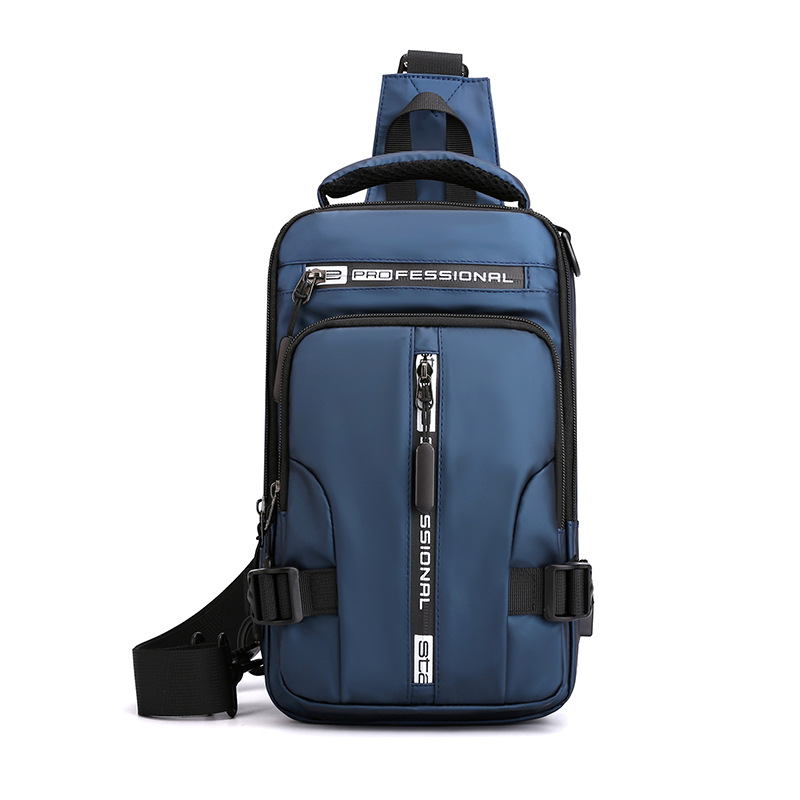
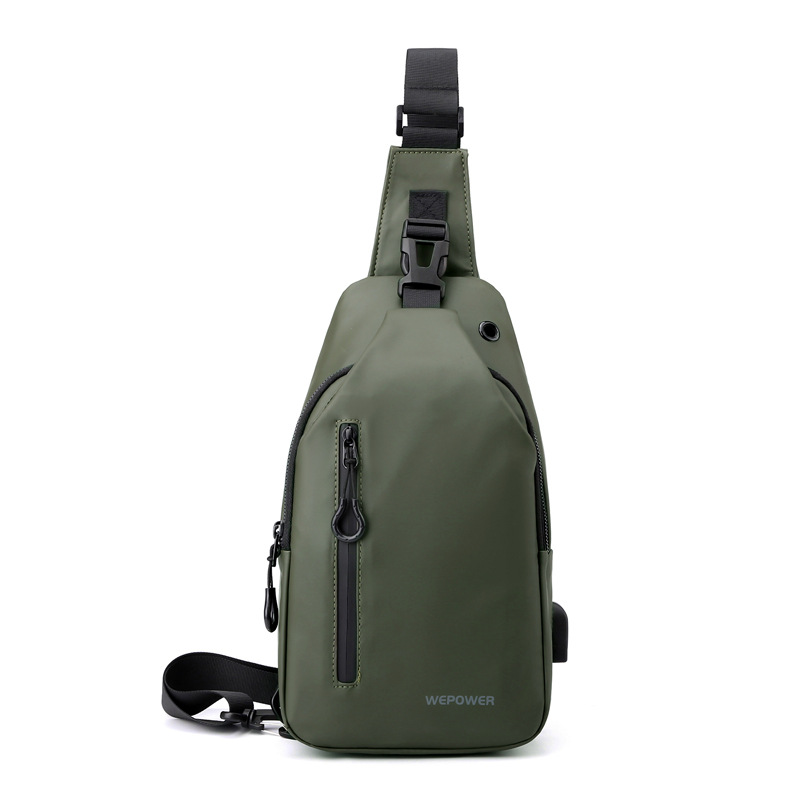
Buyers often focus on appearance first, but construction determines how the bag feels after a week of use. Strap width, adjustment range, zipper quality, and back panel comfort all matter. If the strap is too narrow, a larger load can dig into the shoulder. If the zipper track is flimsy, the bag may fail long before the fabric does.
Materials and structure
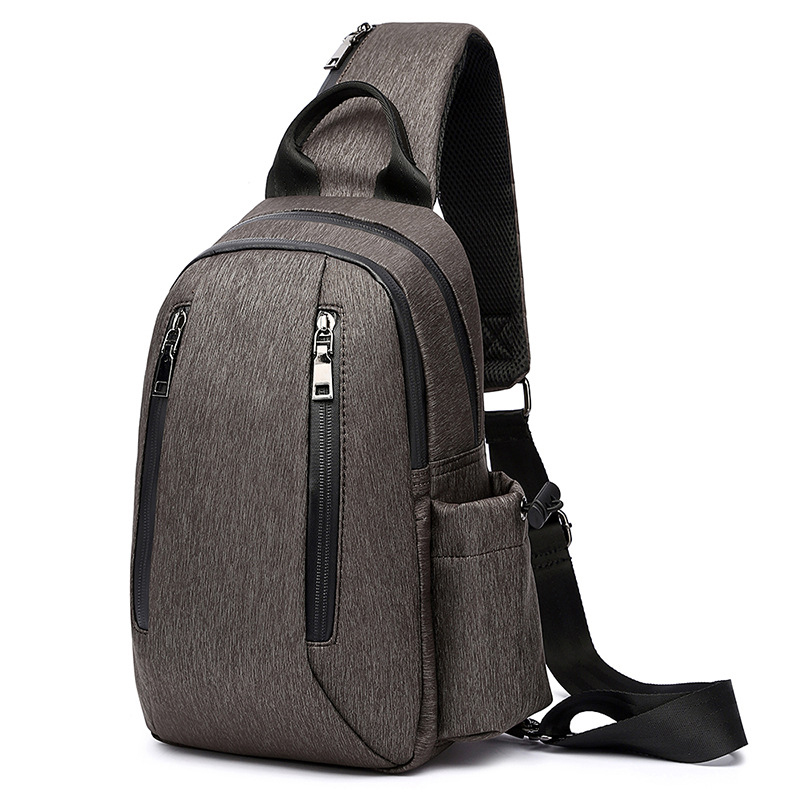
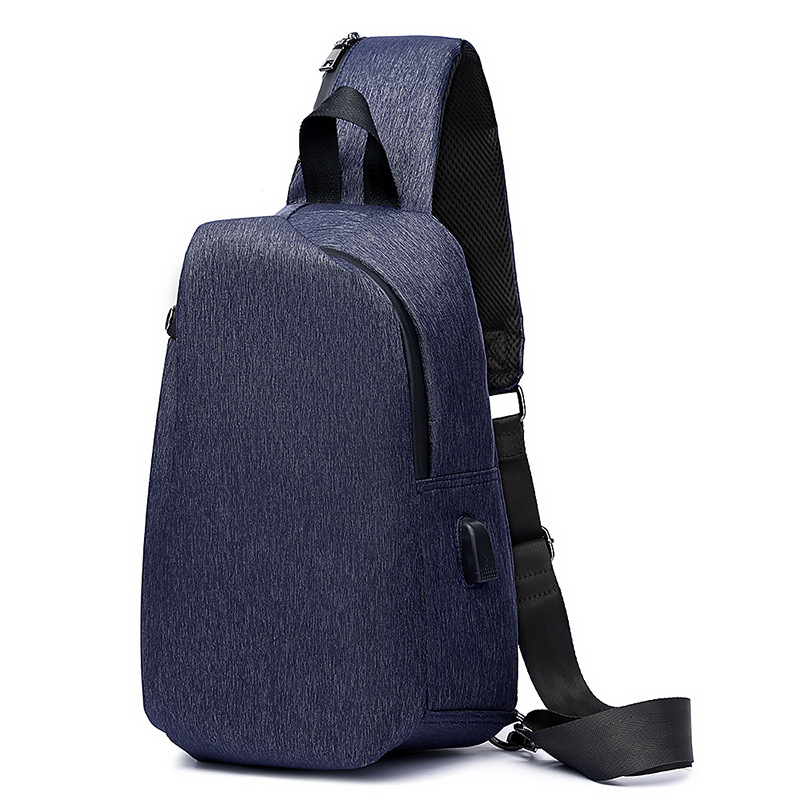
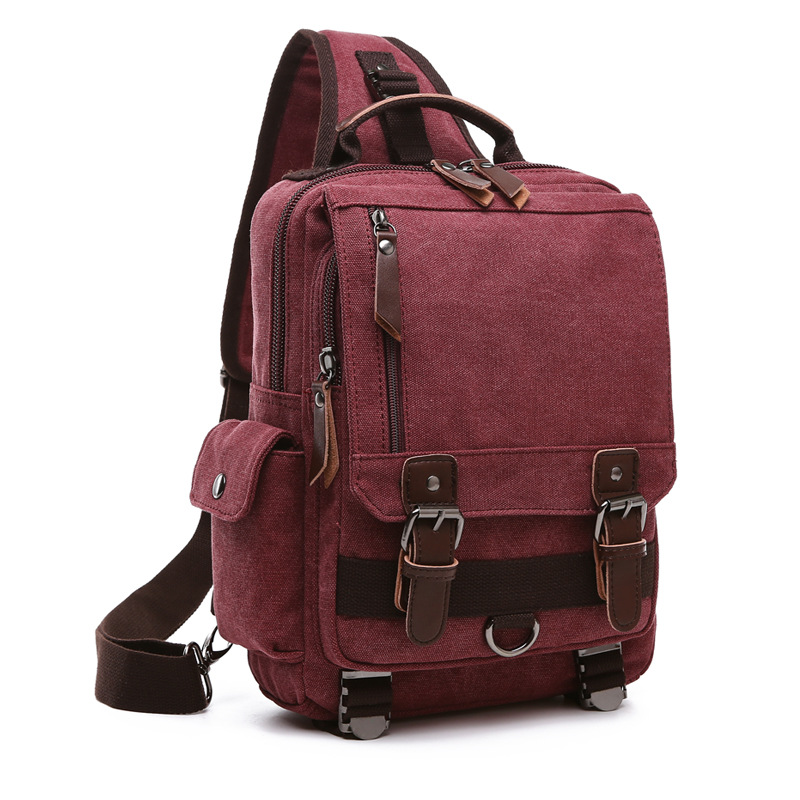
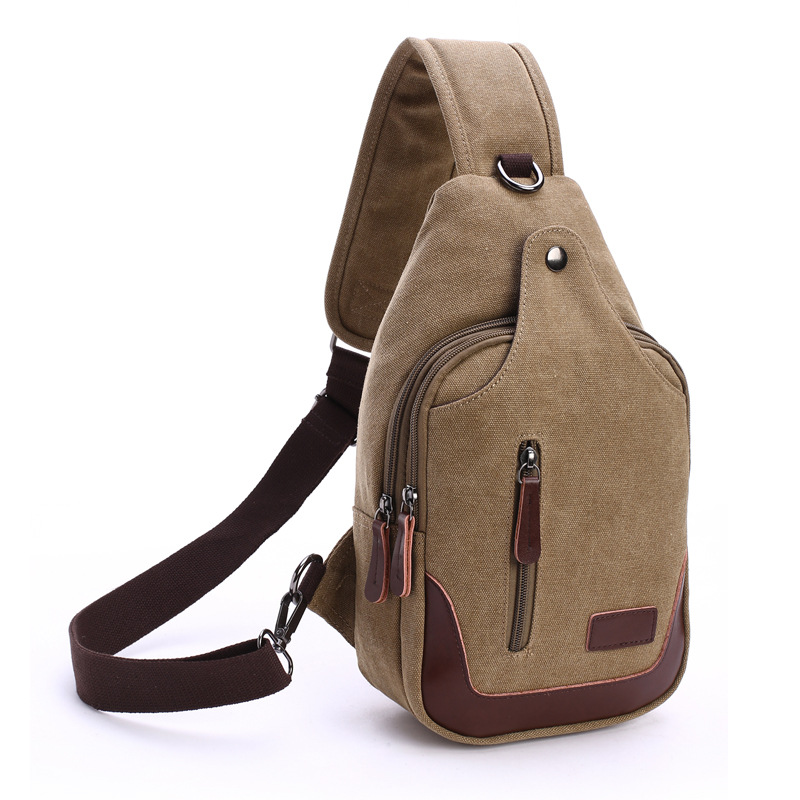
Common outer materials include polyester, nylon, canvas, and synthetic leather alternatives. Each has trade-offs. Polyester and nylon are usually easier to position as lightweight and practical, while canvas can signal a more casual, everyday look. A synthetic finish may lean more fashion-forward, though buyers should pay attention to stiffness, surface feel, and scratch behavior.
Inside the bag, lining material and pocket construction matter more than many sourcing teams expect. A neat interior layout helps the user separate a phone from keys or cards, which is especially important in a small sling bag where space is limited. A weak lining can become the first visible sign of wear, even when the outside still looks fine.
Hardware and closure choices
Zippers, buckles, rings, and strap adjusters all affect the final impression. Smooth operation is not a luxury here; it is part of the product experience. In the category, buyers should inspect zipper alignment, pull size, and how the hardware behaves when the bag is worn across the chest and swung forward for access.
Matching the style to the customer
The same silhouette can be sold to very different users. A women sling bag may emphasize compact proportions, lighter styling, or cleaner colorways. A men sling bag often leans toward darker tones, technical details, or a more utilitarian shape. A unisex sling bag usually works best when the design is restrained and the proportions are balanced rather than overly fashion-led.
That said, these labels are not rigid. Plenty of buyers now prefer less segmented merchandising, especially when the product is intended for commuting, travel, or casual weekend use. The more important question is whether the bag feels relevant to the target channel. A fashion store, an outdoor retailer, and a corporate gift buyer will all want different cues from the same basic structure.
How to judge capacity without making the bag bulky
Capacity is one of the easiest features to overpromise. A bag can technically hold a lot and still be uncomfortable to carry. The useful question is what the user needs to access quickly. For many customers, a travel sling bag works best when it fits a phone, passport, small power bank, wallet, and a few flat items without becoming thick and unstable.
Buyers should look at internal dimensions, pocket placement, and the way the bag keeps its shape when partially filled. A product that collapses too much can feel cheap. One that is overly structured can lose the light, easy feel that makes the category appealing in the first place.
Common mistakes in sourcing sling bags
One common mistake is treating all small bags as interchangeable. A crossbody bag may use a different strap angle and wear pattern than a more athletic sling design. Another mistake is selecting materials by appearance alone. A glossy surface may photograph well, but it may not hold up to repeated friction from clothing or daily handling.
There is also a tendency to under-spec the zipper, stitching, or reinforcement at stress points. That is usually where a product fails first, particularly at the strap anchor, pocket corner, or top opening. It is not the kind of failure that shows up in a sample photo, which is why physical inspection matters.
Practical buyer advice
If you are sourcing this category, start by deciding how the bag should be worn, what it should carry, and which retail story it should support. Those three answers usually narrow the field faster than a color card ever will. Then check the sample for strap comfort, access speed, and pocket usability. A bag that looks stylish but is annoying to use will not perform well for long.
For bulk orders, ask suppliers to clarify material options, reinforcement points, and finishing details before you approve final production. Small changes can make a noticeable difference in perceived quality. This is especially true for a small sling bag, where every seam and zipper is visible to the customer.
FAQ: quick questions buyers tend to ask
Is a sling bag the same as a crossbody bag?
Not exactly. The terms are often used loosely, but a sling bag usually suggests a more compact, body-hugging carry style, while a crossbody bag can cover a wider range of shapes and sizes.
Which version sells best?
It depends on the channel. A travel sling bag may perform well in travel or outdoor retail, while a cleaner unisex sling bag may work better in general lifestyle assortments.
What matters most in a sample?
Comfort, zipper smoothness, strap adjustment, and pocket layout usually tell you more than the marketing description does.
What to do next
Before placing an order, compare a few sample builds side by side and test them with real carry items, not just empty bags. That simple step usually exposes the difference between a product that photographs well and one that actually earns repeat sales. In this category, the best choice is usually the bag that feels quietly useful after a full day of wear.