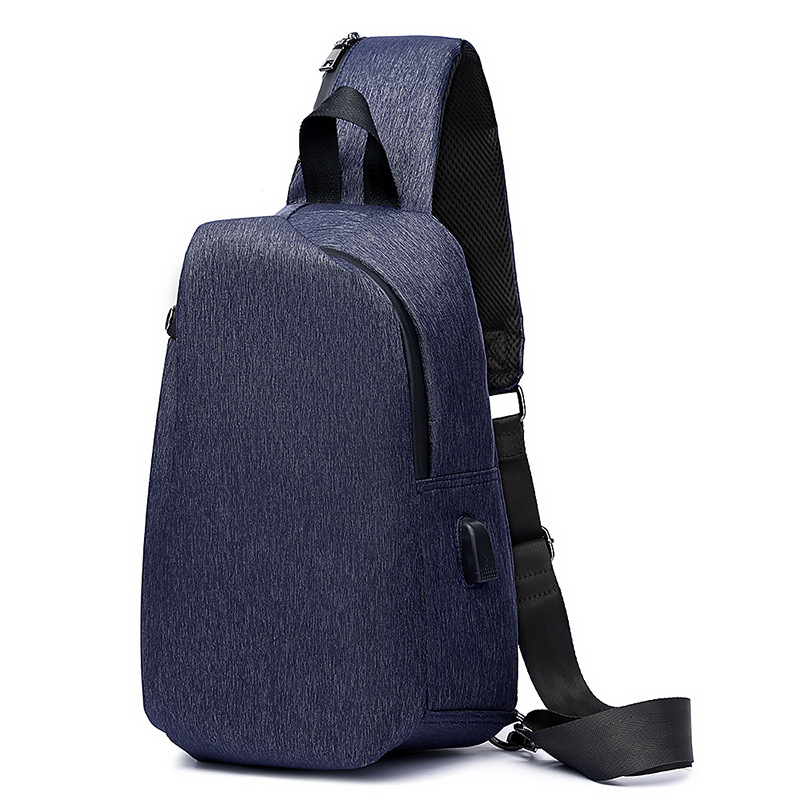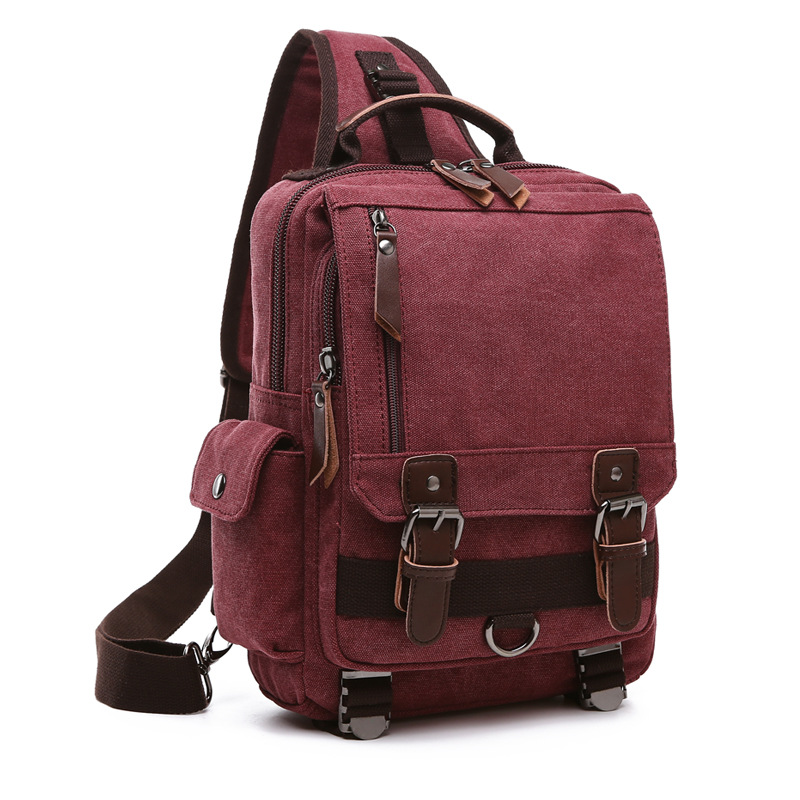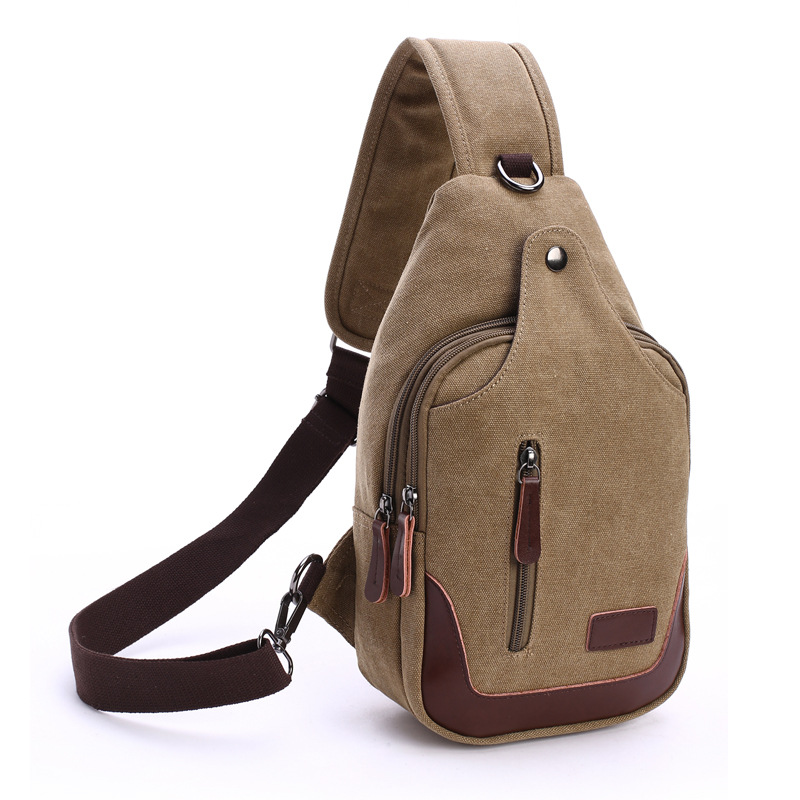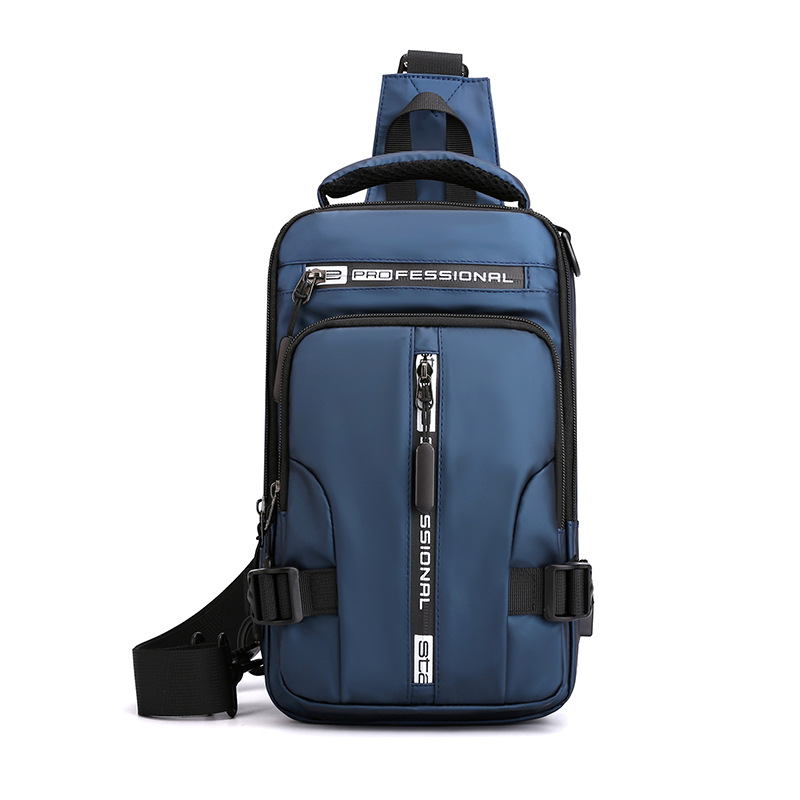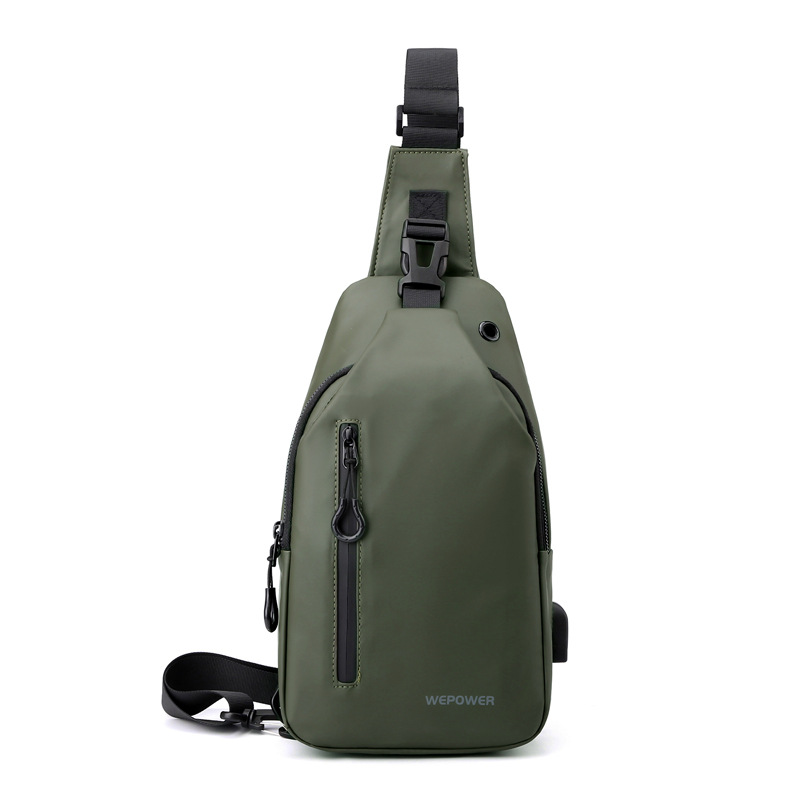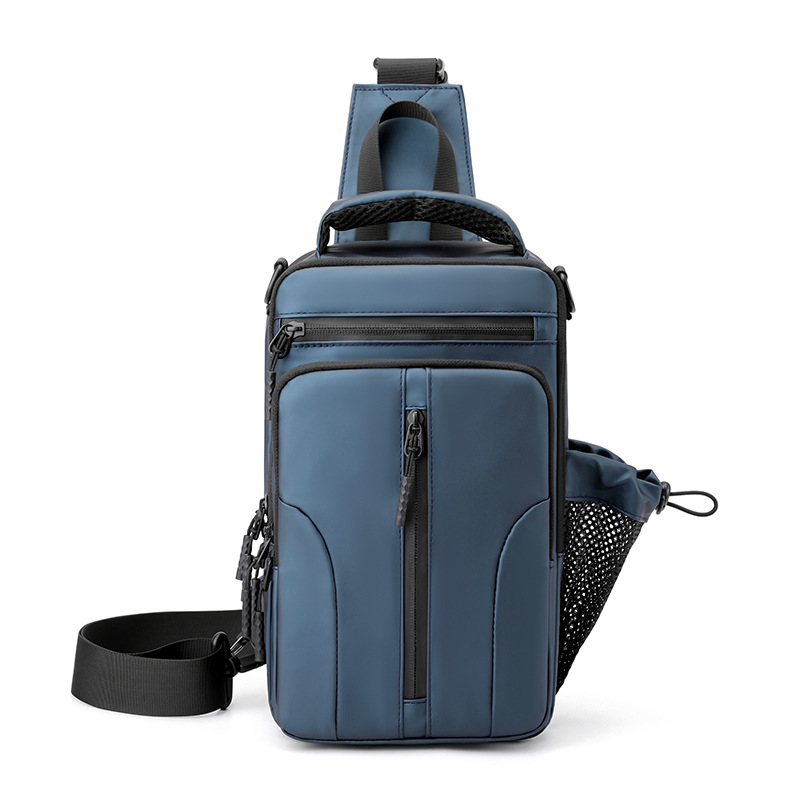
A sling bag sits in a useful middle ground: smaller and lighter than a backpack, but easier to carry than stuffing everything into pockets. For commuters, travelers, and anyone who wants quick access to a phone, wallet, charger, or notebook, the appeal is straightforward. The challenge is choosing the right version, because not every sling bag fits the same job. Some are built for urban commuting, some for travel, and some are simply meant to keep daily essentials close without feeling bulky.
What a sling bag is really for
At its simplest, a sling bag is a single-strap carry bag worn across the body or over one shoulder. That cross-body position matters. It keeps the bag stable during movement and makes the contents easier to reach without taking it off completely. In practical terms, that means less fumbling at a train platform, airport gate, or crowded street.
Compared with a backpack, a sling bag usually carries less weight and less volume. Compared with a briefcase or tote, it gives better mobility and a more secure fit. That is why it shows up so often in city commuting, casual travel, and light-duty work carry. The right design can make a daily routine feel simpler. The wrong one can become annoying fast, especially if the strap digs into the shoulder or the main compartment is too shallow for real-world items.
Quick way to compare common sling bag uses
If you are trying to narrow the market, it helps to think in use cases rather than in fashion terms. A crossbody sling bag is often chosen for hands-free movement and quick access. A travel sling bag usually puts more weight on security, internal organization, and comfort over longer wear. A compact sling bag works best when you only need the essentials and do not want extra bulk. Meanwhile, an anti-theft sling bag may add lockable zippers, hidden pockets, or a design that is harder to open casually in a crowd.
That quick comparison is useful because buyers sometimes start with size alone and end up disappointed. Capacity matters, but so do strap geometry, pocket layout, and how the bag behaves when it is half full. A compact model can be more comfortable than a large one, yet still feel awkward if the interior is not organized well.
What to look for before buying
Carry comfort
Comfort starts with the strap. A wider strap usually spreads the load better, especially if you carry a phone, power bank, and water bottle together. Padding helps, but padding alone is not enough if the strap slides around. The bag should sit close to the body without bouncing when you walk.
Access and organization
Good sling bags are designed for one-hand access. That usually means a main compartment, one or two quick-access pockets, and sometimes a dedicated sleeve for electronics. If you are using the bag daily, simple organization often beats too many pockets. Too many compartments can slow you down instead of helping.
Material choice
Material affects durability, weight, and how the bag handles weather. A waterproof sling bag can be a smart choice for commuting or travel in unpredictable conditions, although “waterproof” can mean different things in the market, so buyers should still examine seams, zippers, and closures carefully. In many cases, water-resistant is more realistic than fully waterproof, and that is worth confirming before purchase.
Security features
If the bag will be used in airports, train stations, or busy streets, anti-theft details deserve attention. Hidden back pockets, zipper orientation, and slash-resistant construction are all common selling points. Not every user needs them, but for travelers and city commuters they can be the difference between a bag that feels easy to carry and one that feels constantly exposed.
Choosing between men’s and women’s styles
Marketing often splits the category into men's sling bag and women's sling bag, but in manufacturing terms the differences are usually about styling, proportions, and finish rather than a completely different product class. A men’s version may lean toward darker colors, a more angular profile, or a technical look. A women’s version may be offered in lighter colors, softer shapes, or smaller body dimensions.
For buyers, the more useful question is whether the bag matches body size, carry habits, and wardrobe. A small frame may find a large sling bag awkward, while a larger user may prefer a model with more strap range and a broader back panel. Fashion labels matter less than fit, and fit matters more than most product pages admit.
Common mistakes buyers make
The first mistake is underestimating volume. People often buy a sling bag for “just the essentials,” then discover they also need sunglasses, earbuds, a passport holder, and a charger. The second mistake is ignoring the strap. A poor strap can ruin an otherwise well-made bag.
The third is assuming a weather-resistant fabric solves everything. Zippers, seams, and opening orientation matter too. A bag can shed light rain and still leave electronics vulnerable if water collects around the opening. The fourth mistake is choosing style before use. A sharp-looking sling bag that is uncomfortable after twenty minutes will not stay in rotation for long.
Buyer advice for sourcing and product teams
For sourcing managers and product teams, the decision usually comes down to a narrow set of tradeoffs: capacity versus profile, security versus speed of access, and weather protection versus weight. The best sling bag for one channel may not work for another. A commuter-facing model may need more structure and cleaner pocket access. A travel version may need security features and better internal separation. A casual lifestyle design may prioritize shape and finish over technical details.
When reviewing samples, pay attention to zipper behavior, strap adjustment range, stitch quality at stress points, and how the bag sits when loaded unevenly. That last point is easy to miss. A bag can look balanced on a table and feel lopsided when worn with one heavy item inside. Small practical checks often reveal more than a polished product photo ever will.
FAQ
Is a sling bag better than a backpack?
Not for heavy loads, but for light daily carry and quick access, it can be better. The main advantage is convenience.
Is a crossbody sling bag suitable for travel?
Yes, especially for passports, tickets, phones, and other items you need often. For larger gear, it is usually too small on its own.
What makes an anti-theft sling bag worth it?
It is worth considering if you move through crowded places or carry valuables. The value is in reducing easy access, not in making theft impossible.
Should I choose a waterproof sling bag?
If you commute in rain or carry electronics, it is a sensible option. Just confirm how the bag is actually sealed, not just how it is described.
Next step
If you are comparing sling bag options for a product line or a buying program, start with use case, then narrow by size, strap comfort, and protection features. That order saves time and usually leads to a better fit for the customer. Style can still matter, but a good sling bag earns repeat use because it solves a small daily problem cleanly. That is the real standard.