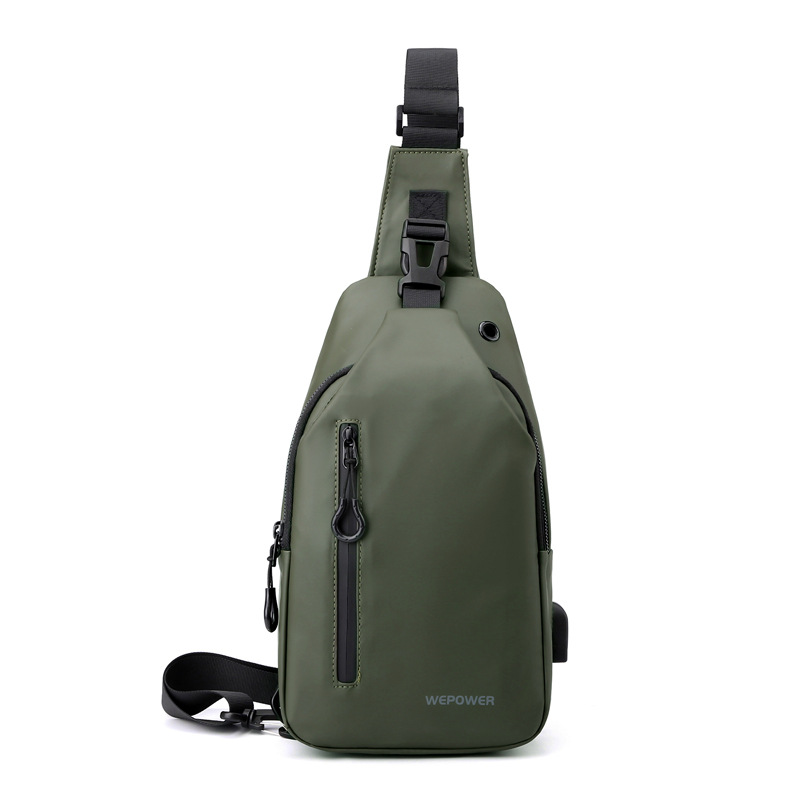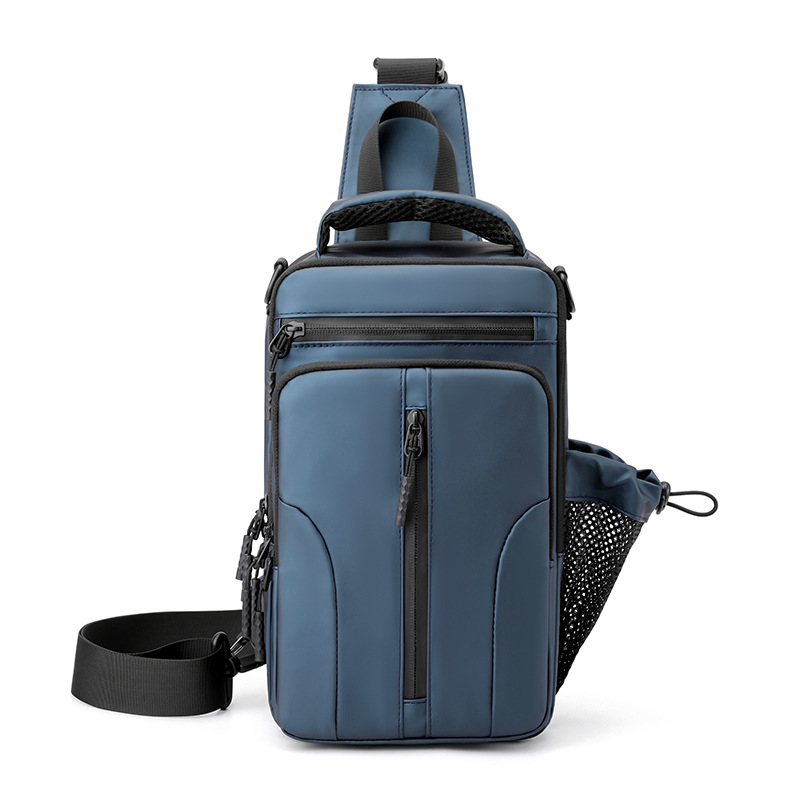
Why the sling bag has become a practical category, not just a style item
A sling bag sits in a useful middle ground: larger than a pocket organizer, smaller and less cumbersome than a backpack. That sounds simple, but it explains why the category keeps showing up in travel programs, commuter lines, outdoor assortments, and casual fashion collections. Buyers want a carry solution that can hold daily essentials without turning into dead weight, and users want fast access without taking the bag off completely.
For sourcing teams and product planners, the real question is not whether a sling bag sells. It is which version fits the target user, the material story, and the margin structure without creating complaints about comfort, zipper wear, or awkward access. A good design feels effortless. A poor one sits strangely on the body and gets left at home.
What makes a sling bag different from a small backpack or crossbody
At the simplest level, the bag is worn across the torso and rotated to the front or side for access. That positioning is what gives a crossbody sling bag its appeal. Compared with a small backpack, it usually offers faster reach into the main compartment. Compared with a traditional crossbody purse, it often carries more structure and can handle heavier everyday loads.
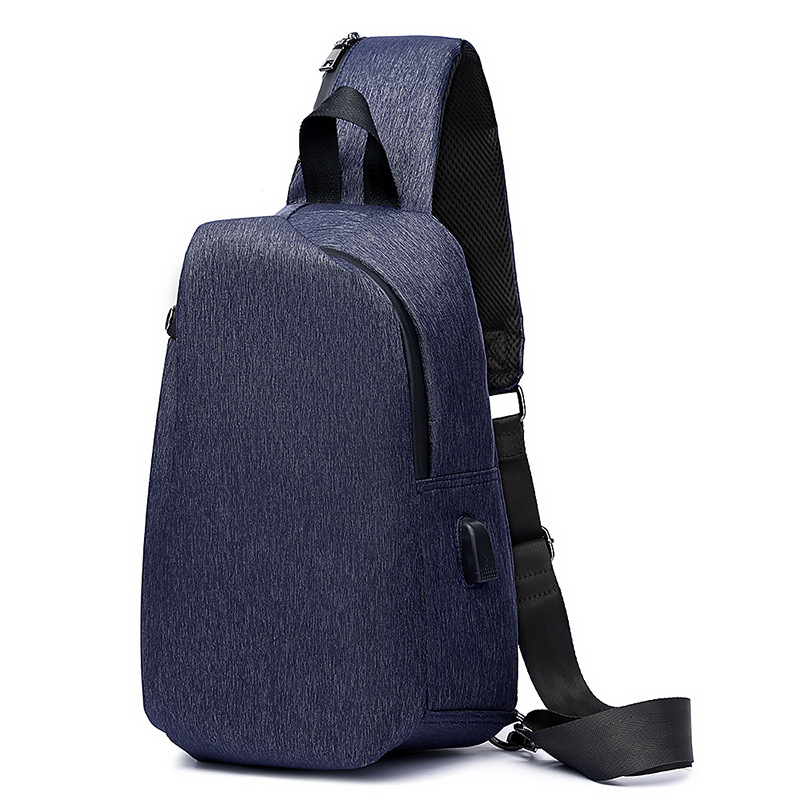
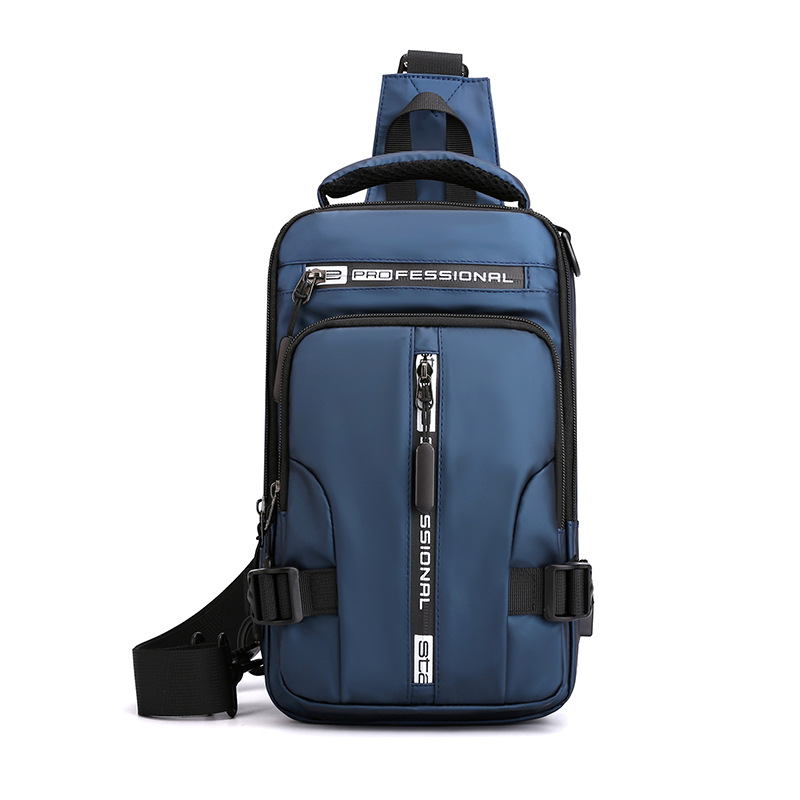
That said, the category is broad. A mens sling bag may lean toward a more technical silhouette, darker colors, and utility pockets. A womens sling bag can be more fashion-led, but many buyers now avoid treating the market that narrowly because style preferences are less predictable than they used to be. The better segmentation is often use case: commuter, travel, casual city carry, outdoor, or minimalist everyday use.
Key features buyers should look at first
Capacity and shape
Size is the first filter. A small sling bag works well for phone, wallet, keys, passport, and perhaps a compact charger. Once the shape gets too deep or too bulky, comfort drops quickly. A wide body may look attractive on paper, but if it shifts awkwardly against the chest or hip, users notice. They may not name the problem as ergonomics, but that is what they are reacting to.
Strap design
The strap determines whether the product feels reassuring or annoying. An adjustable strap helps the bag fit different body sizes and clothing layers. Wider webbing or lightly padded construction can improve comfort on longer wear. For a travel sling bag, a strap that adjusts smoothly and stays in place matters more than decorative trim.
Closure and access
Quick access is one of the category’s main selling points, so pocket layout deserves attention. Zippers should be easy to grip, open cleanly, and not snag at the corners. Some buyers look for an anti theft sling bag with hidden pockets, lockable zipper pulls, or a rear-facing compartment. Those features can be useful, especially in transit environments, but they only help if the bag still feels natural to use. Overcomplicated security can make a bag slow in daily life.
Material choices and what they signal to the customer
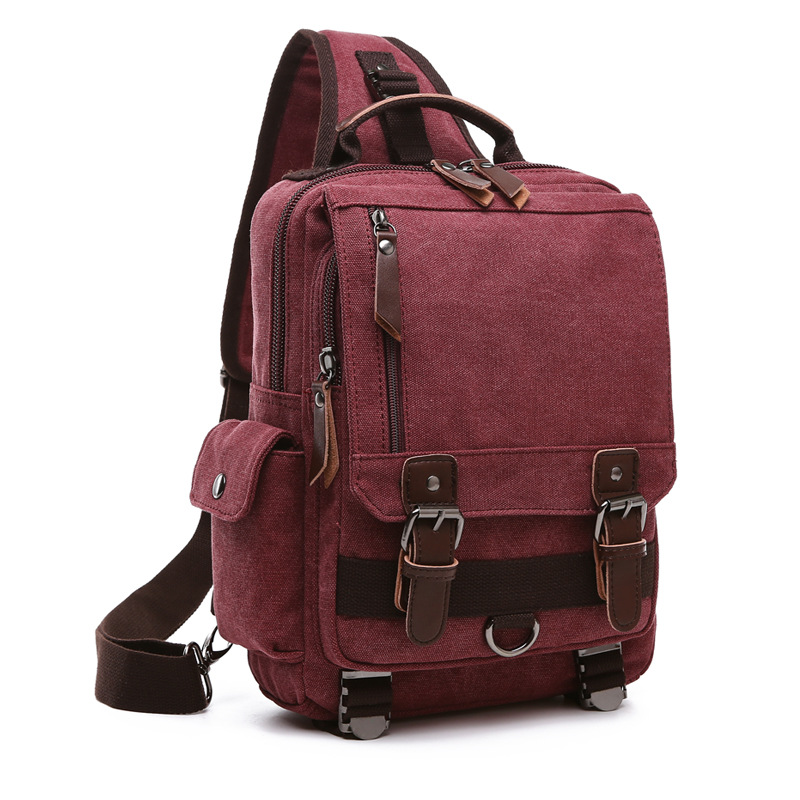
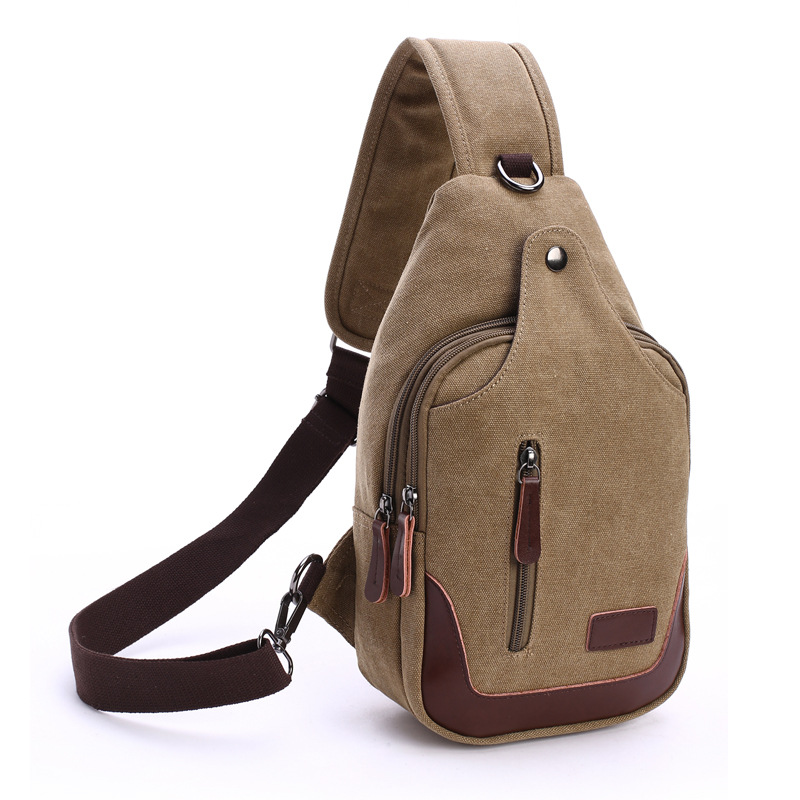
Material selection shapes price, appearance, durability, and the first impression on shelf or screen. Nylon and polyester are common for lightweight, everyday, and travel-focused models. They support structured panels, wipe-clean surfaces, and a technical look. Canvas can create a more relaxed feel, though it may need careful reinforcement at stress points. PU or genuine leather changes the story again, pushing the product toward a dressier or premium casual space.
A leather sling bag can look polished and hold its shape well, but it usually asks more from the user in maintenance and from the manufacturer in consistent construction. Stitch quality, edge finishing, and hardware finish become more visible in leather goods than in fabric bags. That makes sampling more important, not less.
Common construction details that affect real-world performance
People often focus on fabric and miss the quieter details. Stitch density, seam binding, zipper tape quality, lining weight, and the way the strap joins the body all affect the final product. If the load point is weak, the bag may look fine at launch and still fail in the field. That is a familiar story in soft goods.
Interior organization is another area where judgment matters. Too few pockets and the bag becomes a black hole. Too many and the user spends more time sorting than carrying. The best sling bag usually gives one main compartment, one or two fast-access pockets, and a place for small items that tend to disappear. That is often enough.
How to choose for different users and sales channels
If the target is commuters, focus on comfort, compactness, and secure access. If the target is travelers, emphasize passport storage, easy front rotation, and a strap that stays comfortable over a longer day. If the target is fashion retail, silhouette and material story may outweigh heavy organization. A travel sling bag can work in all three spaces, but the feature mix should change by channel.
For ecommerce, product pages should show scale clearly. Buyers cannot judge a sling bag well from a close crop. They need a model shot, a front view, and a sense of what fits inside. Many returns come from expectation gaps rather than product defects, which is an expensive kind of mistake and one that is avoidable.
Practical buyer cautions that save trouble later
One common mistake is overstuffing a compact sling and then blaming the design for discomfort. Another is choosing a stylish material without thinking about how the bag will be cleaned or how it will wear at corners and strap anchors. A third is assuming every user wants the bag worn the same way. Some prefer chest carry, some want it at the back, and some rotate it depending on transit, walking, or cycling.
For product teams, that means fit and carry behavior should be tested in motion, not only on a table. A bag that looks balanced when empty can behave very differently once loaded.
Short buying checklist
Start with intended use, then check size, strap comfort, pocket layout, and material. If security matters, look closely at zipper placement and hidden storage. If the design is meant to feel premium, inspect edge finishing and hardware consistency. If the bag is meant for daily carry, do not sacrifice access for style.
That is the useful lens here: not just what a sling bag is, but what it must do for the person carrying it. When those details line up, the category makes sense. When they do not, the bag becomes one more item in the closet that seemed like a good idea at the time.
FAQ: quick answers before you source or buy
Is a sling bag the same as a crossbody bag?
Not exactly. The terms overlap, but a crossbody sling bag usually implies a more compact, torso-friendly carry shape with quick rotation to the front.
What is the best choice for travel?
A travel sling bag with secure pockets, smooth access, and a comfortable strap usually works best. Lightweight construction helps, but only if durability is not sacrificed.
Should buyers choose a fashion or utility style?
That depends on the channel. Utility styles tend to perform better when function is the selling point. Fashion-led models can work well, but they need a clear material story and careful proportions.
Next step for sourcing or product development
Before placing an order or approving a new line, define the user, the carry load, and the wearing context. Then compare a few prototypes side by side and test them while walking, commuting, and reaching for the main pocket. The difference between a decent sling bag and a genuinely useful one usually shows up in those small, physical moments.