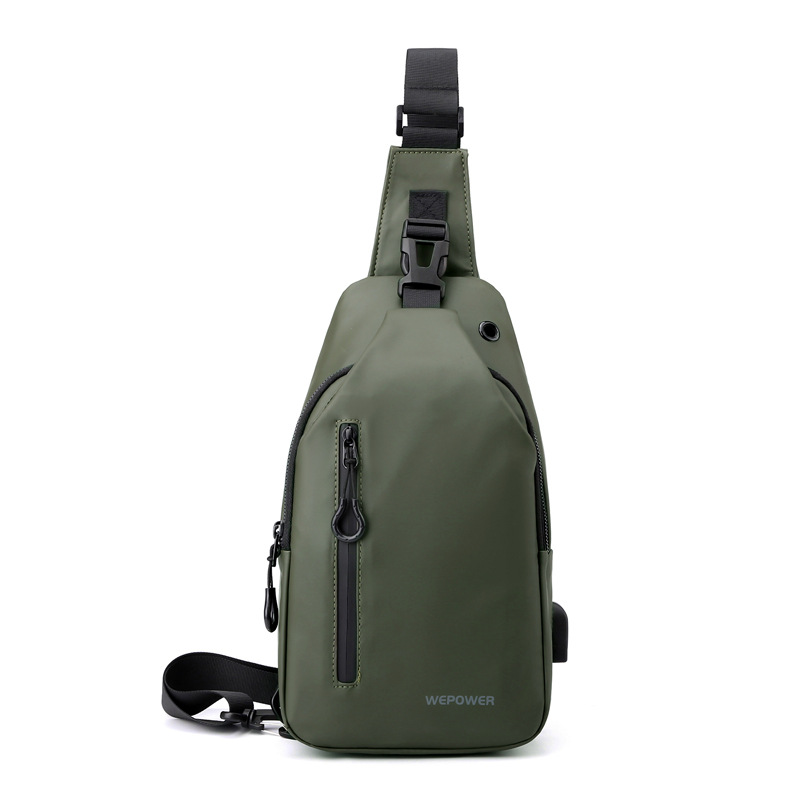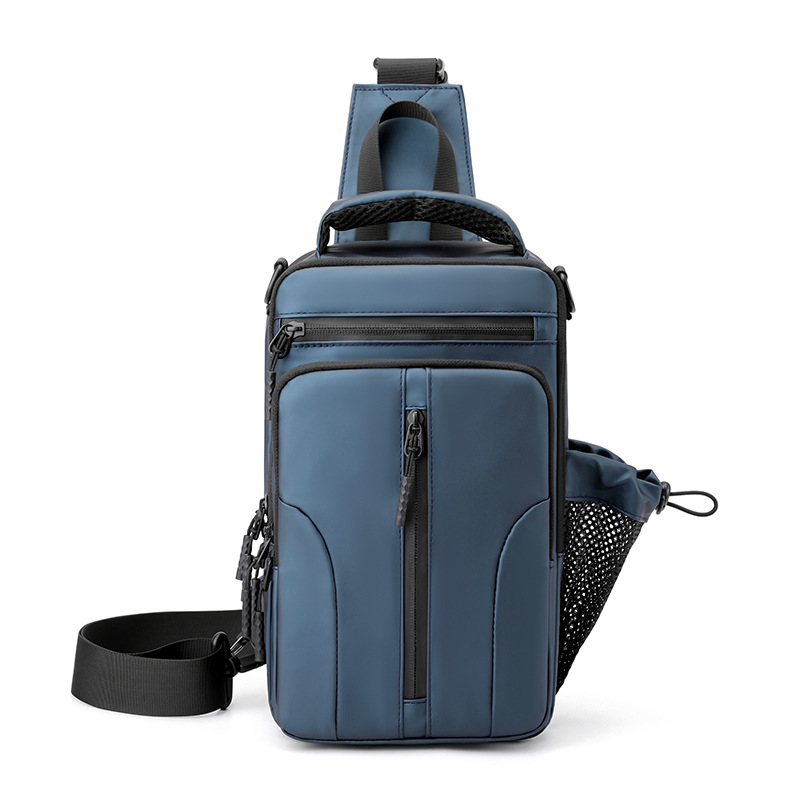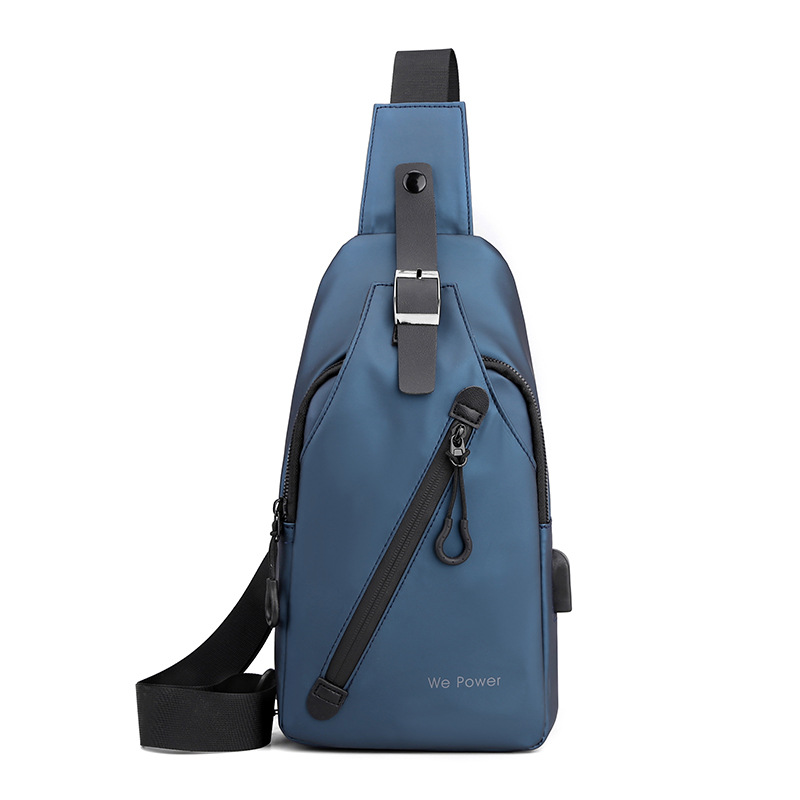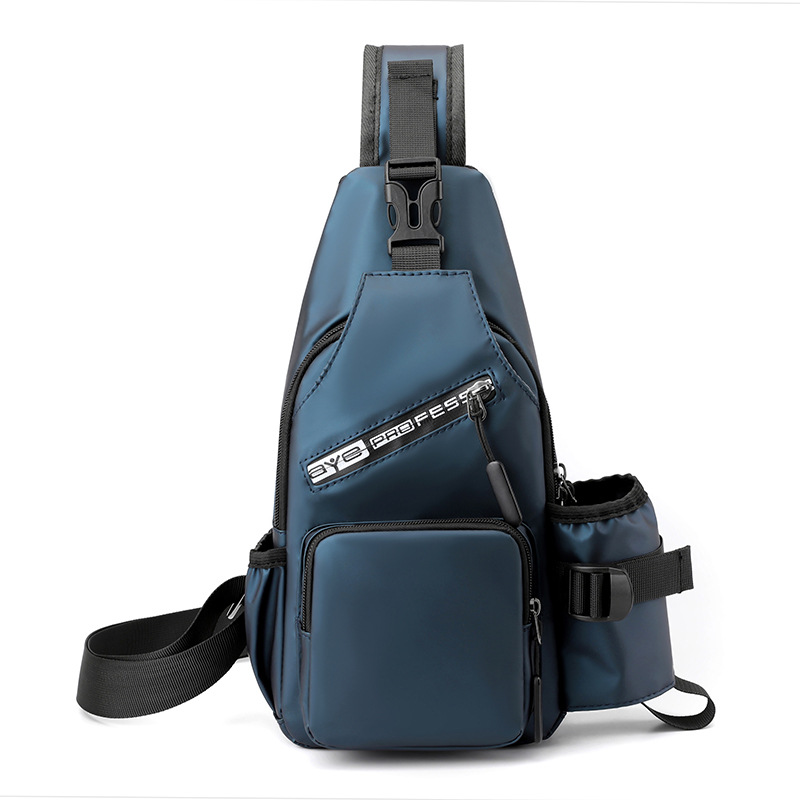
Why the sling bag keeps showing up in product meetings
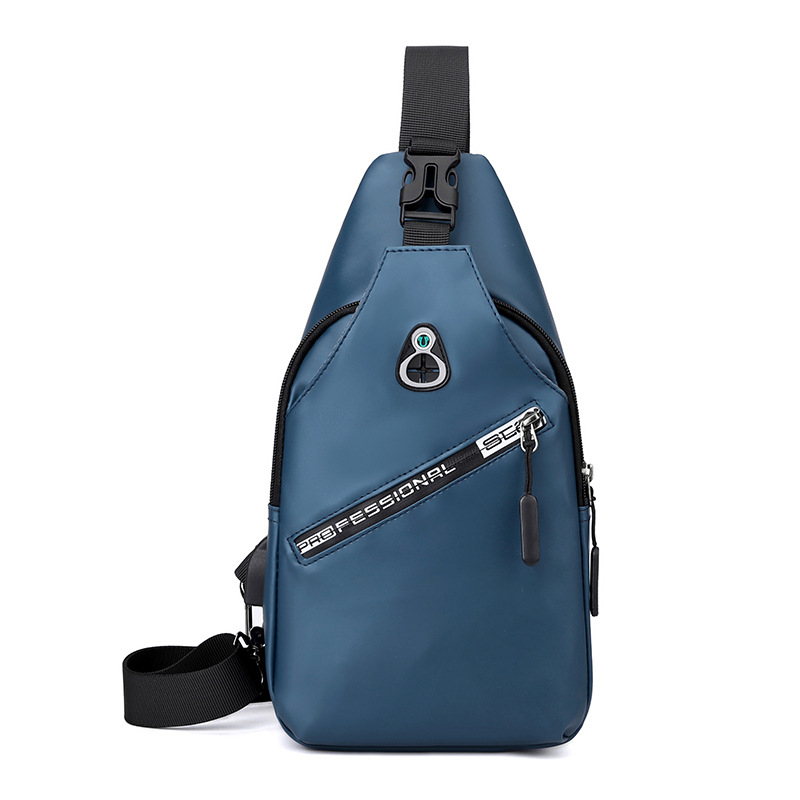
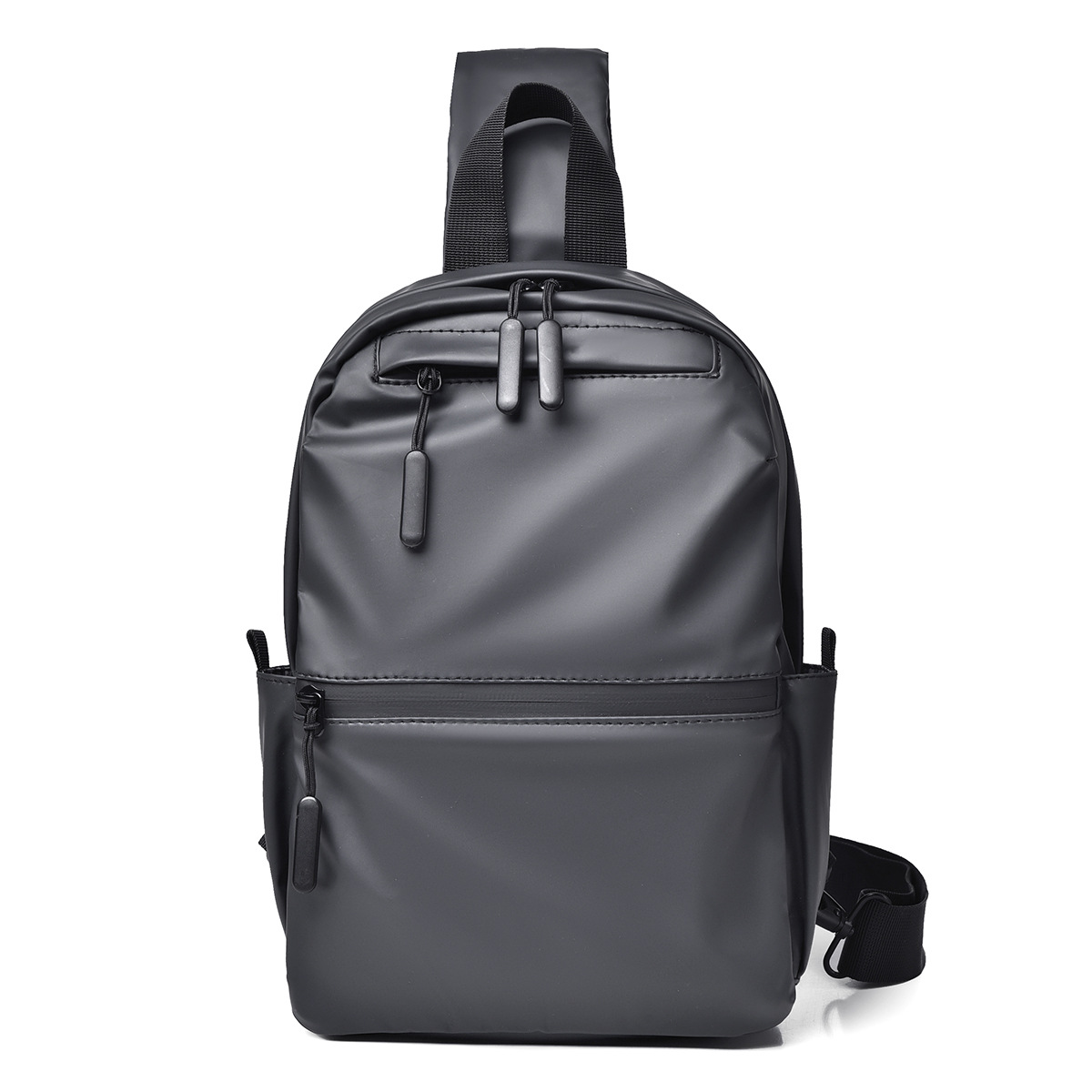
A sling bag sits in a practical middle ground: bigger than a pocket organizer, lighter than a full backpack, and easier to access than a typical tote. For buyers, that makes it a deceptively important item. The wrong shape can feel awkward after twenty minutes. The right one can become a daily carry piece that customers keep using because it solves a small, stubborn problem: where to put phone, wallet, keys, power bank, and a few extras without loading up a coat pocket or hauling a bulky pack.
That is why sourcing teams, product managers, and retail buyers often end up comparing a crossbody bag against a shoulder sling bag rather than treating the category as a simple accessory buy. The details matter more than the label. Strap angle, opening direction, pocket depth, and fabric hand-feel all affect whether the bag feels modern or merely cramped.
What the buyer is really choosing
At a glance, the category looks easy. In practice, a good brief starts with use case. Is the bag meant for commuting, travel, light outdoor movement, or fashion-led retail? A men sling bag often leans toward clean lines, muted colors, and utility pockets. A women sling bag may be judged more on silhouette, styling, and the balance between compact size and usable storage. A unisex sling bag has to do both jobs without looking bland.
The most common sizing choice is between a small sling bag and a mini sling bag. That distinction sounds minor, but it changes the product completely. A small sling bag can usually accept a phone, slim wallet, keys, earbuds, and a few flat items. A mini sling bag may fit the essentials only, which can be fine for events, errands, or fashion-driven collections, but it limits day-to-day usefulness. Buyers who skip this decision often end up with samples that look good on a bench and disappoint once loaded.
Materials and construction that affect performance
For a sling bag, the shell fabric is only part of the story. The strap, zipper, lining, stitching, and hardware often decide whether the product feels reliable or disposable. Lightweight polyester and nylon are common because they keep the bag low in weight and are usually easier to shape. Canvas gives a more casual look and can support a rugged retail story, though it may carry more bulk. Synthetic leather can raise the perceived value, but it also brings its own concerns around creasing, finish consistency, and long-term wear.
From a manufacturing perspective, buyers should pay close attention to stress points. Strap anchors, zipper ends, and corners on front pockets are the places where trouble starts. If the bag is supposed to be worn across the chest or over one shoulder, the load path matters. A strap that twists easily or hardware that digs into the body can turn an otherwise good design into a return item.
There is also a practical aside that gets missed in early sample reviews: the opening direction. Some users prefer a top or side opening that lets them reach the main compartment without removing the bag. Others care more about anti-theft positioning or easier access while walking. That choice should match the end user, not the mood board.
Design features that make a difference in daily use
Organization without overcomplication
Internal dividers, zip pockets, and quick-access front slots help, but too many compartments can make a compact bag feel fussy. The best layout is usually the one that protects the main compartment while leaving one or two obvious places for high-frequency items. If the bag is intended as a travel companion, a hidden pocket or rear pocket can be useful. If it is meant for commuting, a dedicated phone slot may be more valuable than another decorative panel.
Comfort and strap behavior
Comfort is where many styles fall apart. A strap that is too narrow will bite into the shoulder. A strap that is too wide can look clumsy on a compact body. Adjustable length is expected, but adjustability alone is not enough. Buyers should look at how easily the hardware slides, whether it holds position, and whether the strap stays flat after repeated movement. For a unisex sling bag, this becomes even more important because fit expectations vary widely across users.
Closing systems and security
Zippers are still the default choice because they are simple and familiar. Magnetic closures or flap styles can add style, but they may not suit every use case. If the bag is positioned as city carry or travel wear, the closure should feel secure without becoming annoying. That balance sounds small, yet it often decides whether the final customer considers the product thoughtful or merely decorative.
Common sourcing mistakes
One mistake is overestimating capacity. A sample may hold more than the final customer wants to carry, and once the bag is overstuffed it loses its shape. Another is treating aesthetics as separate from function. On a sling bag, the silhouette and the load behavior are linked. A sharp profile looks better on a shelf, but if the gusset depth is too shallow, the bag becomes hard to use.
Another common issue is ignoring the closure and strap hardware until late in development. Those parts can affect both cost and perceived quality. A slightly better zipper pull or a smoother buckle can lift the entire product. That may not sound dramatic, but in this category it often is.
How to evaluate samples with a realistic eye
When reviewing samples, test the bag loaded, not empty. Put in the items the target customer will actually carry. Walk with it. Swing it around. Open it one-handed. If the product is meant to function as a shoulder sling bag, check whether it stays stable when the wearer bends or reaches. If it is aimed at a more fashion-forward buyer, inspect the silhouette after filling, because many compact accessories look clean only when untouched.
Also check stitching around the most visible seams. A neat exterior is useful, but weak reinforcement at the base or strap joints will cause problems later. Buyers sometimes focus on the front panel because that is what sells the product. The hidden stress points are what keep it selling.
Practical buyer advice for retail and sourcing teams
If the goal is broad appeal, start with a unisex sling bag design in a neutral color range and one or two clearly different sizes. If the goal is trend-led retail, choose a stronger visual direction and make sure the bag still works in daily use. For e-commerce, image clarity matters: customers need to understand scale quickly, because a small sling bag can appear larger or smaller than expected depending on the model and styling.
Before placing volume orders, align the design brief with the actual use case. A commuter product needs different details than a festival accessory. A travel-focused sling bag needs more secure storage than a fashion piece. The better the brief, the fewer surprises at production approval.
Questions buyers ask before committing
Is the bag meant to be compact or genuinely carry daily essentials? Will the customer wear it across the chest, over one shoulder, or switch between both? Does the fabric support the brand position? Are the zippers and strap hardware consistent with the price band? Those questions are simple, but they are the ones that prevent expensive rework.
For teams comparing formats, the decision often comes down to whether the product should behave more like an accessory or more like a utility item. A sling bag can be either, but it should not try to be both in a confused way.
What to do next
If you are sourcing this category, define the user first, then the carry load, then the look. That order saves time. Once those points are clear, a good sample review becomes much easier, and the final product is far more likely to feel intentional instead of generic. In this market, that difference is usually the one customers notice first.