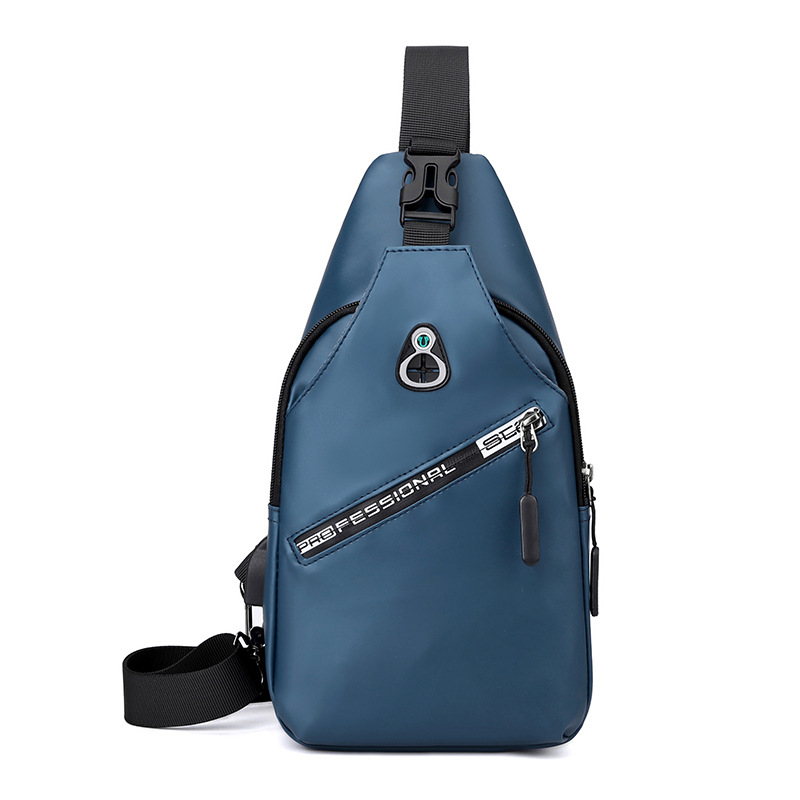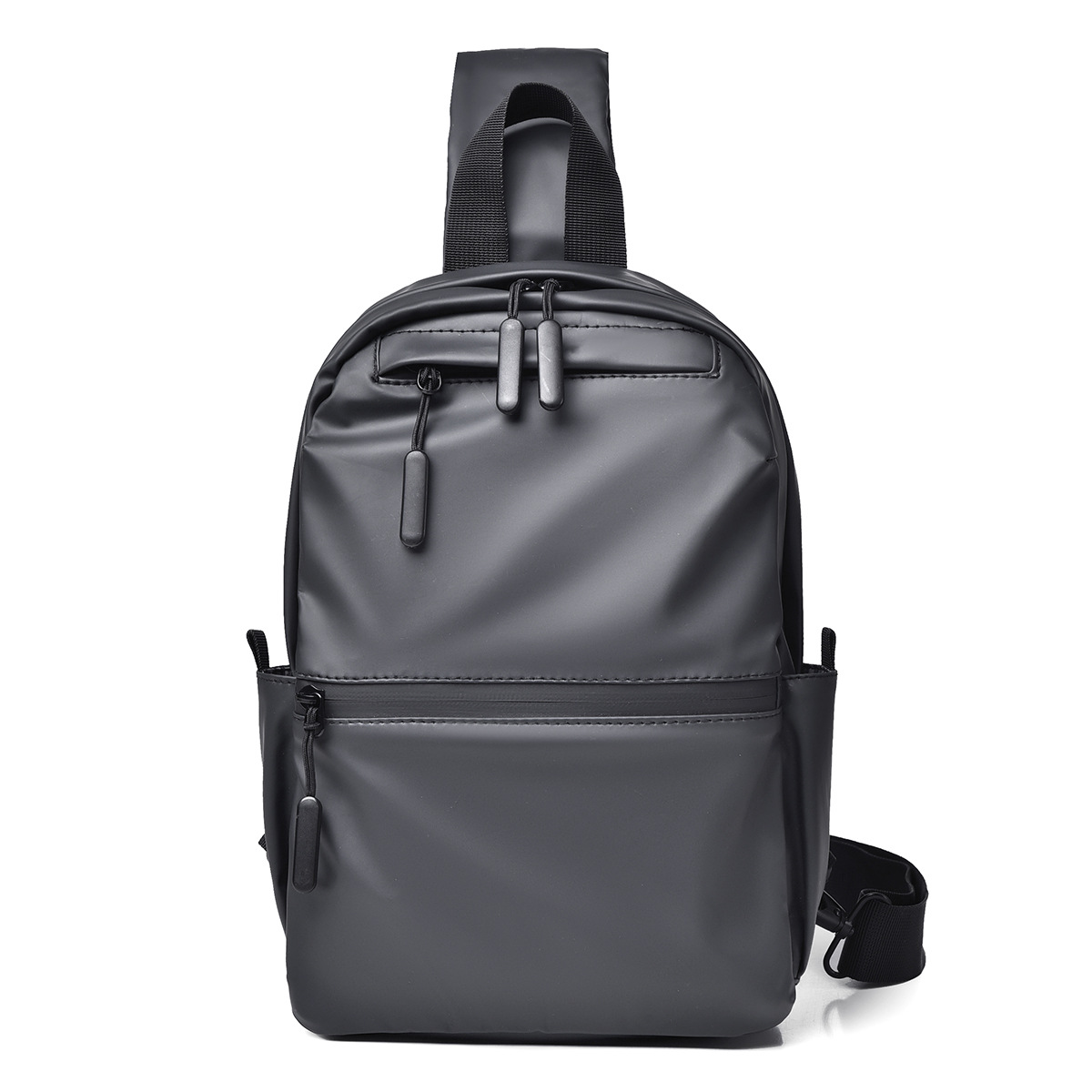
What a sling bag solves for today’s buyers
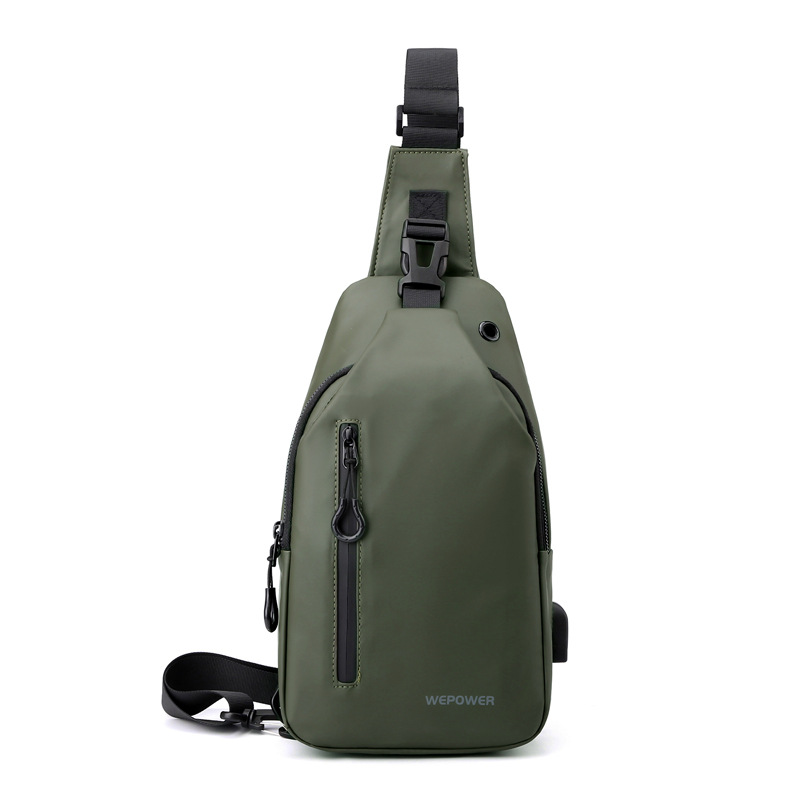
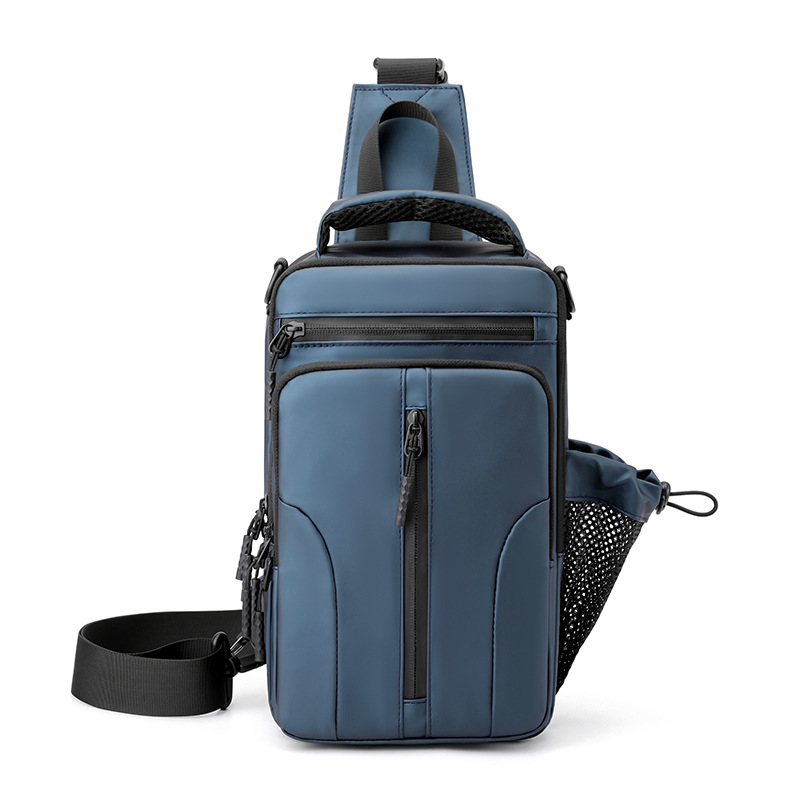
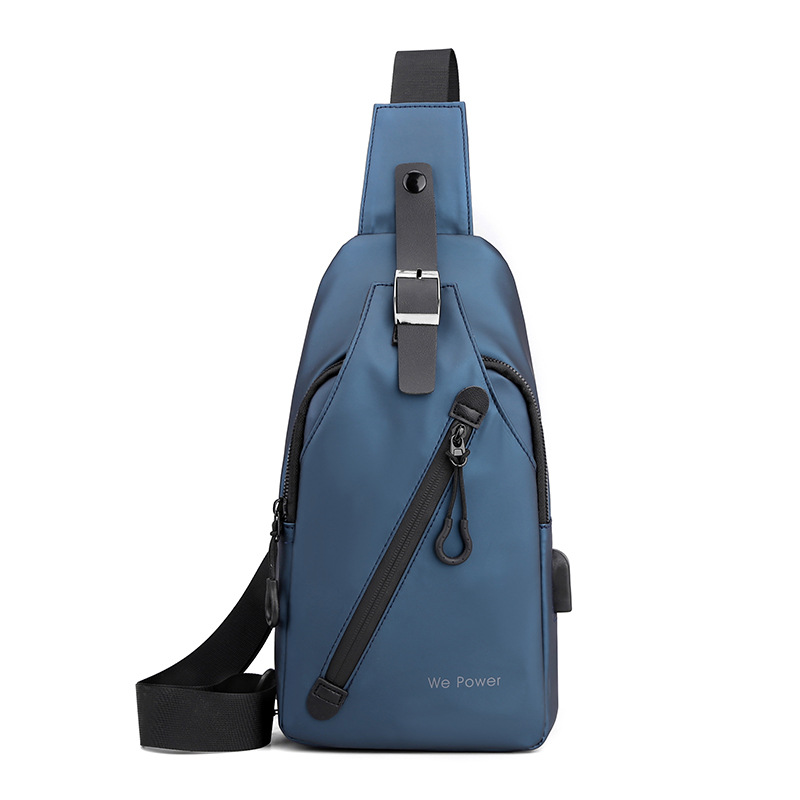
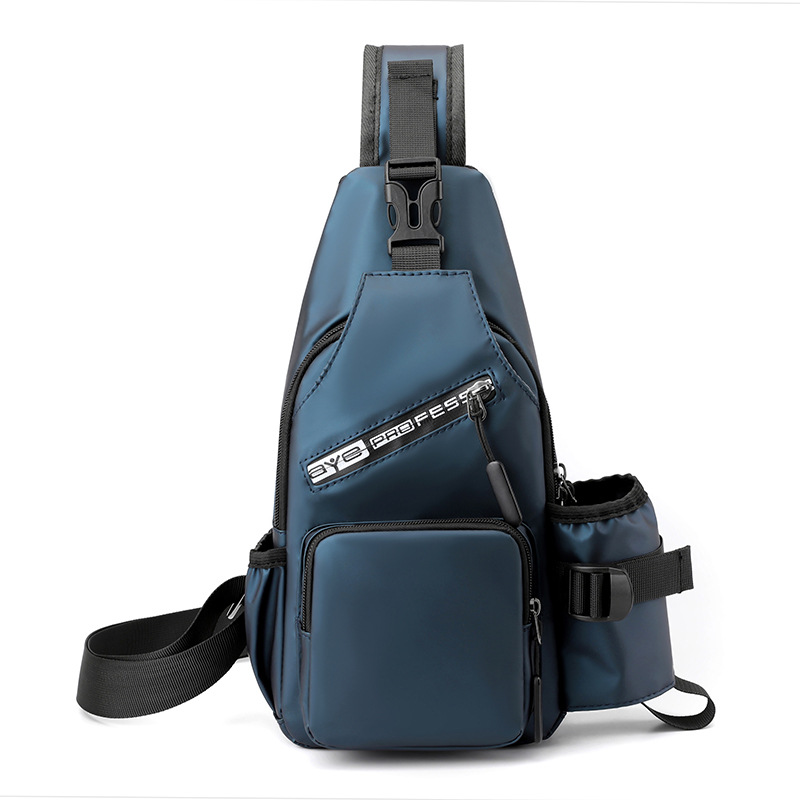
A sling bag sits in a useful middle ground between a backpack and a pocketed jacket: enough space for daily carry, but compact enough to stay out of the way. For commuters, travelers, retail buyers, and product teams building accessory lines, that balance is the whole point. The bag should hold essentials, move easily with the body, and still feel acceptable in professional or casual settings. When a design misses that balance, it usually shows up fast in customer complaints about weight, strap comfort, awkward access, or poor organization.
That is why the buying decision is less about style alone and more about use case. A messenger sling bag may suit a city commute, while a travel sling bag often needs better security and quicker access. A shoulder sling bag can work for short carry periods, but crossbody positioning usually improves stability and comfort. The details matter more than the label on the hangtag.
Quick reference: what buyers should compare first
Before settling on one model, most buyers should compare a few practical traits: capacity, strap adjustment range, pocket layout, closure type, and material performance. A waterproof sling bag may be worth the extra cost for outdoor use or travel in wet climates. An anti theft sling bag is usually defined by features such as hidden zippers, more secure pocket placement, or harder-to-reach openings, though the real value depends on how well those features are executed.
For premium retail programs, a leather sling bag can raise perceived value, but leather also changes the maintenance expectations and the final weight. That makes it a stronger fit for fashion-led or executive lines than for heavily mobile users. In short, the “best” option is the one that matches the carrier’s routine, not the one with the longest feature list.
Common sling bag types and where they fit
Messenger-style sling bags
A messenger sling bag tends to feel familiar to office commuters. It often has a more rectangular profile and can be easier to organize for notebooks, tablets, and cables. The tradeoff is bulk: once overfilled, it can swing more than buyers expect.
Compact crossbody designs
A crossbody bag in sling format is usually chosen for light carry. Think phone, keys, wallet, charger, and a few small extras. This style sells well when a buyer wants a clean silhouette and low visual clutter. The caution here is obvious: if the bag is too small, customers will force it into a role it was never meant to fill.
Weather-ready and security-focused versions
A waterproof sling bag is typically positioned for outdoor use, travel, or daily commuting in variable weather. Buyers should look carefully at seams, zipper construction, and fabric finish rather than assuming that “water-resistant” and “waterproof” mean the same thing. Likewise, an anti theft sling bag should be judged by how comfortably the security features fit normal use. If the bag becomes annoying to access, users may abandon the very features they paid for.
Material and construction choices that affect performance
Material choice changes almost everything about a sling bag: weight, hand feel, cost, appearance, and durability. Synthetic fabrics are often favored for lighter carry and weather resistance. They can also support more technical features without making the bag feel stiff. Leather, on the other hand, usually appeals to buyers seeking a more refined look, but it requires closer attention to finish quality and long-term care expectations.
Construction details deserve equal attention. Stitch quality around stress points, strap attachment, zipper alignment, and lining durability all influence how the bag performs after repeated use. One practical caution: many sample bags look fine when empty, but seams and strap hardware reveal weaknesses once the bag is loaded and worn for a full day.
Selection criteria that matter to sourcing and product teams
For sourcing managers, the decision is rarely just aesthetic. They need to balance target price, expected durability, material availability, and customer segment. For product teams, the question is how the bag fits into a broader assortment. A small, streamlined model may work for urban retail, while a larger, more structured version may better support travel or workwear positioning.
It also helps to define the intended carry load early. A sling bag designed for small personal items should not be forced into tablet-heavy use without testing strap comfort and body stability. Likewise, a fashion-first style may not survive the rougher treatment of daily commuting. Buyers often discover too late that the market wants “lightweight and sleek,” but still expects it to behave like a much larger bag.
Common mistakes buyers make
One frequent mistake is overemphasizing appearance and underestimating ergonomics. A stylish shoulder sling bag can still fail if the strap digs in or the opening sits awkwardly against the body. Another is treating security and weather claims too casually. Terms like anti theft sling bag and waterproof sling bag should trigger questions, not assumptions.
Another common issue is poor pocket planning. Too few compartments frustrate users; too many can make the bag feel fussy. The best layouts are usually simple and purposeful, with one or two quick-access zones and a secure compartment for valuables.
Buyer advice for better purchasing decisions
If you are evaluating a sling bag for retail or private label development, start with the user scenario, then test the product against it. Walk the bag through a commute, a short trip, or a crowded public setting. Check how it sits when worn, how easily the zipper opens one-handed, and whether the strap stays comfortable after real movement.
For branded programs, ask for material and hardware consistency across samples. Color variation, zipper feel, and strap finish can affect how a line is perceived on shelf even when the basic pattern is sound. These details are often boring to discuss and expensive to ignore.
FAQ
Is a sling bag better than a backpack?
For light carry and quick access, often yes. For heavier loads, a backpack usually distributes weight better.
What is the best sling bag for travel?
A travel sling bag usually works best when it balances security, easy access, and enough space for essentials without becoming bulky.
Are leather sling bags practical?
They can be, especially for style-led or office-oriented use, but they are usually less forgiving than synthetic options in wet or rough conditions.
Next step for buyers and product teams
If you are sourcing a sling bag line, define the carry scenario first, then compare materials, security features, and construction quality against that scenario. That simple discipline prevents a lot of mismatched purchases. It also gives you a cleaner brief when you move from sample review to production planning.