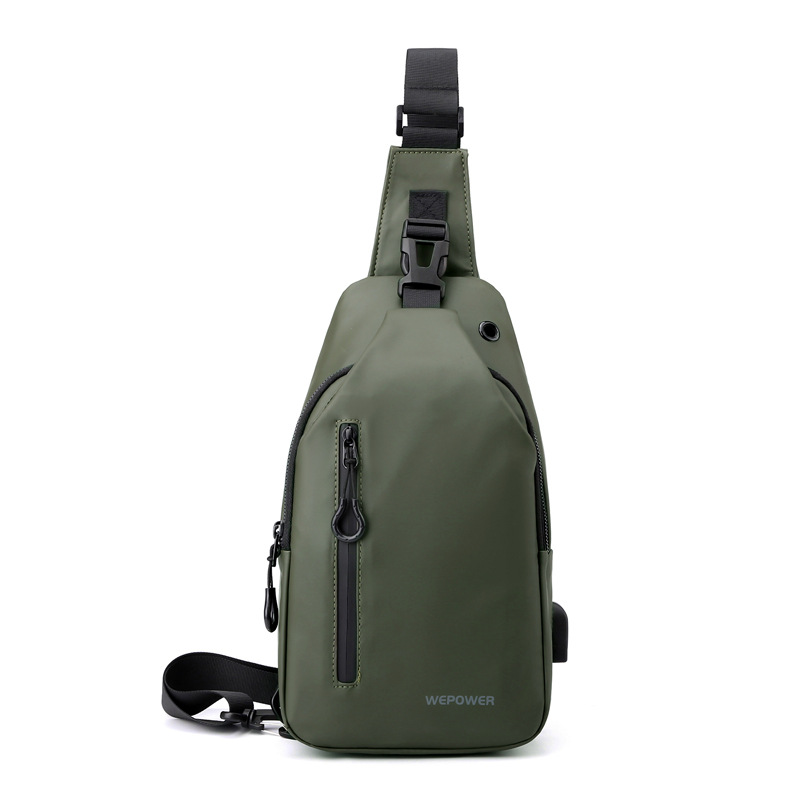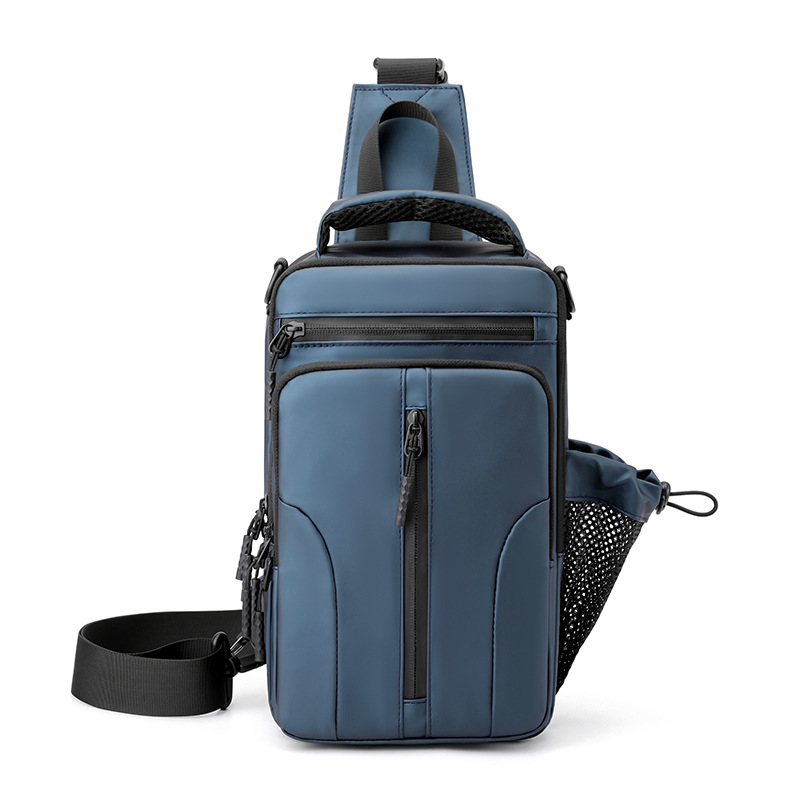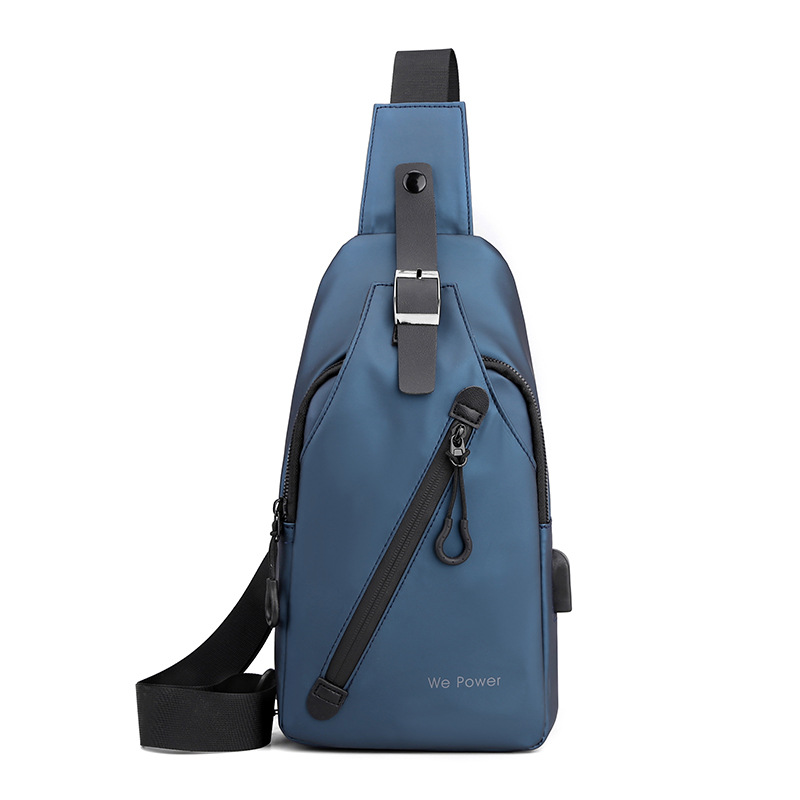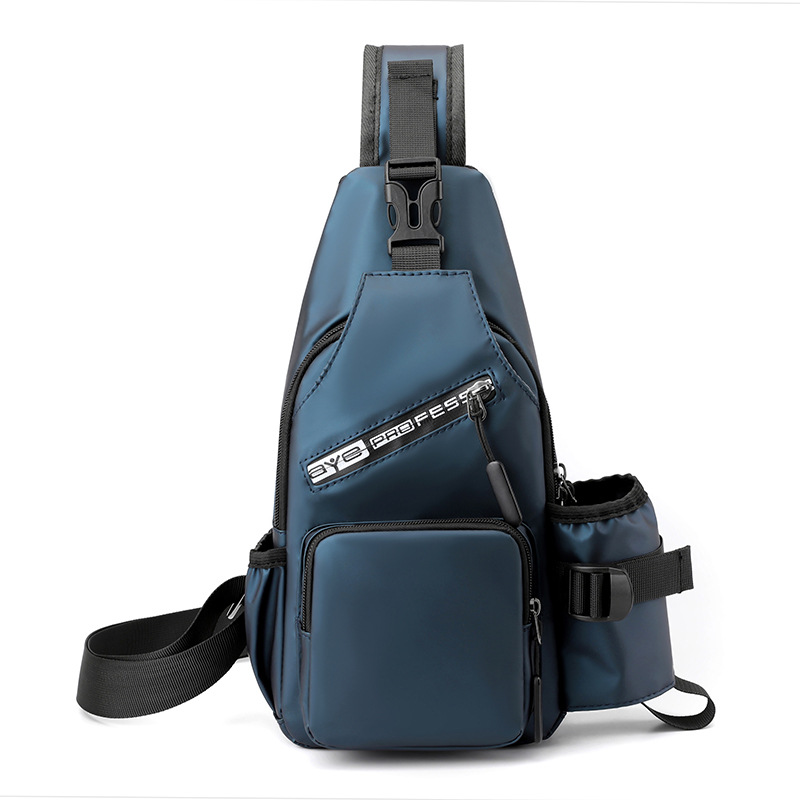
Why the sling bag keeps showing up in buying briefs
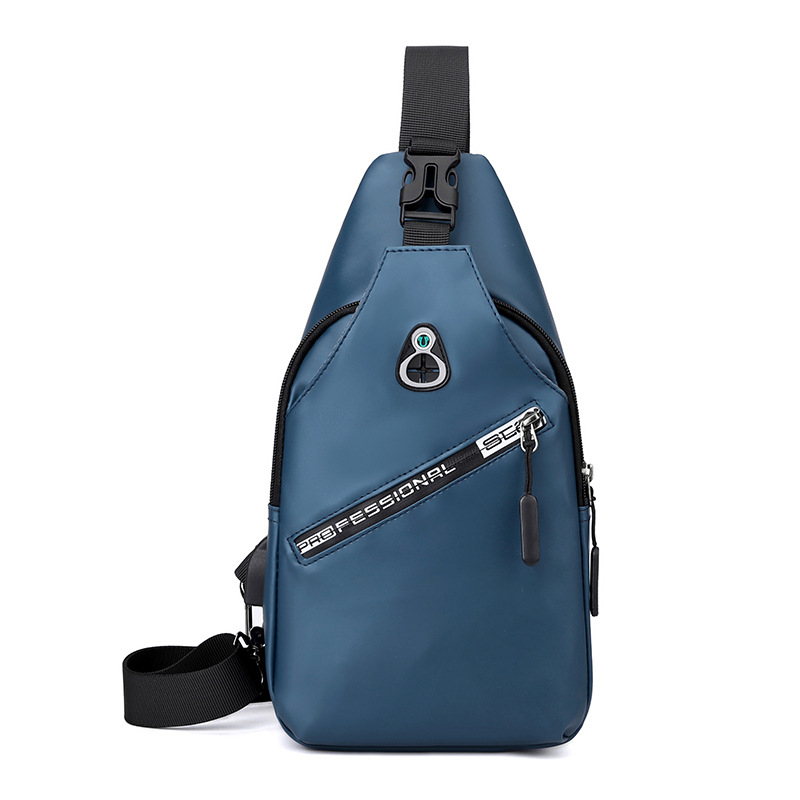
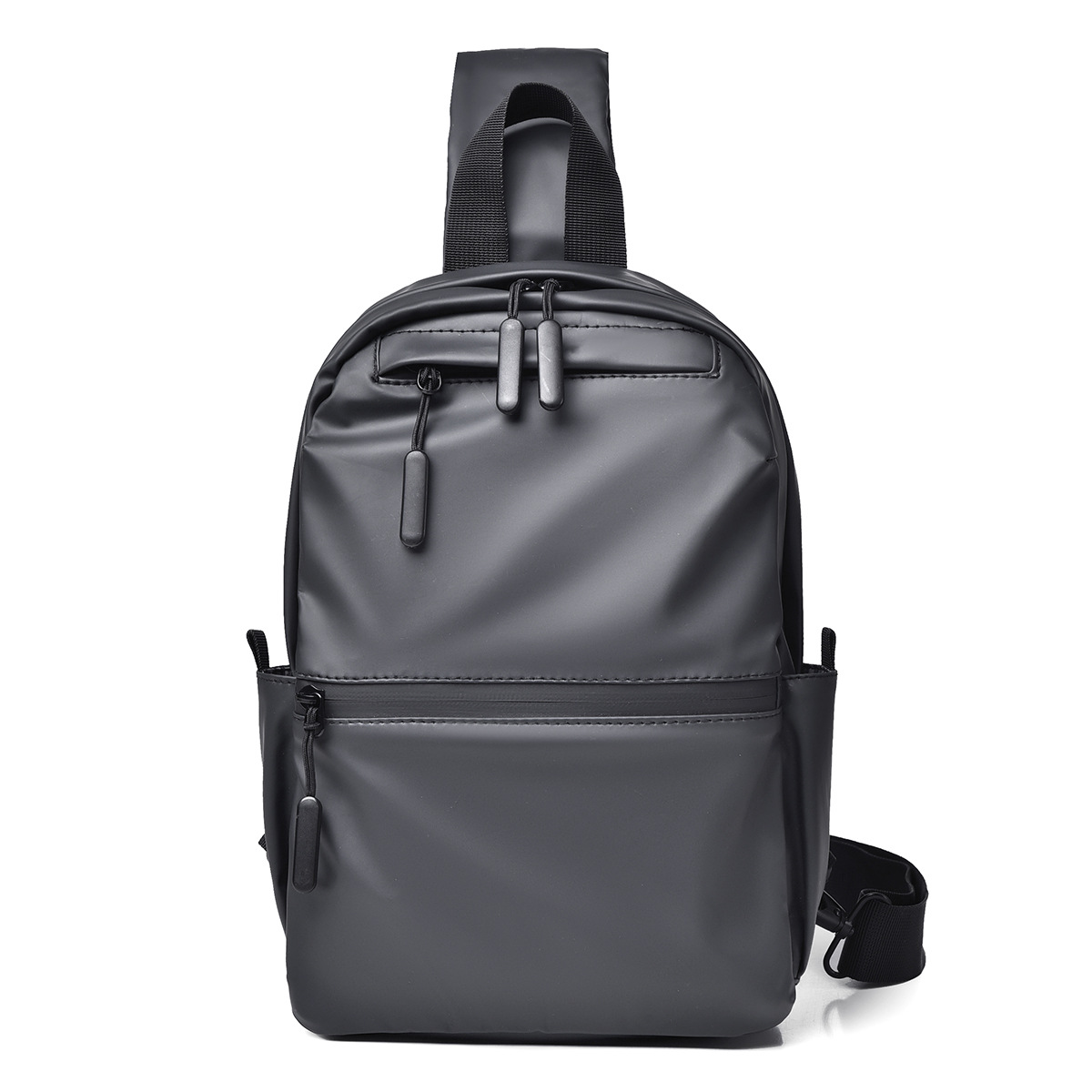
A sling bag sits in a practical middle ground: larger and more organized than a pocket pouch, less bulky than a backpack, and easier to move through crowded streets than a traditional shoulder bag. That is why it keeps appearing in retail lines, corporate gifting catalogs, and accessory collections aimed at commuters and travelers. For sourcing teams, the real question is not whether the format sells. It is which version of the sling bag fits the target user, price band, and construction level without creating avoidable returns or durability complaints.
Buyers often use the term loosely. In the market, it can mean a compact crossbody bag, a more structured messenger bag, or a small sling bag built for essentials only. That overlap matters because pattern shape, strap geometry, and pocket layout change the way the product wears, how it is packed, and how it is manufactured.
What buyers usually need the product to do
The appeal is straightforward. A sling format should hold daily carry items, stay stable while moving, and allow quick access without taking the bag off completely. For city use, that might mean a phone, wallet, keys, earbuds, and a small charger. For travel, the load may expand to include a passport, power bank, and a compact water bottle. For brand teams, the style also has to look current enough to support repeat demand rather than feel like a one-season novelty.
That combination of utility and style is why the category spans both men’s sling bag and women’s sling bag merchandising. In practice, many successful products are unisex sling bag designs with adjusted colorways, strap length ranges, and pocket placement rather than heavily gendered construction.
Key construction choices that affect performance
Shape and wearing position
The silhouette affects comfort more than many first-time buyers expect. A crossbody bag in sling form usually rides across the chest or back, so the strap angle and panel curvature need to support body movement. If the body is too boxy, it can dig in at the ribs. If it is too soft and unstructured, the contents may collapse and look sloppy once filled. A messenger bag style, by comparison, usually offers more volume and a flatter front, which can be useful for documents or larger daily carry items.
Fabric and surface finish
Common material choices include nylon, polyester, canvas, and coated fabrics. Nylon and polyester are often favored for light weight and easy cleaning. Canvas can bring a more casual look, though it usually needs stronger sewing discipline to keep seams neat and durable. Coated surfaces can add water resistance, but the coating quality and hand feel should be checked carefully. A cheap finish may crack or look tired after limited use, which is a poor trade-off even at a lower purchase price.
Straps, buckles, and hardware
The strap is not just an accessory; it is a load-bearing component. For a sling bag, webbing width, adjuster smoothness, swivel hardware, and buckle reliability all influence the user experience. A strap that twists easily or slips under load can make the product feel far cheaper than it is. If the bag is meant to be worn for long periods, padding and edge finishing deserve attention. They may not be the flashiest features, but they are the ones that keep the product from becoming annoying after two weeks.
How to choose the right version for your market
Start with the use case, not the trend photo. If the customer needs daily urban carry, the best fit may be a compact small sling bag with one main compartment and one quick-access front pocket. If the product is aimed at travel, anti-theft zips, hidden pockets, and better strap security may matter more than decorative details. If the bag is being positioned as a premium lifestyle item, stitching consistency, lining quality, and logo execution become more visible than raw capacity.
For many buyers, the challenge is balancing look and function. A highly styled shoulder bag can be attractive on a shelf but awkward in motion. A purely utilitarian design may be easy to make, yet it can struggle in consumer channels where aesthetics drive the first sale. The strongest products usually solve both sides without overcomplicating the pattern.
Common sourcing mistakes
One common mistake is underestimating storage expectations. A bag that looks compact in photos can disappoint if the main compartment cannot handle real-world items like a sunglasses case or compact charger. Another is neglecting strap adjustability. Different body types wear sling products differently, and a narrow adjustment range can turn into a return issue fast.
Another trap is overbuilding. Some teams add too many pockets, zippers, and decorative parts because they want the product to appear feature-rich. The result is often a heavier bag with a cluttered interior and more sewing operations than the margin can support. Simpler can be better, provided the essentials are done well.
Practical buyer advice before sampling
Before approving a sample, ask how the bag is meant to be carried, not just what it looks like on a mannequin. Check whether the opening is wide enough for the intended items. Look at zipper pull size if the bag will be used outdoors or with gloves. Pay attention to lining color, because dark interiors can make small items hard to find. It sounds minor until a customer is fishing for keys in low light and blaming the product.
If your target audience is broad, a unisex sling bag with restrained branding and versatile color options usually gives more room for distribution across channels. If the line is segmented, then men’s sling bag and women’s sling bag variants can differ in strap feel, pocket layout, or decorative direction without changing the core pattern too much.
FAQ: short answers buyers ask often
Is a sling bag the same as a crossbody bag?
Not exactly. The terms overlap, but a sling bag often implies a body-hugging shape and a single-strap carry style, while a crossbody bag may be broader in form and use.
When does a messenger bag make more sense?
Choose that direction when the user needs more structured storage, documents, or a flatter profile for commuting.
What is the safest first order for a new program?
A simpler silhouette with limited hardware usually reduces sampling risk. From there, teams can test market response before adding more features.
What to do next
If you are building a new accessory line, define the carrying scenario first, then match the structure, fabric, and strap system to that use. A good sling bag does not try to be everything at once. It is compact, easy to wear, and honest about what it can hold. That clarity is what makes it easy to source, easier to sell, and less likely to generate complaints after launch.