What buyers actually need from a waist bag
A waist bag is one of those products that looks simple until you have to specify it for real use. For sourcing teams, product managers, and private-label buyers, the question is not just whether the bag can hold a phone and keys. It is whether the format supports fast access, stays comfortable in motion, and holds up after repeated zipper use, strap adjustment, and everyday abrasion. That is why the humble fanny pack keeps showing up in travel, outdoor, workwear, and casual carry programs.
The version described here is a compact, soft-bodied belt pouch with multiple exterior compartments, a wide webbing strap, and a structured yet flexible rectangular shape. It is the kind of piece that fits between fashion and utility. That crossover matters, because a buyer usually has to decide whether the product should read as an accessory, a travel item, or a practical hands-free storage solution.
Why this format still sells
People use a waist bag for the same reason they use any good small-carry product: they want the essentials close, secure, and out of the hands. The difference is in how the load is distributed. Worn at the waist or across the hip, the bag can reduce pocket bulk and make small items easier to separate. A crossbody waist bag can also free up the upper body for cycling, walking, commuting, or field tasks.
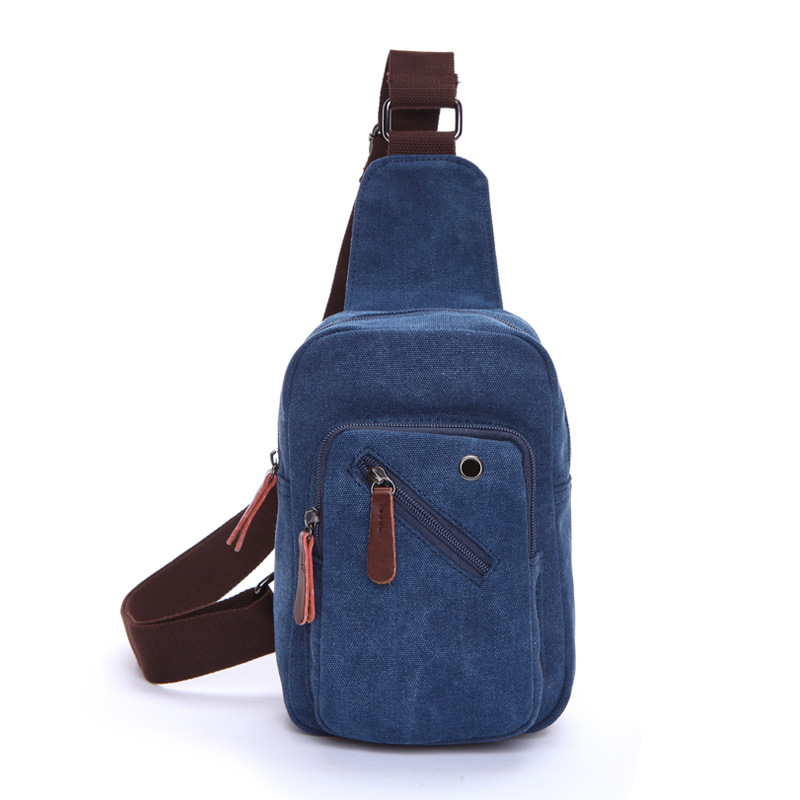
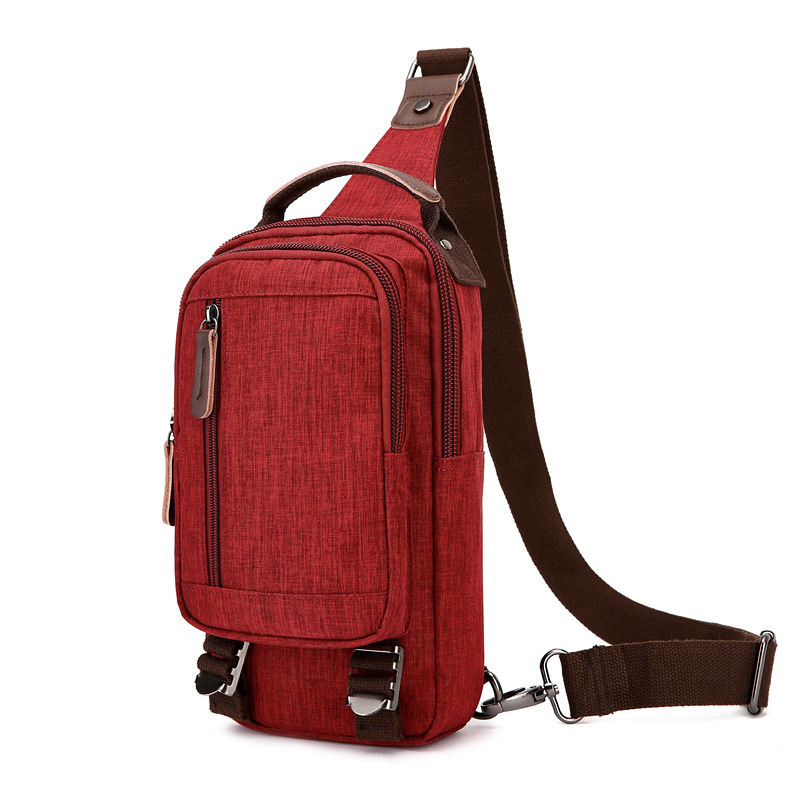
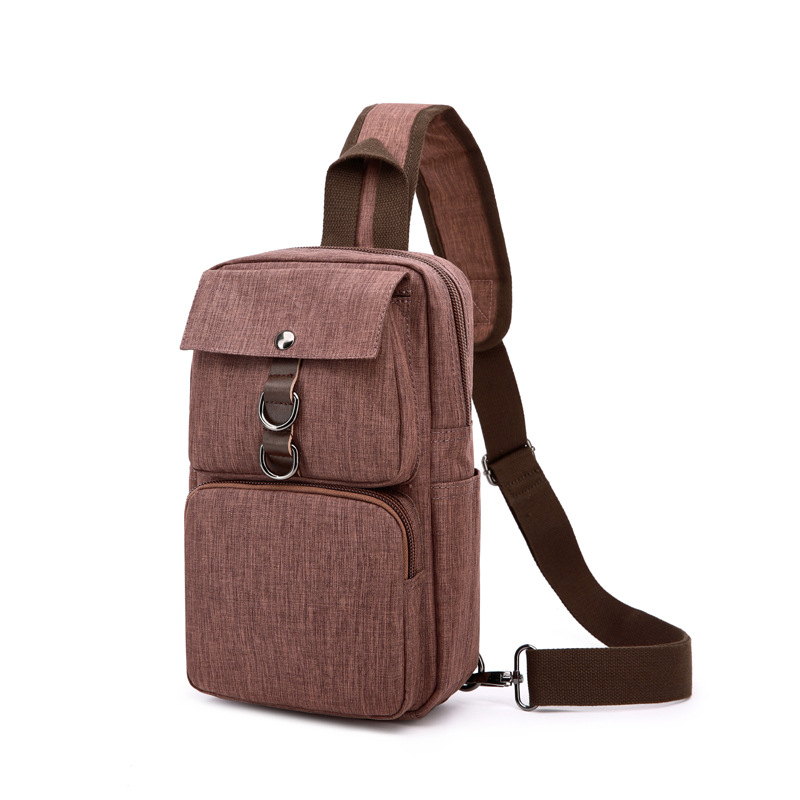
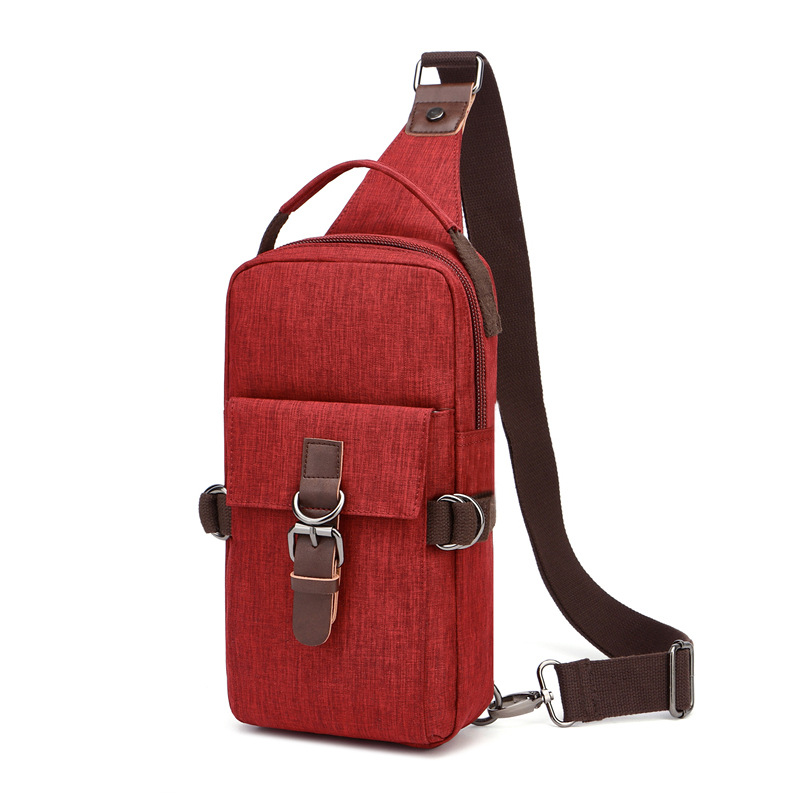
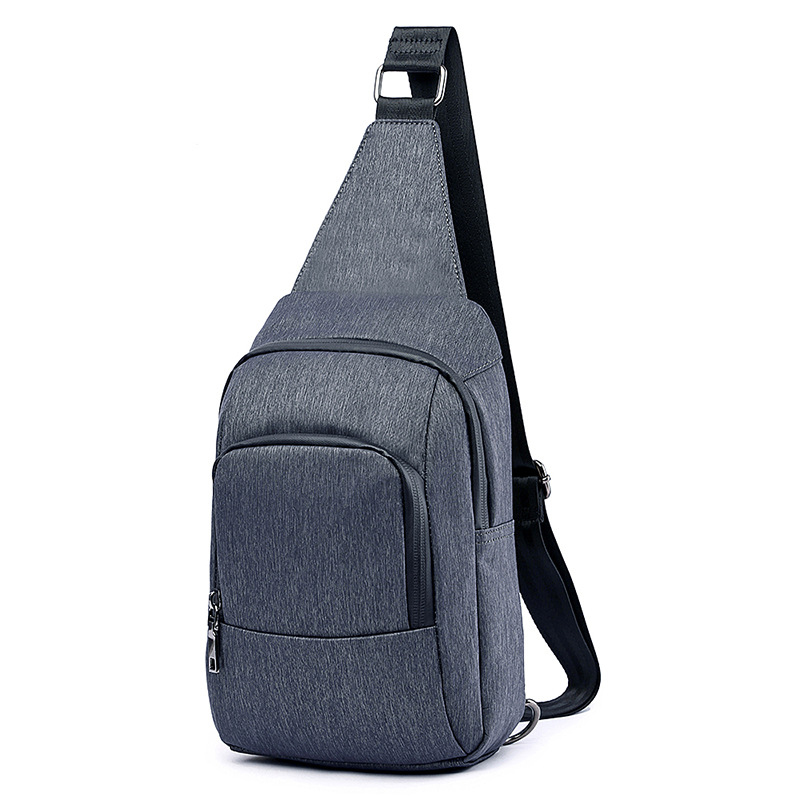
The visible construction details suggest a bag designed around organization rather than single-compartment storage. At least three zippered storage areas are visible, along with a snap-flap pocket. That kind of layout is useful for separating a phone from keys, paperwork from tools, or personal items from outdoor gear. For buyers, this is a practical signal: compartment count often matters as much as volume.
Material and build: what can be inferred, and what cannot
The product appears to use a woven textile with a matte, slightly textured surface. One version is shown in a brown/tan fabric, while another uses a camo-patterned woven textile in brown, tan, black, and white tones. The strap is wide webbing with a plastic buckle, and the closures use zipper pulls that look metal-like at a glance. That said, exact fiber content is not confirmable from the image, so it would be unwise to label it as nylon, polyester, or a specific canvas blend without supplier confirmation.
This is a normal caution in bag sourcing. A bag can look like canvas and still perform more like coated synthetics, or the reverse. If the end market expects a waterproof waist bag, the buyer should ask directly about coating, seam behavior, and zipper protection rather than relying on surface appearance alone.
Common construction features to check
Stitched seams and pocket attachment points
Zipper installation quality and pull durability
Strap reinforcement where the webbing joins the body
Flap-pocket snap alignment and retention force
Body stiffness, especially if the bag is meant to keep its shape when loaded
How to choose between style-led and utility-led versions
A leather fanny pack, for example, usually targets a different shopper than a camo textile utility pouch. Leather reads cleaner and more premium, but it may not suit rough outdoor handling as well as a textile build. A unisex waist bag sits somewhere in the middle: broad enough for general retail, but only if the proportions and colorways are kept neutral enough to avoid narrowing the audience.
For outdoor or travel programs, buyers should look for a few things first: easy zipper access, secure closures, and a strap that adjusts smoothly without slipping. For fashion-led programs, finish and silhouette matter more, though compartment layout still affects customer satisfaction once the bag is actually worn.
What to watch for before placing an order
The most common mistake is treating all small belt bags as interchangeable. They are not. A compact bag with several pockets may be excellent for daily carry, but if the zipper openings are too tight or the pocket volumes are shallow, users will complain that the product is organized on paper and annoying in practice.
Another quiet issue is load behavior. A small waist bag can feel great empty and awkward once packed with a phone, wallet, charger, and keys. Buyers should ask how the bag sits when partially filled, whether it swings when worn crossbody, and whether the strap hardware stays secure under movement. These are small details, but they decide whether the product gets worn often or sits in a drawer.
FAQ for sourcing and product planning
Is this bag only for casual wear?
Not necessarily. The construction and pocket layout make it suitable for travel, hiking, cycling, and light workwear use, depending on the final material package.
Is the bag waterproof?
That cannot be confirmed from the available information. Buyers should request coating and seam details if water resistance is required.
Can this design be repositioned as a crossbody waist bag?
Yes, if the strap length and buckle configuration support that wear mode. Many buyers now expect both waist and crossbody use.
What does the visible layout suggest?
It suggests a product built around organization, not just storage volume. That is often a selling point for travel and everyday carry programs.
Where the product fits best
This kind of waist bag is best suited to buyers looking for a compact, hands-free carrier with multiple access points and a straightforward sewn-textile build. It is not trying to be a laptop bag or a heavy-duty tool pouch. Its value is in convenience, light utility, and easy wear.
If you are evaluating a similar bag for a catalog, private label line, or retail assortment, the next step is to define the use case first. That one decision will tell you whether to emphasize fabric, hardware, styling, or compartment design. After that, the product spec tends to write itself.