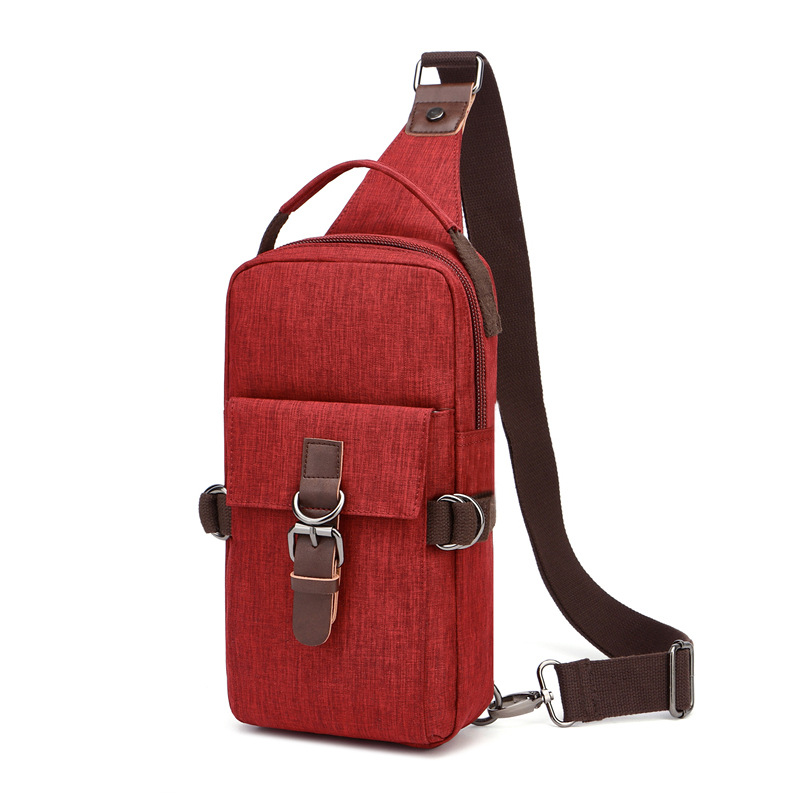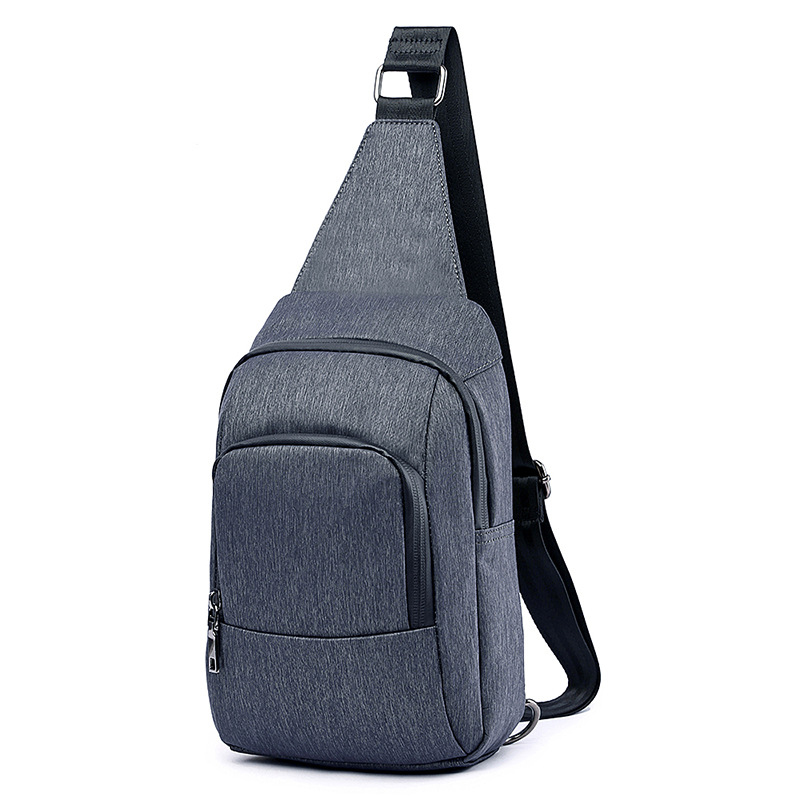
Sling Bag Buying Guide: What Matters Before You Place an Order
A sling bag looks simple at first glance, but sourcing one for retail, private label, or promotional use is where the details start to matter. A good sling bag has to do a few jobs at once: carry enough for daily use, sit comfortably across the body, hold up to repeated wear, and still look current on a shelf or in a product listing. For buyers comparing styles such as a crossbody bag, shoulder sling bag, or travel sling bag, the real decision is not only about appearance. It is about fit, function, materials, and the customer you expect to wear it.
That is especially true in a market where customers split into different use cases fast. Some want a casual sling bag for errands and commuting. Others want a men sling bag with a clean, understated profile. Some shoppers want a women sling bag with a slimmer silhouette or more style-led finishing. And then there are buyers looking for a waterproof sling bag or an anti theft sling bag because the product is being positioned around travel and city use. The category is broad, but poor choices tend to show up quickly in returns, complaints, and weak sell-through.
What a Sling Bag Is Best Used For
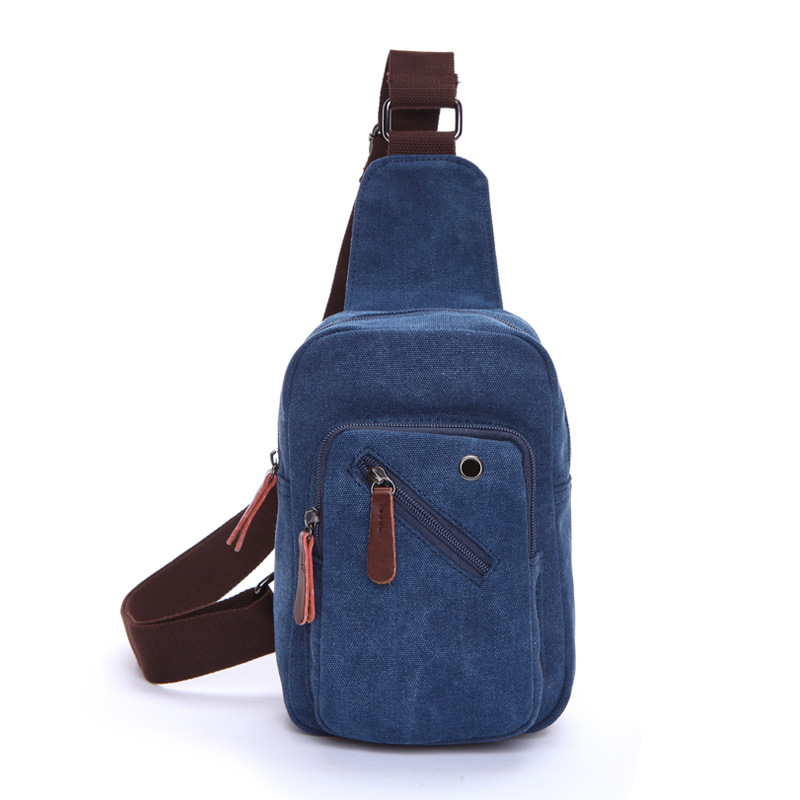
The sling bag sits between a compact day bag and a full backpack. It is smaller, faster to access, and easier to wear in crowded spaces. That is the appeal. For commuters, travelers, and casual users, the format keeps essentials close: phone, wallet, passport, keys, charger, small bottle, or a few personal items. A small sling bag can be enough for minimal daily carry, while larger designs edge toward travel utility.
Buyers should think in use scenarios rather than just dimensions. A design that works for sightseeing may feel awkward for urban commuting. A model that sells well as a casual sling bag may not satisfy buyers who want more internal organization or security features. The product brief should define the expected load before the first sample is approved.
Key Construction Details to Check
Material and surface finish
Material choice changes almost everything: perceived quality, weight, weather resistance, cost, and durability. Fabric options often feel more relaxed and lighter, while coated materials can better support a waterproof sling bag position. If the bag is meant to look premium, buyers should pay attention to texture, hand feel, and how the material creases after use. A slick finish may photograph well but show wear faster than expected.
Strap design and carry comfort
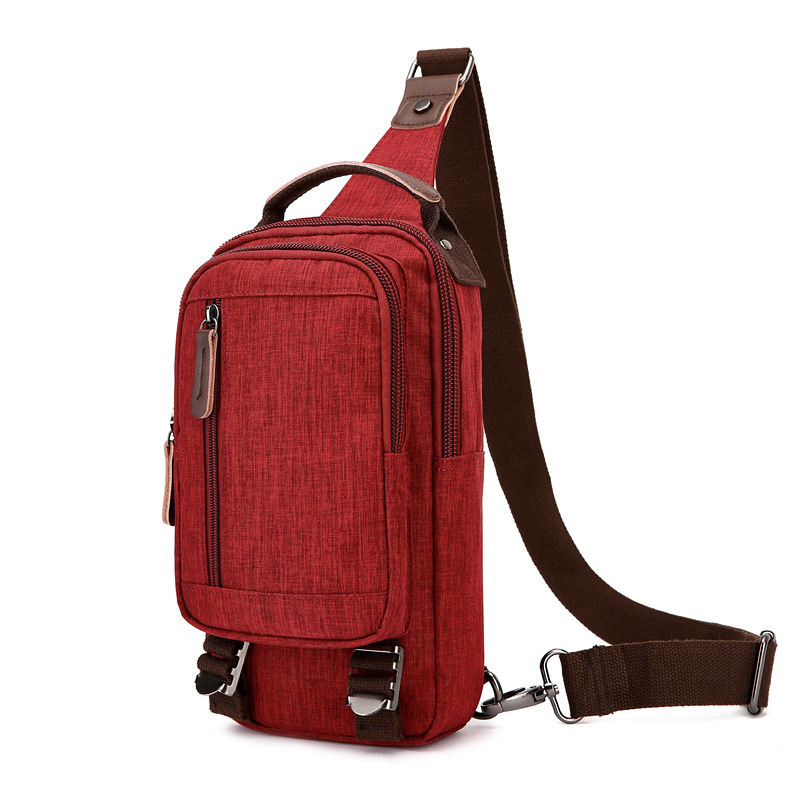
The strap is not a minor component; it determines whether the bag becomes a daily staple or stays in a closet. Adjustable length matters, but so does width, padding, and how the strap anchors to the body. A shoulder sling bag with a narrow strap may look clean in marketing images and still be uncomfortable after an hour on public transit. That is the sort of issue that does not show up until after launch if teams focus too much on style renders.
Security and access
An anti theft sling bag usually implies some combination of hidden zippers, rear access, RFID-related positioning, or body-facing pockets. Not every consumer needs those features, but when the product is aimed at travelers or dense city environments, they can be a real buying trigger. The practical question is whether the added features improve the user experience or just complicate the bag.
Choosing the Right Style for the Buyer
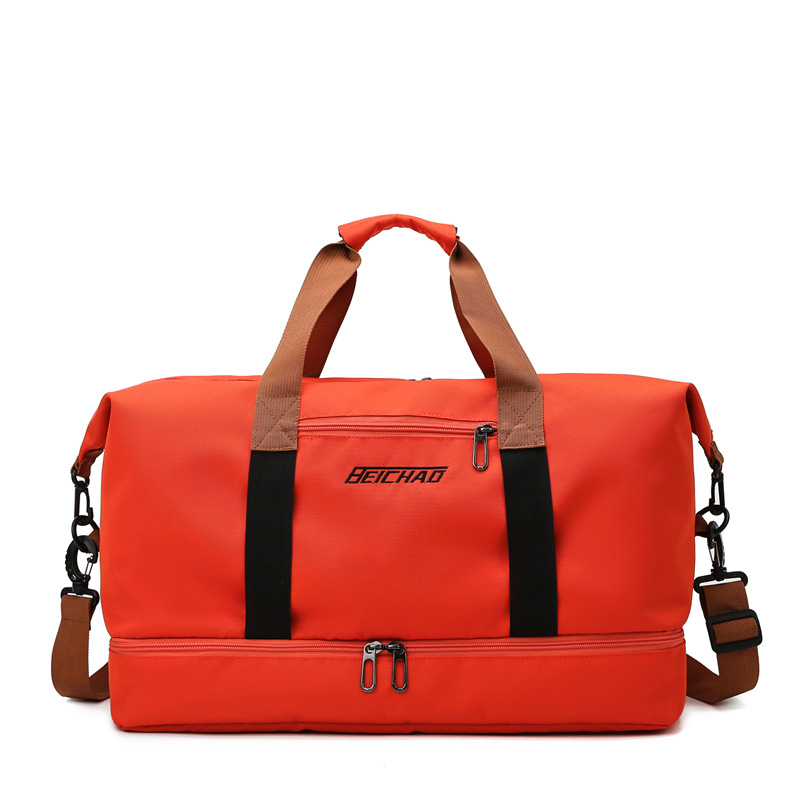
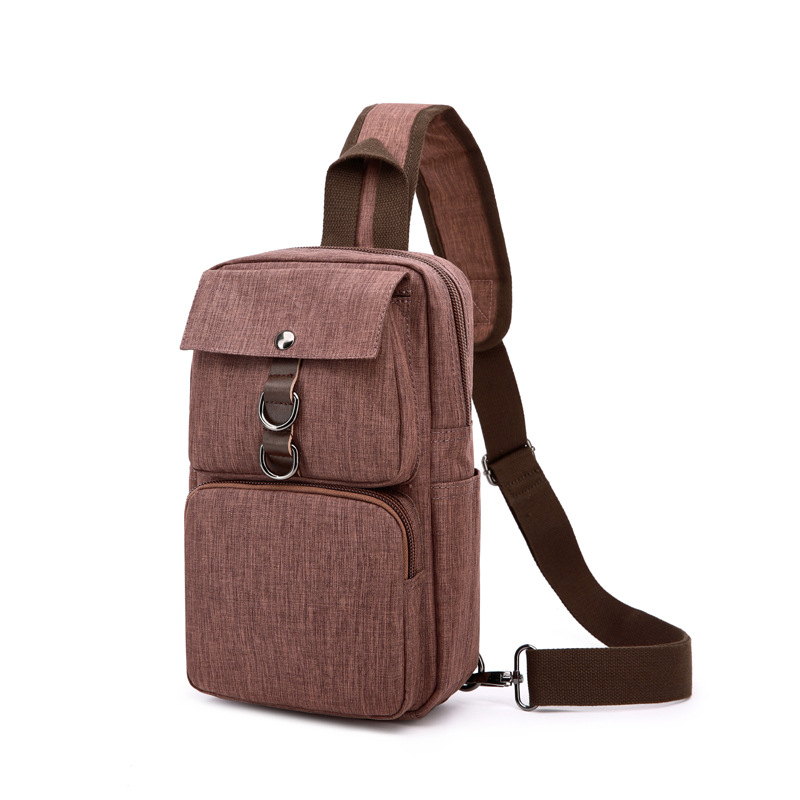
For sourcing teams, the easiest mistake is treating all sling bags as interchangeable. They are not. A men sling bag often sells on restraint: darker colors, minimal branding, and a sharper outline. A women sling bag may lean more toward fashion cues, softer edges, or smaller proportions. A travel sling bag usually benefits from extra pockets, dependable closure hardware, and a layout that allows quick access without making the contents spill out when opened.
If the target buyer wants a small sling bag for light carry, resist the urge to overbuild it. Too many compartments can make a compact product feel cluttered. On the other hand, if the brief is for commuting or travel, a plain single-pocket design can feel underdeveloped. The best product is the one that matches the way the customer actually moves through a day.
Common Buyer Mistakes
One common mistake is approving a sample based on looks alone. Another is ignoring how the bag sits when loaded. A sling that hangs awkwardly may create comfort complaints even if the measurements are technically correct. Buyers also underestimate zipper quality and strap hardware. Those parts are small, but they take stress every time the bag is used.
There is also a merchandising issue. If the product is sold as a crossbody bag in one channel and as a sling bag in another, the description should stay consistent enough that customers are not confused about how it is worn. Mixed positioning can hurt conversion more than a slightly higher price ever will.
Quick Buyer Checklist
Before finalizing a model, ask a few basic questions: What will the customer carry? Is the product for commuting, travel, or casual use? Should it prioritize comfort, security, or style? Does the strap support real daily wear? Is the material appropriate for the weather expectations of the market?
Those are simple questions, but they usually reveal whether a design is commercially ready.
FAQ
Is a sling bag the same as a crossbody bag?
They overlap, but not always. A sling bag often describes a compact, single-strap bag worn across the body or over one shoulder, while crossbody bag can be a broader retail term.
What makes a sling bag suitable for travel?
Practical pockets, secure closures, comfortable strap design, and enough room for essentials without becoming bulky.
Should buyers always choose a waterproof sling bag?
Not necessarily. It depends on the market and price point. Water resistance can be useful, but it should match the actual use case rather than be added as a buzzword.
Next Step for Buyers
If you are sourcing a sling bag line, start with the end user, then narrow the design. The right category choice is less about trend labels and more about how the product will be carried, worn, and judged in daily use. Once that is clear, material selection, strap design, and security features become much easier to specify—and much easier to sell.