What Buyers Actually Need from a Sling Bag
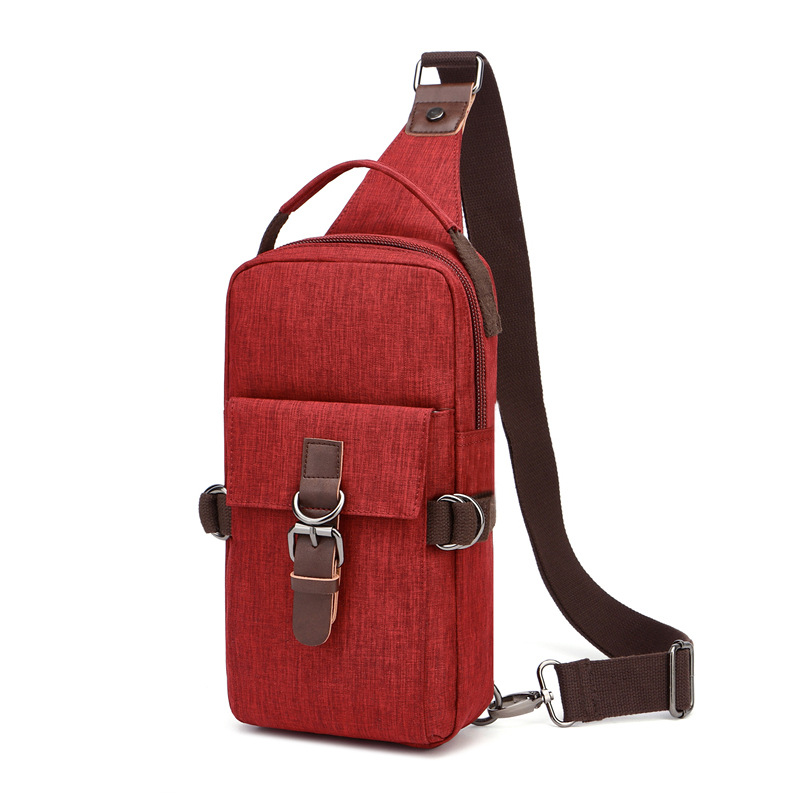
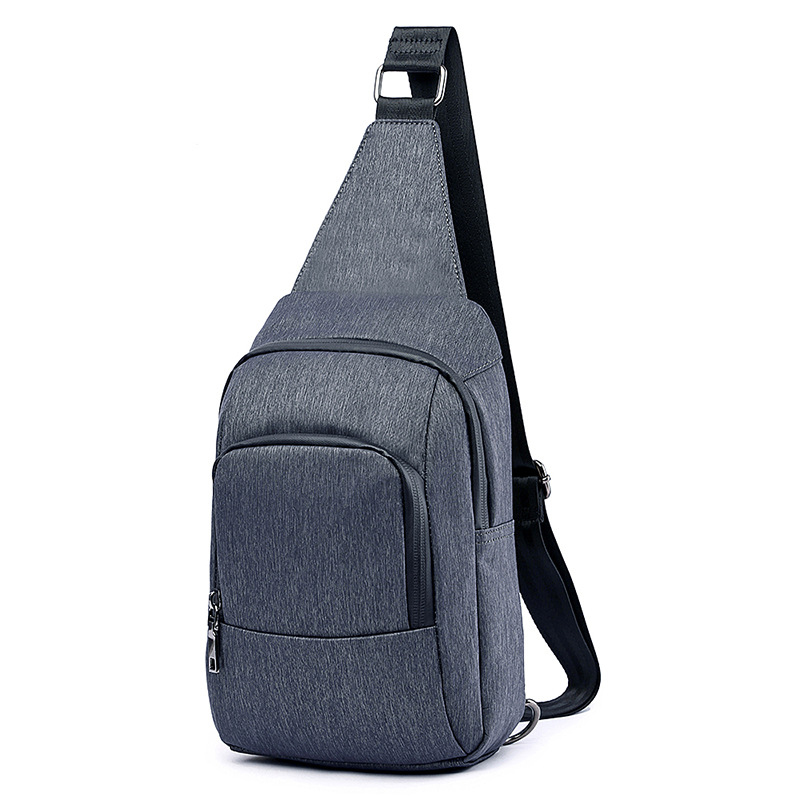
A sling bag looks simple on the shelf, but for sourcing teams and product planners it usually sits at the intersection of comfort, capacity, and everyday utility. The right sling bag has to ride close to the body, stay easy to access, and avoid the awkward bulk that pushes some users toward a backpack and others toward a pocketed jacket. That sounds basic until you start comparing closures, strap geometry, materials, and the way a bag behaves when it is half full rather than perfectly styled for a photo.
For retailers and brands, the decision is not just about fashion. It is about who will carry the bag, for how long, and in what setting. A commuter wants quick access. A traveler wants security and enough room for a passport, phone, charger, and wallet. Someone choosing a men sling bag or women sling bag may care more about fit and appearance than strict load capacity, but both still expect the bag to sit naturally across the torso. That is where design details start to matter more than broad product labels.
Why Sling Bags Keep Selling
The appeal is easy to understand. A crossbody sling bag keeps essentials close without requiring two shoulder straps, and that makes it faster to swing around front when someone needs to check a phone or open a zipper in a crowd. Compared with a backpack, it can feel more agile. Compared with a handbag, it can feel more secure. That middle ground is part of the reason the category keeps showing up in travel retail, lifestyle assortments, and urban commuter lines.
Still, the category is not one-size-fits-all. A small sling bag may work perfectly for a minimalist user, but once the bag carries sunglasses, a battery pack, and a water bottle, the same silhouette can become cramped or unbalanced. That is a common buyer mistake: choosing by appearance first and actual carry profile second.
Core Design Choices That Affect Performance
Shape and capacity
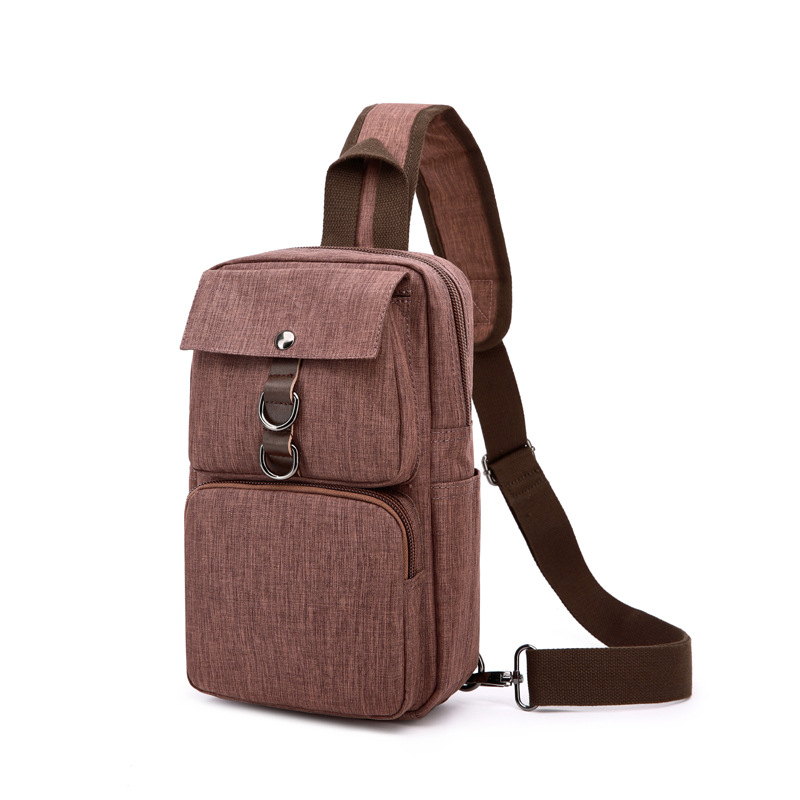
The most useful sling bags are usually modest in volume, but the internal layout can change the user experience more than the exterior dimensions. A single open cavity is simple to produce, yet it often leads to clutter. Interior pockets, a lined phone sleeve, or a dedicated zip compartment make the product feel more intentional. The tradeoff is cost, sewing complexity, and the risk of over-complicating a low-price item.
Strap construction
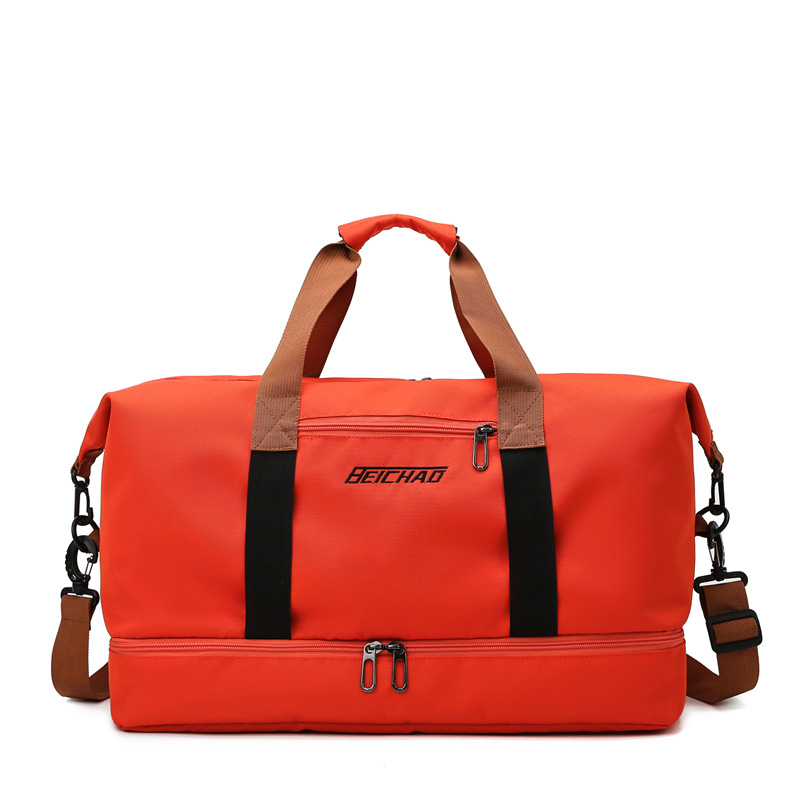
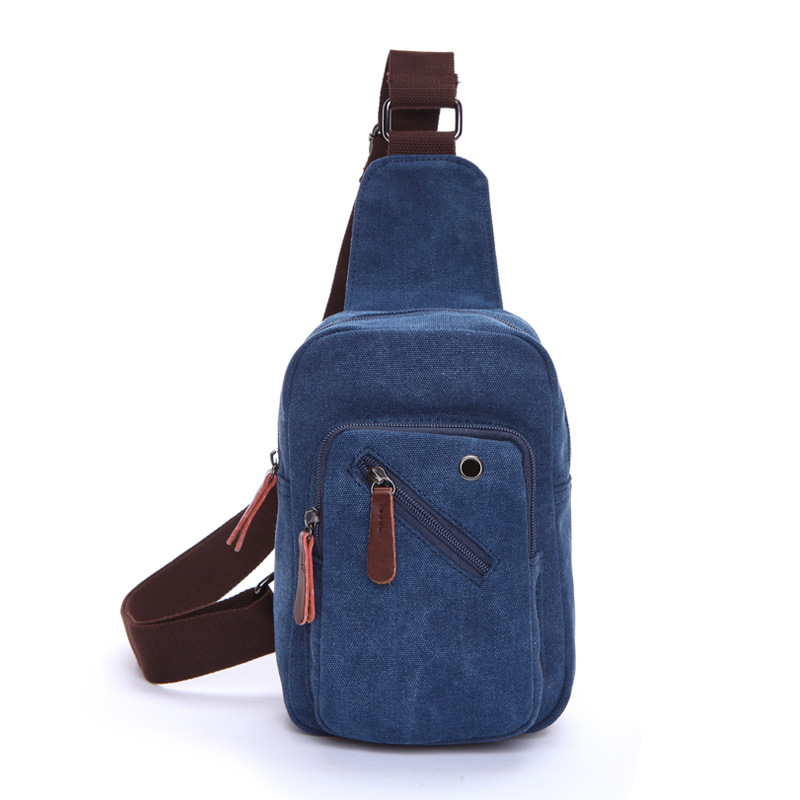
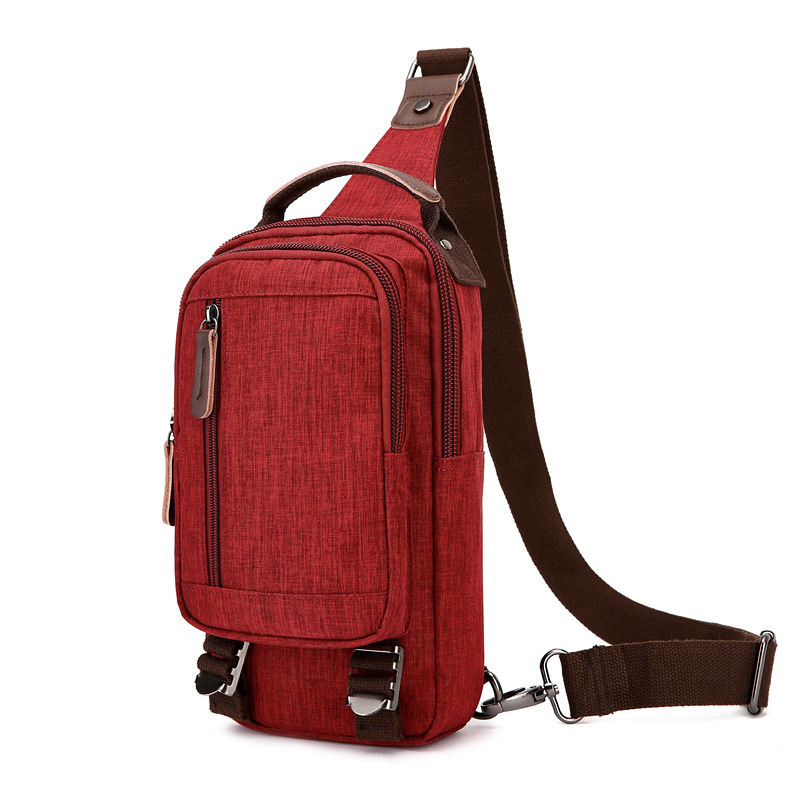
Because the bag hangs off one shoulder and across the chest or back, the strap is not a minor detail. Wider webbing, better adjustment hardware, and a stable attachment point help the bag sit flat instead of twisting. Buyers evaluating a travel sling bag should pay attention to this area first. If the strap shifts constantly, the product may look good on a spec sheet and fail in daily use.
Material selection
Material sends a clear signal. Nylon and polyester usually suggest light weight, practical use, and easier color variety. A leather sling bag points in a more premium direction and may suit gift or office assortments, though the buyer should think carefully about weight and maintenance expectations. Surface texture, lining choice, and zipper quality all contribute to whether the bag feels durable or merely decorative.
Security Features and Their Limits
Interest in the anti theft sling bag segment has grown as urban commuting and travel shopping continue to overlap. Concealed zippers, rear-facing openings, and close-to-body carry can all improve peace of mind. But “anti-theft” should be treated as a design direction, not a promise of absolute protection. A hidden pocket is helpful; it is not magic. For sourcing managers, the useful question is whether the feature meaningfully slows casual access and whether it fits the bag’s everyday use case without making the product awkward to open.
How to Choose the Right Style for a Market
When comparing a sling bag program, start with user behavior rather than trend language. Office commuters often want clean lines and low profile. Travelers usually value quick access and better organization. Outdoor or festival users may prefer water-resistant fabrics and a more rugged strap. Fashion-led buyers may prioritize silhouette, hardware finish, and color, but even there the product needs a believable carrying experience.
It also helps to think in tiers. A small sling bag can be a good entry SKU for impulse purchase or gift retail. A more structured crossbody sling bag may suit daily carry and justify a higher ticket. Premium assortments can lean into a leather sling bag or mixed-material construction, but buyers should check whether the design supports the price rather than merely asking for one.
Practical Buyer Advice
Ask for samples loaded with real items, not just empty-bag photos. A product can look slim and balanced on a table, then flop forward once a phone and wallet are inside. Check zipper pull comfort, strap adjustability, and whether the bag opens far enough for one-handed access. If the line is meant for travel, test how easily it returns to position after being swung around the body. Small usability issues often become the complaints that show up later in reviews.
For brand teams, assortment planning matters too. A men sling bag and a women sling bag may share the same underlying construction, but the market may respond differently to color palette, trim, and proportion. Buyers sometimes over-segment this category; other times they under-spec it and end up with a product that looks generic. The better approach is to define the use case first, then the aesthetic.
FAQ
Is a sling bag only for casual wear?
No. Many versions are casual, but cleaner materials and restrained hardware can push the category toward commuter or business-casual use.
What makes a travel sling bag different?
Usually better access, better pocket layout, and a stronger focus on security and comfort over long wear periods.
Is anti-theft worth the extra cost?
Sometimes. It depends on whether the added features improve real-world confidence and usability, not just the product description.
What to Do Next
If you are sourcing a sling bag line, start by deciding whether the product is meant to solve convenience, style, security, or a mix of the three. That answer should shape the size, strap, material, and pocket layout. Once the use case is clear, it becomes much easier to compare samples without getting distracted by surface styling. And in this category, that discipline usually saves time later.