What buyers really need from a gym bag
A gym bag sounds simple until you have to carry wet gear, shoes, a water bottle, a laptop, and maybe a change of clothes in one cramped compartment. That is when the differences between a basic sports bag and a more thoughtfully built carry solution start to matter. For sourcing teams, retail buyers, and product planners, the decision is not just about shape or color. It is about whether the bag supports the user’s routine without adding mess, bulk, or premature wear.
The market often groups everything into the same bucket, but a gym bag can behave very differently depending on its size, pocket layout, fabric weight, and closure style. A duffel bag built for weekend travel may look similar, yet fail at the practical details a daily fitness user expects. If you are comparing options for a line extension or trying to narrow a supplier brief, the real question is how the bag will be used between home, locker room, office, and commute.
Quick comparison: which style fits which use case?
A large gym bag usually works best for users who carry shoes, towels, lifting gear, and recovery items. It gives more room, but it can also become a catchall if the interior is not organized. A small gym bag is easier to store in a locker or under a desk, though it may force buyers to compromise on separate compartments.
A sports bag is often a broad retail term for active-lifestyle carry. In practice, it may overlap with a gym duffel bag, but the intended use matters. If the bag is for daily training, the buyer will likely care more about ventilation, easy-clean materials, and shoulder comfort than about travel styling. If it is for light sessions or studio classes, a smaller profile may be enough.
Core features that affect real-world performance
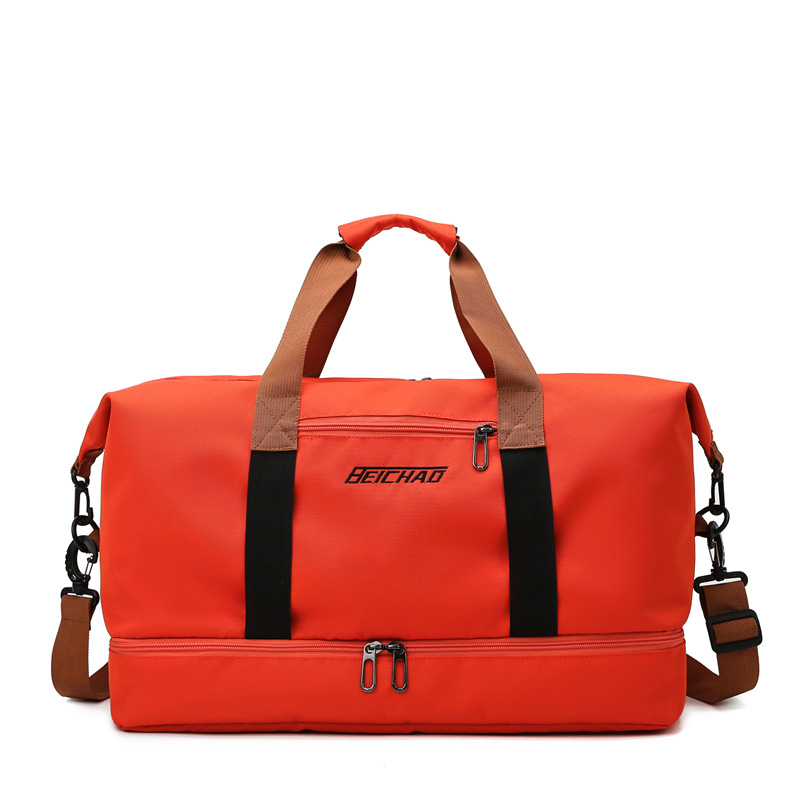
The first feature to evaluate is internal organization. Separate shoe storage is not a luxury in this category; it is one of the clearest signs that the bag was designed around fitness use. Wet compartments, mesh pockets, and quick-access front pockets help users isolate dirty items from clean ones. Without that structure, even a well-made bag can feel inconvenient after a few weeks.
Material choice is equally important. Most buyers will expect some level of abrasion resistance, decent stitching quality, and a fabric that can handle repeated set-downs on locker-room floors or car seats. Water resistance is helpful, though it should be described carefully. Many bags can resist light splashes, but that is not the same as being fully waterproof. This distinction matters, especially when the bag is used for post-workout clothes or toiletries.
Carrying comfort should not be underestimated. Padded handles, an adjustable shoulder strap, and balanced weight distribution make a noticeable difference once the bag is loaded. A cheap-looking strap may be acceptable on a promotional item, but for a product meant to compete in the gym bag category, it becomes a weak point quickly.
Selection criteria sourcing teams should not skip
Start with capacity, but do not treat liters or dimensions as the whole story. Two bags with similar volume can feel very different if one has structured panels and the other collapses into itself. Pay attention to opening width as well. A wide U-shaped opening often improves usability more than another internal pocket does.
Also consider cleaning. Fitness users do not want a bag that holds odor. Linings that can be wiped down, breathable shoe sections, and materials that dry reasonably fast all reduce complaints later. This is one of those details that sounds minor in a spec sheet and becomes obvious in customer reviews.
Finally, look at the bag as a shelf-ready product, not just a functional object. Shape retention, zipper feel, handle finish, and logo placement can influence how the item performs in retail. A gym duffel bag that seems overbuilt for its price point may actually sell better than a plain one with no visual structure. That said, unnecessary hardware can add cost without improving the user experience, so restraint still pays off.
Common mistakes when specifying a gym bag
One frequent mistake is overemphasizing capacity and underestimating organization. Buyers ask for “bigger” and end up with a bag that swallows everything but separates nothing. Another is ignoring the use environment. A commuter who walks from office to studio needs different features than someone who drives straight from home to the gym.
A third mistake is treating style and function as separate choices. They are linked. A bag with too many external seams or decorative elements may look premium, but can also create abrasion points or complicate cleaning. Likewise, a very minimal sports bag can be hard to merchandise if it does not visually communicate durability and utility.
Practical buyer advice before placing an order
If you are buying for retail, private label, or a corporate program, ask suppliers for construction details, not just product photos. Check zipper type, strap reinforcement, lining approach, and whether the bag is built around one main compartment or several defined zones. Request sample evaluation in loaded conditions, because an empty bag can hide weak strap geometry or awkward access.
For different user segments, consider offering more than one format. A small gym bag can serve class-goers and casual users, while a larger version better fits strength training or multi-item routines. The best assortments usually avoid pretending one size fits everyone.
FAQ
Is a duffel bag the same as a gym bag?
Not exactly. The terms overlap, but a gym bag usually implies fitness-specific features such as shoe compartments, wet storage, or easier wipe-down surfaces.
What matters most for daily use?
Organization, strap comfort, and easy cleaning usually matter more than extra capacity or decorative styling.
Should I choose a large or small gym bag?
Choose based on the user’s routine. Larger bags suit multi-item workouts and commuting. Smaller bags fit lighter loads and compact storage.
What a good supplier brief should ask for
A clear brief should describe use case, target capacity, preferred pocket layout, and whether the product needs to function more like a sports bag or a travel-style duffel bag. That level of clarity helps avoid samples that look right at first glance but miss the actual job.
If your team is developing or sourcing a gym bag line, the next step is to compare sample construction, not just catalog images. Small details decide whether the bag feels useful on day one and durable after the first month. That is usually where the better product separates itself.