Why a waist bag still solves a real problem
A waist bag is one of those products that keeps coming back because the underlying need never really goes away: people want their essentials close, secure, and out of their hands. For sourcing managers and product teams, that sounds simple until the spec sheet starts getting messy. Strap comfort, zipper durability, compact shape, hardware quality, and how the bag wears across the body all affect whether the item feels cheap or dependable.
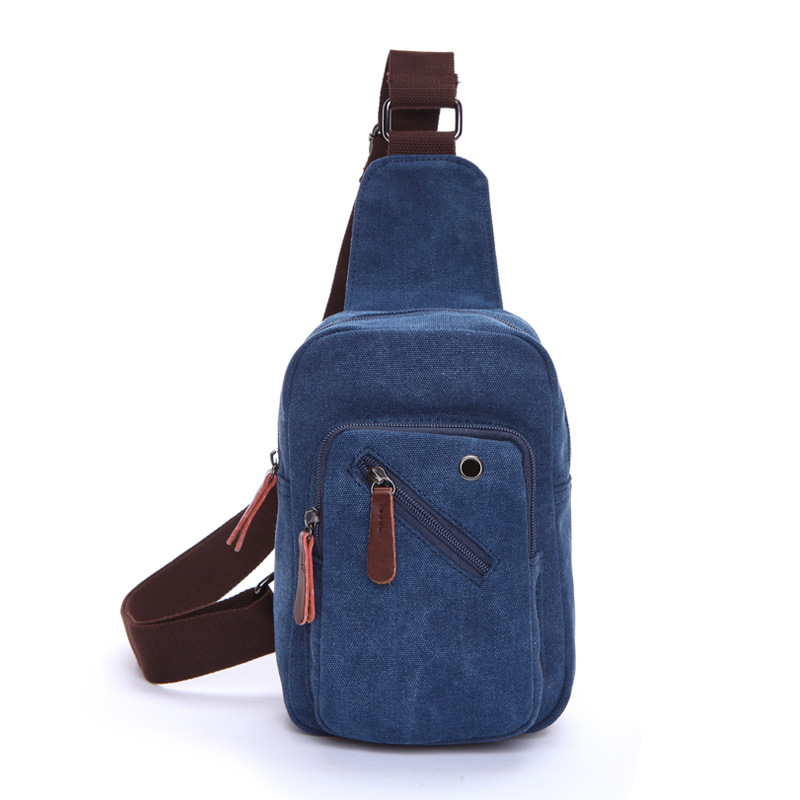
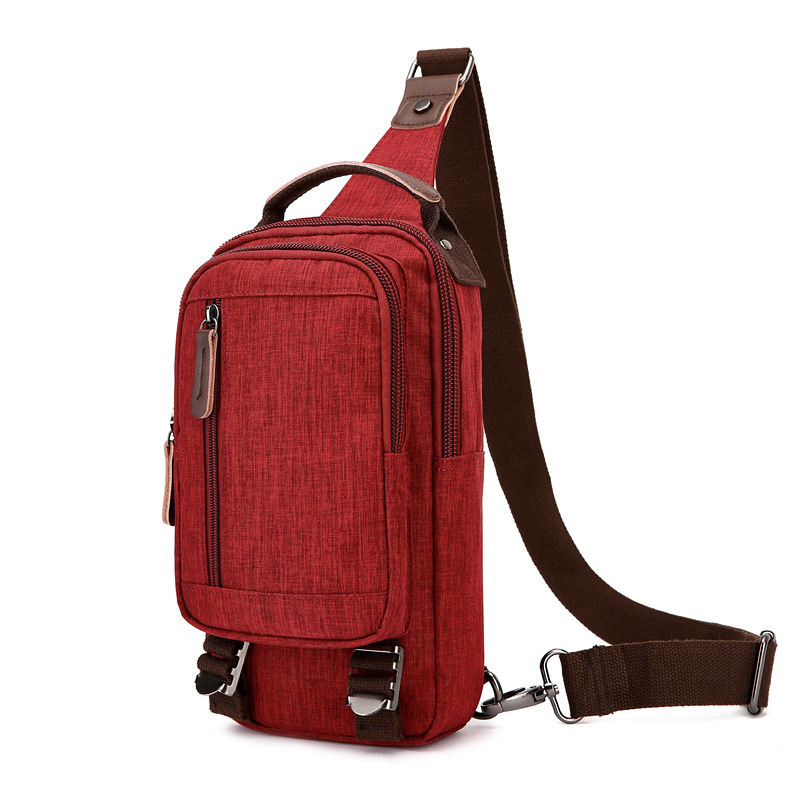
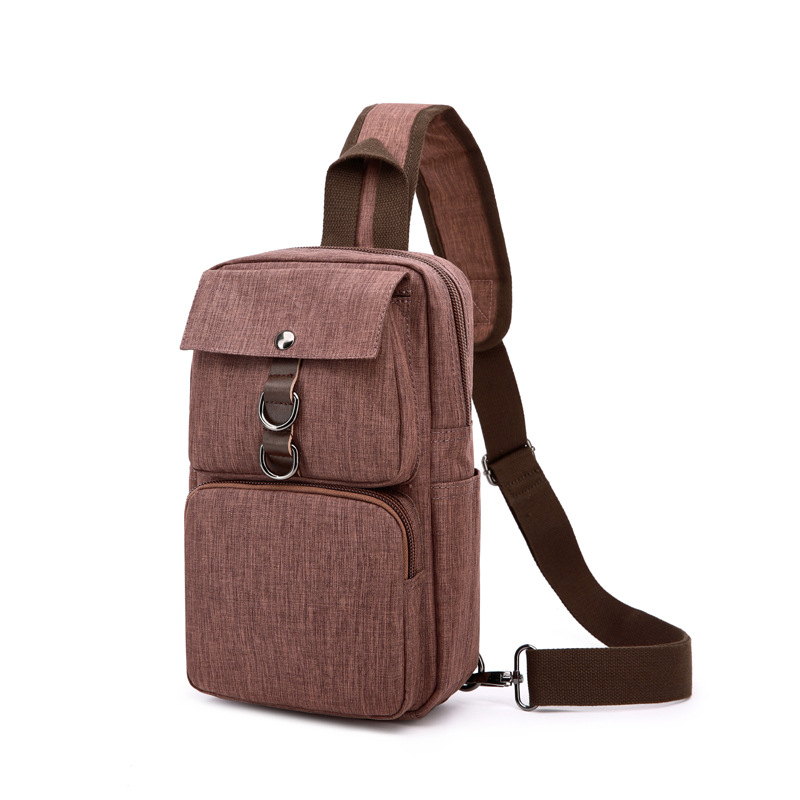
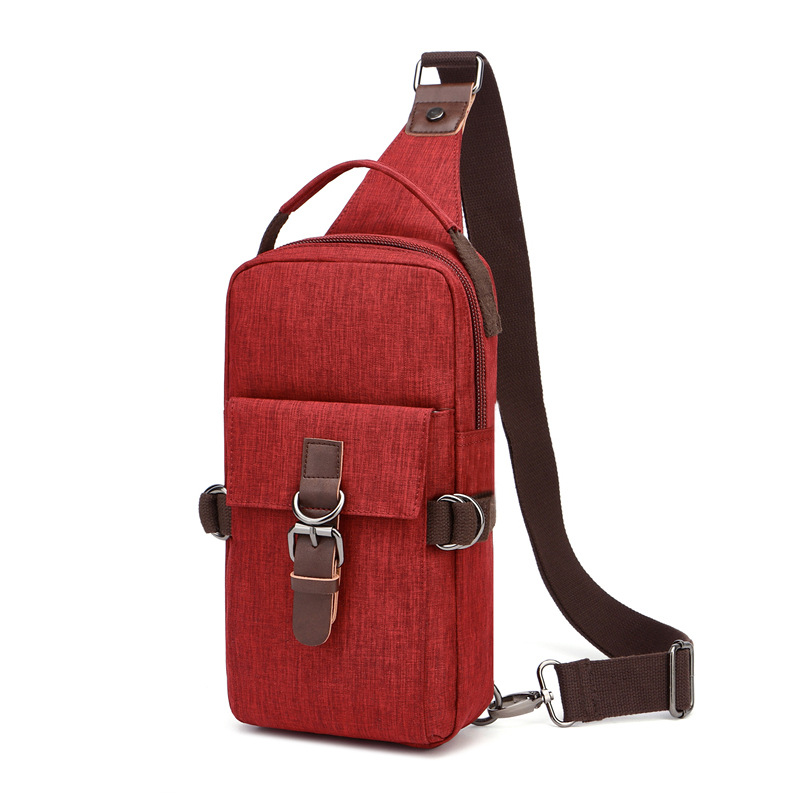
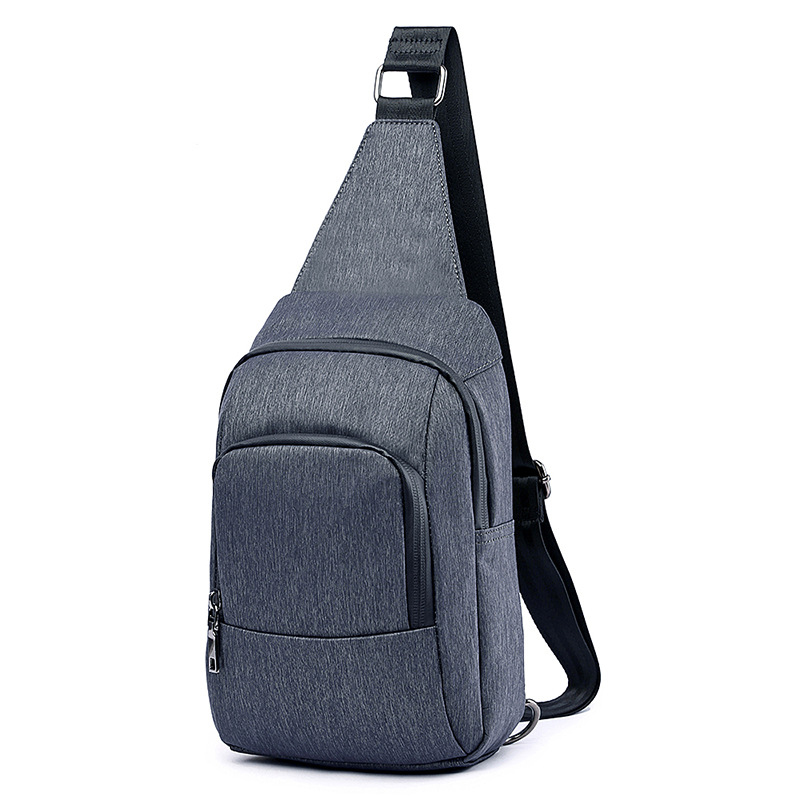
The version described here is a compact sewn textile bag with a rectangular pouch, rounded corners, a webbing strap, a quick-release buckle, and front zipper compartments. That combination tells you a lot. It is designed for casual daily carry, travel, walking, cycling, festivals, and light outdoor use where quick access matters more than load capacity. In other words, it is not trying to replace a backpack; it is trying to disappear until needed.
What buyers should notice first
The most useful quick read on this style is not fashion language but structure.
A compact waist bag usually succeeds or fails on four points: the quality of the main zipper, the stability of the strap attachment, the usability of the buckle, and how the body fabric holds its shape. The product information here points to a woven fabric body, likely canvas or a polyester-canvas blend, with visible stitching reinforcement and webbing attachment points. That is a sensible construction for a small accessory bag, especially when the goal is a low-profile carry item rather than a padded technical pouch.
The front metal grommet or eyelet is worth noting, though buyers should be careful not to read too much into it. On some products it is decorative, on others it can serve a small functional role. If it matters to your design brief, ask for clarification rather than assuming.
Common waist bag formats and how they differ
Not every waist bag is meant to do the same job, even if market listings blur the lines.
Classic fanny pack
This is the familiar belt-worn format. It is usually compact, with one main compartment and a short strap designed to sit at the waist or high on the hip. It works well for everyday carry and fast access.
Crossbody waist bag
A crossbody waist bag extends the same pouch into a longer-wear setup. That matters because many users now wear these bags diagonally across the chest or back. For sourcing, this means strap adjustability is not optional. The strap must fit both waist and crossbody use without feeling awkward or unstable.
Travel waist bag
Travel versions often focus on organization, security, and access. They may include more compartments, a closer body fit, or additional closure points. The visible dual zipper pulls on this bag suggest a practical, grab-and-go approach, which is useful when someone needs to reach a phone, key set, or cards quickly.
Sports waist bag
For sports or light outdoor use, the priorities change. Swing control, reduced bounce, and a secure buckle matter more than appearance. A compact, low-profile shape like the one described here is usually better than a bulky pouch, provided the strap hardware is comfortable against movement.
What the construction tells you
This appears to be a cut-and-sew textile accessory, not a molded or highly engineered product. That is helpful for buyers because it narrows the sourcing conversation.
You are likely dealing with:
- a sewn fabric body,
- webbing strap assembly,
- zipper installation,
- stitched patch application,
- and reinforced attachment points.
That sounds ordinary, but ordinary is where quality differences often hide. Stitch density, zipper tape alignment, strap bar-tacking, and seam finishing are the details that separate a bag that feels serviceable from one that starts fraying after a season. If you are comparing samples, check how the strap joins the body and whether the pouch keeps its rectangular shape when partially loaded. A bag can look neat on the table and sag badly in use.
Selection criteria that actually matter
For most buyers, the choice is less about naming style and more about matching use case.
If the bag is for commuting or everyday carry, prioritize easy-access compartments and a strap that adjusts cleanly without slipping. If it is for travel, make sure the zipper system is smooth and that the pouch sits close to the body. If it is for cycling or active use, comfort and bounce control matter more than decoration. If it is for retail, event security, or promotional use, visual clarity and quick handling may outweigh extra pockets.
Material choice deserves practical caution. The visible surface looks like woven fabric, but exact composition is not verified from the image alone. That means you should avoid assuming water resistance, abrasion performance, or stain behavior without testing or supplier documentation. A bag can look sturdy in a matte woven finish and still be modest in real weather exposure.
Common buyer mistakes
One frequent mistake is over-specifying capacity for a product that is clearly meant to stay compact. Buyers sometimes ask for more pockets, padding, or heavy hardware until the bag stops feeling like a small carry accessory and starts acting like a miniature backpack. The second mistake is ignoring wear position. A bag that works at the waist may feel clumsy as a crossbody if the strap length, buckle placement, or pouch proportions are off.
Another practical issue: hardware finish. Black plastic buckles and metal zipper pulls are common and sensible, but they still need to be checked for consistency in feel and assembly. A loose buckle or rough zipper is noticed immediately by users because these are tactile products. Nobody forgives a bag that looks neat but catches every time they open it.
Who this style is best for
This kind of waist bag is a good fit for buyers targeting general-use carry, travel accessories, or lifestyle retail. It also suits users who want hands-free storage without the bulk of a backpack. The format is broadly adaptable, which is why it shows up across men’s waist bag, women’s waist bag, and unisex fanny pack categories, even when the core construction is similar.
For private label or sourcing teams, that flexibility is useful. It allows variations in color, patch treatment, strap length, and pocket count without changing the basic manufacturing model. The main caution is not to promise features that are not visible or verified. For example, do not market a waterproof waist bag unless the material and construction have been tested and confirmed.
Practical next step for buyers
If you are evaluating a waist bag for procurement or product development, start with a sample review focused on the strap, zipper action, seam integrity, and how the bag sits when loaded with everyday items. Ask for material confirmation, construction details, and any performance claims in writing. That small discipline saves a lot of back-and-forth later, especially when a product looks straightforward but still has room for quality variation.
For teams deciding between a fanny pack, a crossbody waist bag, or a more specialized travel waist bag, the best question is simple: what should the user carry, how fast must they reach it, and how much bulk can they tolerate? Get those answers right, and the rest of the spec becomes much easier to manage.