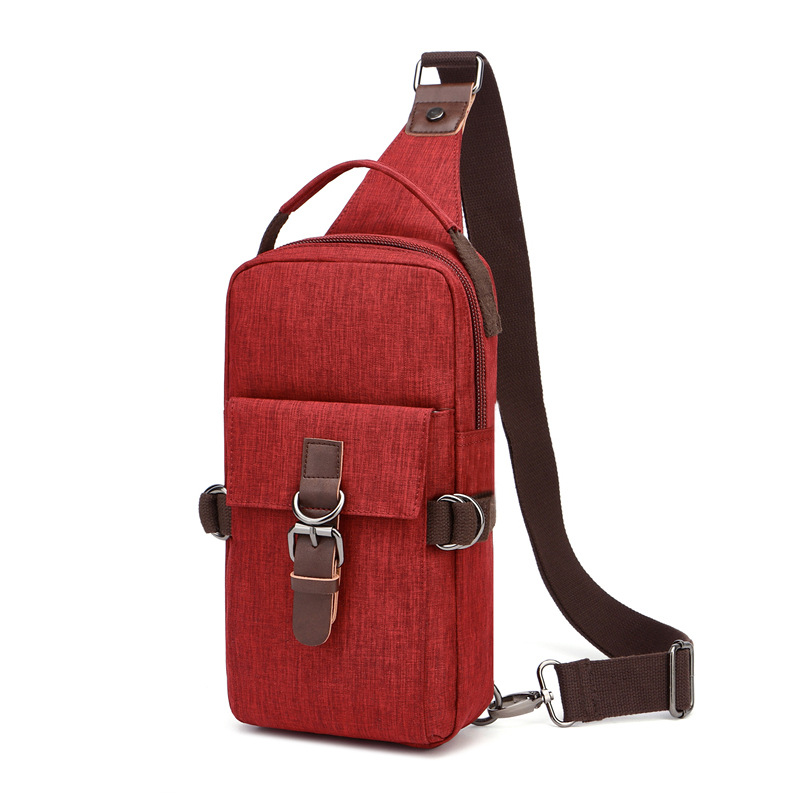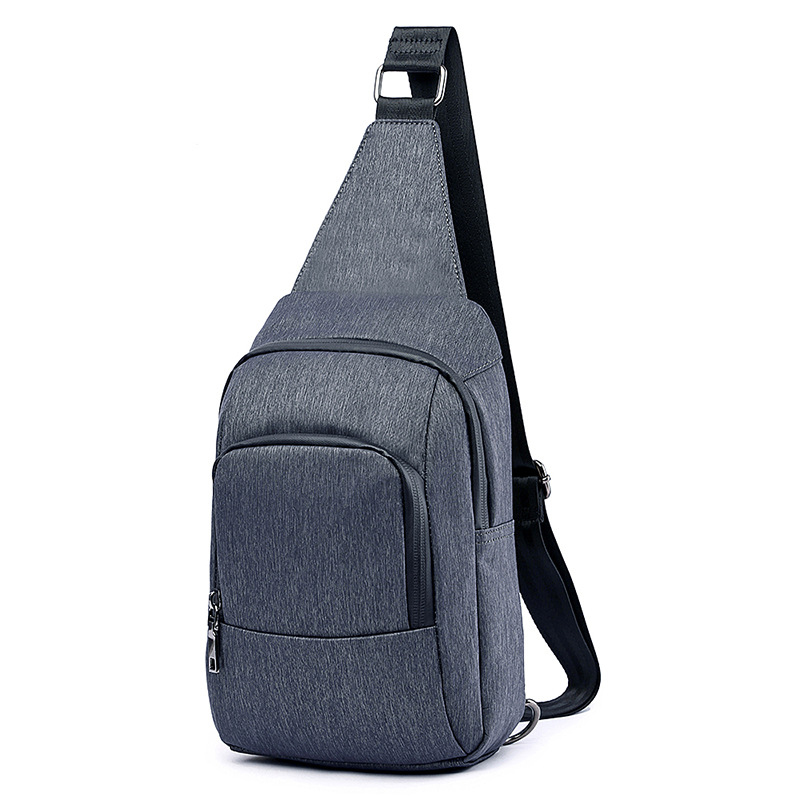
What Buyers Should Really Look for in a Waist Bag
A waist bag may look like a simple carry item, but in sourcing terms it sits at the intersection of material choice, stitching quality, closure design, and end-use expectations. For buyers, the real question is not whether the bag can hold a phone and keys. It is whether the product will stay comfortable, keep contents secure, and hold up after repeated daily wear. That is why a good buying decision starts with how the waist bag will be used: commuting, retail promotion, travel, sport, or light-duty utility.
Search intent around this category is usually practical. Teams want to compare styles, understand material differences, and avoid the obvious mistakes that lead to returns. A fanny pack for weekend wear is not necessarily built like a sports waist pack for running, and a travel fanny pack often needs different pocket organization than a minimalist unisex waist bag used for streetwear merchandising. The bag may be small, but the sourcing decisions behind it are not.
Quick Takeaways for Sourcing Teams
Start with the end user. If the bag is for travel, storage layout and security matter more than fashion trim. If it is for fitness, weight distribution and body stability become more important. If it is for retail or promotional use, cost control and broad appeal usually dominate, though buyers should still avoid flimsy hardware.
Common material options include nylon, polyester, and leather. A nylon fanny pack is often chosen for lighter weight and easier cleaning. A leather waist bag usually signals a more fashion-led brief, but it also raises expectations around finish consistency and edge quality. Waterproof belt bag claims should be checked carefully: in many cases the product may be water-resistant rather than truly waterproof, especially if zippers and seams are not sealed.
Types of Waist Bags and Where They Fit Best
Everyday and travel styles
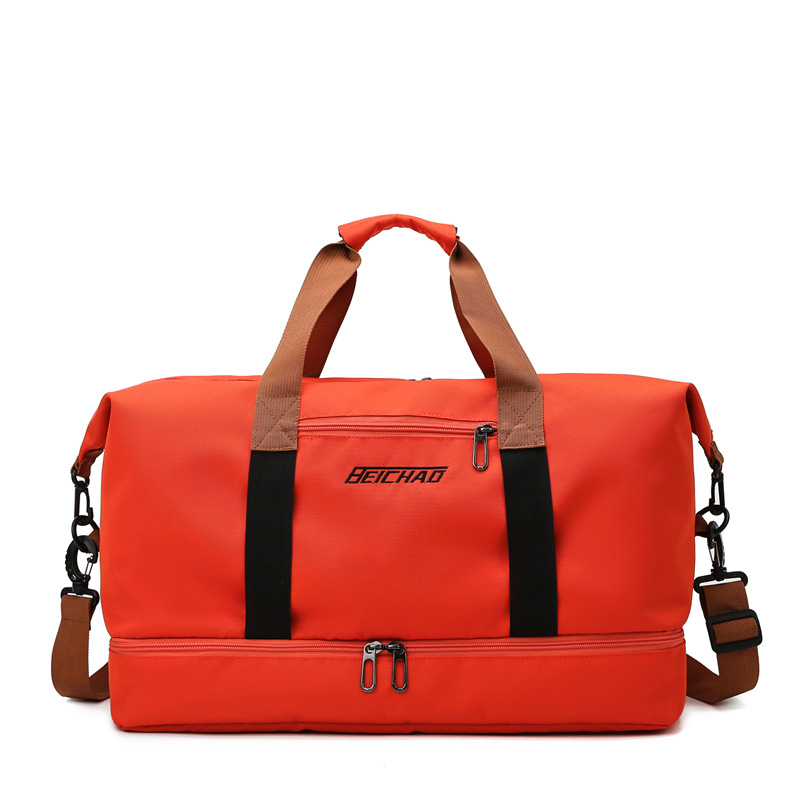
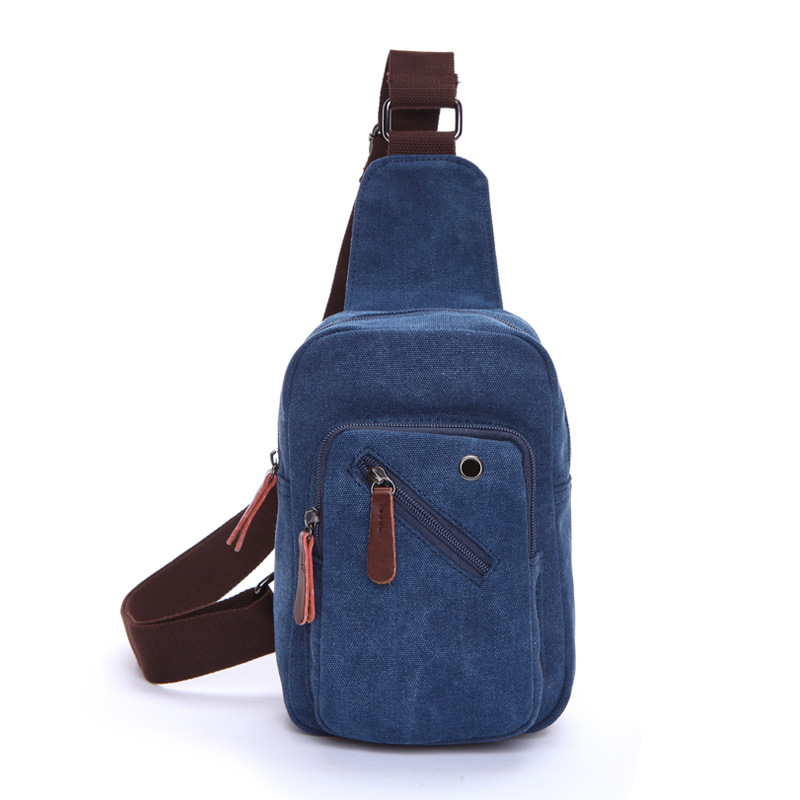
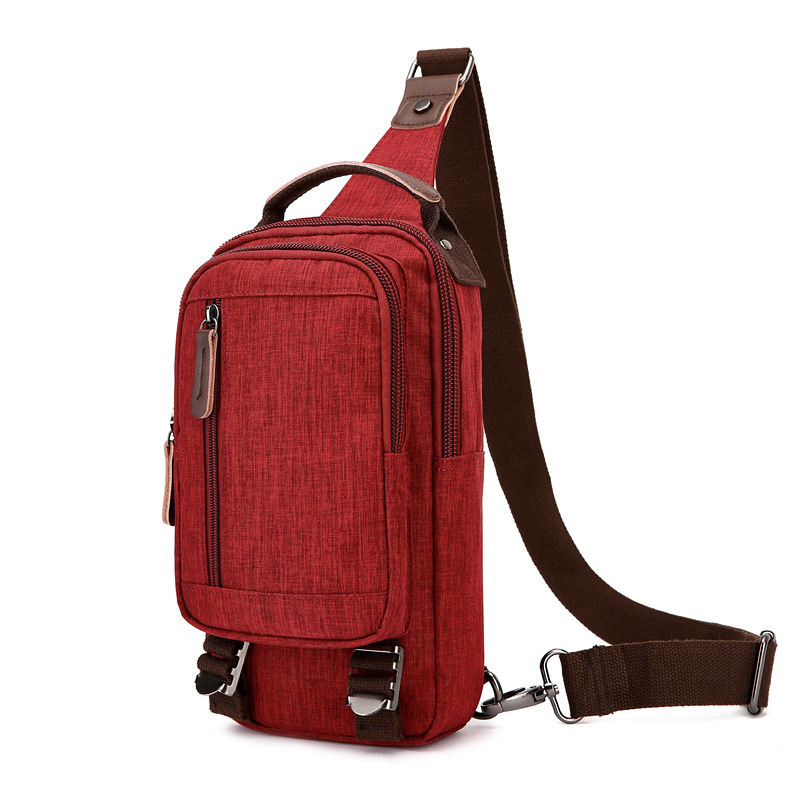
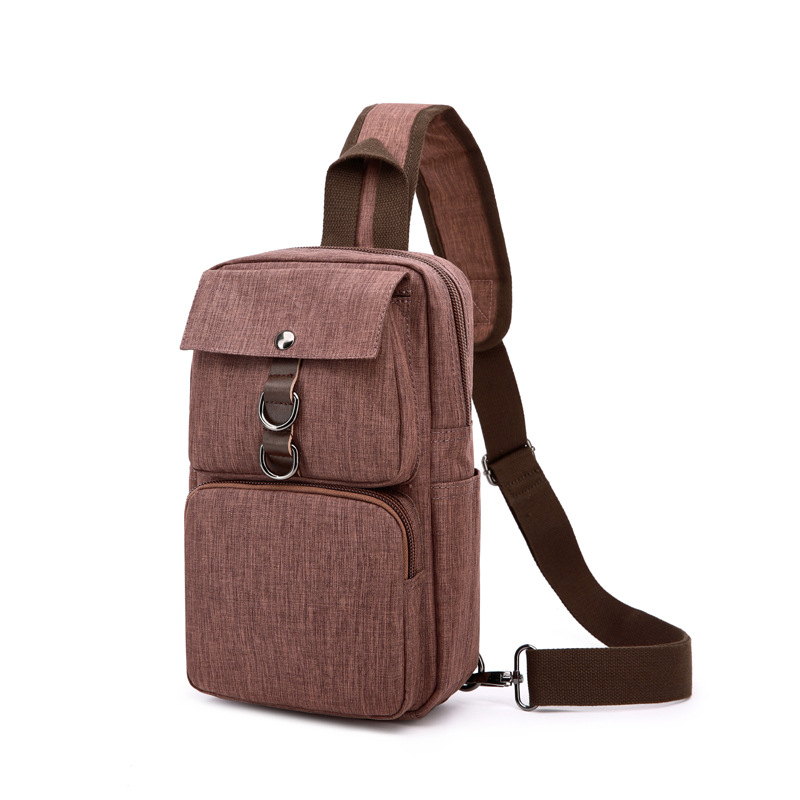
The classic waist bag format still works because it is simple. A travel fanny pack generally needs one main compartment, one or two quick-access pockets, and a strap that adjusts without slipping. Security features such as hidden rear pockets or close-to-body wear can be useful, especially for transit users. Buyers should think about whether the bag will be worn at the waist, across the chest, or as a crossbody waist bag, because strap length and buckle placement affect comfort more than many first-time spec sheets admit.
Active and sport-oriented styles
A sports waist pack has different demands. It should remain stable during movement, avoid bounce, and use materials that manage sweat and weather exposure reasonably well. Mesh backing, lightweight fabric, and low-profile buckles are common design choices. The mistake here is overbuilding the product with heavy zippers or bulky trim, which can make the bag feel awkward during running or cycling.
Fashion and lifestyle styles
For streetwear and premium retail, a leather waist bag or a more styled unisex waist bag may be positioned as an accessory rather than a utility item. In that case, buyers should pay close attention to appearance consistency, stitching alignment, logo placement, and how the bag sits on the body. Soft goods that look good on a table can behave very differently when worn; that point is easy to overlook during early sampling.
Key Selection Criteria That Matter in Production
Look closely at strap hardware, zipper quality, lining, and seam reinforcement. These are the areas where small defects become customer complaints. A waist bag that appears fine at first glance may still fail if the strap loosens or the zipper track binds under repeated use. Pocket depth also matters. If the front pocket is too shallow, users may not trust it for keys, cards, or earbuds.
Capacity should be sized to the use case, not inflated for marketing. Many buyers want a compact product, but the internal dimensions need to match what the customer actually carries. A bag that is technically small but awkwardly shaped can be less useful than one with a slightly larger, flatter profile.
Common Buyer Mistakes
One frequent mistake is selecting a style based on appearance alone. Another is assuming one design can serve all user groups. A travel fanny pack, a sports waist pack, and a leather waist bag may share a silhouette, but they do not share the same performance priorities. Buyers also sometimes under-spec the strap. If the webbing is too narrow or the buckle too lightweight, comfort and perceived quality both suffer.
It is also worth being cautious about feature claims. “Waterproof” should be treated carefully unless the construction supports it. If the product must protect electronics in wet conditions, ask how the seams, closures, and fabric finish contribute to that claim. The same caution applies to durability language; without test data, broad claims do not help a sourcing decision.
Practical Advice for Product Teams
Build the brief around user behavior. How often will the waist bag be opened? Will it carry only flat items, or bulky ones too? Is the customer likely to wear it around the waist or as a crossbody waist bag? These details shape the pattern, pocket layout, and strap spec. For mass-market programs, keep the design clean and avoid decorative complexity that adds cost without improving function.
If you are comparing a nylon fanny pack against a leather waist bag, remember that the right answer depends on channel positioning as much as function. Nylon tends to suit active, travel, and value-oriented programs. Leather leans toward lifestyle and premium retail, where visual finish justifies higher expectations. Neither is universally better.
FAQ
Is a waist bag still relevant for buyers?
Yes. The format remains useful because it is compact, hands-free, and adaptable across travel, sport, and casual wear.
What is the biggest sourcing risk?
Mismatch between design intent and real use. A bag that looks right can still fail if the strap, closure, or pocket structure does not suit the customer.
What should buyers request first?
Clear material descriptions, construction details, and sample evaluation against the intended use case. That first round often reveals more than a spec sheet does.
Next Step for Evaluating Suppliers
When reviewing a waist bag program, ask suppliers to separate style, material, and performance claims as clearly as possible. The best product is usually the one that fits the channel, the user, and the daily wear pattern without overcomplicating the build. For sourcing managers and product teams, that is where a small accessory becomes a commercially reliable item.