Why the waist bag keeps showing up in product lines again
The waist bag has quietly moved from a throwback accessory to a practical carry solution for travel, retail, outdoor, and promotional programs. That matters because buyers are no longer choosing it for style alone. They want something compact, easy to wear, and useful enough that people will actually keep using it. For brands and sourcing teams, that changes the brief: the right bag has to balance capacity, comfort, construction quality, and a look that fits the intended market.
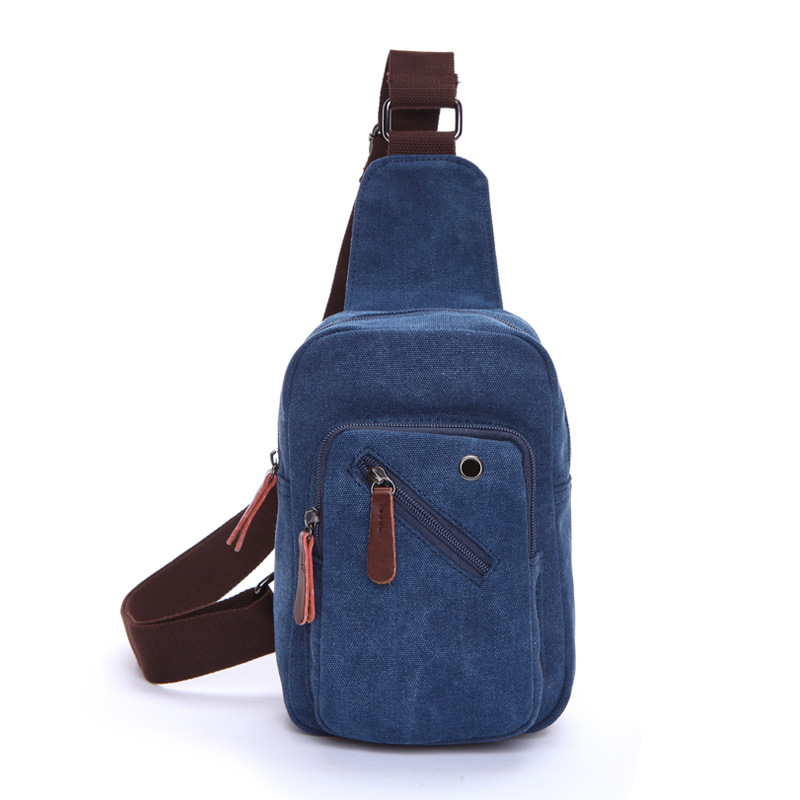
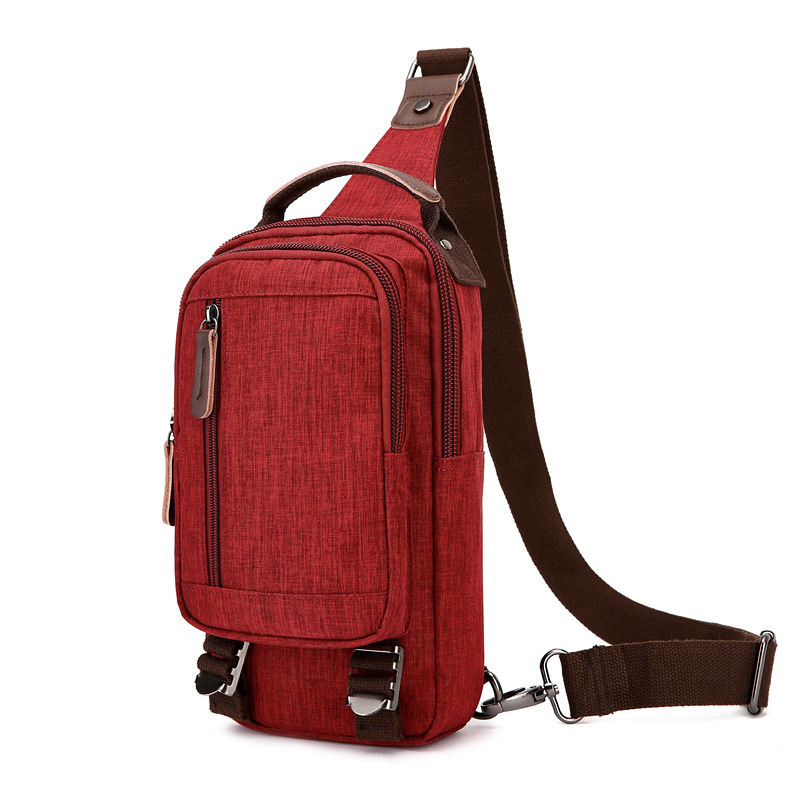
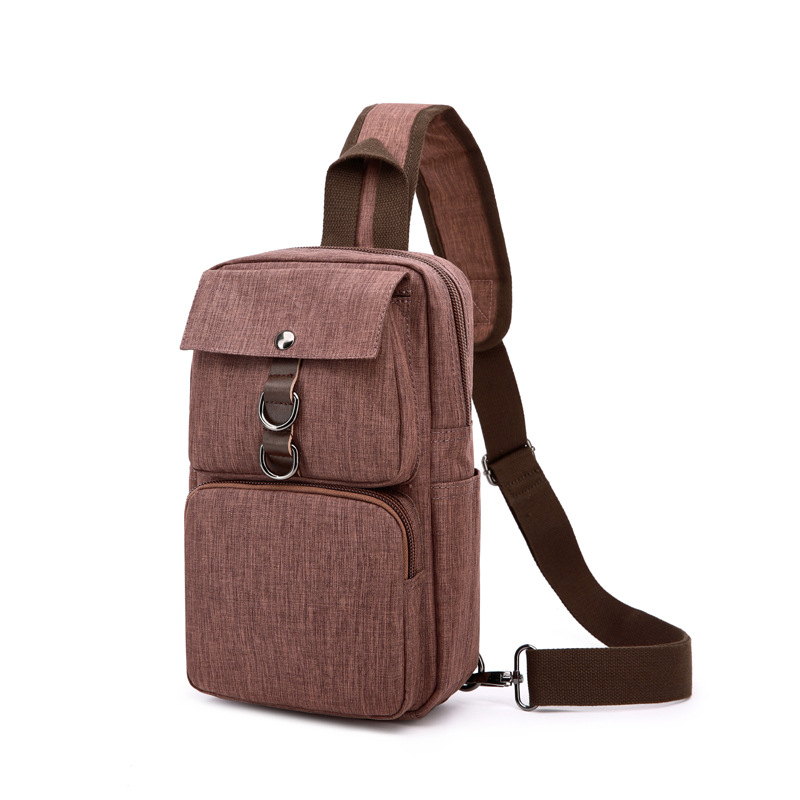
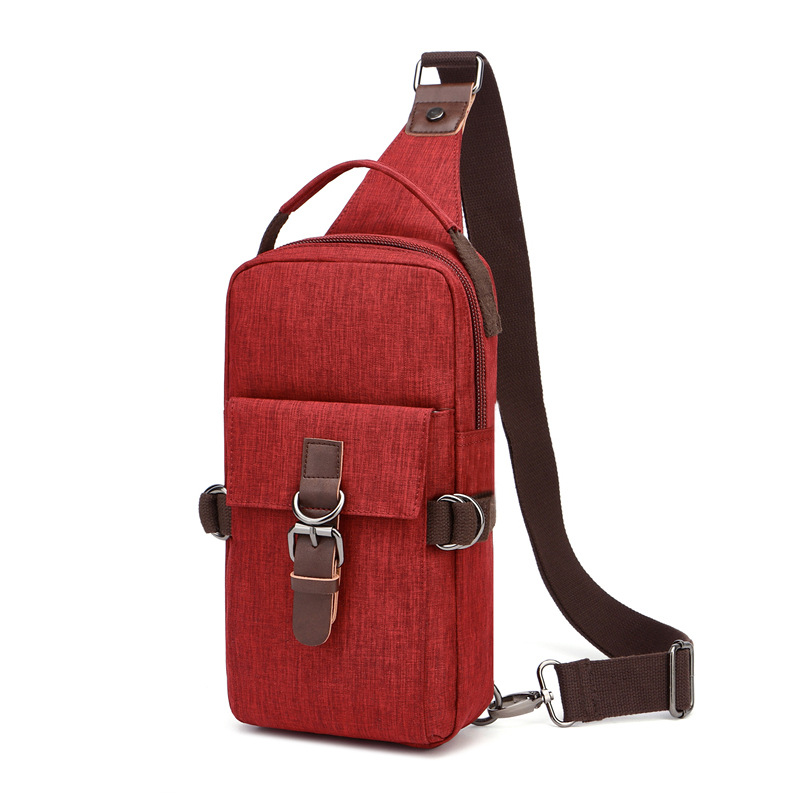
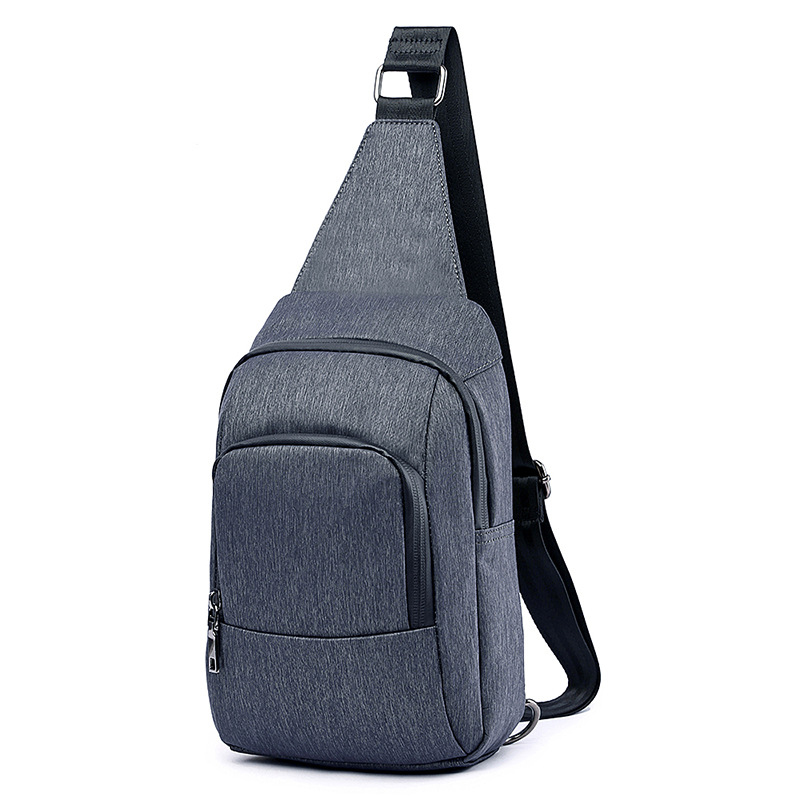
What makes this category interesting is its range. One version becomes a waist pack for daily commuting, another reads more like a fanny pack for casual streetwear, and a third is designed as a crossbody waist bag to match current carry habits. In practice, the category is not one product. It is a family of small bags built around accessibility and hands-free use.
What buyers usually need from this category
The buying decision often comes down to use case, not fashion language. A retailer, travel brand, or outdoor label may all ask for the same silhouette, but each needs different priorities.
For travel, buyers tend to value secure storage, quick access to documents, and a low-profile shape that does not interfere with movement. A travel fanny pack may need room for a passport, phone, and cards without becoming bulky. For fitness or active use, the focus shifts to stable fit and light weight. That is where a sports waist bag or running belt bag earns its keep: it should stay close to the body and avoid bounce.
Outdoor users are usually less forgiving. A hiking waist pack needs durability, weather resistance, and enough structure to hold shape when loaded unevenly. The same is true for an adjustable waist bag that will be worn over layered clothing. Small details like strap glide, buckle feel, and zipper quality can make a bag seem cheap even when the fabric looks fine.
Construction details that matter more than the marketing copy
Sourcing teams often see the same mistake repeated: too much attention on print area and too little on wearability. A bag can look good flat on a table and still fail on the body.
A few practical points deserve attention:
The strap should adjust smoothly and hold position without slipping. If the bag is meant to be worn as a hands-free fanny pack, that matters even more, because users often switch between waist and crossbody wear during the day.
The front panel should not collapse when the bag is empty unless that is an intentional styling choice. A little structure helps the product look intentional rather than flimsy.
Zippers, seam finishing, and stitch density matter in a way that end users notice immediately, even if they cannot name the defect. A crooked seam or rough zipper pull can make an otherwise usable bag feel like a sample item.
Materials should match the use case. Lightweight polyester may be adequate for promotional distribution. More demanding programs often need tougher shells, better lining, or water-shedding finishes. None of that is exotic, but it should be matched to the job instead of specified by habit.
Fit and wear style influence the product more than many teams expect
The same bag can behave very differently depending on how it is worn. A classic waist carry emphasizes compactness and security around the hips. A crossbody setup can open up the visual market, especially for younger consumers, but it also changes how the weight sits on the body.
That is why prototypes should be tested in motion, not just reviewed as samples. Walk, bend, sit, and reach. A bag that passes a desk check may still ride awkwardly during use. This sounds obvious, but it is one of those buyer-facing details that gets missed when a program is rushed.
Common sourcing mistakes
The biggest mistake is treating every waist bag as interchangeable. It is not. A retail fashion style, a travel utility model, and a running-focused design all solve different problems.
Another common issue is overloading the design with pockets. More compartments sound useful on paper, but they can add weight, increase sewing complexity, and make the product harder to use. Sometimes a cleaner interior and one well-placed front pocket perform better than a crowded layout.
It is also worth watching proportion. A bag that is too tall can feel awkward at the waist. One that is too deep can protrude and swing. Small dimensional changes alter the user experience more than some teams expect.
Questions buyers should ask before sampling
Who will wear it and how?
Adult commuters, hikers, runners, and casual shoppers each handle the product differently.
What is the primary carrying load?
Phone and keys only? Or small water bottle, wallet, and documents? Capacity should reflect actual use.
Will it be worn at the waist, across the body, or both?
This affects strap length, buckle placement, and overall silhouette.
What brand impression should it create?
A simple promotional piece, a premium retail item, or a technical outdoor accessory each demands a different level of finish.
A practical next step for product teams
If you are evaluating a waist bag program, start with the use case before you lock the design. Choose the carry style, define the load, then decide whether the product should read as fashion, travel, athletic, or outdoor utility. That sequence saves time and usually prevents the most expensive kind of revision: changing the silhouette after the sample already looks “finished.”
For sourcing managers, the safest path is to request samples that reflect real wearing conditions, not just a clean tabletop presentation. For product teams, the useful question is simpler: will people keep reaching for it after the first week? In this category, that answer usually separates the products that move from the ones that sit.