Why the waist bag still matters in product and sourcing decisions
A waist bag is easy to underestimate until you need one that works in the real world. For buyers, sourcing teams, and product managers, the category sits in a useful middle ground: smaller than a backpack, faster to access than a tote, and less restrictive than a pocket-only carry setup. Whether it is called a fanny pack, belt bag, or crossbody waist bag, the job is the same—keep a few essentials close, secure, and out of the way.
That sounds simple, but the difference between a useful bag and a disappointing one often comes down to construction details. Zipper quality, strap adjustability, panel shape, and pocket layout all affect how the product feels in use. A compact bag with two zippered storage areas, like the styles described in the supplied product information, can handle phones, keys, cards, earbuds, and a small wallet without bulging awkwardly. That compactness is a selling point, but only if the bag remains stable against the body.
What buyers are really evaluating
When a team sources a waist bag, it is rarely buying “a pouch.” It is buying convenience, security, and a certain style of mobility. The category has broad demand because it fits different users: commuters, travelers, cyclists, shoppers, and people who want a lighter everyday carry. The same core format can be sold as a waist pack men may use for practical outings or as a fanny pack women may choose for hands-free errands and casual travel. Those labels matter for merchandising, but the underlying specification should be judged on use, not on the marketing name.
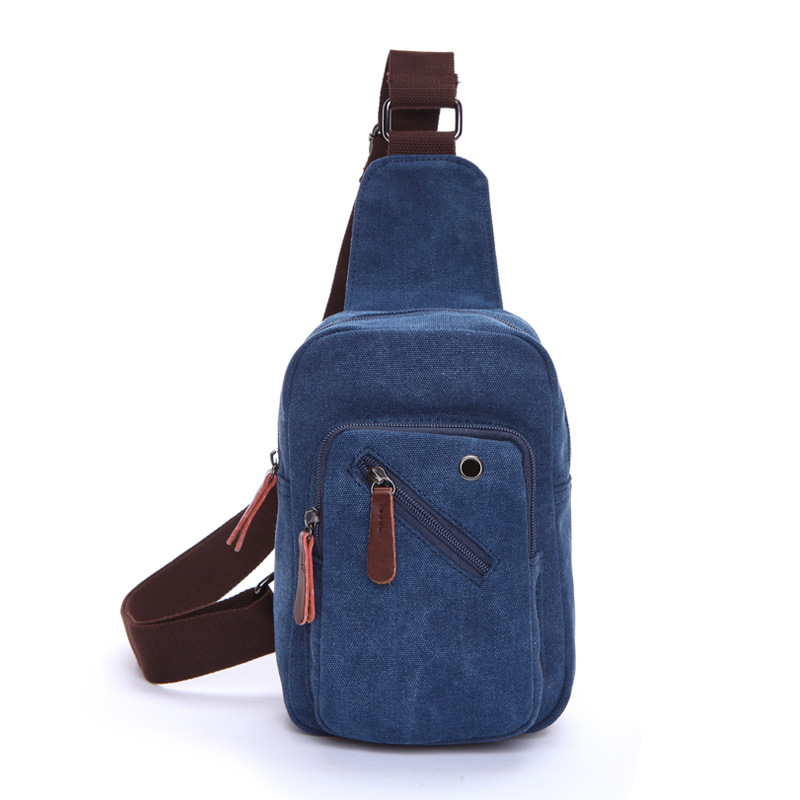
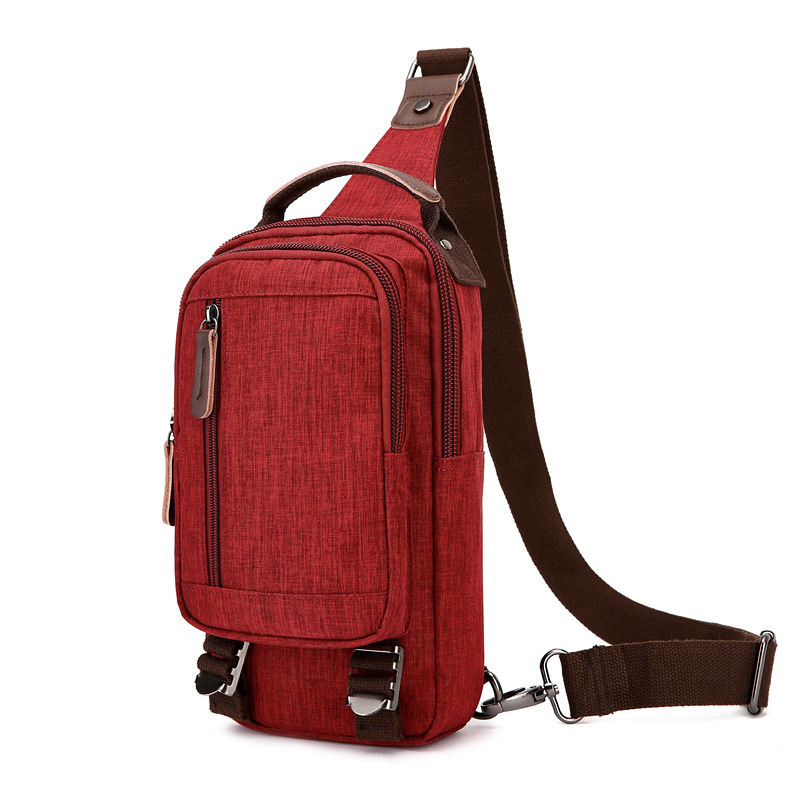
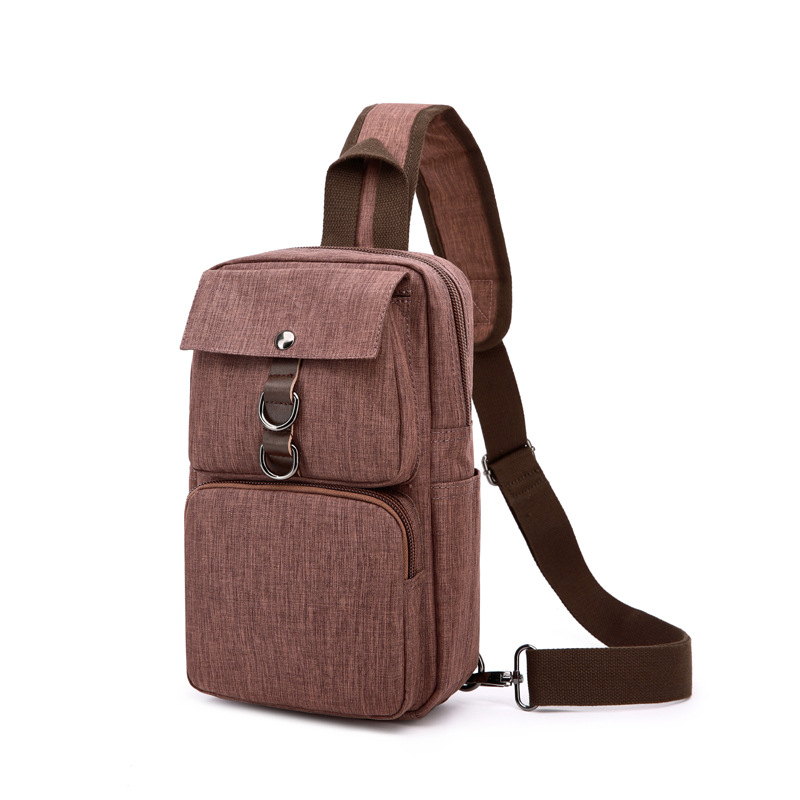
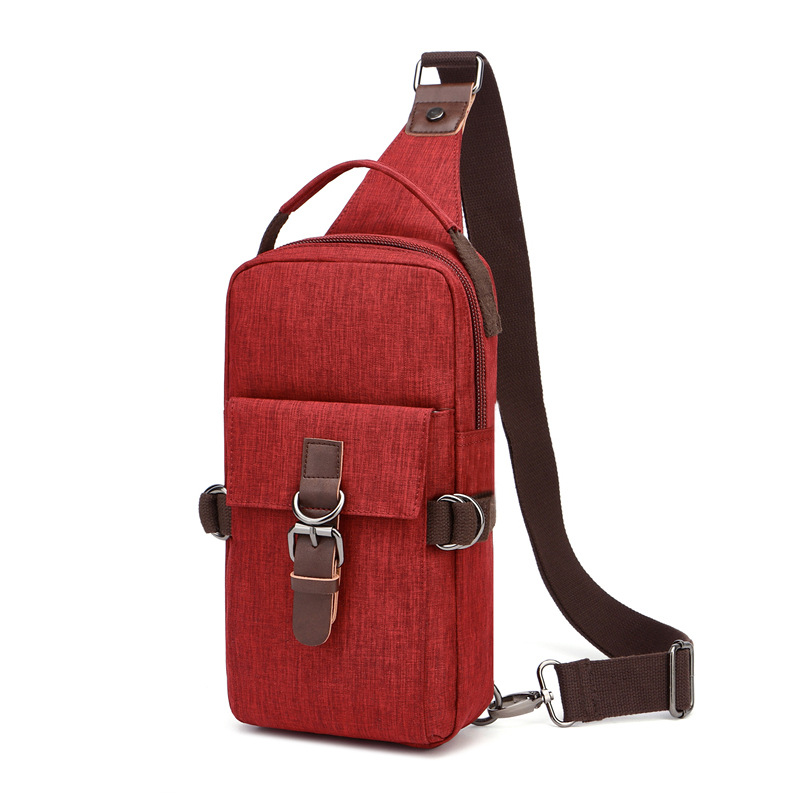
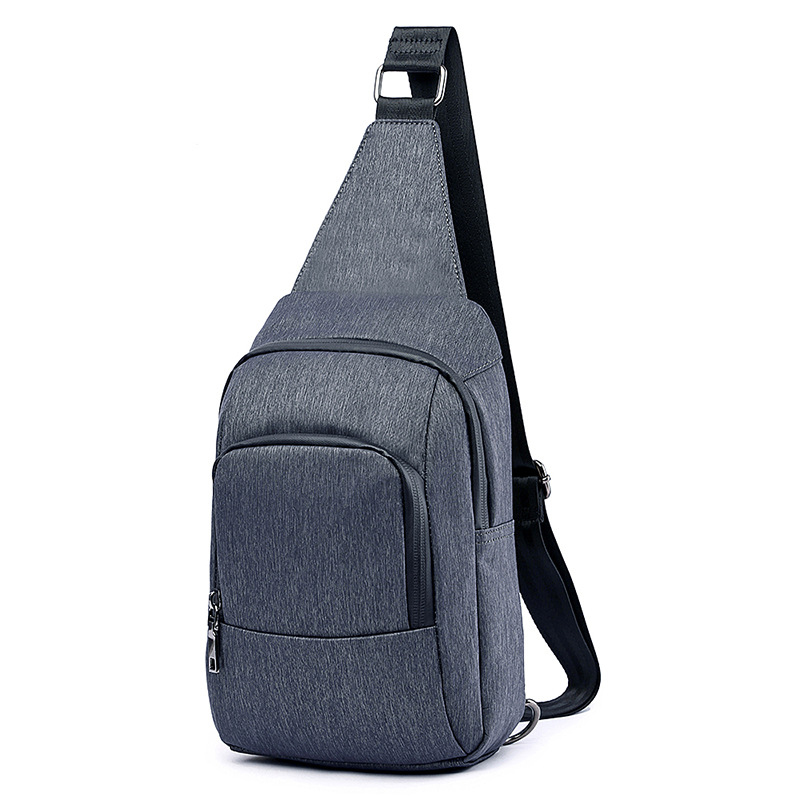
From a manufacturing perspective, most waist bags fall into softgoods production: cut-and-sewn fabric panels, stitched zippers, webbing straps, and mixed hardware. The visible examples suggest a rectangular body with slightly tapered lower corners, a front zip pocket, and a main zippered compartment. That shape is not decorative only; it helps the bag sit flatter against the torso and reduces the wobble that makes small bags annoying to wear.
Quick comparison: the common carry formats
Traditional fanny pack
Usually worn at the waist, often compact, and best for quick access. A good one needs a reliable buckle and enough strap length for a wide range of users.
Crossbody waist bag
Often worn diagonally across the chest or back. This can appeal to trend-focused buyers and offers a different styling option, though the strap geometry should still support waist carry if that is part of the design intent.
Waterproof waist bag or water resistant fanny pack
These terms are attractive in listings, but they should be used carefully. The supplied information does not verify waterproofing, so buyers should not assume it from appearance alone. Coated fabrics and protected zipper designs can help, but true water resistance depends on material, seam construction, and closure design.
Construction details that affect performance
The visible products described appear to use a woven synthetic exterior or a coated synthetic surface, paired with a black adjustable webbing strap and metal-looking zipper pulls. That combination is common because it balances cost, weight, and durability. Still, the details matter. A bag can look similar across suppliers while performing very differently once it is loaded, twisted, or exposed to daily friction.
For example, the side-release buckle or clip hardware should be evaluated for ease of use and accidental opening. Zipper tape placement and seam reinforcement matter because the main compartment gets repeated stress every time the user reaches for a phone or wallet. A front pocket is convenient, but if it is too shallow or the zipper path is weak, it becomes more decorative than useful. That is a buyer-facing warning worth repeating: extra pockets are only valuable when they are usable.
How to choose the right waist bag spec
Start with the intended carry load. If the user only needs a phone, keys, and cards, a slim profile is ideal. If the bag must handle travel documents, charging cables, or a compact power bank, the body needs a little more depth and the strap should support a fuller shape without twisting. A compact waist pack can look efficient in a sample photo, then feel cramped once product team members actually load it with everyday items. That mismatch is common.
Next, look at wear mode. A waist-worn bag should sit close to the body and stay balanced. A crossbody waist bag needs a strap and attachment layout that allows diagonal carry without awkward flipping. For users who shop specifically for a water resistant fanny pack, verify what that claim means in practice. If the supplier cannot document the fabric or seam treatment, treat the claim cautiously.
Common mistakes in development and sourcing
One frequent mistake is overemphasizing style while ignoring access. A sleek profile is useful, but the zipper pull should be easy to grab with one hand. Another is choosing hardware that looks premium but is too heavy for a small bag. On a compact bag, excess hardware can make the product feel clumsy and undermine the lightweight impression buyers expect.
Another issue is audience assumptions. The terms fanny pack women and fanny pack men may help product positioning, but they should not drive an overly narrow construction spec. A well-designed waist bag usually succeeds because it is adaptable, not because it is locked to one user group.
Practical buying advice for teams and retailers
Ask for sample evaluation based on usage, not just appearance. Test how the bag sits when filled, how the zipper runs under slight tension, and whether the strap adjustment stays in place. If the bag is intended for travel or daily commute use, check whether the front pocket can hold the items people actually reach for most often. The best-looking sample often loses ground once the practical questions begin.
If you are comparing a belt bag against other compact carry options, think in terms of movement. A waist bag should reduce friction in the day, not add another thing to manage. That is why this category remains relevant across casual retail, travel goods, and lightweight urban carry lines.
What to do next
If you are building or sourcing a waist bag program, define the use case first: everyday carry, travel, cycling, promotional retail, or fashion-led merchandising. Then match the structure to that use case and verify the materials, strap hardware, and closure system before approving production. Small bags can be deceptively simple, but the good ones are built on disciplined details.