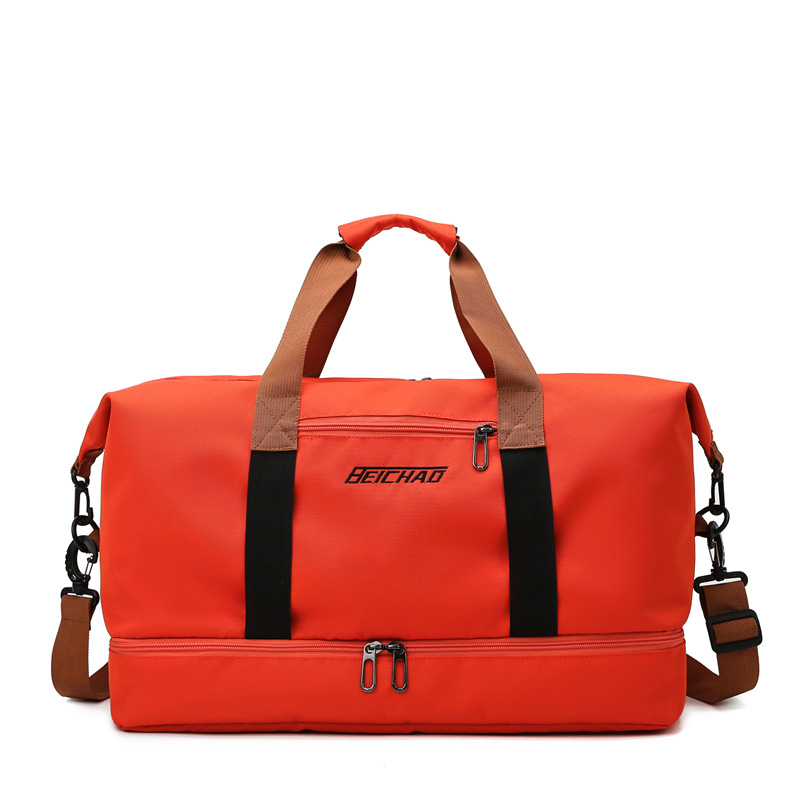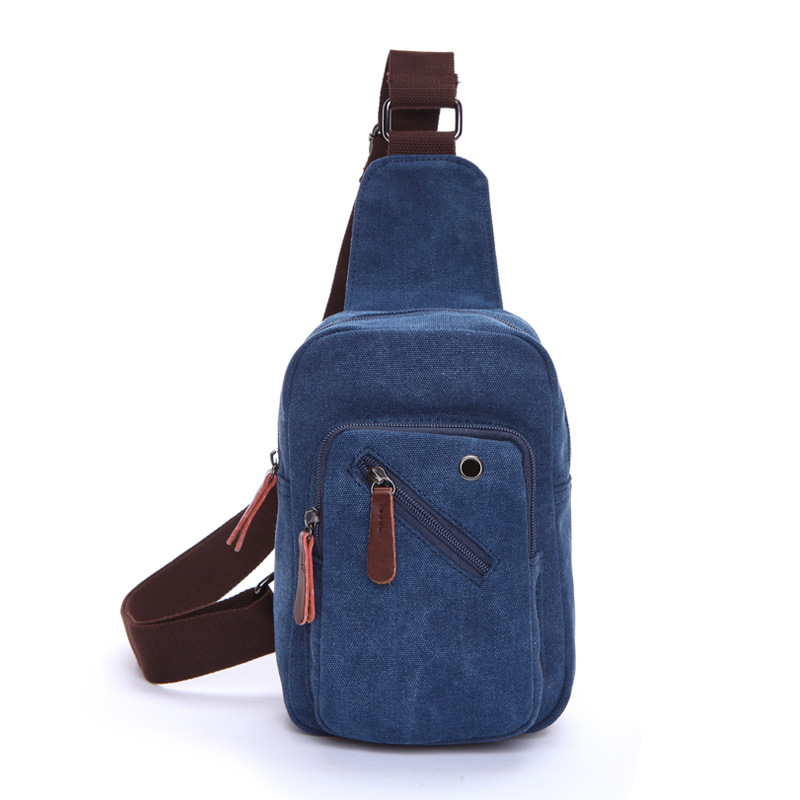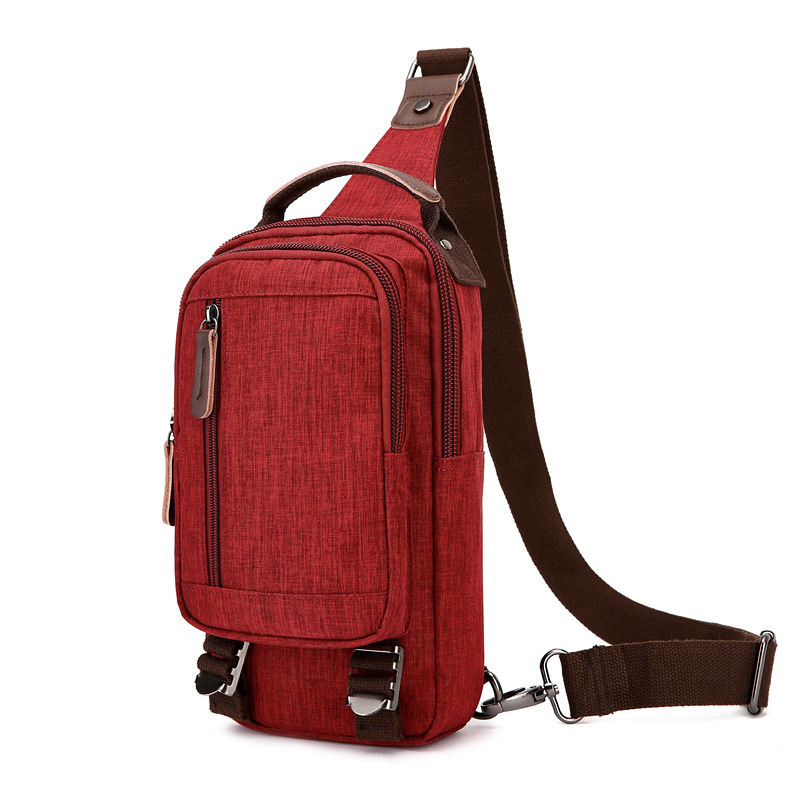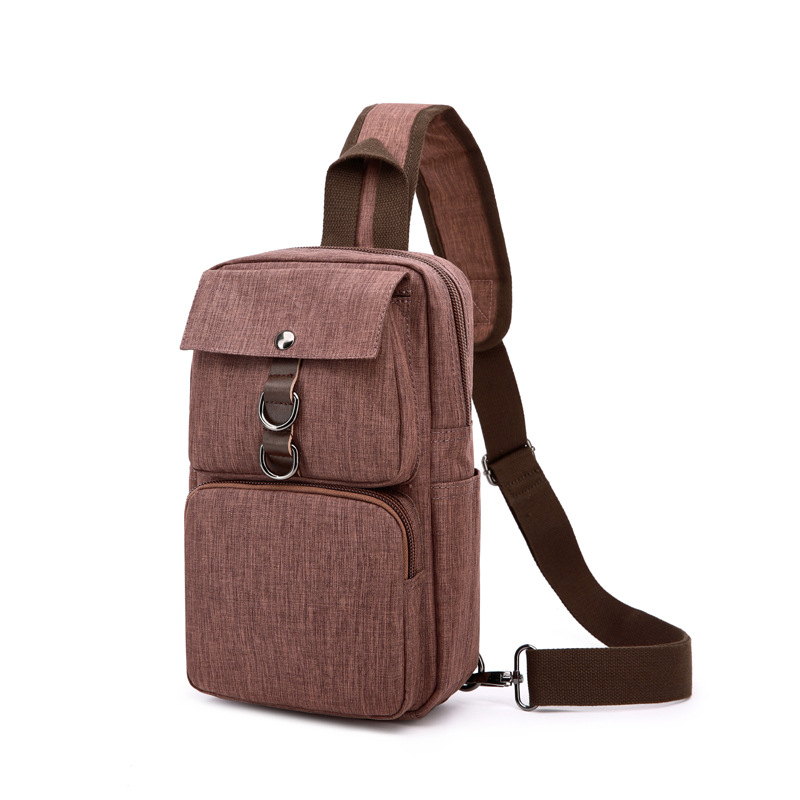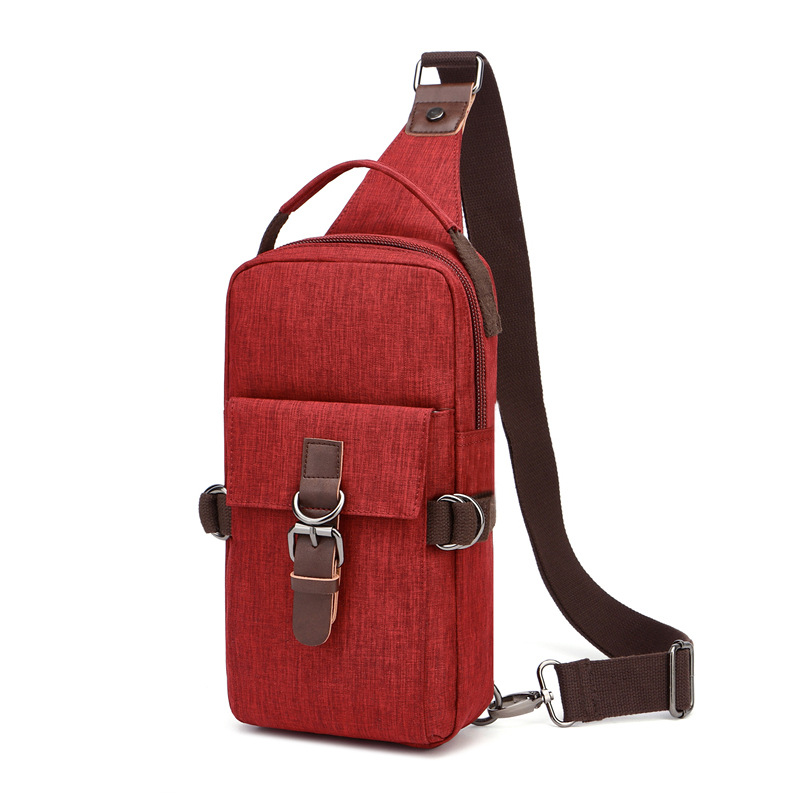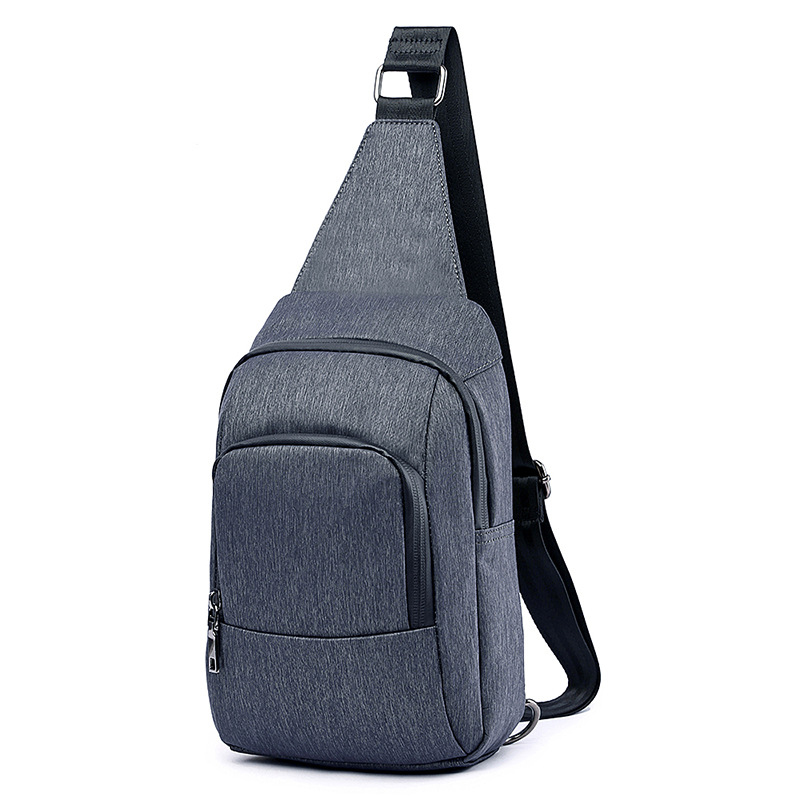
Why the waist bag still matters in buying decisions
The waist bag has moved far beyond its old reputation as a novelty accessory. For sourcing teams, retailers, and private-label buyers, it now sits in a useful middle ground: compact enough for everyday carry, practical enough for travel and outdoor use, and easy to adapt into different price points and styles. That flexibility is exactly why the category keeps showing up in assortments, from basic event giveaways to premium commuter gear.
What makes the category worth attention is not just style. A good waist bag solves a storage problem without forcing the user into a full backpack or bulky shoulder bag. That matters for consumers carrying phones, wallets, keys, transit cards, small tools, snacks, or a passport. If the bag is designed well, the wearer barely notices it; if it is designed poorly, it becomes annoying fast. For buyers, that difference affects returns, reviews, and repeat orders.
Quick take: what buyers usually compare
In practice, most waist bag evaluations come down to a short list: fit, comfort, capacity, closure quality, fabric durability, and how the product is worn. Some buyers want a classic fanny pack silhouette. Others are looking for a more modern crossbody waist bag that can be worn across the chest or at the hip. The same platform can often support both, but the hardware and strap geometry need to be planned with care.
There is also a difference between a travel waist bag and a sports waist pack. Travel versions usually emphasize anti-theft features, organized pockets, and a lower profile under jackets. Sports-oriented designs prioritize bounce reduction, breathable backing, and easy access while moving. Outdoor buyers may prefer an outdoor waist bag with tougher fabric and weather resistance, while fashion-led programs often focus on shape, color, and hardware finish.
Common waist bag types and where they fit
Fanny pack formats
A traditional unisex fanny pack is usually the simplest structure: one main compartment, a front zip pocket, and an adjustable belt bag strap. It is often the easiest item to source at scale because the construction is straightforward. That said, simplicity does not guarantee quality. Zippers, stitching at stress points, and strap slippage are where low-cost products tend to fail.
Crossbody and convertible styles
The crossbody waist bag has become popular because shoppers like versatility. They can wear it at the waist one day and across the torso the next. For brands, that versatility is useful, but it can create mixed expectations. If the bag is too small, it looks awkward crossbody. If it is too large, it may sit poorly at the waist. The pattern has to be balanced, not just trendy.
Special-purpose packs
An adjustable belt bag built for fitness or outdoor use should be judged differently from a fashion bag. Elasticity, airflow, and movement stability matter more here than decorative panels. A sports waist pack may need low-profile pockets and secure closures. An outdoor waist bag often benefits from abrasion-resistant materials and water-repellent finishes, though buyers should be careful not to assume every “water-resistant” claim means the same thing. It usually doesn’t.
Selection criteria that actually affect performance
Fabric choice is one of the first decisions. Nylon, polyester, and coated fabrics are common because they offer a workable balance of weight, cost, and durability. The right choice depends on the use case, not just the marketing brief. A commuter bag may not need the same ruggedness as a trail or festival product. A travel program may care more about low bulk and packability than heavy structure.
Strap construction deserves more attention than it often gets. If the buckle feels flimsy or the adjuster slips, users notice immediately. Buyers should ask whether the strap length fits the intended customer and whether the bag can be worn comfortably over thicker clothing. This is a small detail on a spec sheet, but it can decide whether the product works in winter, on the go, or over outerwear.
Pocket layout is another common trap. Too many compartments can make a waist bag awkward and inflate cost without improving usability. Too few pockets can frustrate customers who want quick access. The best layouts usually reflect the actual contents the customer will carry, not an abstract idea of “more organization.”
Practical buyer cautions
One common mistake is treating all waist bags as interchangeable. They are not. A design that works for a music festival crowd may not suit a business traveler. A fashion-first silhouette may fail if the zipper pull is hard to grip or if the bag shifts during walking. Another easy mistake is over-specifying features the target user will not pay for. That can push the item out of its intended price band and make margins harder to defend.
Buyers should also think about presentation. Color range, logo placement, and packaging can matter as much as the bag itself in retail channels. For private label, the bag may be small, but the brand impression is not. A clean, well-finished waist bag can punch above its weight; a sloppy one tends to look cheap immediately, even if the base materials are acceptable.
What a smart purchasing decision looks like
The best sourcing decision is usually the one that matches structure to use case. Start with the end user: commuter, traveler, runner, outdoor buyer, or style-focused shopper. Then choose the right bag form, strap system, and compartment layout. If you are comparing a fanny pack against a crossbody waist bag, or a travel waist bag against a sports waist pack, the answer should come from how the bag will be worn, not from trend language alone.
If you are building a new assortment, ask for samples that reflect real carrying habits and real movement. Try them with a phone, keys, and a wallet at minimum. That sounds basic, but it is exactly where weak designs reveal themselves. A waist bag can look excellent on a product page and still disappoint in hand.
FAQ
Is a waist bag still relevant for modern consumers?
Yes. The format remains useful because it gives users hands-free storage without the bulk of a backpack.
What is the difference between a fanny pack and a crossbody waist bag?
A fanny pack usually implies waist wear, while a crossbody waist bag is designed to be worn across the body as well. Many products now support both styles.
Which type is best for travel?
A travel waist bag is usually the best fit for travel because it emphasizes organization, low profile, and quick access. Still, the best choice depends on what the traveler carries.
Next step for buyers
Before placing an order, define the wearing style, target user, and key carry items. Then compare samples on comfort, access, and build quality rather than appearance alone. That simple discipline usually saves more trouble than it costs.