Waist Bag Buying Guide: What Matters When You’re Choosing Styles for Travel, Retail, or Promotional Use
A waist bag looks simple on the surface, but sourcing one for a brand, retail line, event, or travel collection involves more than picking a shape and a zipper. Buyers usually want a mix of utility, appearance, comfort, and cost control. The right waist bag has to sit well on the body, carry the essentials without sagging, and survive enough daily use to avoid becoming a return problem or a poor giveaway impression. For sourcing teams, that makes material choice, closure style, and strap construction more important than the trend-driven look alone.
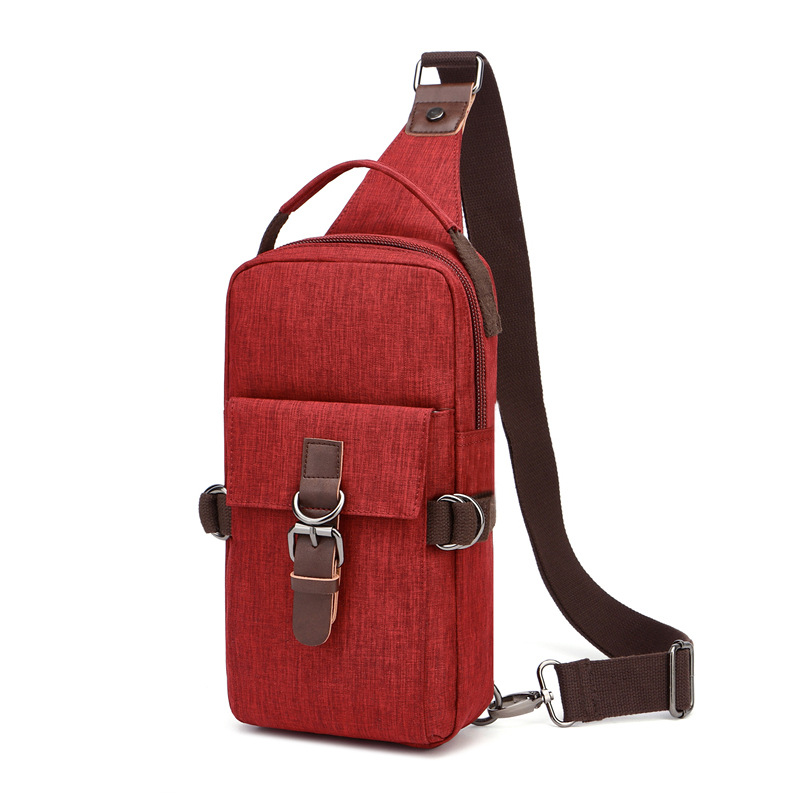
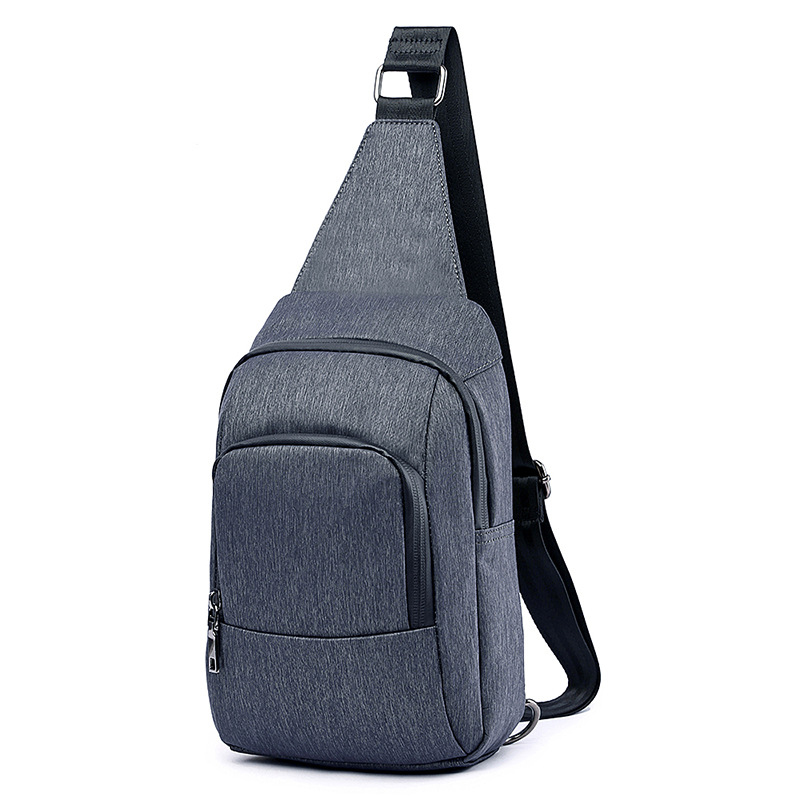
There is also a naming issue that matters in product planning. Some markets still say fanny pack, while others prefer waist pack or crossbody waist bag. In practice, the product may be worn at the waist or slung across the chest, so merchandising and catalog copy need to reflect actual use rather than a single label. If you are building a range for travel, festivals, or casual retail, that distinction affects both customer expectations and how you compare suppliers.
Why This Category Keeps Coming Back
The waist bag has stayed relevant because it solves a very basic problem: people want hands-free storage without carrying a full backpack or handbag. That makes it useful for commuters, travelers, event-goers, runners, merch buyers, and brands looking for compact promotional items. The product category moves with lifestyle trends, but the functional reasons behind it have not changed much.
A good bag should carry a phone, keys, wallet, and a few small personal items without feeling bulky. Once the shape grows too large or the strap hardware feels flimsy, the bag starts to lose the very convenience that made it attractive. That is why a buyer should look beyond appearance and ask how the bag performs when worn, not just how it looks on a flat table.
Common Styles and When They Make Sense
Standard waist pack
This is the classic form: compact, usually with one main compartment and an adjustable strap. It works well for mass retail and promotional programs because it is easy to produce and easy to explain to customers.
Crossbody waist bag
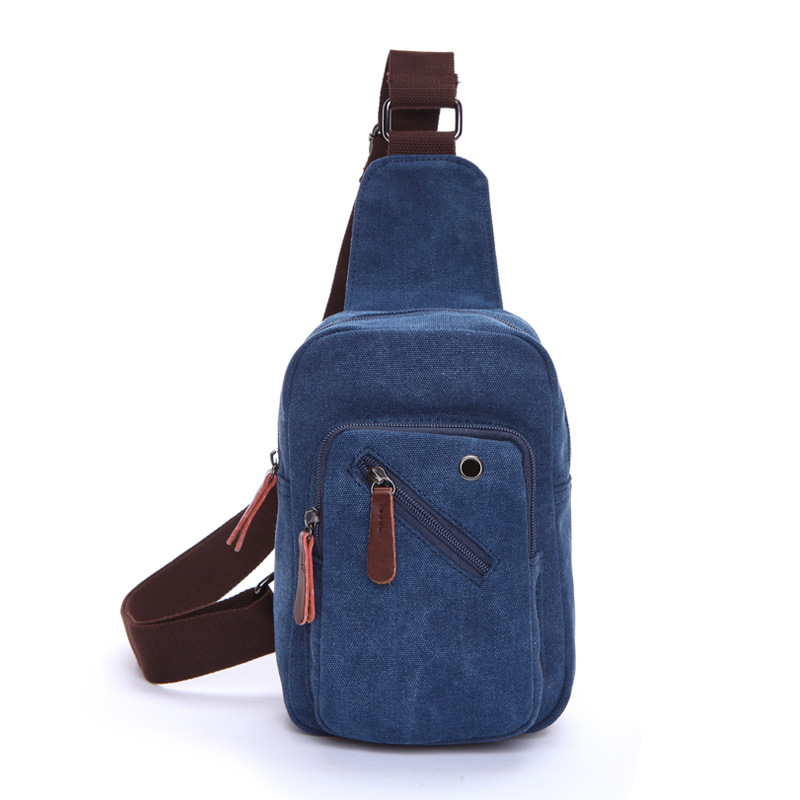
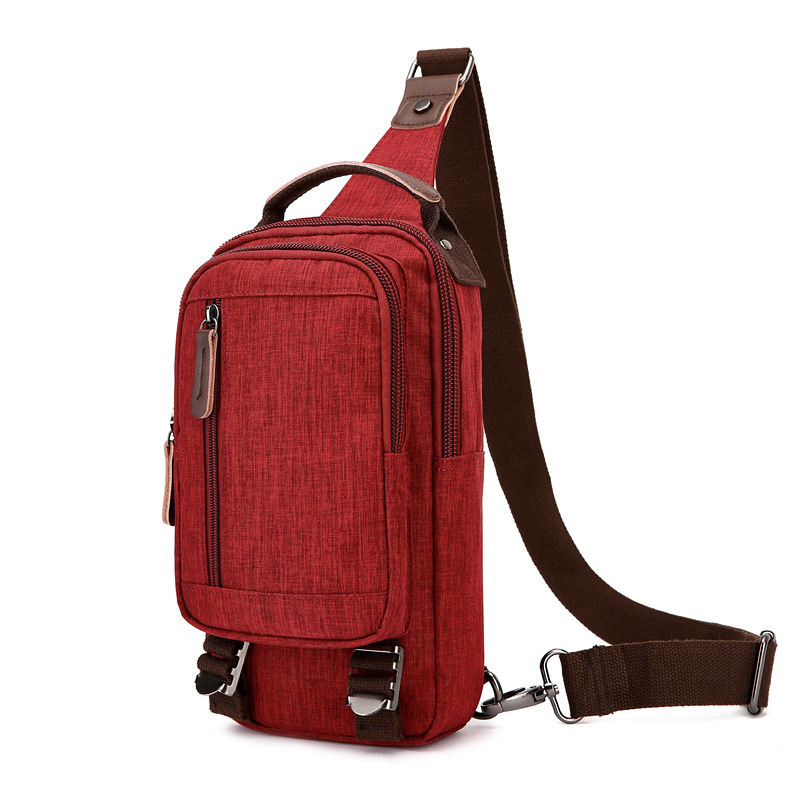
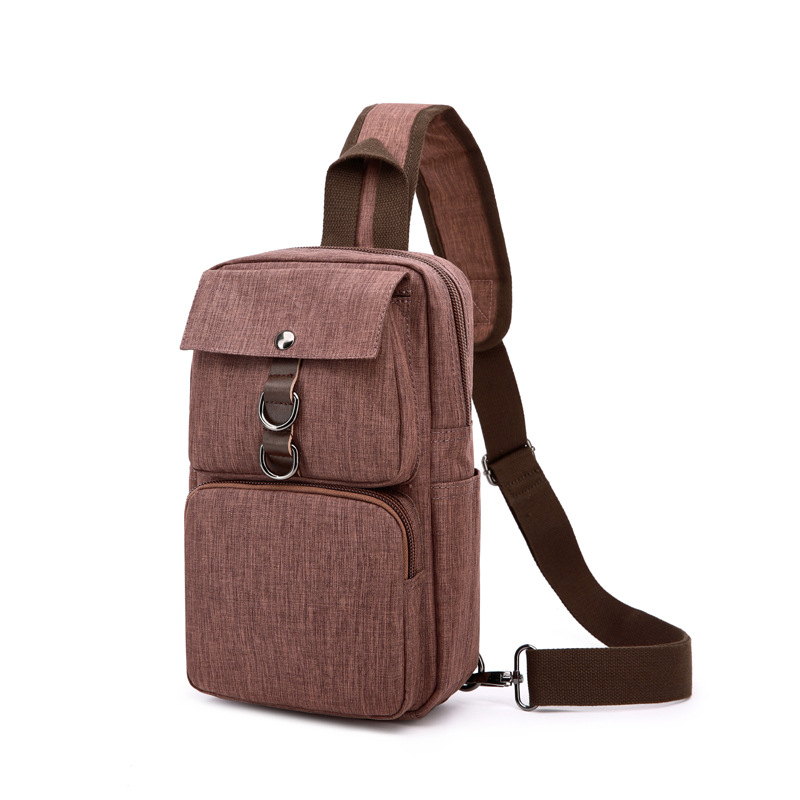
The crossbody waist bag is often chosen for fashion-led collections because it offers more styling flexibility. It can appeal to younger buyers or to travelers who want quick access without wearing the bag tightly around the waist.
Travel-focused versions
A travel fanny pack usually places more emphasis on secure pockets, lighter weight, and low-profile wear. For travel use, buyers should pay attention to zipper quality and pocket layout; convenience matters, but so does discouraging accidental spills.
Festival and event bags
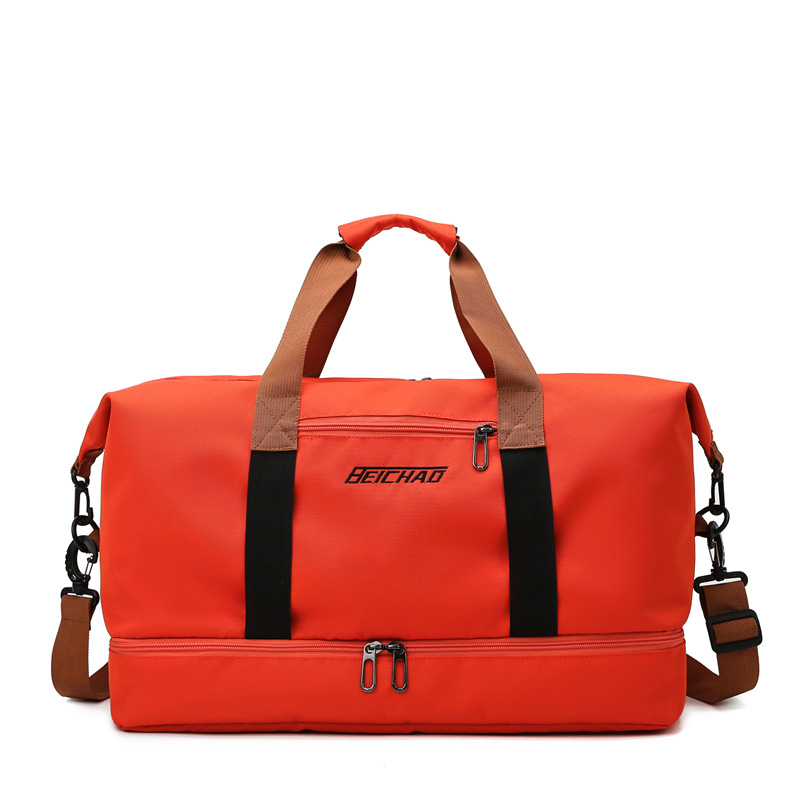
A festival waist bag tends to lean into color, visibility, and easy access. These bags may be selected as merch, staff kits, or branded giveaways. For this use, a clean print area and durable strap adjustment are often more valuable than extra features.
Materials, Hardware, and Build Choices That Change the Outcome
In this category, the outside material affects feel and positioning, but the hidden parts often determine whether the product holds up. Polyester and nylon are common because they are practical, lightweight, and generally straightforward to manufacture. Canvas can create a more casual or heritage look, while coated fabrics may give a sharper, more technical appearance.
Zippers deserve more attention than they usually get. A zipper that catches or opens unevenly can damage the user experience immediately. Buckles and adjusters matter too, especially for a crossbody fanny pack that may be worn at different lengths throughout the day. Stitching around stress points, particularly strap anchors, is another area where buyers should inspect samples carefully.
A small caution here: a bag can look premium in photos and still feel weak in hand if the strap webbing is too thin or the lining collapses when loaded. That is a common mismatch in low-cost sourcing.
What Buyers Should Compare Before Ordering
A practical comparison should cover capacity, comfort, closure security, branding area, and expected use case. If the bag is for travel, security and pocket layout may outrank decorative details. If it is for retail fashion, silhouette and color range may carry more weight. If it is a promotional item, print clarity and cost efficiency usually dominate.
It helps to ask a few blunt questions:
Does the bag stay comfortable when worn for an hour or more?
Does the strap adjust smoothly and hold its position?
Is the zipper pull easy to use but not sloppy?
Will the product still look presentable after repeated use?
Those questions sound basic, but they reveal whether a waist bag is genuinely designed for use or merely styled to look like one.
Common Sourcing Mistakes
One frequent mistake is overloading the bag with design features that do not improve the user experience. Too many pockets can make a small bag awkward. Another is ignoring the relationship between size and wear style. A bag that works as a fanny pack at the waist may feel clumsy as a crossbody waist bag if the strap and body proportions are not balanced.
Another buyer trap is approving samples based only on appearance. That can be costly when the production version uses different trim, lighter hardware, or a less stable internal structure. If a supplier offers multiple variants, make sure the approved sample reflects the exact construction you plan to order.
Practical Next Step for Sourcing Teams
If you are selecting a waist bag for retail, travel, or branded distribution, start with the end use and work backward. Define who will wear it, what they will carry, and whether the product needs a fashion look, a utility look, or a bit of both. Then compare samples with the bag loaded, worn, and adjusted in real conditions. That simple step filters out a lot of weak options before they become a purchase problem.
For teams managing a range, it is usually worth separating the line into clear use cases: standard waist pack, crossbody waist bag, travel fanny pack, and event-focused styles. The names can overlap, but the buyer intent behind them rarely does.
FAQ
Is a waist bag still a practical product?
Yes. The format stays relevant because it is compact, hands-free, and easy to adapt for travel, casual wear, and events.
What makes a crossbody fanny pack different from a standard waist pack?
It is often worn more like a chest or shoulder bag, so strap length, body shape, and visual balance matter more.
What should I check in a supplier sample?
Look at zipper action, strap adjustment, stitching at stress points, and how the bag feels when actually loaded. Those details usually tell the real story.