What Buyers Really Need to Know About a Waist Bag
A waist bag looks simple at first glance, but sourcing one for retail, promotions, travel goods, or activewear lines is a surprisingly practical decision. The wrong design becomes awkward to wear, too small for real use, or weak at the points that fail first: zipper pulls, strap hardware, and stitching around the belt tunnel. The right one disappears on the body and does its job quietly, whether it is sold as a fanny pack, a crossbody waist bag, or a travel waist bag.
For buyers, the real question is not whether the style is “back.” It is what kind of bag fits the intended user, price band, and channel. A sport waist pack needs different structure from a fashion fanny pack. An outdoor waist pack faces different wear patterns than a slim urban carry piece. That distinction matters because consumers notice comfort and build quality fast, even if they do not use technical language to describe it.
Quick Reference: Which Format Fits Which Use?
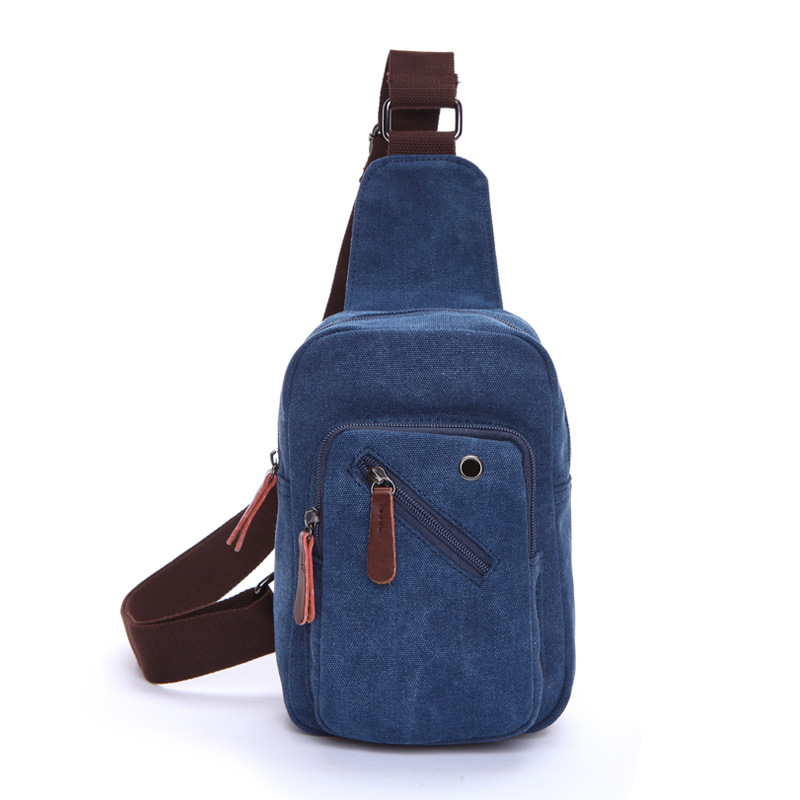
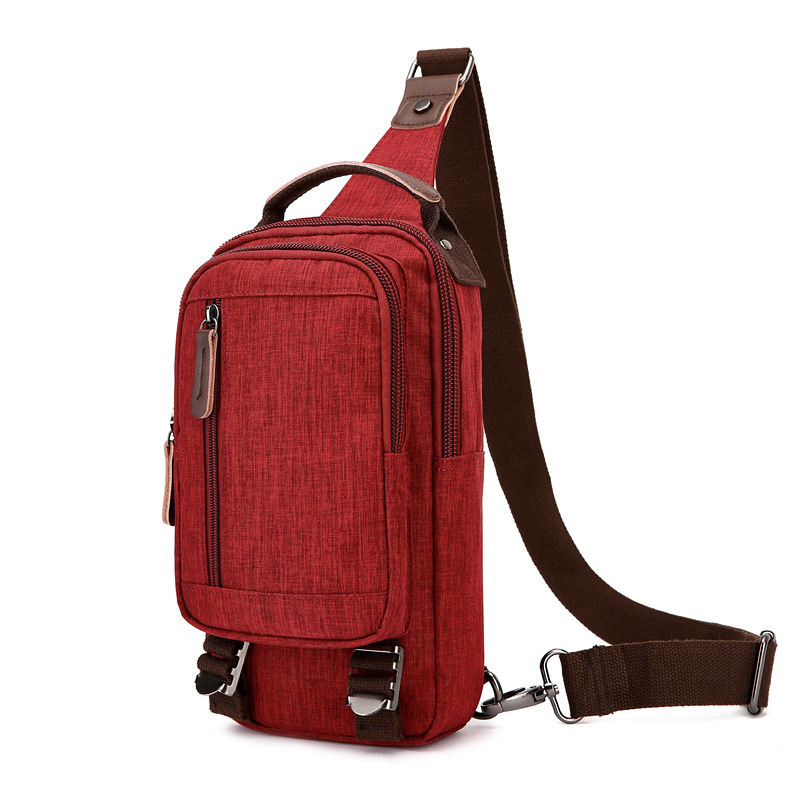
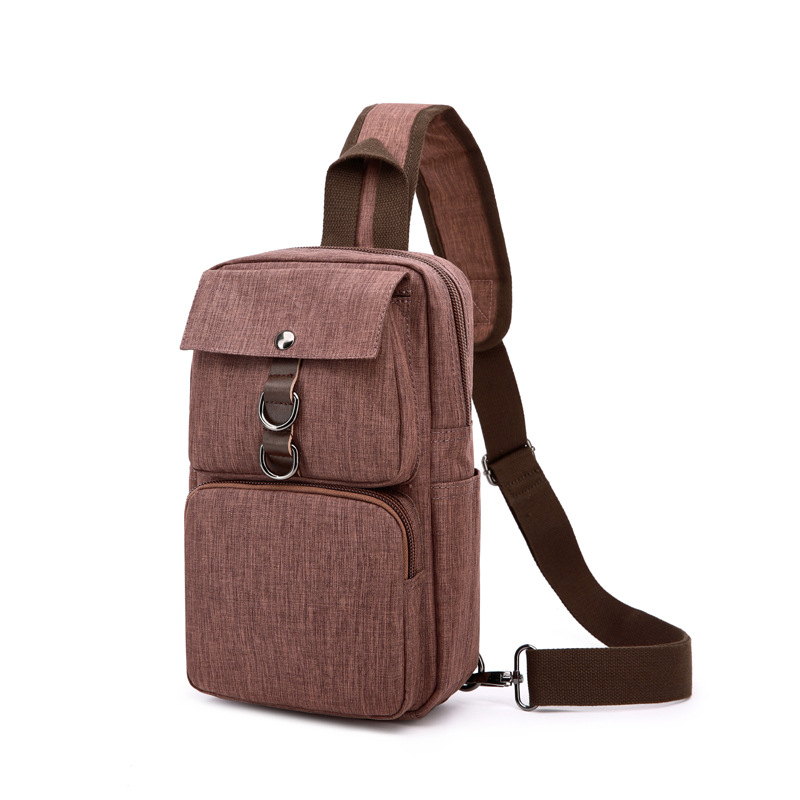
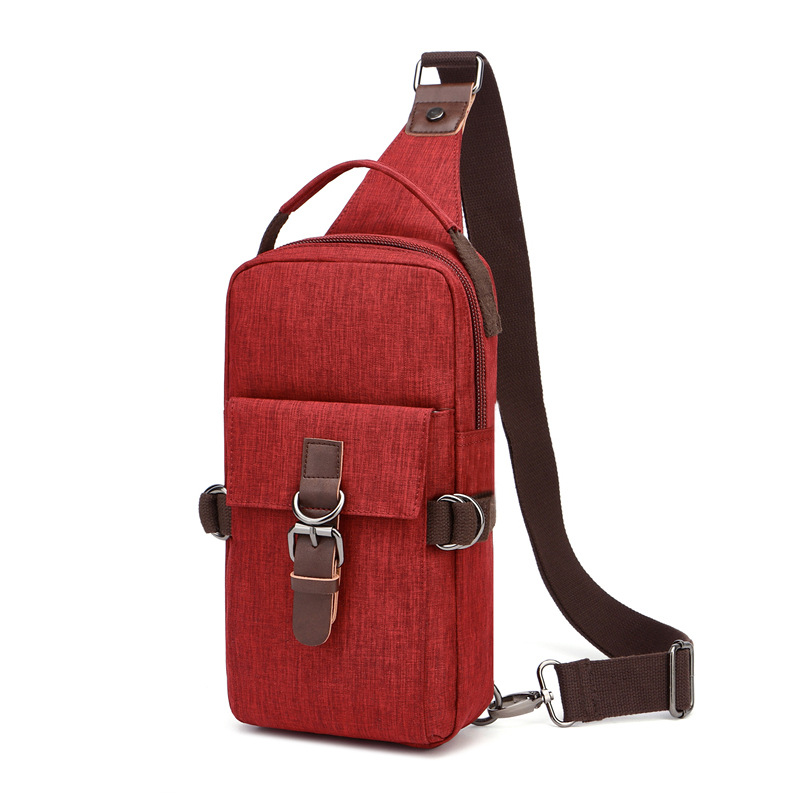
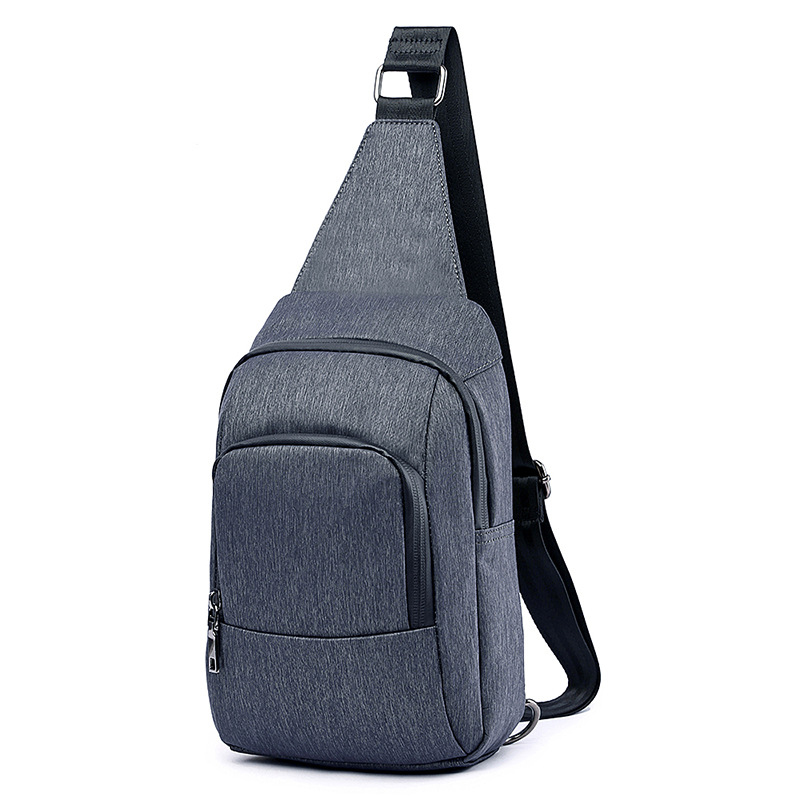
If the product is aimed at commuters or casual wear, a crossbody waist bag often has broader appeal because it can be worn around the waist or slung across the chest. That flexibility has helped the category move beyond its old “festival-only” image. For travel, a travel waist bag usually wins when the design keeps passports, phones, cards, and keys easy to reach without feeling bulky under a jacket.
For active users, a sport waist pack should prioritize stability, low bounce, and easy access. A well-designed strap and back panel matter more than decorative details. Meanwhile, an outdoor waist pack may need more abrasion resistance, better weather handling, and secure closures that are easy to operate with cold hands or gloves. A fashion fanny pack can be softer, more visual, and more trend-driven, but it still has to carry the basics without sagging oddly after a few uses.
Construction Details That Separate a Good Bag from a Disposable One
In this category, fabric choice is often the first signal of quality, but not the only one. Buyers should look at the shell material, lining, zipper grade, strap width, buckle feel, and reinforcement at stress points. A waist bag that looks neat in a photo may still perform poorly if the zipper track catches, the strap slips under load, or the seams distort when packed full.
Shape and Capacity
Capacity should match the actual use case, not just the marketing story. Small silhouettes work for cards, earbuds, and a phone. Larger bodies can handle water bottles, compact cameras, or travel documents, but once the pouch gets too deep, users start fishing around inside it. That is a common complaint and an easy one to miss during product development.
Wear Position
Many buyers now treat the waist bag as a hybrid carry item. The same SKU may be worn at the waist one day and as a crossbody the next. If the strap hardware does not adjust smoothly, that flexibility becomes a liability instead of a feature. A crossbody waist bag should feel intentional in both positions, not like a belt bag being forced into another role.
Selection Criteria for B2B Buyers
When comparing samples, focus on use environment first. A travel waist bag for airport and city use has different priorities than an outdoor waist pack for hiking, cycling, or light fieldwork. Ask how the bag will be carried, what it must hold, and how often it will be opened. Those three questions usually reveal whether the design is overbuilt, underbuilt, or simply mismatched.
Then inspect the parts that are expensive to fix later: zippers, webbing, buckle quality, and seam alignment. A low-cost bag can still be acceptable if those elements are stable. On the other hand, a bag with attractive styling but weak closure hardware often becomes a return problem, which is more costly than a slightly higher unit price.
Common Mistakes Buyers Make
One frequent mistake is choosing a style that photographs well but carries badly. Another is treating all waist bag formats as interchangeable. They are not. Retailers sometimes place a sport waist pack next to a fashion fanny pack and expect the same buyer to respond to both, which usually muddies the offer.
Another practical issue is storage layout. If the main compartment is too minimal, the customer feels limited. If there are too many pockets, the design can become bulky and fussy. The balance is subtle, and it is worth checking samples with real items: a phone, wallet, sunglasses case, tissue pack, and keys will reveal more than a spec sheet.
What to Ask Before You Place an Order
Ask for clear material descriptions, construction photos, and sample feedback from internal wear testing if available. Confirm how the strap adjusts and whether the bag can reasonably function as both a waist and crossbody carry option. If the product is intended as an outdoor waist pack or travel waist bag, ask how it behaves when partially filled, since many bags look fine only when stuffed to a perfect shape.
For sourcing teams, it also helps to define the user profile early. Is the buyer a commuter, traveler, runner, festival-goer, or style-focused shopper? That answer will point you toward the right proportions, trim, and closure style faster than debating aesthetics in the abstract.
FAQ: Short Answers Buyers Usually Need
Is a waist bag still relevant?
Yes. The category has broadened beyond its old image and now includes practical carry products for travel, sport, and casual wear.
What is the difference between a fanny pack and a crossbody waist bag?
In practice, the terms often overlap. A crossbody waist bag usually emphasizes dual wear options, while a fanny pack is often used as a more general style term.
Which version is best for retail?
That depends on your channel. Lifestyle stores often do well with fashion-led shapes, while travel and outdoor channels usually need more functional designs.
Next Step for Sourcing and Product Teams
If you are evaluating a waist bag program, start with the use case, then test the construction with real carry loads. That simple step filters out a lot of weak concepts before you spend time on packaging, colorways, or minor styling changes. A bag that wears comfortably, opens easily, and holds up at the stress points will always have a better chance of selling through than one that only looks current in a product shot.