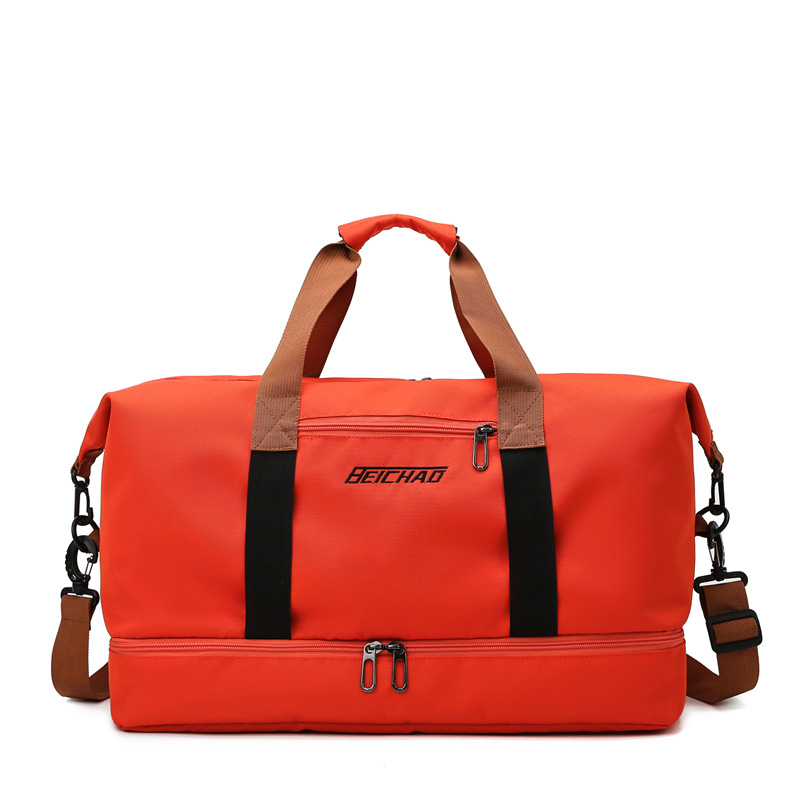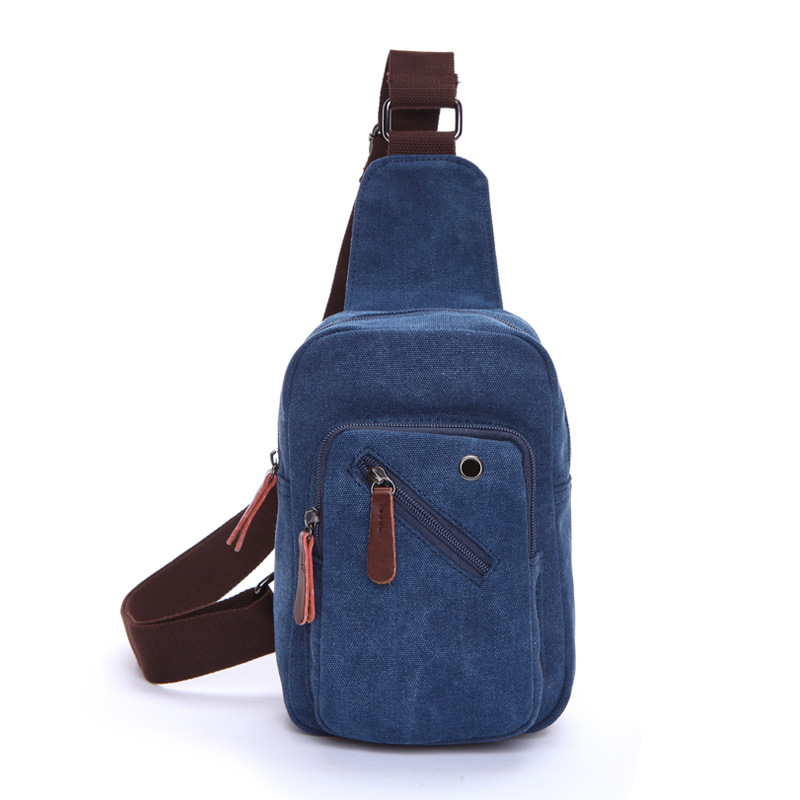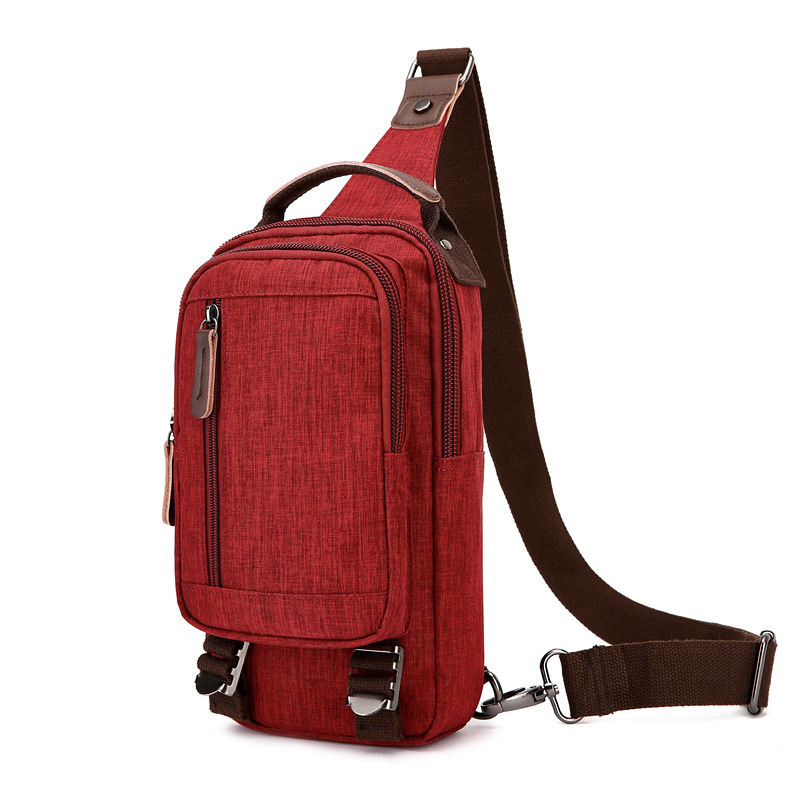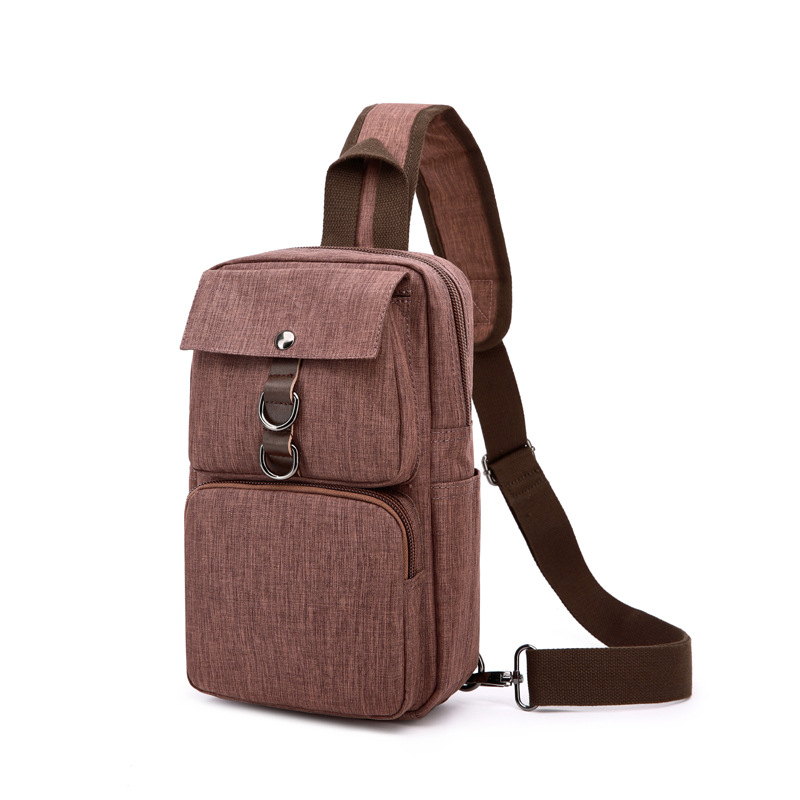
Waist Bag Buying Guide: What Matters for Travel, Sport, and Everyday Carry
A waist bag is no longer just a festival accessory or a carryover from old utility gear. For many buyers, it has become a practical small-carry solution: hands free, close to the body, and faster to access than a backpack. That matters whether the user is commuting, running errands, traveling light, or moving through a site where pockets are not enough and a tote is just one more thing to manage.
For sourcing teams and product planners, the real decision is not whether waist bags sell. It is which style fits the use case, what materials hold up, and where buyers are likely to reject a design that looks good on paper but fails in daily use. A good product can sit comfortably, keep contents organized, and survive repeated opening, sweating, abrasion, and rough handling. A weak one becomes dead stock.
Why buyers choose a waist bag instead of a backpack or pocket carry
The appeal is simple. A waist bag keeps essentials within reach without asking the user to remove a pack or dig into deep compartments. For people who travel, walk dogs, cycle, attend events, or work in active environments, that convenience is not cosmetic. It changes how often the bag gets used.
In the field, users usually care about three things: access, comfort, and confidence that the zipper or buckle will not fail at the wrong time. That is why the category has widened into several practical forms, from the compact running waist bag to the more fashion-driven leather waist bag and the durable nylon waist bag built for repeated use.
Quick comparison: common waist bag types and where they fit
Crossbody waist bag
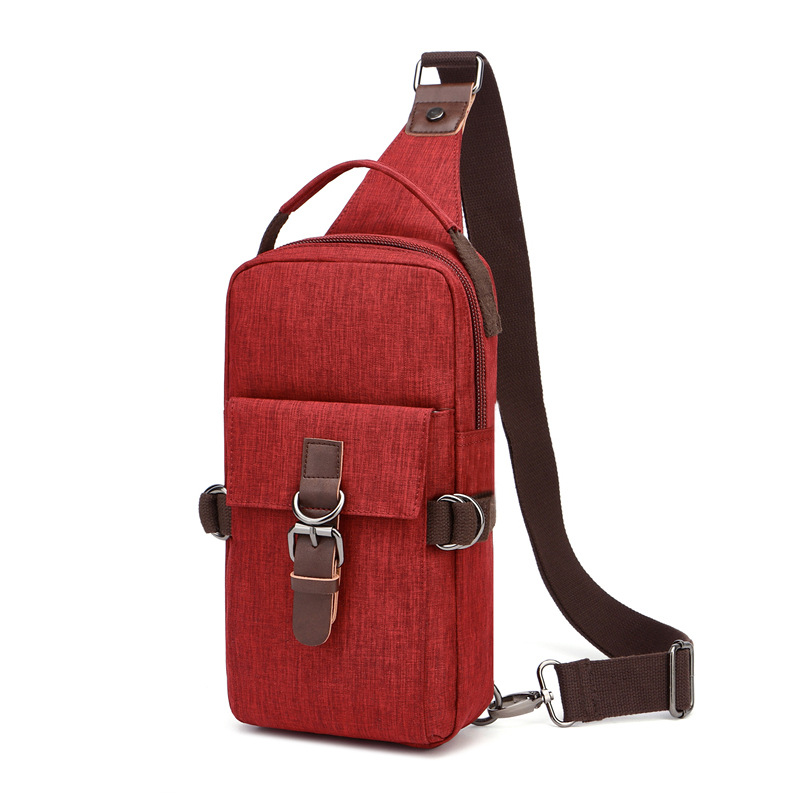
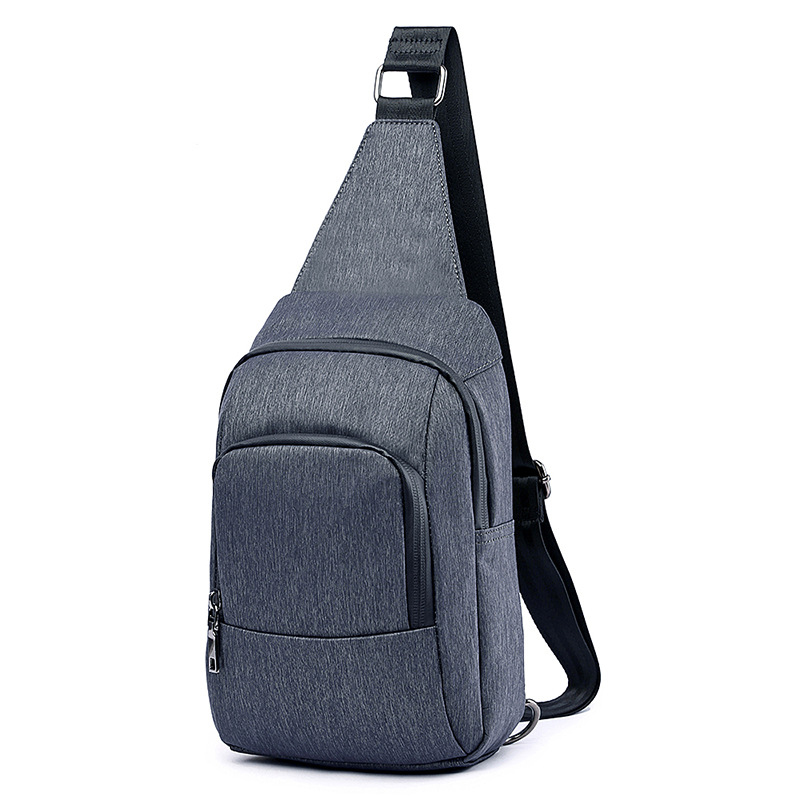
The crossbody waist bag is often favored when buyers want a more modern silhouette and flexible wear options. It can sit at the waist, across the chest, or at the back depending on the strap design. This versatility helps retail appeal, though it also means the strap hardware and adjustment range matter more than they might on a simpler pouch.
Travel waist bag
A travel waist bag usually emphasizes passports, cards, phones, and small documents. Buyers should look for secure closures, enough interior structure to avoid a collapsed shape, and a profile that does not snag under jackets or seatbelts. Overbuilt compartments can help, but too many pockets sometimes make the bag slower to use than expected.
Sports waist bag and running waist bag
A sports waist bag or running waist bag needs stability above all else. Bounce is the common complaint. Low-profile shapes, breathable backing, and adjustable straps reduce movement during activity. If the bag is intended for active use, the zipper pull, seam placement, and weight distribution deserve more attention than decorative details.
Waterproof waist bag
A waterproof waist bag is useful when the contents cannot afford moisture exposure, but buyers should read claims carefully. Water resistance, splash resistance, and true waterproof performance are not the same thing. Sealed construction and closure design usually matter more than the marketing language printed on the hangtag.
Material choices: what the fabric changes in real use
Material affects more than appearance. It changes weight, wipeability, structure, and how the product ages.
A nylon waist bag is a common practical choice because nylon tends to balance light weight and durability. It also supports a wide range of finishes and colorways, which is useful for both lifestyle and utility programs. For buyers focused on daily wear and outdoor crossover appeal, nylon often makes the easiest starting point.
A leather waist bag sits in a different lane. It tends to lean toward premium styling and fashion use rather than hard sport performance. The tradeoff is clear: leather can elevate perceived value, but it may be less forgiving in wet conditions and may require more careful care instructions. If the target customer wants a refined look, that can be worth it. If the user wants something they can throw in a gym bag, maybe not.
Selection criteria that actually influence sell-through
When evaluating a waist bag for sourcing or development, buyers should focus on practical criteria instead of only shape and trend:
First, capacity should match the use case. A compact bag that cannot hold a phone, wallet, and keys is a problem, but an oversized version may look awkward and defeat the purpose.
Second, strap comfort matters more than many teams expect. Narrow webbing can work for lightweight carry, but it may cut into the body during longer wear. Adjustable hardware should feel reliable and easy to operate with one hand.
Third, access is critical. If the main zipper is buried under excess trim or the opening is too small, users notice immediately.
Fourth, finish quality is not just cosmetic. Stitching, binding, zipper action, and lining choice all influence whether the product feels dependable.
Common mistakes buyers make
One common error is assuming every waist bag should be marketed the same way. A fashion-forward city buyer, a trail runner, and a traveler passing through airports are not looking for the same thing. Another mistake is overloading a small bag with features that sound useful but make the product heavier and less intuitive. Extra pockets can help, but they can also become clutter.
It is also easy to under-spec the closure system. On a sample table, a zipper may feel fine. After a few weeks of actual use, weak pulls, poor alignment, or snag-prone pocket construction can become obvious. That is the sort of issue that affects returns, not just reviews.
Practical buyer advice
If you are sourcing a waist bag range, define the wear scenario first. Is it meant for travel, sport, daily carry, or fashion retail? That one decision will shape material choice, strap length, pocket layout, and even how the product should be photographed and described.
For active users, prioritize stability and low weight. For travel, prioritize organization and security. For lifestyle retail, prioritize shape, finish, and color. And if you need one product to cover multiple lanes, expect some compromise; the market usually rewards products that do one thing clearly rather than several things vaguely.
FAQ: what buyers often ask
Is a waist bag still relevant?
Yes. The category has adapted into crossbody and activewear formats, which keeps it useful for both functional and style-driven buyers.
Which is better for daily use: nylon or leather?
Nylon is generally more practical for casual, travel, or active use. Leather is more appropriate when the buyer wants a premium look and is willing to accept more care.
What makes a good sports waist bag?
Low bounce, secure fit, light construction, and easy access to essentials.
Next step for product teams and sourcing managers
If you are evaluating a waist bag program, build the brief around the actual user, not the trend name. Separate travel, sport, and fashion requirements early, then compare materials, strap systems, and compartment layouts against that target. A small bag can still create big problems if the design does not match the job.
The best results usually come from a clear use case, a realistic material choice, and a willingness to reject features that look impressive but do little for the person carrying it.