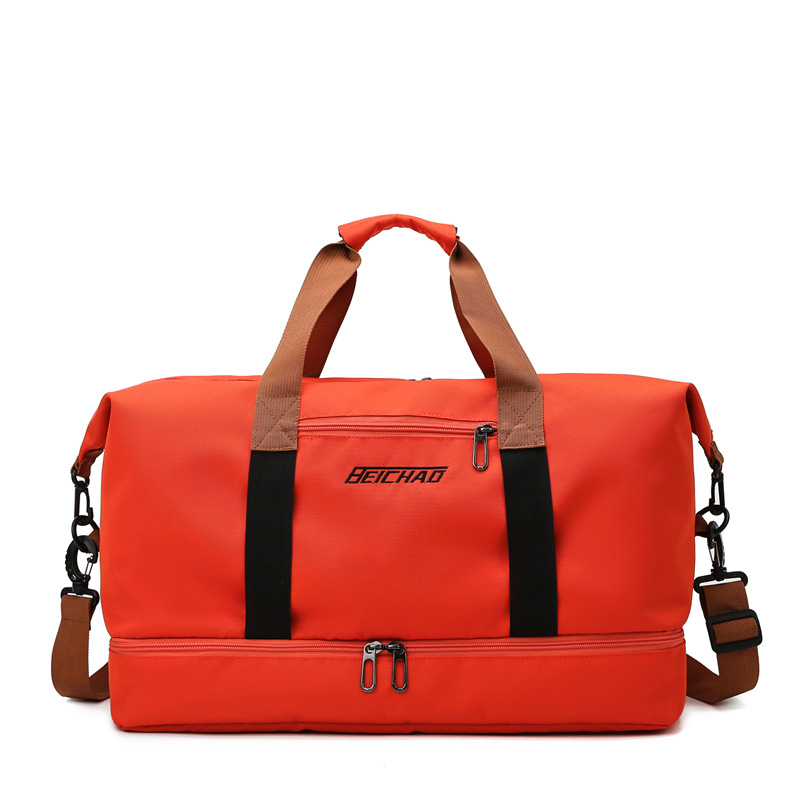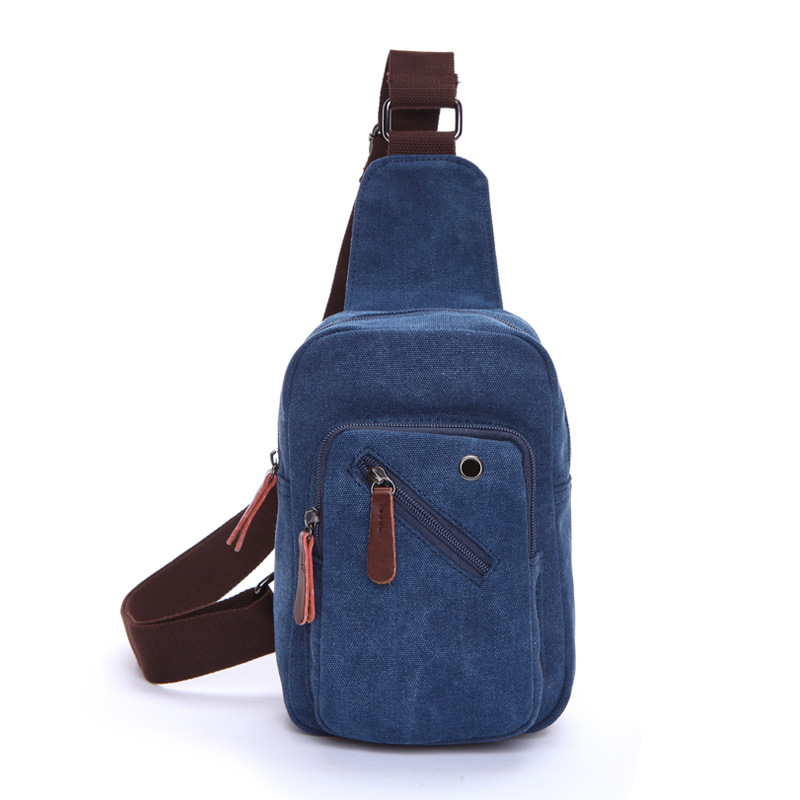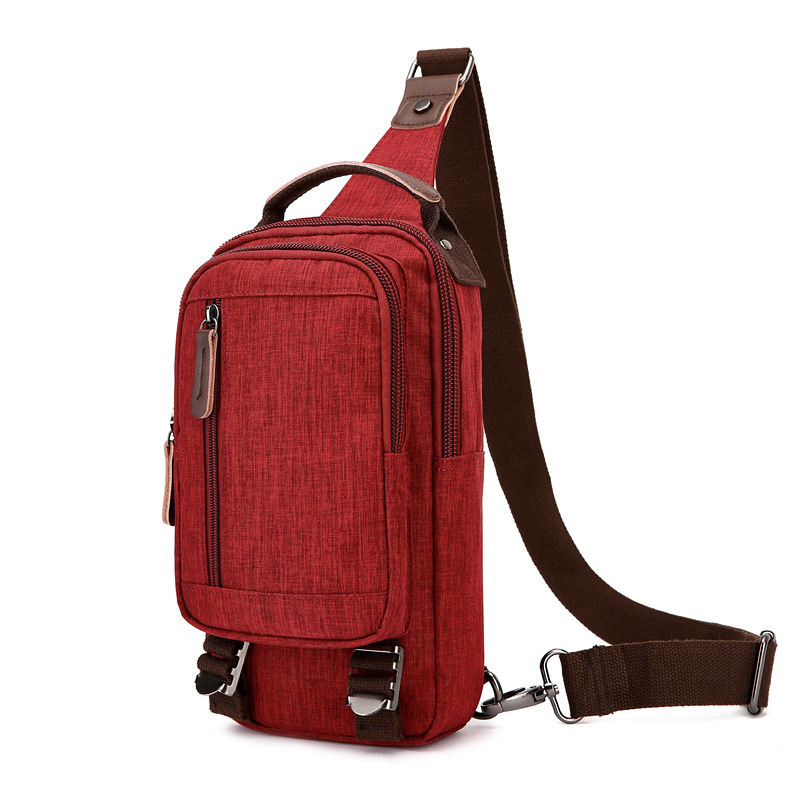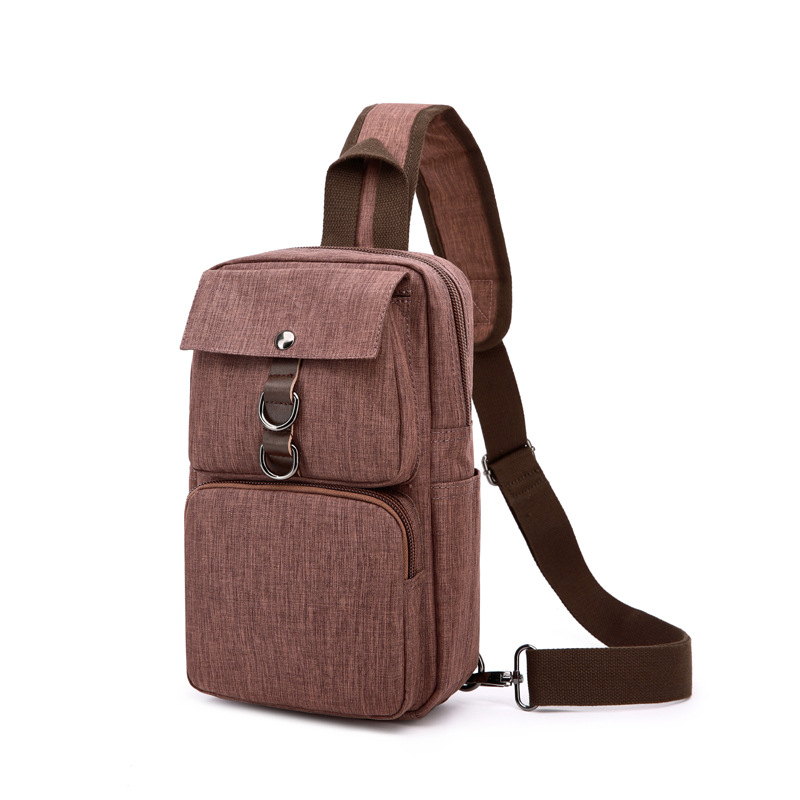
Why the waist bag still matters in product and sourcing decisions
The waist bag has moved well beyond the old image of a tourist accessory. For buyers, product teams, and retail planners, it is now a flexible carry category that sits at the intersection of convenience, fashion, and practical storage. The appeal is easy to understand: it keeps essentials close, leaves hands free, and can be worn in more than one way depending on the customer and the use case. That versatility is exactly why the category keeps showing up in travel, outdoor, festival, and streetwear assortments.
For sourcing teams, the real question is not whether the waist bag sells. It is which construction, size, and wear style will fit the target customer without creating avoidable quality or usability problems. A model that works on a music festival field may not be right for airport transit. A compact urban style may look clean but fail if the pocket layout is too shallow or the strap hardware feels flimsy. Small decisions in materials and layout often determine whether a product looks like an impulse add-on or a repeatable core item.
What buyers usually need to decide first
Before comparing samples, it helps to define the job the bag must do. Some customers want a compact carry piece for a phone, cardholder, keys, and earbuds. Others expect a travel waist bag that can handle passports, boarding passes, and a little extra room for daily movement. A festival fanny pack may need quick access and secure closure more than structured organization. A streetwear fanny pack, by contrast, may win on silhouette, finish, and visual proportion.
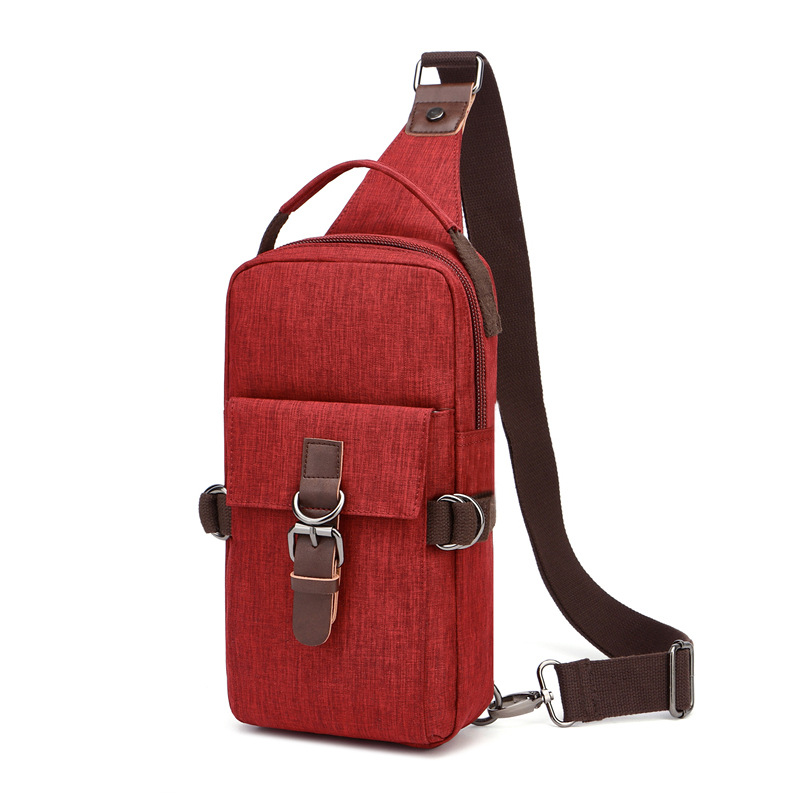
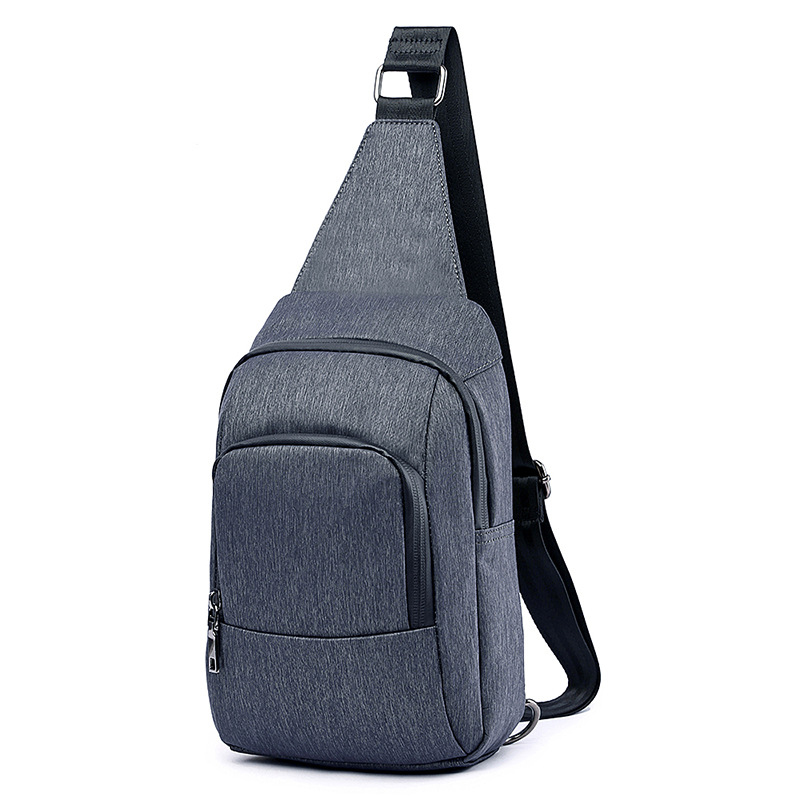
That is why the same product can be sold in different ways. Worn at the waist, it serves as a utility item. Worn across the chest, it becomes more of a style accessory. A crossbody waist bag or fanny pack crossbody format can broaden the audience, but only if the strap length, buckle placement, and bag balance support that second wear mode comfortably.
Key construction choices that affect performance
Material selection
Most buyers will start with shell fabric. Common choices in the category include polyester, nylon, and canvas-like constructions, each with a different mix of appearance, hand feel, and abrasion resistance. A smoother fabric can look cleaner in retail photography, while a heavier weave may feel more durable in hand. The better choice depends on whether the product is aimed at lifestyle fashion, travel, or more rugged everyday use.
Lining material matters too, even though it is often overlooked. A thin but neat lining can help the bag open and close smoothly and reduce the impression of a cheap interior. If the bag will carry delicate items, the lining and pocket finish deserve as much attention as the outer fabric.
Straps, buckles, and wear comfort
The strap is one of the most failure-prone parts of the product if it is underbuilt. Buyers should check adjustment range, edge comfort, and buckle feel, not just appearance. A travel waist bag that slides constantly during walking is a customer complaint waiting to happen. In the same way, a fashionable streetwear fanny pack can lose appeal quickly if the strap twists or the hardware looks mismatched with the body of the bag.
Comfort is not only about padding. It is also about proportion. A bulky body with a narrow strap can feel awkward across the torso, especially in crossbody wear. That is one reason sample testing should include actual movement, not just desktop review.
How the category splits by use case
In practical terms, the category usually breaks into a few commercial directions. The everyday compact bag prioritizes easy carry and low profile. The festival style leans into quick access, secure closure, and visual identity. The travel version often needs more disciplined organization and a more restrained look. Some buyers will want one silhouette that can flex across all three, but that is not always the smartest route. Trying to please every user at once can produce a bag that does nothing especially well.
That is where a clear product brief helps. If the main customer is a commuter, the interior layout should support routine essentials and easy movement. If the target is event-goers, then security, access, and style signal matter more. If the bag is expected to sell as a gift or impulse item, then the first visual impression may matter more than feature count.
Common mistakes buyers should avoid
One frequent mistake is treating every waist bag like a fashion accessory and ignoring functional testing. Another is overbuilding the product until it becomes heavy, stiff, or visually clumsy. A third is assuming that a larger pocket count automatically improves usability. In real use, too many small compartments can frustrate customers more than help them.
It is also worth watching how zippers, seams, and strap attachments are finished. These are not glamorous details, but they are the parts customers handle first. If the bag feels unreliable in the hand, the rest of the design has to work much harder.
Practical buyer advice for sourcing and merchandising
When reviewing samples, ask how the product will be worn, what it must carry, and which feature will justify the purchase. That simple filter often separates a useful model from one that only looks good in photos. If possible, compare a few wear styles on the same sample: waist carry, chest carry, and side carry. This is especially useful for a crossbody waist bag, where comfort and appearance can change depending on strap position.
Merchandising also benefits from clarity. If the product is positioned as a festival fanny pack, the store copy should reflect that use case rather than speaking in vague lifestyle language. If it is a travel waist bag, buyers want to know how it supports movement and security. If it is a streetwear fanny pack, the cut and surface finish should lead the conversation.
Quick takeaways for product teams
The waist bag category works because it solves a simple problem: carrying essentials without slowing the user down. The best version for your market depends on wear style, storage needs, material feel, and construction discipline. In other words, the product is small, but the decision is not.
For teams planning a new program or refreshing an existing one, the smart next step is to define the core use case first, then align fabric, strap design, and pocket layout around that use case. A clean spec sheet is useful, but a real-world carry test is usually more revealing. That is where many products quietly succeed or fail.