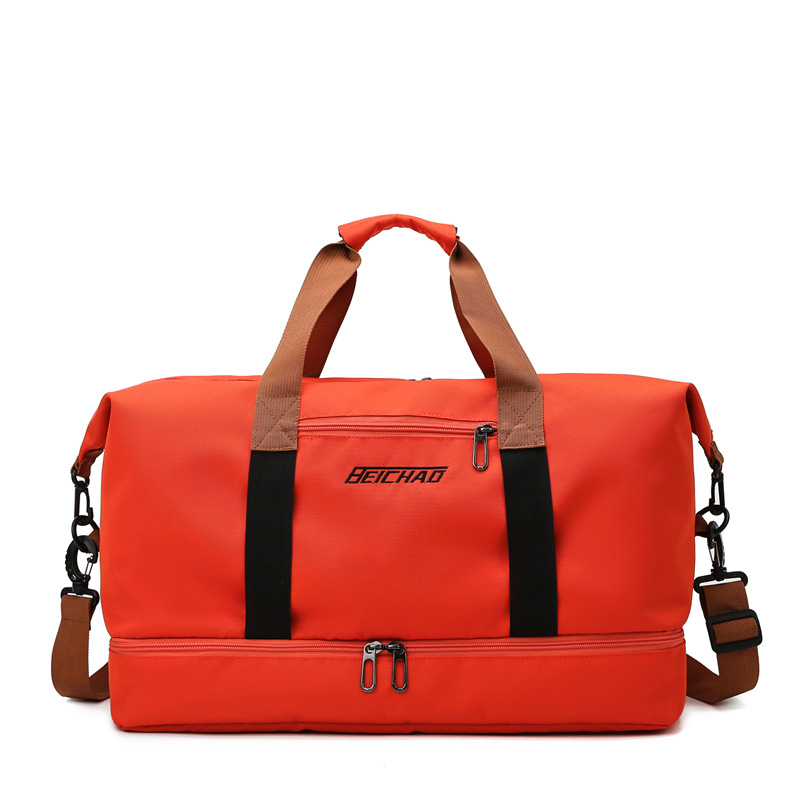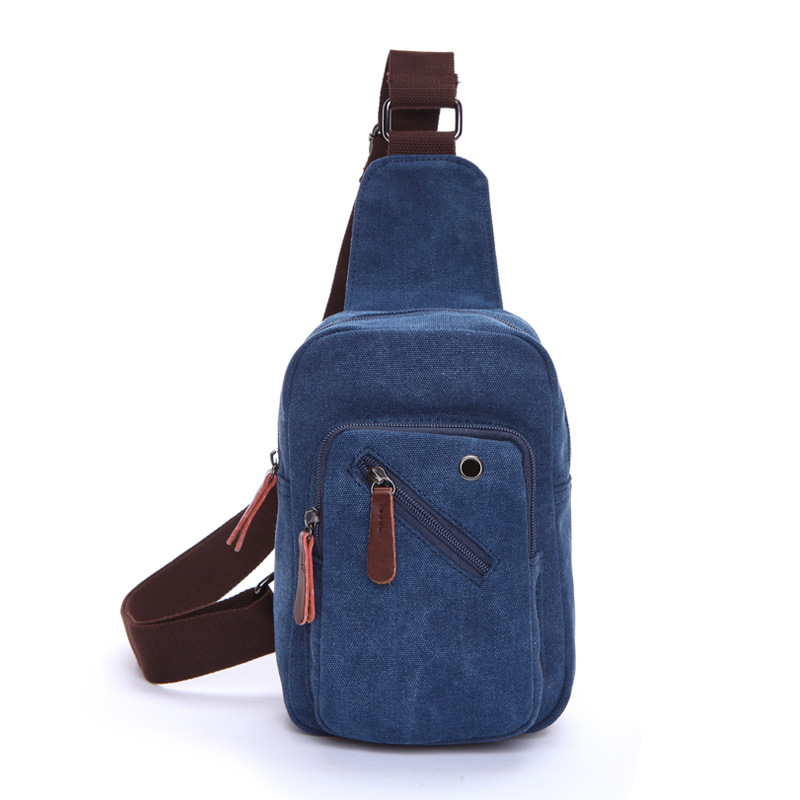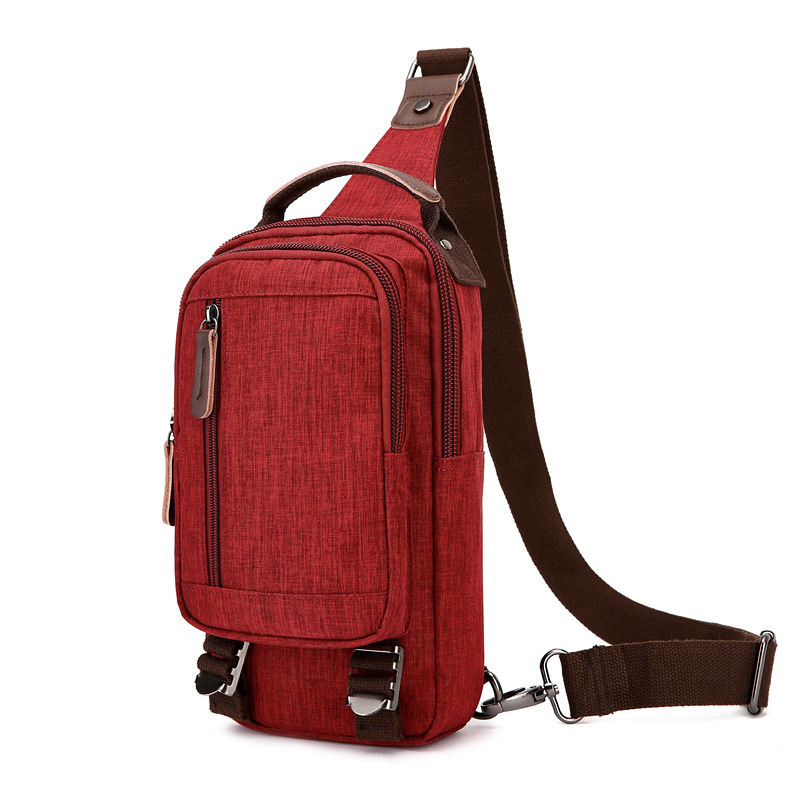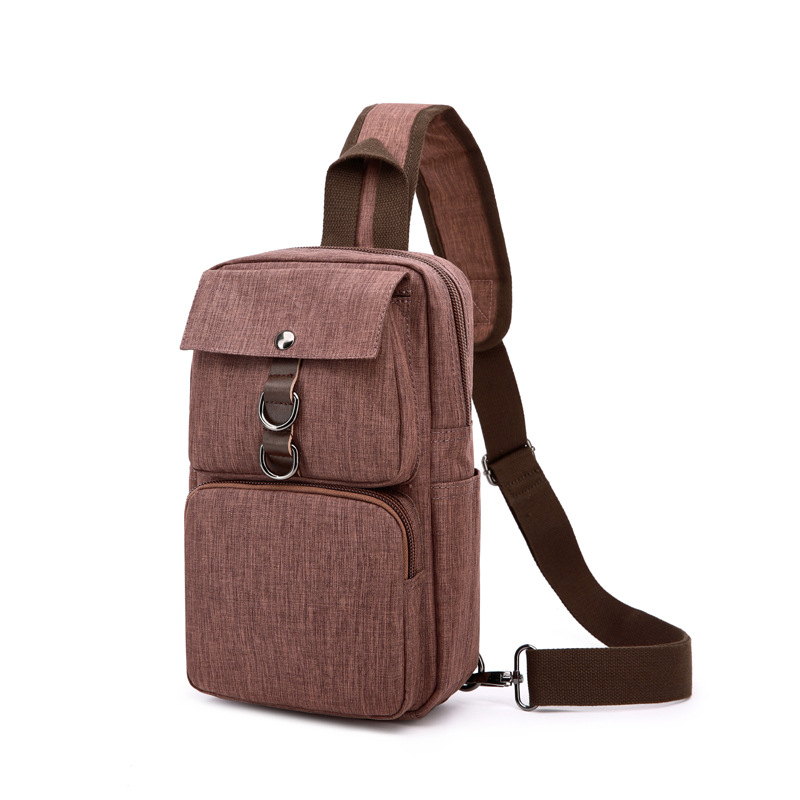
Why the waist bag keeps coming back
A waist bag looks simple, but the buying decision is less trivial than it seems. For brands, retailers, and private-label teams, the real question is not whether people will use a waist bag; it is which format, carry style, and feature set will fit the end user without turning into dead stock. That matters because this category spans travel, sport, events, daily commuting, and light outdoor use, which means one design rarely serves every buyer well.
Some teams still call it a fanny pack, others prefer belt bag, hip pack, or bum bag, and the naming often tracks geography more than function. The product itself has changed too. Modern versions are less about novelty and more about controlled storage: phone, keys, cards, small tools, hydration extras, and the kind of items people want close to the body without committing to a backpack.
What buyers are really choosing
The category is broad enough that a quick label is not enough. A travel fanny pack is usually judged on security and organization. A running waist bag has to stay stable when the wearer moves and sweats. A festival waist bag may need quick access and a low-profile shape. A crossbody waist bag adds another carry option, which is useful for casual consumers but can complicate the pattern and hardware spec. Even a simple waist pack can fail if the strap slips or the zipper opening is awkward under load.
For sourcing teams, that means the purchase decision should start with use case, not color. Ask who is carrying it, for how long, and in what environment. That sounds obvious, but it is where many private-label launches go wrong. A bag built for walking a dog at 7 a.m. does not always translate well to music festivals or airport transit. A walking fanny pack can be cut slimmer; an outdoor waist bag may need stronger materials and a more durable buckle. Different jobs, different compromises.
Key construction choices that affect performance
Size and profile
Capacity should be matched to the mission. Oversizing a waist bag tends to make it ride badly, while undersizing creates stress points at the zipper and seams. The most practical designs carry the essentials without ballooning once filled.
Strap and closure behavior
A belt bag lives or dies on the strap system. If it loosens during use, the product feels cheap even when the fabric is decent. Buckles should be easy to adjust but not so loose that the fit drifts with movement. For a hip pack or running waist bag, this is not a cosmetic detail; it is a usability issue.
Material and weather resistance
Fabric choice determines the product’s price position and its credibility. Lightweight synthetics work well for casual carry and travel, while more rugged constructions suit outdoor buyers. Water resistance is often requested, but it should be described carefully. Splash resistance and full waterproofing are not the same thing, and buyers should resist overstating either one.
Common mistakes in product selection
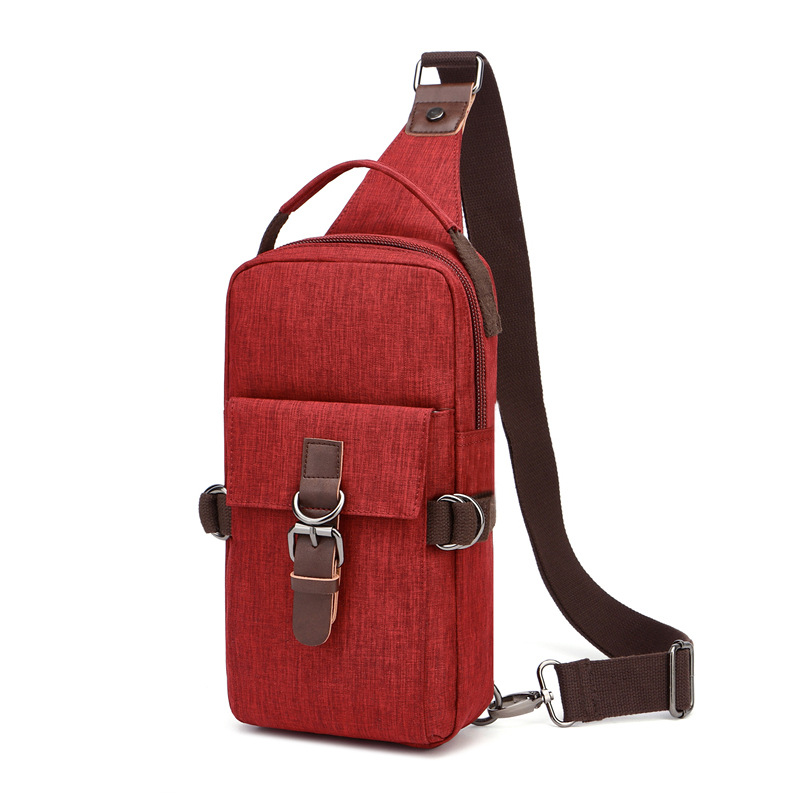
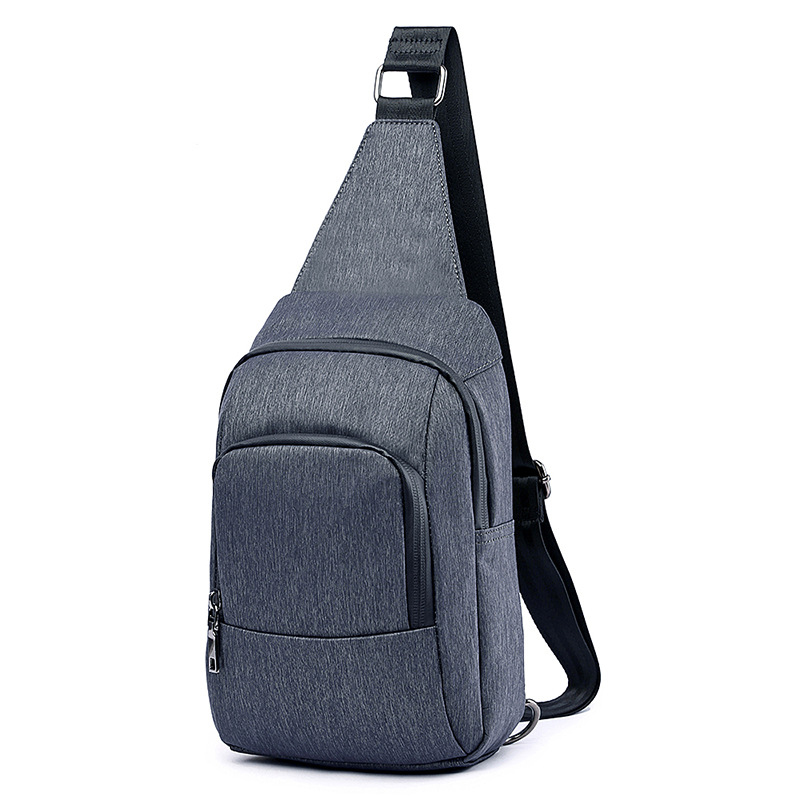
One mistake is treating all waist bag variants as interchangeable. Another is ignoring how the product will be worn. A bum bag worn at the waist has different pressure points than a crossbody waist bag slung across the chest. The pattern, strap length, and pocket placement all change with that decision. It is also easy to over-spec the bag with too many compartments. Extra pockets look good in a catalog, but if they make the main compartment harder to access, the user experience drops fast.
There is also the temptation to chase trend language instead of function. Festival waist bag may sell better in a listing title than plain belt bag, but the end customer still wants something secure, light, and easy to wear for hours. Marketing helps. Poor design still comes back as returns.
Practical buying advice for sourcing teams
If you are evaluating samples, pay attention to fit on real bodies, not just tabletop photos. Check whether the strap range is broad enough for the intended market. Examine zipper access with one hand. Look at the stitching around load-bearing points, especially where the strap meets the body panel. If the product is intended as an outdoor waist bag or running waist bag, test how it behaves when carried close to the body during movement, because small flaws become obvious quickly.
It is also worth asking whether the design can support multiple carry modes. Some programs use the same base pattern for a waist bag and a crossbody waist bag, which can improve line efficiency if the fit and hardware allow it. That said, flexibility should not come at the expense of comfort.
Quick reference: which version fits which use case?
For commuting and city use, a compact belt bag with clean access and a modest profile is usually the safest bet. For travel, buyers tend to favor secure pockets and a body-hugging shape. For active wear, a running waist bag should prioritize stability over capacity. For event merchandising, a festival waist bag often needs easy visibility, faster access, and a design that reads well on shelf or online.
Questions buyers should ask before placing an order
Does the target customer want to wear it at the waist, across the chest, or both? Will the bag need to hold a phone plus other daily items, or just the basics? Is the priority fashion, function, or a mix of the two? Those answers usually determine whether the final product should lean more like a waist pack, hip pack, or travel fanny pack.
What to do next
If you are building a new accessory line, start by narrowing the use case and then sample against that scenario. The waist bag category rewards clarity. When the form, strap, and storage layout match the customer’s routine, the product feels effortless. When they do not, even a well-made bag can feel oddly inconvenient. That is the sort of detail that decides repeat orders.