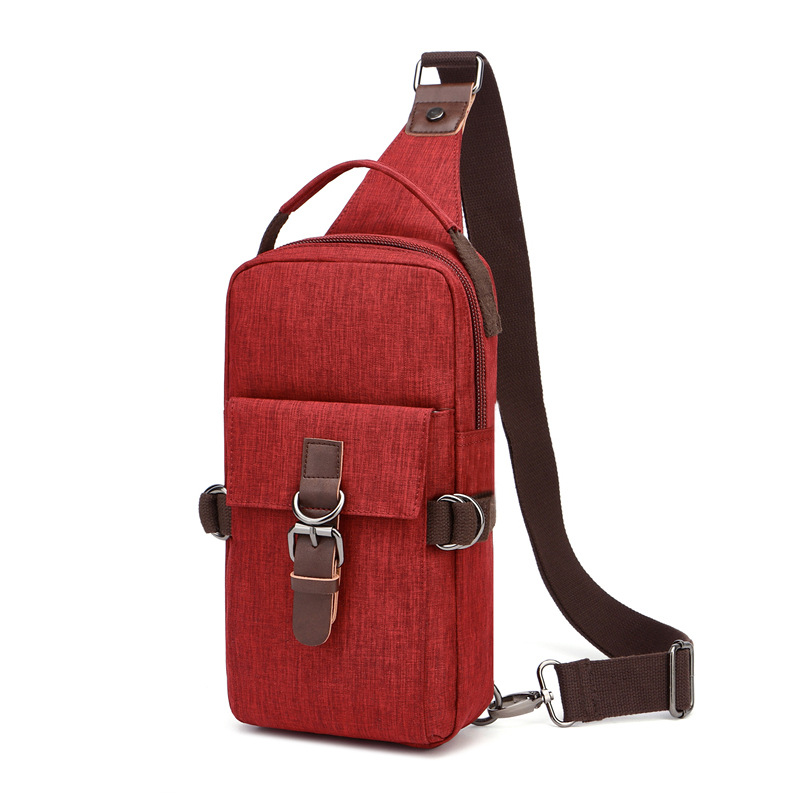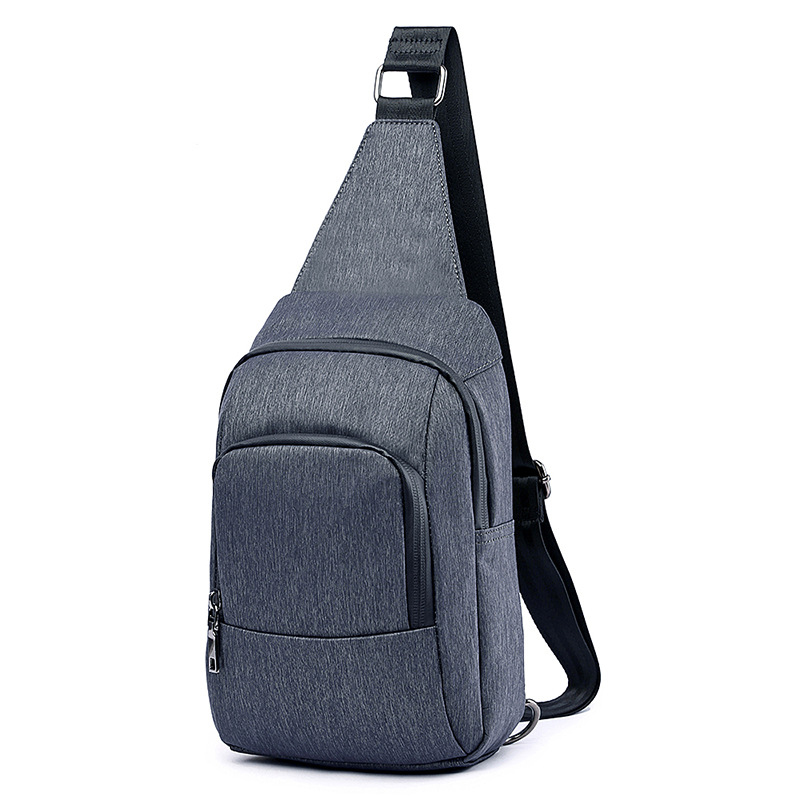
Why the sling bag has stayed relevant
A sling bag solves a very specific problem: people want hands-free carry, but they do not always want the bulk or formality of a backpack. That is why the format keeps showing up in commuter kits, airport shops, casual retail, and urban fashion lines. A sling bag sits close to the body, moves with the wearer, and usually gives faster access to the contents than a traditional pack. For buyers, that makes it a practical item to evaluate not only as an accessory, but as a daily-use product with clear material and hardware demands.
The search intent behind most sling bag research is simple enough. People are trying to decide what size, style, and feature set make sense for a commute, a short trip, or a retail assortment. The answer depends less on trend and more on use case. A bag that looks good on a display table may fail in daily use if the strap slips, the zipper snags, or the main pocket is too shallow for a phone, wallet, and charger.
Quick takeaways before comparing styles
Not every sling bag is built for the same buyer. A crossbody sling bag tends to prioritize comfortable diagonal wear and fast access. A men sling bag often leans toward subdued colors, simple lines, and compact organization. A women sling bag may be judged more heavily on silhouette, finishing details, and how it pairs with everyday outfits. These are market tendencies, not hard rules, and the better product lines usually avoid boxing customers in too tightly.
If the bag is for travel, an anti-theft sling bag can be worth the extra design effort. That usually means more deliberate pocket placement, tougher zipper construction, or features that make casual snatching harder. For weather exposure, a waterproof sling bag or at least a water-resistant one may be a sensible choice, especially for commuters and outdoor users. And if the bag is meant for light carry, a small sling bag can work well, but only if the pocket layout is honest about capacity.
Materials and construction that matter
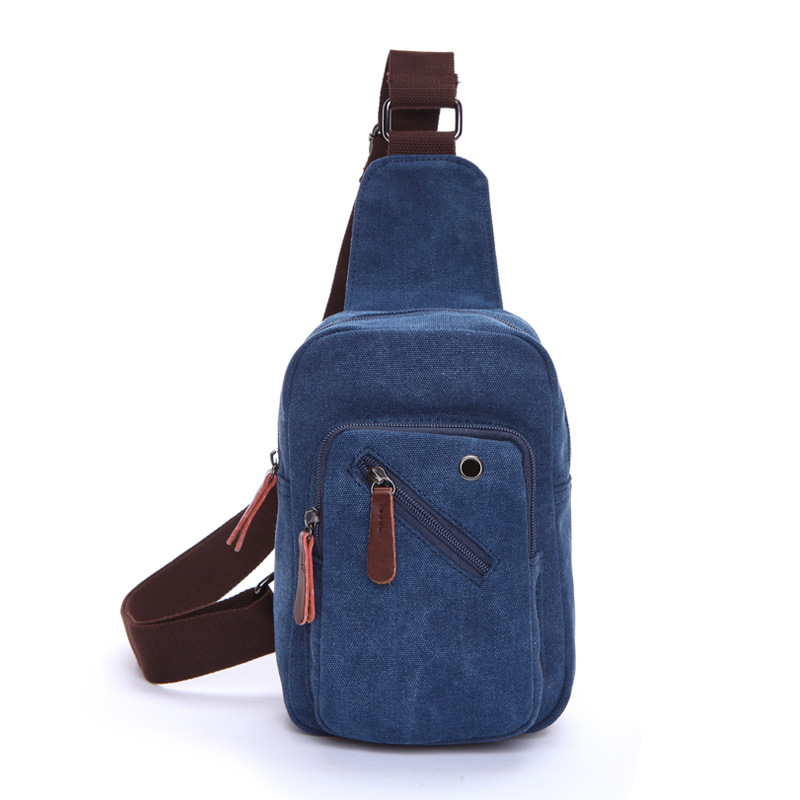
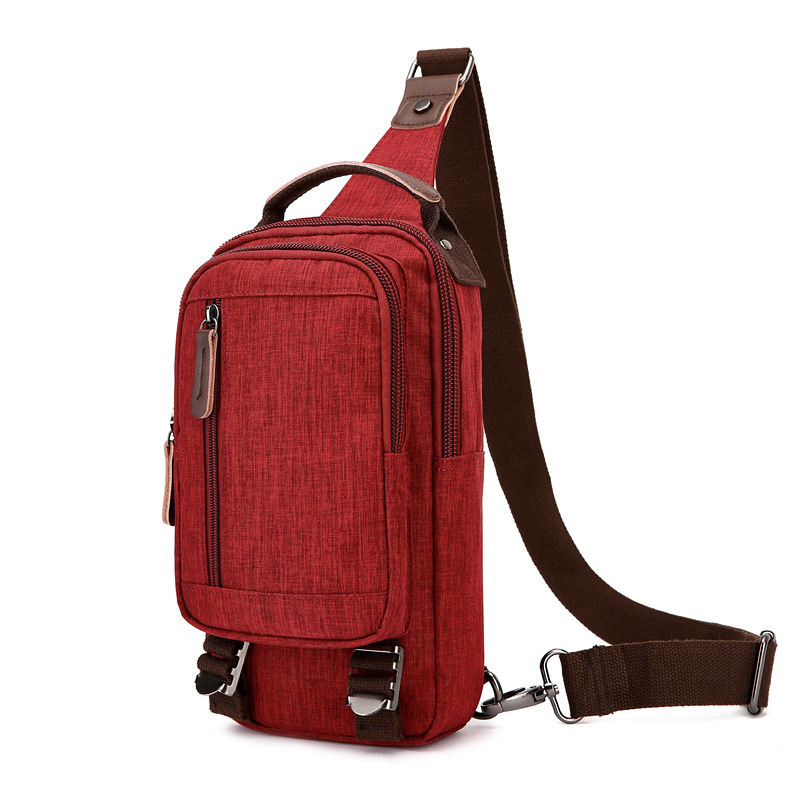
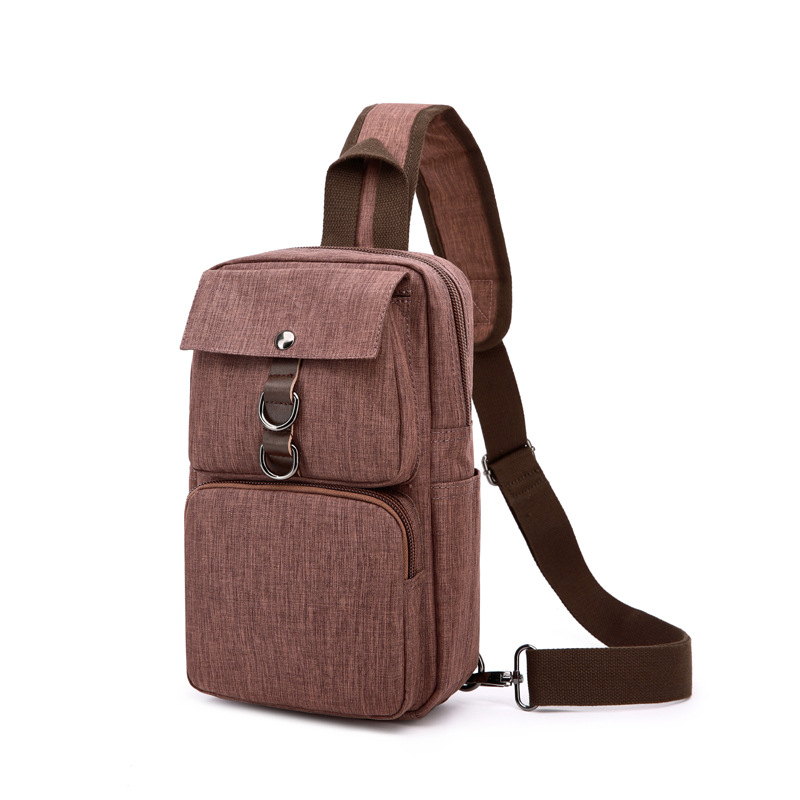
For sourcing or product planning, the real conversation starts with fabric, stitching, zippers, and strap hardware. A sling bag can be made from nylon, polyester, canvas, leather, or blended materials, and each gives a different balance of weight, appearance, and cost. Nylon and polyester are common in casual and travel products because they are relatively light and easy to produce in consistent runs. Canvas can deliver a more natural look, though it may carry more weight. Leather and leather-look builds are more style-driven, but they usually ask for better finishing and more careful quality control.
Construction details can matter more than the main fabric. Reinforced seams at the strap anchor point, smooth zipper tracks, and a strap adjuster that stays put are all small things until they fail in the field. Buyers often focus on color and silhouette first, but in practice the hardware is what separates a saleable item from a return risk.
Useful features to evaluate
Interior organization should match the expected load. A phone pocket, key clip, or small mesh divider can improve usability, but too many compartments can make a compact bag awkward. That is especially true for a travel sling bag, where the user often wants a passport, ticket, power bank, and wallet within easy reach. Padding can help if the bag will carry electronics, though padding also adds bulk and cost.
Choosing between fashion and function
One common mistake is treating every sling bag as either a style item or a utility item. In reality, the best products usually sit somewhere in between. A retail buyer may want a cleaner profile for display, but if the bag cannot handle a water bottle, phone, and compact charger without distorting, the customer notices quickly. The shape matters, but so does load behavior.
For a women sling bag, lighter visual volume and careful trim details may matter more than aggressive utility features. For a men sling bag, buyers often want a straightforward profile with enough structure to hold shape when partly loaded. A crossbody sling bag can serve both segments if the strap length, bag depth, and access points are designed with flexibility in mind.
Common mistakes buyers should avoid
First, do not overestimate capacity from product photos. A small sling bag can look spacious in images and still fail once a wallet, phone, sunglasses case, and cable are inside. Second, do not ignore strap comfort. Thin webbing may be fine for a light fashion piece, but it can become annoying over a long day. Third, do not rely on one sample alone. Even without naming exact test standards, repeated inspection of stitching, zipper action, and seam alignment is basic due diligence.
Another practical caution: a waterproof sling bag claim should be read carefully. Some products repel light rain; fewer are ready for prolonged exposure. Buyers should ask what that protection actually means in plain terms, because the market uses “waterproof” loosely and that can create trouble after delivery.
FAQ
Is a sling bag good for daily commuting?
Yes, if the contents are modest and the strap stays comfortable during movement. It is often a better fit than a larger bag for short commutes or city errands.
What makes an anti-theft sling bag different?
Usually it is a combination of pocket placement, zipper security, and a design that makes unauthorized access less convenient. The details matter more than the label.
What should first-time buyers check?
Start with strap adjustability, pocket depth, zipper quality, and whether the bag fits the items you actually carry every day. That sounds basic, but it is where many purchases go wrong.
A practical next step for sourcing or selection
If you are choosing a sling bag for retail, private label, or a product line update, compare the intended user first and the design second. A good bag is not just a shape; it is a set of trade-offs between capacity, comfort, weather resistance, and appearance. The right sample should feel believable in use, not just attractive on a shelf. That is the point where the purchase decision becomes much easier.