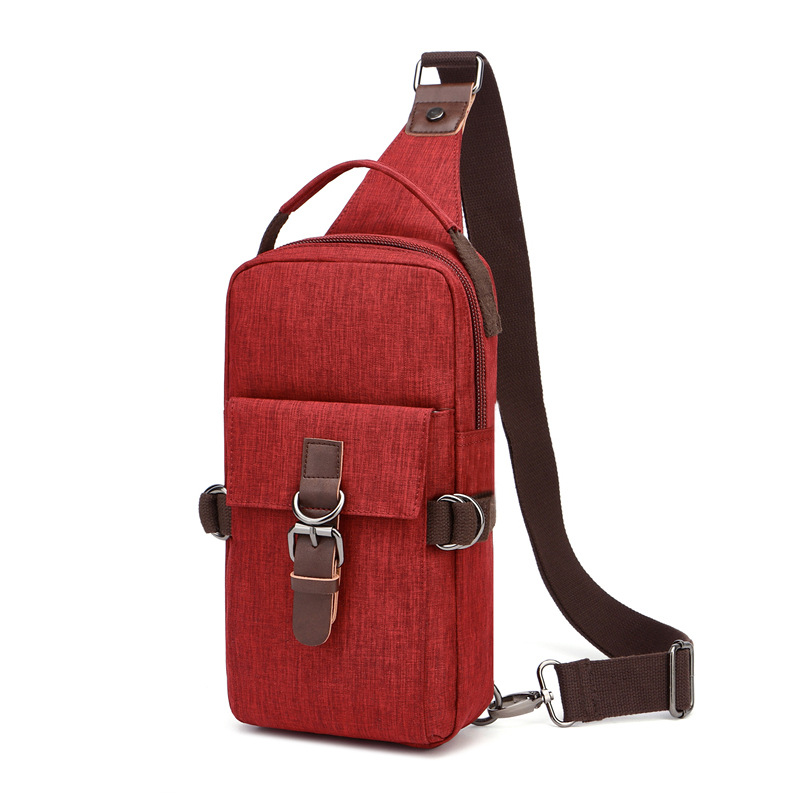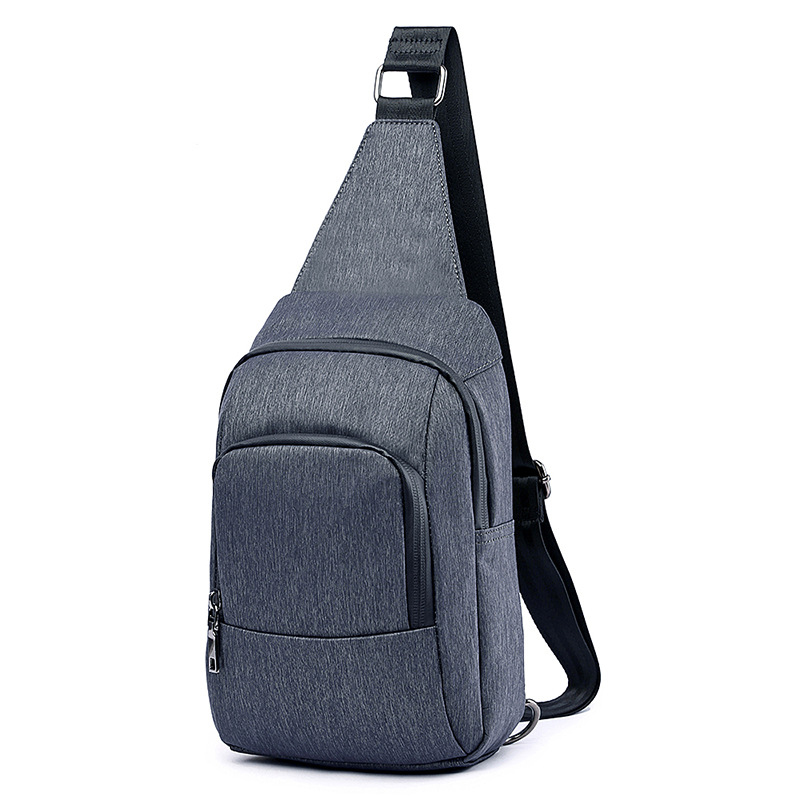
Why the sling bag has become a serious carry option
The sling bag is no longer just a casual accessory for commuters and travelers who want to keep their hands free. For buyers comparing everyday carry options, it sits in a practical middle ground: smaller than a backpack, easier to access than a messenger bag, and usually more organized than stuffing pockets with keys, phone, charger, and wallet. That combination is why sourcing teams, product developers, and retailers keep coming back to it.
The decision is not simply about style. A good sling bag has to balance capacity, body comfort, security, and material durability. Those tradeoffs matter whether the end user is moving through a crowded station, cycling to work, or taking a short trip where a full backpack feels unnecessary.
What buyers usually want from this category
Most sling bag shoppers are solving a fairly specific problem: they need quick access to essentials without carrying a larger pack. That need shows up in several common use cases. A crossbody sling bag can keep items close to the torso in busy environments. A travel sling bag often needs enough room for documents, power banks, and a small bottle. A men's sling bag may lean toward structured shapes and subdued materials, while a women's sling bag may prioritize lighter construction, color options, or a cleaner silhouette. In practice, the market is less about strict gender lines and more about fit, proportions, and appearance.
For products aimed at security-conscious buyers, an anti-theft sling bag usually adds hidden zippers, body-facing compartments, or cut-resistant details. Those features can be useful, but they should not come at the expense of access or comfort. Buyers sometimes over-focus on theft features and forget the real issue: if the bag is awkward to wear, users stop carrying it.
Common sling bag types and what they do well
Small everyday formats
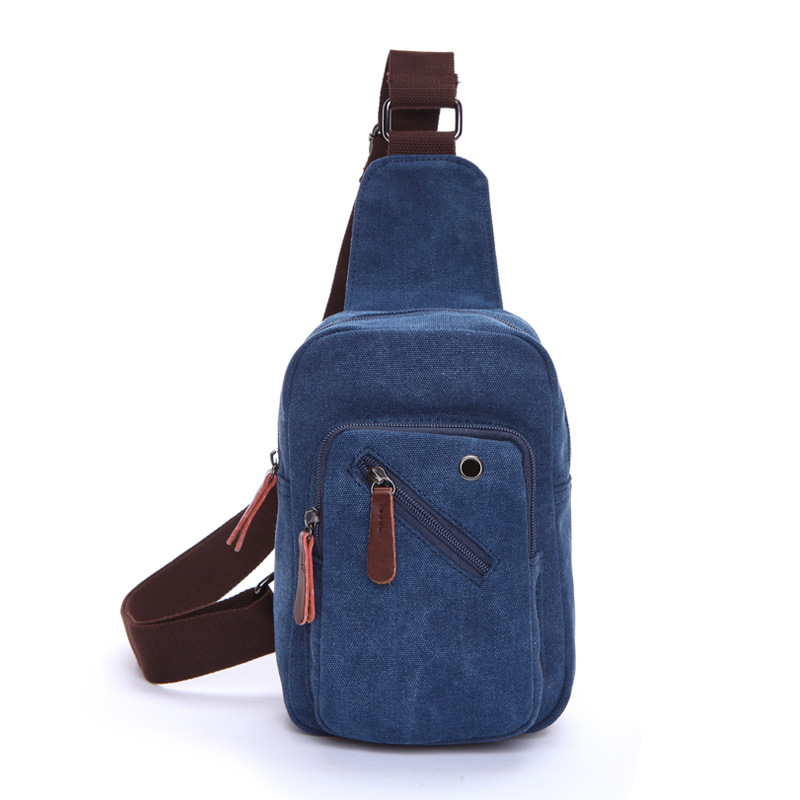
A small sling bag is often the best fit for minimalist carry. Think phone, cardholder, earbuds, and a compact charger. This format is easier to produce and lighter to wear, but it can frustrate users if the internal layout is poor. A single deep cavity may look simple, yet it often turns into a clutter trap.
Travel-oriented designs
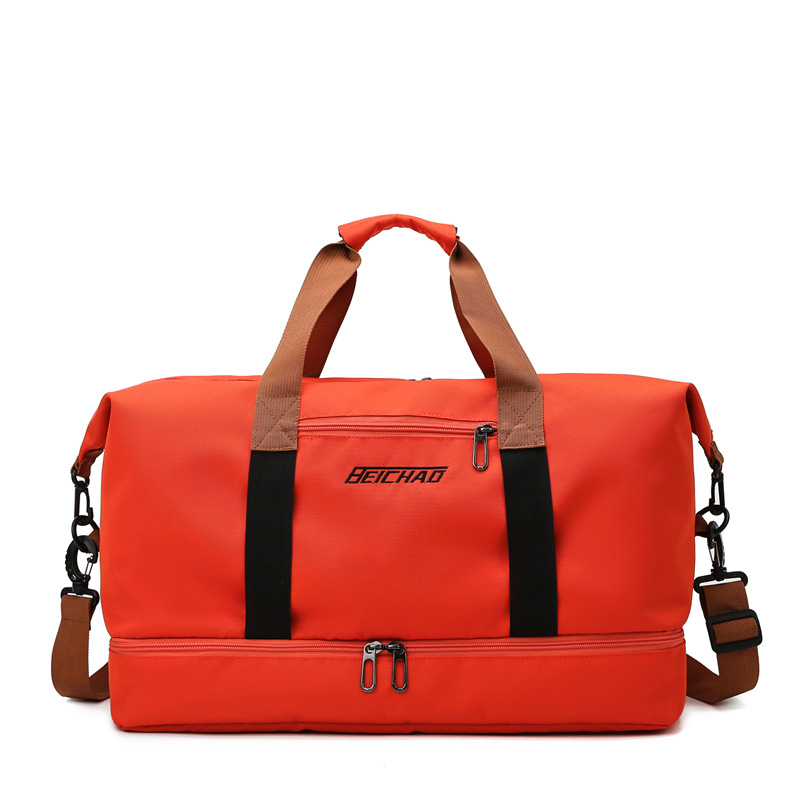
A travel sling bag usually needs more than a fashionable profile. Buyers should look for a stable strap, secure closures, and pocket placement that makes sense when standing in line or navigating transit. A slightly wider opening can help, but too much structure loss and the bag begins to sag. That is a common complaint in lower-cost builds.
Material-led options
A leather sling bag brings a more refined appearance and often sells well in office or citywear settings. It can also age nicely if the leather quality is sound. The caution, of course, is weight and maintenance. Leather may feel premium, but it is not always the right answer for buyers who want weather resistance or ultralight carry. Textile builds in polyester, nylon, or canvas can be more practical for daily use, especially where abrasion and moisture are concerns.
Selection criteria that actually matter
When comparing sling bag options, it helps to start with the real carry list, not the marketing photos. Capacity should match the typical load, with a little margin left over. Too little space forces overstuffing, which affects zipper life and strap comfort. Too much unused volume, on the other hand, makes the bag flop around and look bulky.
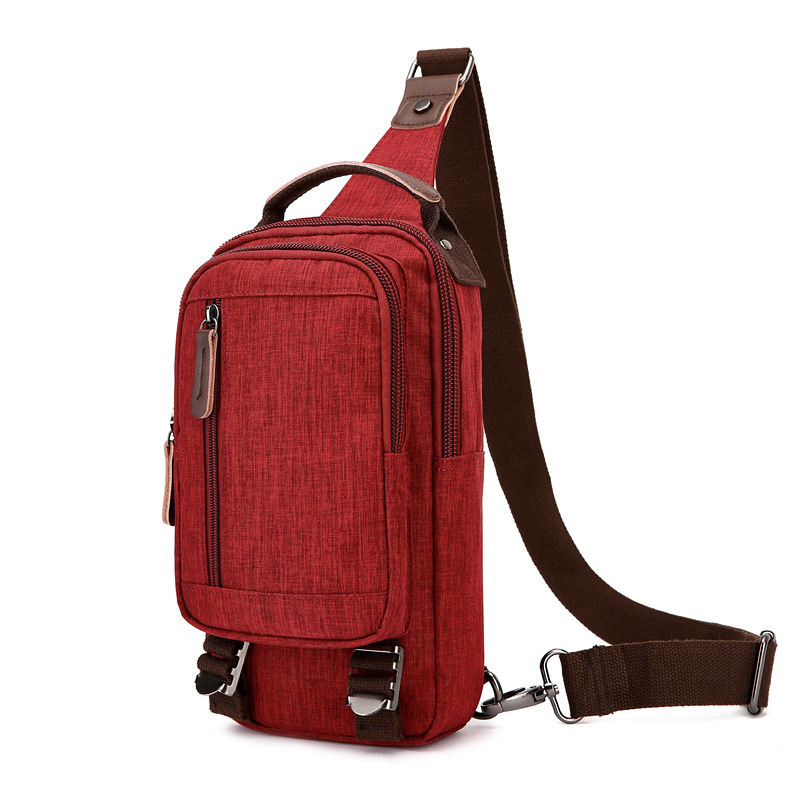
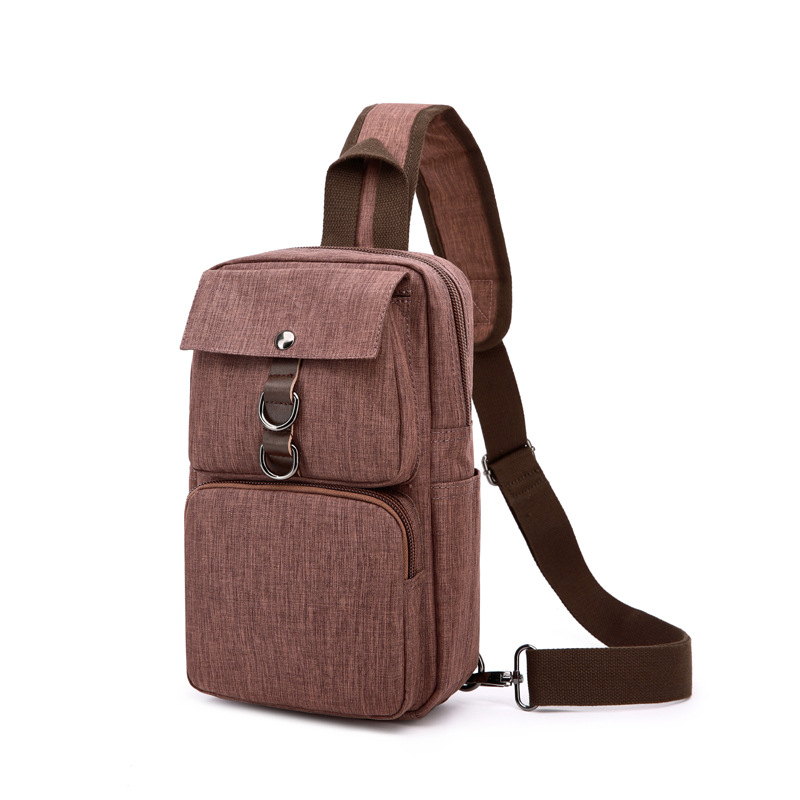
Strap design deserves more attention than it often gets. A narrow strap may look sleek, but it can dig into the shoulder during longer wear. An adjustable crossbody sling bag should sit close to the body without bouncing. Hardware quality also matters; buckles and zipper pulls are small components, but they are often the first parts users notice when they fail.
Interior organization should be simple, not crowded. A few well-placed pockets are usually better than a maze of tiny divisions. For many buyers, fast access is the main value proposition, so layout should support that behavior rather than fight it.
Common buyer mistakes
One frequent mistake is choosing a bag based on photos alone. A sleek front panel can hide poor opening access or weak reinforcement at stress points. Another is assuming a branded-looking finish means the underlying construction is sound. Stitching density, strap attachment, lining quality, and zipper alignment often tell the better story.
Another practical warning: if an anti-theft sling bag is too complicated to open one-handed, users may leave it unzipped or start avoiding it altogether. Security features only work when they fit real behavior.
Practical advice for sourcing and product teams
For teams building or buying this category, the best brief is usually the simplest one: define the target user, the daily carry load, the expected wear environment, and the price position. From there, the bag shape, material, and hardware choices become much easier to evaluate. A men’s sling bag for commuting will not always share the same priorities as a women’s sling bag intended for light travel or leisure use.
If the program includes multiple variants, keep the core platform consistent and adjust only what the user can feel immediately: strap finish, pocket count, front panel texture, or material selection. That approach helps control complexity without turning every SKU into a different project.
FAQ: quick answers buyers usually need
Is a sling bag practical for daily use?
Yes, if the capacity and strap design match the user’s routine. Daily carry works best when the bag is not overloaded.
Is a crossbody sling bag safer than a regular shoulder bag?
Often, yes, because it sits closer to the body. But true security depends on closure design, wear habits, and overall build.
Which material is best?
There is no single best material. Leather suits a more polished look, while nylon, polyester, or canvas can be better for light weight and utility.
A simple next step
If you are evaluating a sling bag line for retail, private label, or internal procurement, start with user scenario first and product spec second. That keeps the final item aligned with how people actually carry, open, and wear it. The categories may look similar on paper, but in use the differences show up fast.