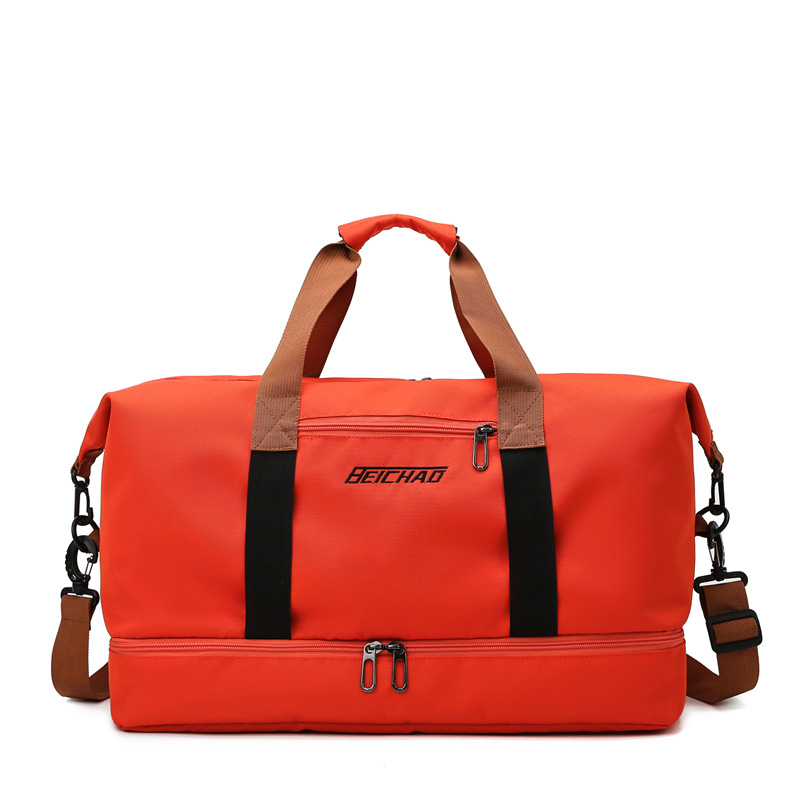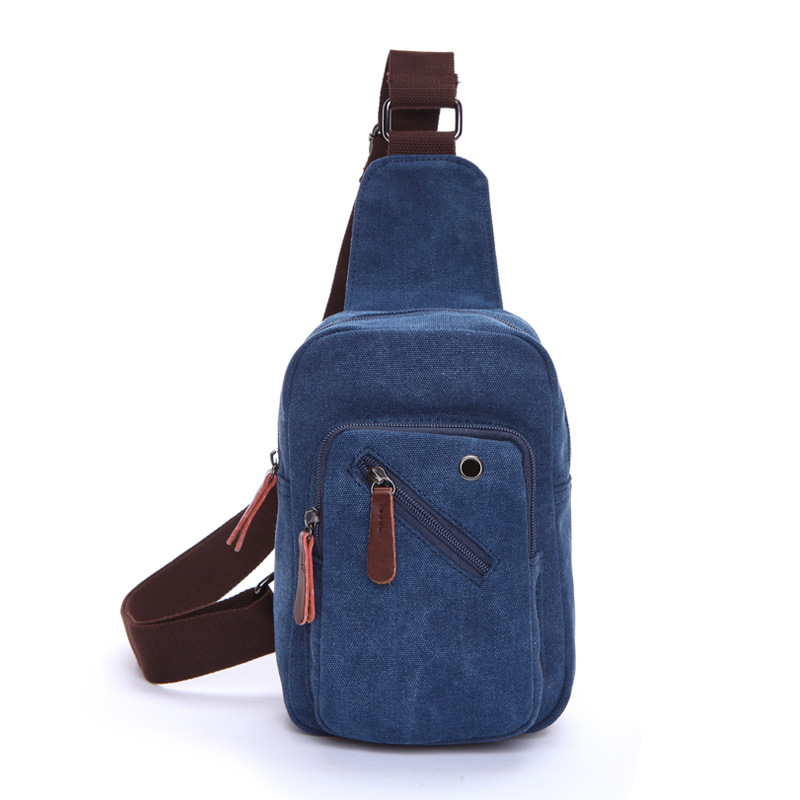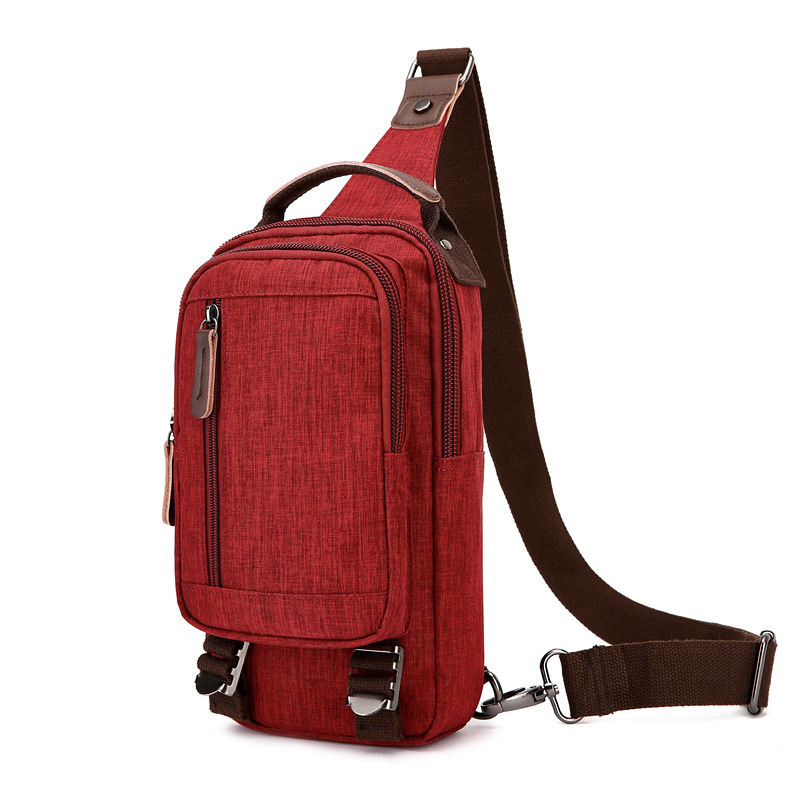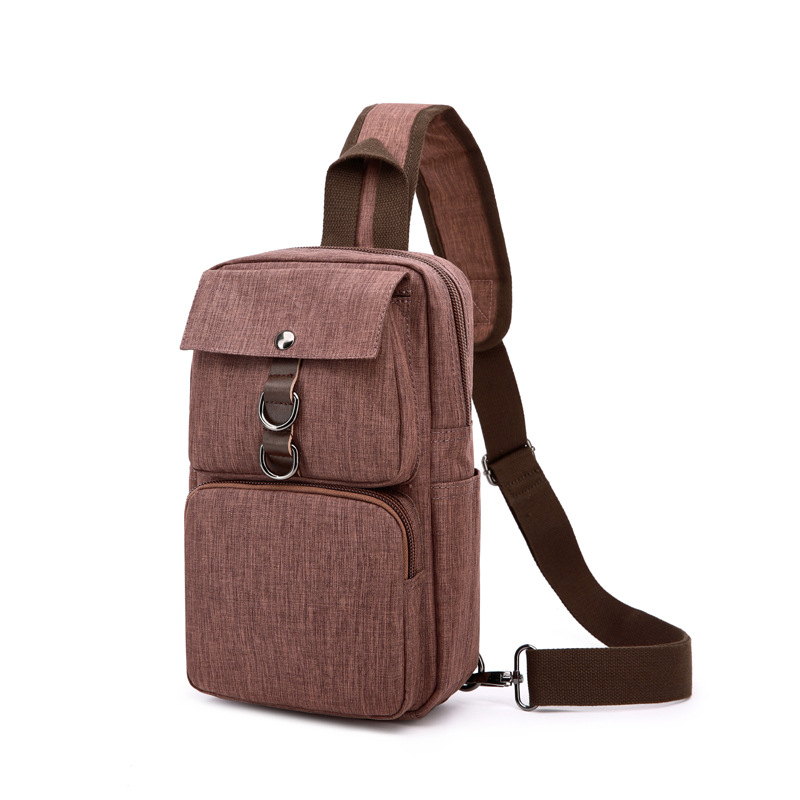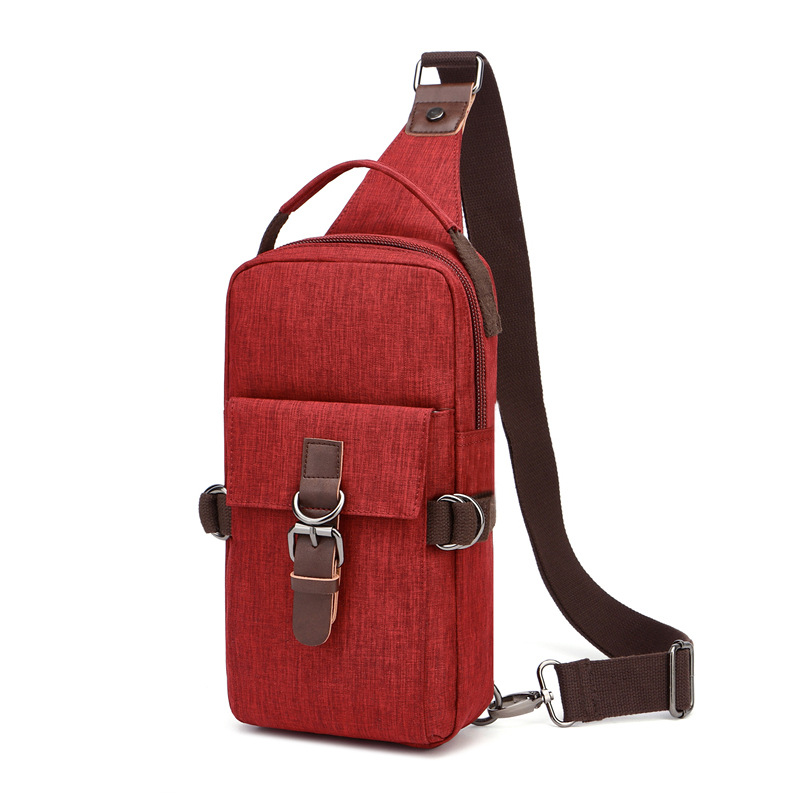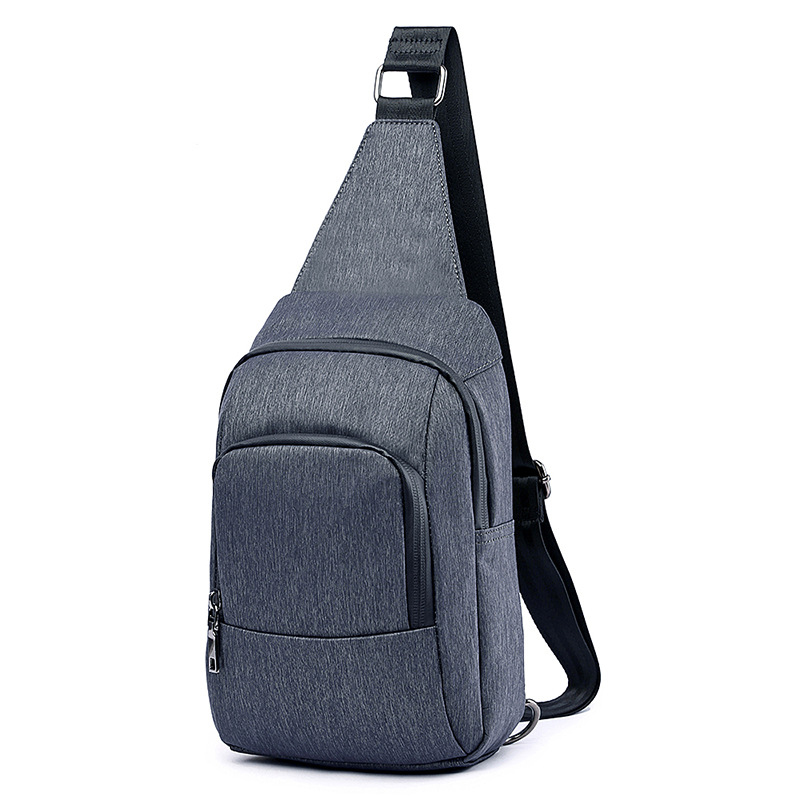
What a sling bag solves that bigger bags do not
A sling bag earns its place by handling the in-between use case: more organized than pockets, lighter and less bulky than a backpack, and easier to move with than a traditional shoulder bag. For engineers, sourcing managers, and product teams looking at commuter gear or lifestyle accessories, that difference matters because the buyer is rarely shopping for a shape. They are shopping for a carrying experience: quick access, stable fit, and enough room for daily essentials without overbuilding the product.
That is why the category keeps growing across urban carry, travel accessories, and casual workwear. A well-designed sling can function as a crossbody bag, a compact messenger bag, or an everyday sling bag, depending on the strap geometry and internal layout. The label changes, but the decision is the same: does the product carry what the user actually needs, and does it do it without feeling fussy?
Where sling bags fit in the carry landscape
It helps to compare the main formats before picking one. A crossbody bag usually implies a simple diagonal carry and often leans smaller. A shoulder bag rides one side and can be easy to grab, but it may shift more during movement. A messenger bag generally gives more capacity and a flatter profile, which is useful for documents or tablets, though it can feel too structured for casual daily use.
The sling bag sits between those categories. It is often compact, worn across the body or over one shoulder, and designed for quick front access. For some buyers that means a travel sling bag for passports, charging cables, and transit cards. For others it means a men’s sling bag or women’s sling bag that replaces pockets and a tote on short errands. The use case shapes the ideal build more than the label on the hangtag.
Design details that matter in real use
Capacity is the first checkpoint, but it is not the only one. The strap should adjust smoothly and stay put once set. If the webbing slips or the buckle digs in, the product will be remembered for the wrong reason. Zippers matter too. A bag that opens in an awkward direction can slow the user down, especially when worn on the front of the body. Internal dividers are helpful, though too many can make a small bag feel crowded.
Material choice also changes the impression of the bag. Polyester and nylon are common for light weight and everyday durability. Canvas can create a more casual, textured look, but it may show dirt faster depending on finish. PU or coated surfaces can add weather resistance and a cleaner appearance, though the hand-feel may be less refined. Hardware should be matched to the product tier; a bag with good fabric and weak zippers is a predictable complaint in the field.
Shape is another quiet variable. A slim profile sits closer to the body and usually feels better on transit or when cycling. A deeper body increases storage, but it can swing more if the load is uneven. That may sound minor, but buyers notice it quickly the first time they carry a phone, wallet, bottle, and power bank together.
How to choose the right sling bag for the user
Start with the loadout
List what the user will carry every day, not what they might carry once a month. Phone, keys, wallet, earbuds, charger, notebook, and maybe a compact bottle are common. If the bag is intended for commuting or short travel, build around that actual load, then add just enough margin.
Match the bag to the movement pattern
If the user walks or rides transit, fast access and body stability are priorities. If the bag is for airport use, a travel sling bag with better organization and easier security access may be a smarter choice. If it is for casual daily wear, comfort and appearance may outweigh complex organization. In other words, the best bag for a shopper heading to a cafe is not always the best bag for a shopper crossing terminals.
Check strap comfort before the styling
Many buyers focus on the face fabric and forget the strap, which is the part doing the real work. A padded section can help, but padding alone does not guarantee comfort. Width, edge finish, and adjustability all matter. A men’s sling bag used as a daily commute item may need a more restrained profile, while a women’s sling bag for light urban carry may benefit from a cleaner exterior and lighter hardware. These are tendencies, not rules, and the safest approach is still to test the strap under load.
Common mistakes when sourcing or buying
One frequent mistake is oversizing. A bag that looks versatile on paper can become awkward once full, especially if the user wants it worn close to the chest or back. Another is underestimating organization. One main compartment is fine for minimal carry, but it becomes a mess once cables, cards, and small accessories enter the picture.
Another issue is treating all sling-style products as interchangeable. A shoulder bag and a messenger bag may use similar construction logic, but they do not wear the same way. Buyers sometimes approve a style sample that looks right in a photo but feels wrong after an hour. That is not a design flaw every time; sometimes it is simply a mismatch between product form and intended use.
Practical buyer advice
If you are selecting a sling bag line for retail, private label, or promotional use, start by defining the primary scenario: commute, travel, casual carry, or tech accessory. Then choose the silhouette, pocket map, and closure system to match. Keep the design specific. A product that tries to serve everyone usually ends up serving no one particularly well.
It also helps to review wear position in real clothing. A bag that sits neatly over a T-shirt may not work as well over a coat. A zipper pull that is easy with bare hands may be annoying with gloves. Small details like these decide whether the product feels thought through or merely assembled.
Quick FAQ
Is a sling bag better than a backpack?
For light daily carry and quick access, often yes. For heavier loads, a backpack usually distributes weight better.
Can a sling bag replace a messenger bag?
Sometimes, but only if the expected carry is modest. A messenger bag usually wins on capacity and document handling.
What should a travel sling bag include?
Secure pockets, easy-access storage, comfortable straps, and a shape that stays close to the body without feeling cramped.
If you are planning a new carry product or reviewing a current line, the best next step is simple: define the user, define the load, then test the strap and pocket layout under actual daily conditions. The styling comes after that. It usually should.