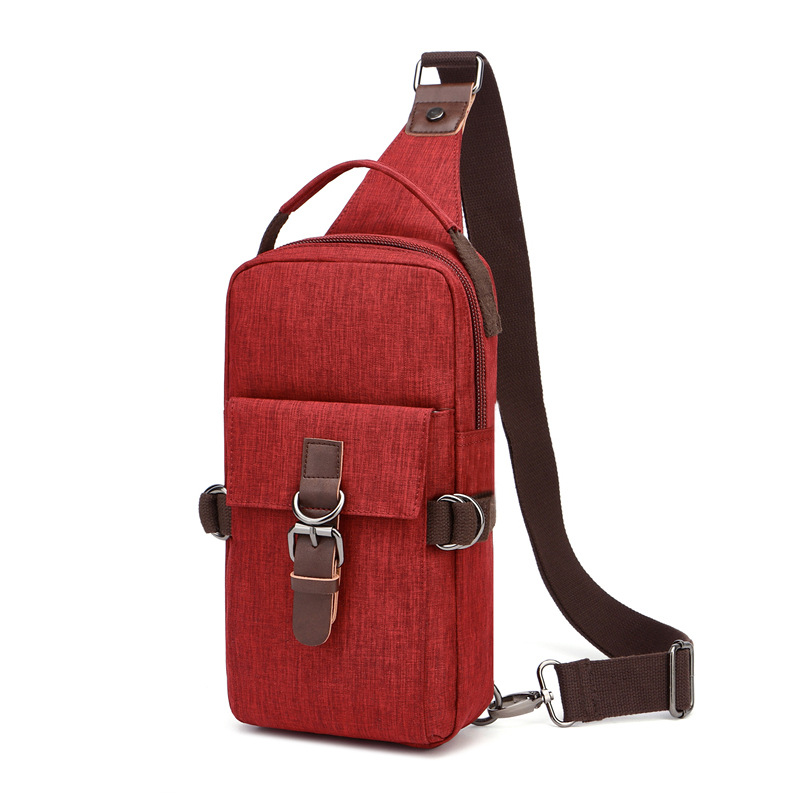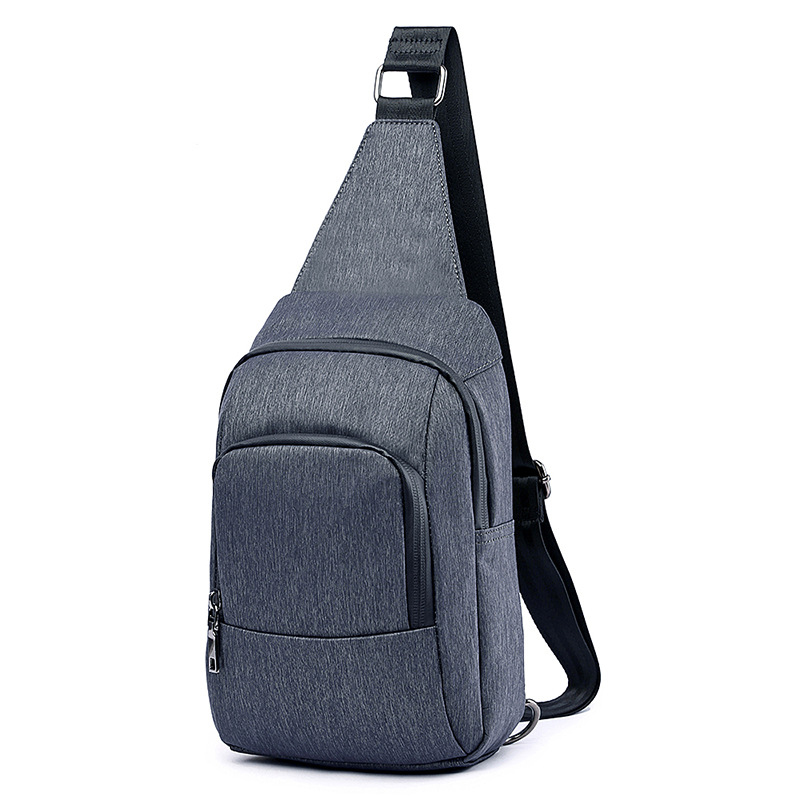
sling bag: a compact carry solution that has earned its place
A sling bag looks simple at first glance, but that simplicity is exactly why it keeps showing up in travel kits, retail assortments, and everyday carry lines. For buyers and product teams, the real question is not whether the format is popular. It is whether the bag solves a specific carrying problem better than a larger shoulder bag, a traditional messenger bag, or a pocket-heavy backpack. In many cases it does. A sling bag gives quick access, stays close to the body, and carries only what most users actually need: phone, wallet, keys, a small charger, maybe a passport or compact bottle if the layout allows.
That makes it a practical category to evaluate from both a design and sourcing perspective. The shape is small, but the details matter. Strap geometry, opening direction, pocket placement, and fabric stiffness all affect whether the bag feels useful or awkward after a day of wear.
Why buyers keep choosing this format
The appeal of the sling bag is that it sits between a crossbody bag and a backpack without inheriting all the drawbacks of either. Compared with a shoulder bag, it tends to stay more stable when walking or cycling. Compared with a messenger bag, it usually feels lighter and less formal. And unlike a larger travel sling bag, the everyday version does not need to hold much volume to be valuable.
That is important for retail and corporate buyers because the category often wins on usability, not capacity. A well-built men's sling bag or women's sling bag should feel intuitive within the first few uses. If the strap twists, the zipper is hard to reach, or the bag bounces while moving, the user notices immediately. In other words, this is a product category where small design choices have an outsized effect.
Key types and where each one fits
Mini sling bag
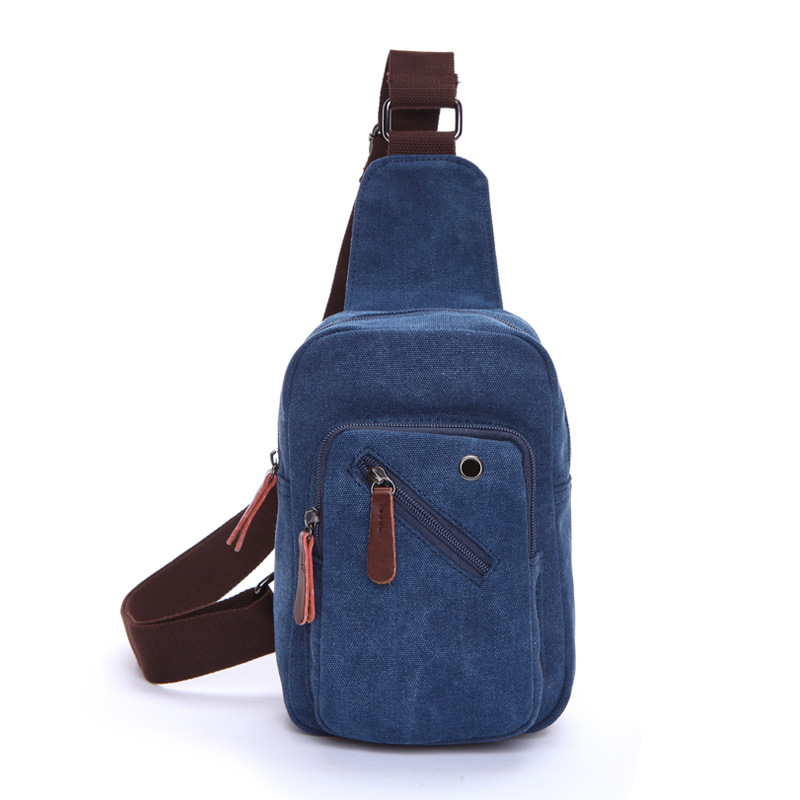
A mini sling bag is suited to minimal carry: cards, earbuds, phone, and a few small essentials. It works well for events, short commutes, and light travel. The risk is obvious: once the pocket count gets too low, the bag turns into a pouch with a strap rather than a useful carry item.
Travel sling bag
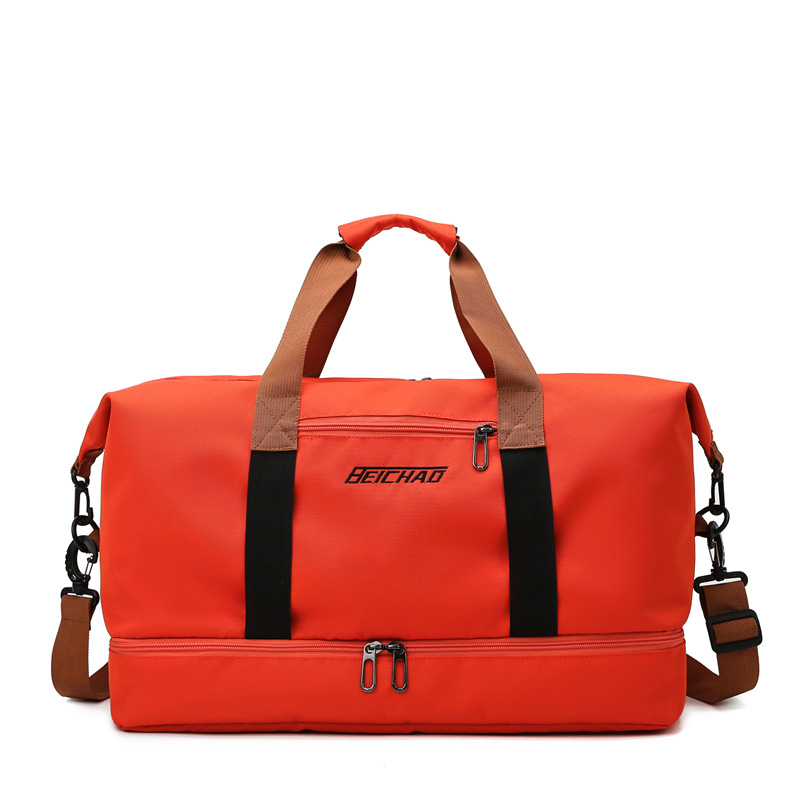
A travel sling bag usually needs more structure. Users expect easier passport access, secure zip closures, and enough room for a power bank or sunglasses case. Buyers should watch the interior layout carefully here. A single open compartment can be fine for fashion-led retail, but it is often weak for travel use.
Crossbody bag and shoulder bag hybrids
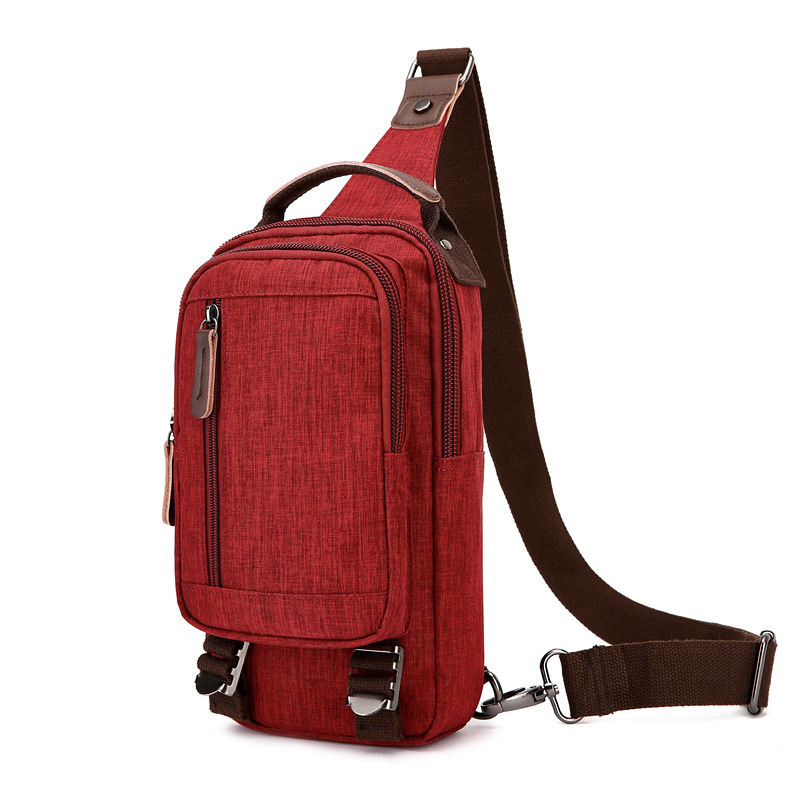
Many products marketed as a crossbody bag or shoulder bag really sit near the sling category. The difference is in how the strap and body work together. A true sling bag is generally meant to ride diagonally across the torso, then rotate forward for access. That functionality should feel deliberate, not improvised.
Materials, construction, and the details that change performance
Fabric choice shapes first impression, but construction determines longevity. Woven nylon, polyester, coated fabrics, and faux leather all appear in the category, each with tradeoffs in hand feel, weight, and appearance. A stiffer shell can help the bag keep its shape, which is useful for a compact carry item. Too much stiffness, though, can make the bag feel boxy and less comfortable against the body.
For sourcing managers, a few practical checks are worth keeping on the table:
The zipper should run smoothly without snagging at the curve.
The strap adjuster should hold under load rather than slipping gradually.
The back panel should not dig in when the bag is worn over lighter clothing.
The opening should be wide enough to reach contents without fishing around.
These are not glamorous features, but they are the ones that tend to separate a product people keep from one they abandon.
How to choose the right sling bag for your market
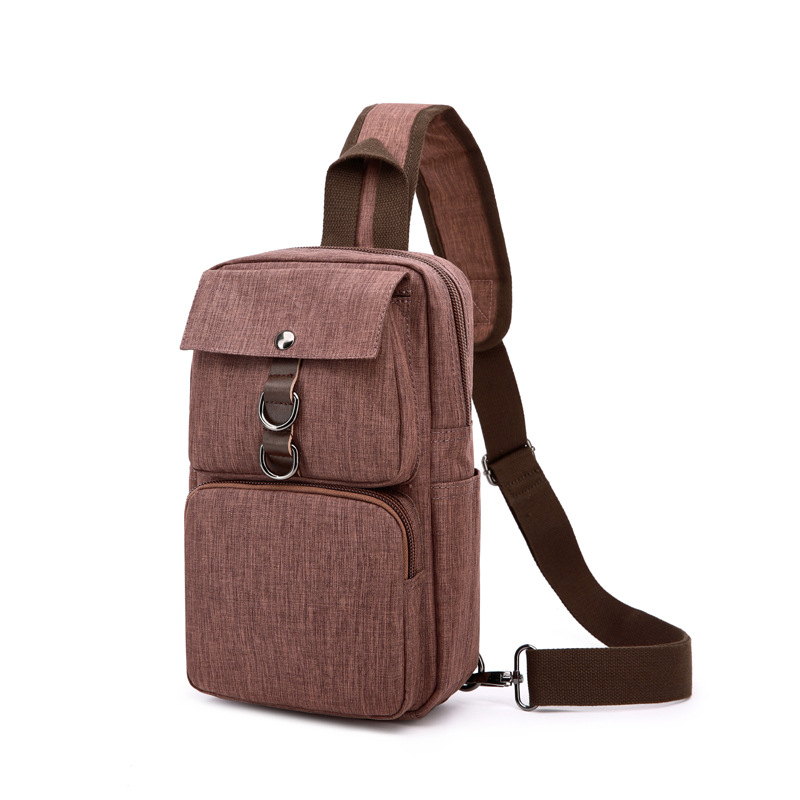
Selection should start with use case, not style. A product aimed at commuters needs different features than one aimed at travel, festival retail, or urban fashion. If the target buyer is carrying a phone and wallet only, a mini sling bag may be enough. If the market expects daily utility, then the bag needs more pocketing, better strap comfort, and a bit more internal organization.
Buyer teams should also think about body fit. One reason the men's sling bag and women's sling bag categories continue to expand is that users want something that feels personal without becoming bulky. Adjustable straps help, but strap length alone is not the whole story. The bag must sit cleanly when worn across different torso sizes and under different layers of clothing.
Common mistakes in product development and sourcing
One recurring mistake is overbuilding the bag. Adding too many compartments can make access slower and increase cost without improving usefulness. Another is underestimating the strap. A poor strap can make an otherwise decent bag feel cheap. It is also easy to oversize the product in an attempt to increase perceived value; that often erodes the very reason shoppers want a sling bag in the first place.
A smaller caution: don’t assume fashion appeal will rescue weak ergonomics. The category is too functional for that. Users may buy for looks, but they keep using it for comfort and convenience.
FAQ
Is a sling bag the same as a crossbody bag?
Not exactly. The terms overlap in retail, but a sling bag is typically designed to rotate to the front for quick access, while a crossbody bag may not prioritize that motion.
Is a messenger bag a better choice?
Only if the user needs more volume or a more structured work profile. For lighter daily carry, a sling bag is usually easier to live with.
What matters most when sourcing one?
Fit, strap performance, zipper reliability, and internal organization tend to matter more than decorative features.
A practical next step for buyers
If you are evaluating a sling bag program, start with a sample set that reflects the real use case: everyday carry, travel, or fashion-led retail. Then test the bag worn across a few body types and with realistic contents. That simple step often reveals whether the design is ready for market or merely attractive on a table.