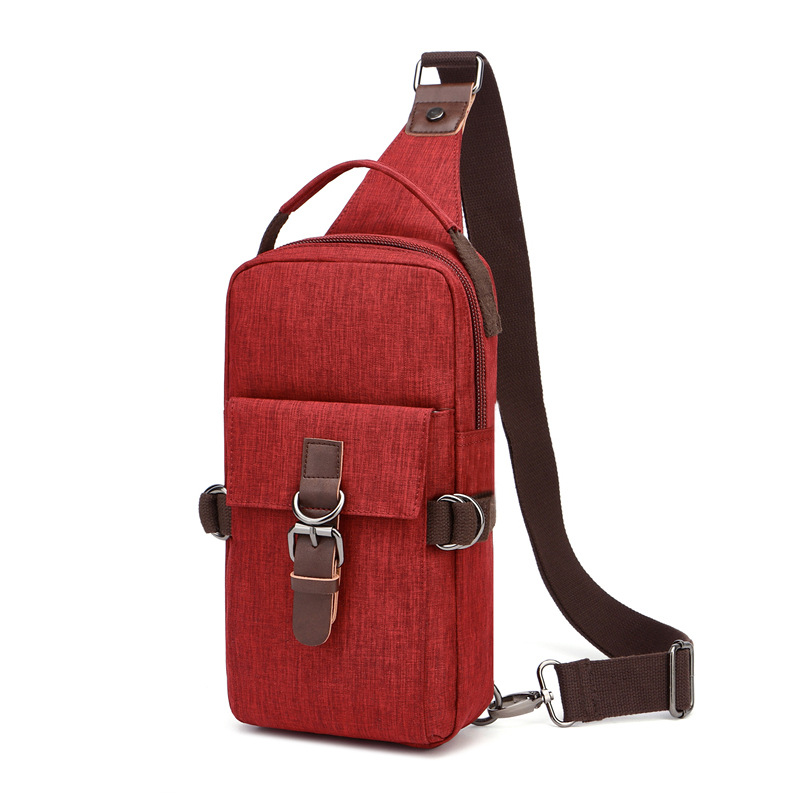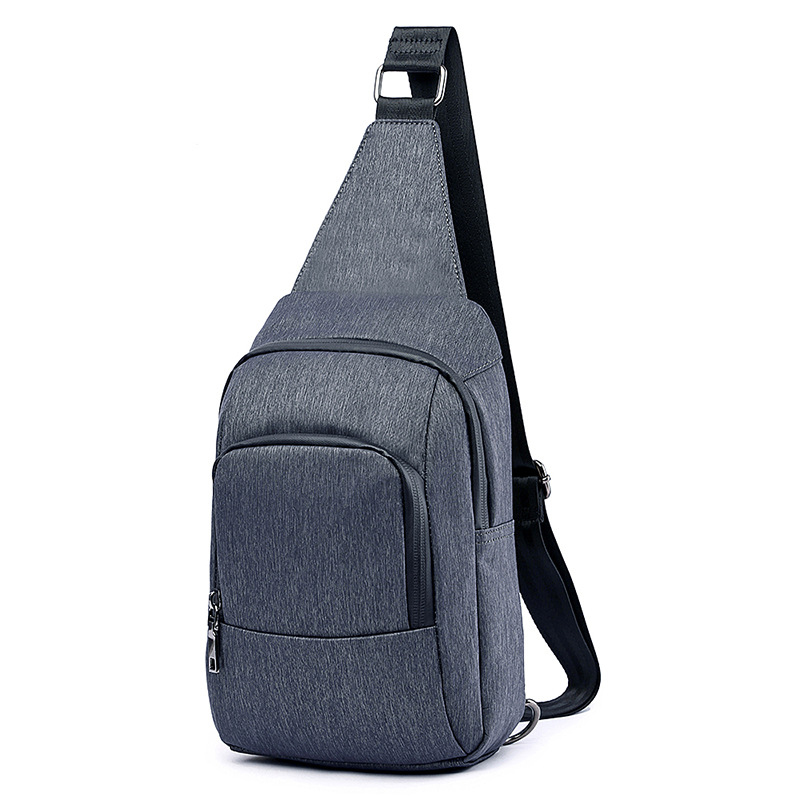
Why a sling bag looks simple but causes real buying decisions
A sling bag sits in a narrow space between a backpack and a pocket pouch, and that is exactly why it deserves more attention than it usually gets. The format is small, but the design choices are not. Strap placement, zipper direction, body depth, and pocket layout all change how the bag feels after an hour on the shoulder or across the chest. For sourcing teams and product developers, the challenge is not whether the bag looks modern. It is whether it actually works for the intended user without creating returns, complaints, or awkward wearability issues.
That matters because the category is broad. A crossbody sling bag for commuting does not need the same structure as a travel sling bag built for passports, charging cables, and quick access. A men's sling bag may be expected to carry a phone, wallet, and key set with a more restrained profile, while a women's sling bag might be expected to balance function with a softer shape or more finish options. In practice, the market is less about one universal design and more about matching the pattern to the use case.
What to compare before you commit to a style
If you are evaluating a sling bag line, start with three questions: how much it must carry, how it will be worn, and what kind of daily abuse it will see. That sounds basic, but many product problems start when teams treat a small bag as a simple accessory rather than a piece of functional gear.
Capacity and silhouette
A small sling bag can work very well for essentials, but only if the internal geometry is honest. Flat objects are easy. Bulk is what exposes weak design. Once the customer adds a phone, power bank, sunglasses, and a folded document, a thin body can start to print outward or pull the strap in an uncomfortable line across the torso. If the bag is meant to feel compact, the opening and pocket arrangement have to support that from the start.
Carrying style and audience
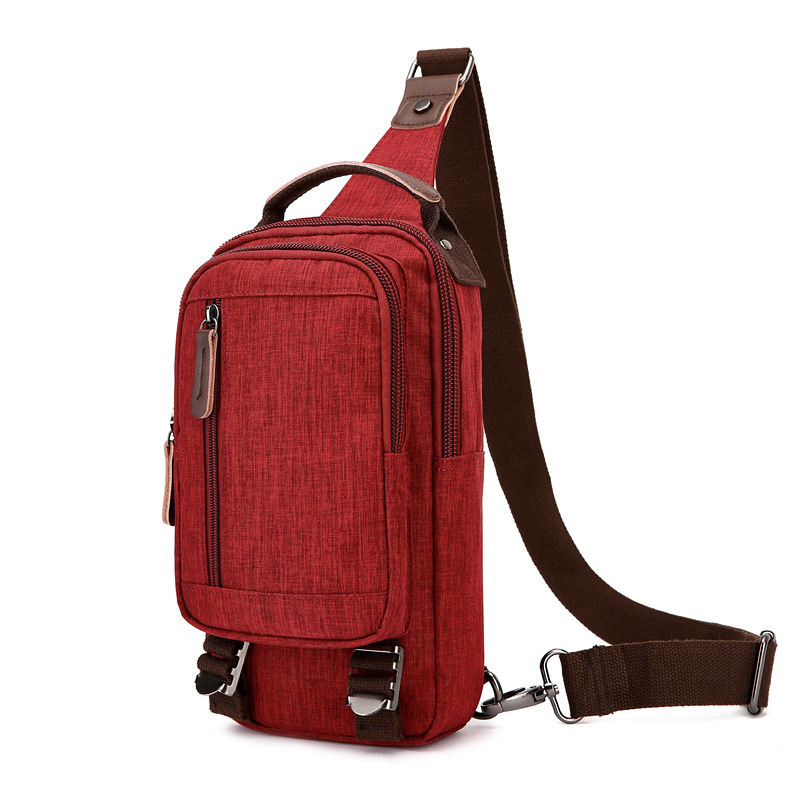
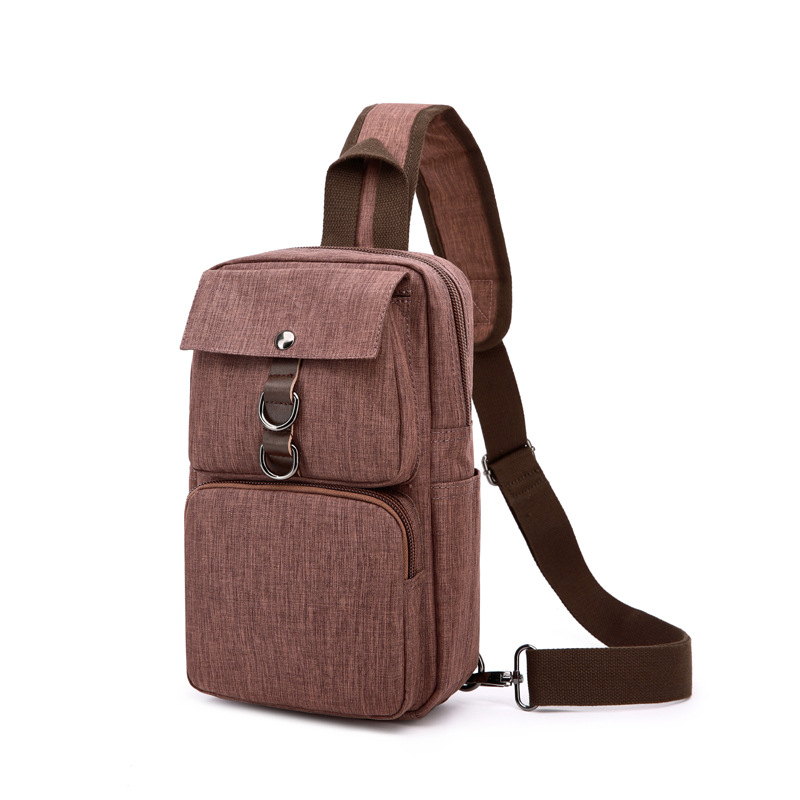
The difference between a casual sling bag and a more technical model is often felt in the strap. Wider webbing, smoother adjusters, and more stable anchor points reduce twisting and pressure. For some users, the bag must sit low and relaxed. For others, especially in urban commuting, it needs to stay close to the body and move cleanly when the wearer turns. That is also where anti-theft details matter, because a hidden rear pocket means little if the main compartment is difficult to access or if the bag flops open too easily.
Materials and trim
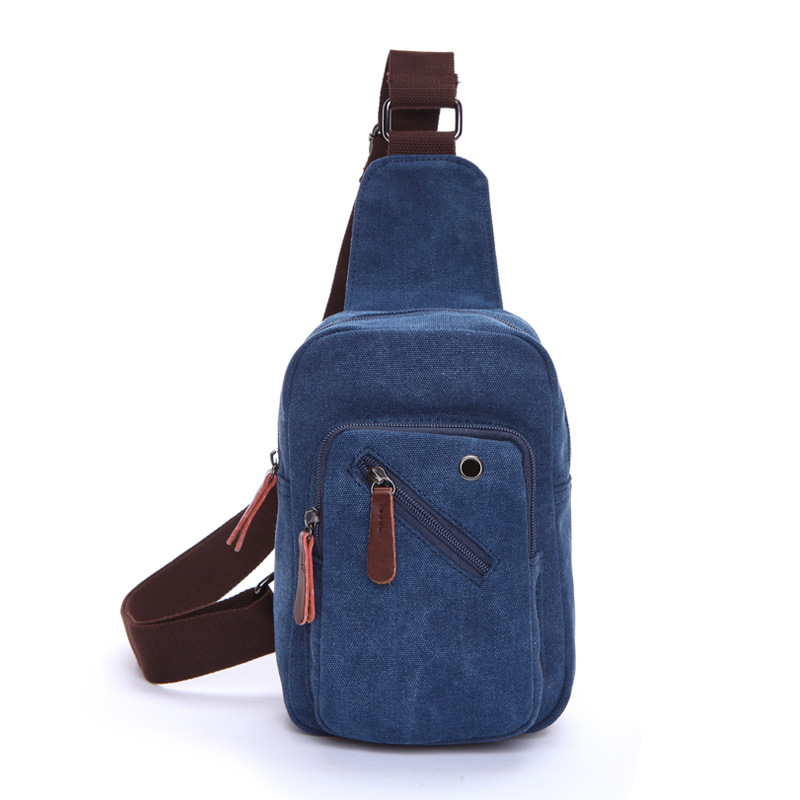
Polyester, nylon, canvas, and PU-based surfaces each bring a different tradeoff. Nylon is often chosen for lightness and abrasion resistance. Polyester can be practical for cost control and color consistency. Canvas gives a more relaxed appearance but may need more attention to structure and stain behavior. Hardware and trims matter just as much as the outer shell. A weak zipper, noisy buckle, or poor stitching line can undermine an otherwise decent design.
Common features that actually add value
Some features look good on a spec sheet and do little in use. Others are modest but important. Internal organization is a good example. A single roomy cavity may look clean, yet a phone-sized pocket, a key clip, or a cable sleeve can make the bag feel much more considered.
For a travel sling bag, the best additions are usually simple: secure zipper paths, a pocket that stays accessible while worn, and enough padding to keep a power bank or camera accessory from digging into the body. For an anti-theft sling bag, the priority is different. Hidden access points, tighter body structure, and durable zipper pulls can offer real value, but only if they do not make the bag cumbersome. Security features that frustrate the user are rarely kept.
Where the market segments tend to diverge
The same sling bag form can serve very different retail stories. A men's sling bag often leans toward minimal branding, darker colors, and an angular profile. A women's sling bag may use softer proportions, more finish choices, or a lighter visual weight. A small sling bag can live in fashion, convenience, or event merchandising, depending on the materials and closure system. That flexibility is one reason the category remains popular, but it is also why product teams should define the end user before sampling begins.
Common mistakes buyers still make
The most common mistake is overdesigning the front panel and underdesigning the strap. Another is assuming a compact product is automatically easier to manufacture. It is not. Small bags can expose stitching inconsistencies more clearly because every seam is visible and every curve is tighter. Teams also underestimate how much the opening angle matters. A beautiful shell with a poor zipper path will annoy users every day.
There is also a practical warning worth repeating: do not approve a sample only because it looks tidy on a table. Put a few real objects inside it, wear it for a while, and check whether the strap stays put. That simple test catches more problems than a polished product photo ever will.
Buyer checklist before sampling
Before you move into prototype approval, define the carrying load, the strap range, the intended wearing position, and the pocket count. Decide whether the bag must read as outdoor, urban, travel, or casual. Then lock the details that affect daily use: zipper quality, lining behavior, reinforcement at the strap anchors, and whether the bag should stand upright or collapse softly.
If the product is meant for broad retail, avoid vague requirements. Say exactly what should fit, where the bag should rest on the body, and which feature is non-negotiable. A sling bag that is too generic often ends up pleasing nobody in particular.
FAQ
Is a sling bag mainly for travel or everyday use?
It can serve both, but the design should be honest about the primary use. Travel models need security and access. Everyday models usually win on comfort and simplicity.
What is the best choice for a casual sling bag?
A balanced body shape, smooth strap adjustment, and a durable but not overly technical finish usually work well. The bag should feel easy, not overbuilt.
How should teams think about anti-theft features?
Treat them as part of the user journey, not as decoration. A zipper can be secure and still be frustrating if the opening is awkward or the puller is hard to reach.
Next step for product teams
If you are building or sourcing a sling bag range, start with the use case and work backward into materials, construction, and trim. That keeps the design grounded and makes sample reviews far more efficient. The best products in this category are not the most complicated ones. They are the ones that carry well, wear cleanly, and stay useful long after the first impression fades.