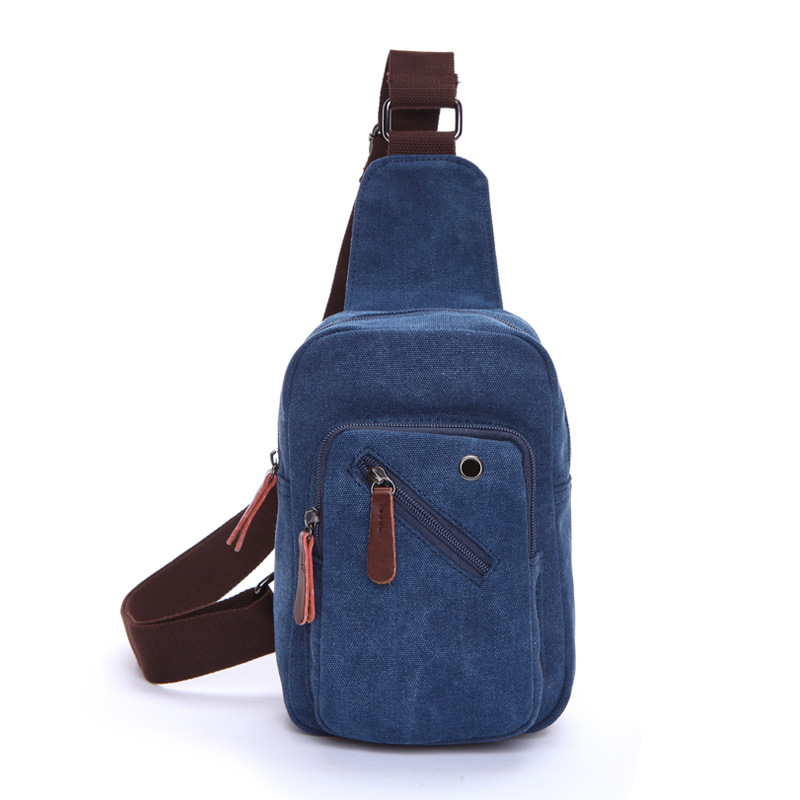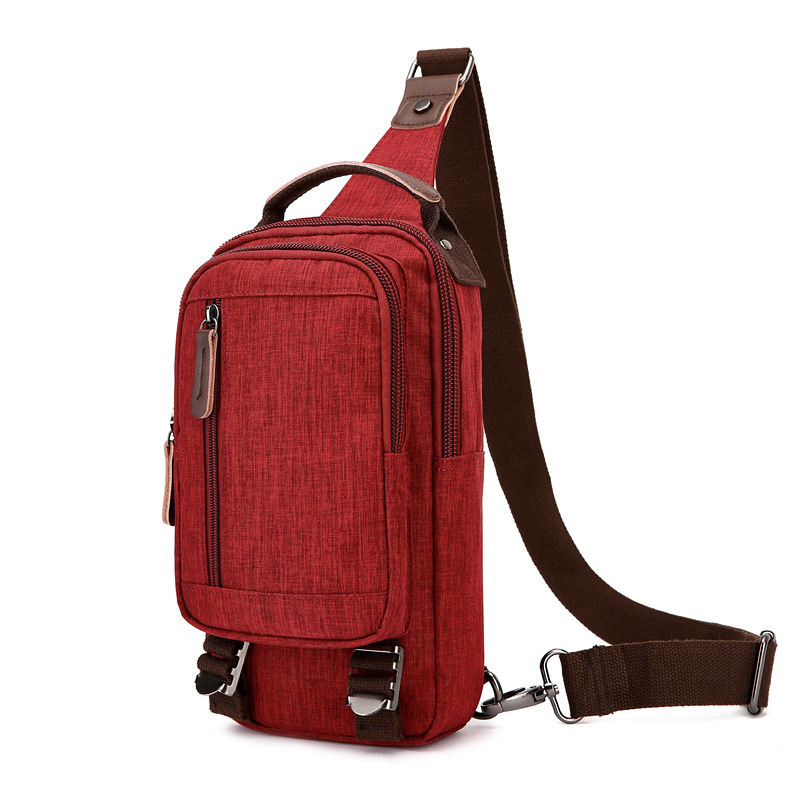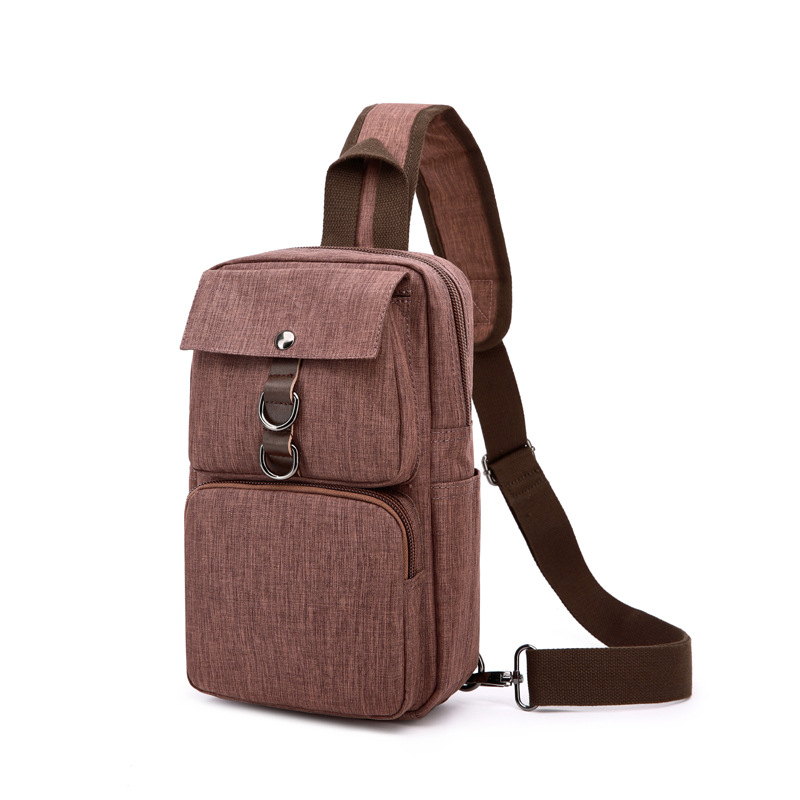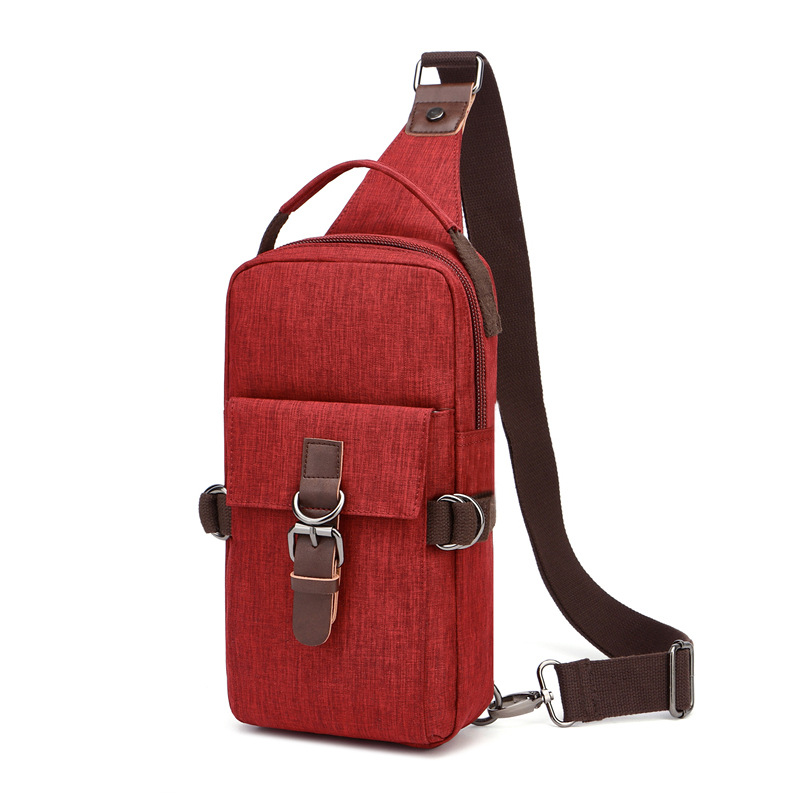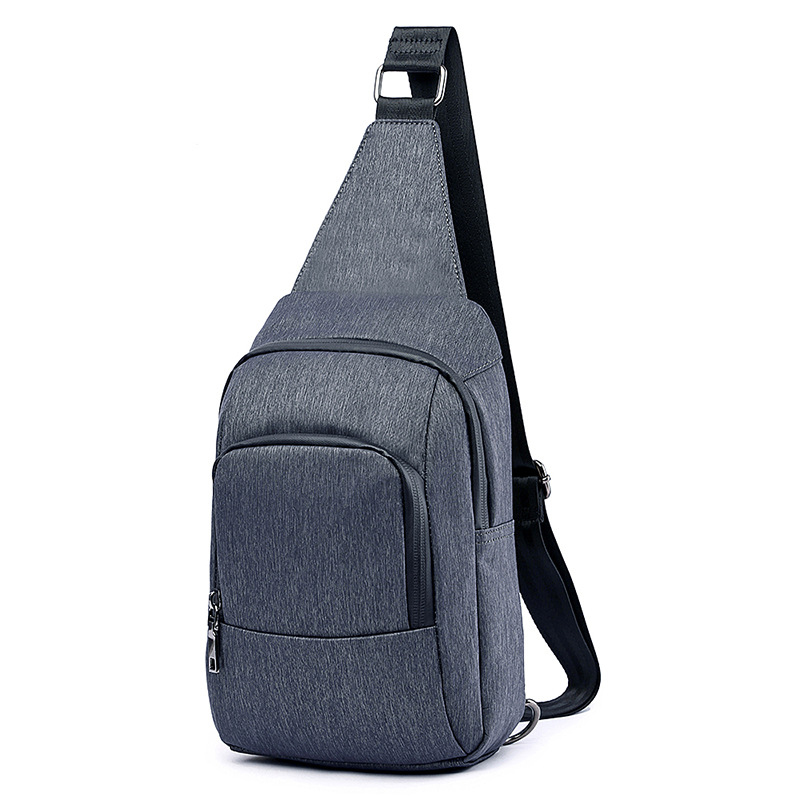
Sling Bag Buying Decisions: What Matters Before You Place an Order
A sling bag looks simple on the shelf, but it can fail in all the ways that matter to a buyer: awkward strap geometry, poor pocket layout, weak stitching, or a shape that works for fashion photos but not for daily carry. Whether you are sourcing for retail, private label, promotional programs, or a specialty bag line, the real question is not whether a sling bag is trendy. It is whether the design will carry comfortably, hold up in use, and fit the customer segment you are targeting.
That is especially true for the current mix of use cases. One buyer may want a crossbody sling bag for commuters who move through crowded trains. Another may need a travel sling bag that keeps documents, a phone, and a passport close to the body. A third may be building a unisex accessory line and wants something that can sell as a men's sling bag or women's sling bag without feeling overly gendered. Those are different products in practice, even if they share the same basic silhouette.
Why Sling Bags Sell: Compact, Close-Body, and Easy to Use
The appeal of a sling bag is mechanical as much as aesthetic. It sits closer to the body than a backpack, moves faster than a tote, and is less bulky than a messenger bag. For the end user, that usually means easier access to essentials and less fatigue during short trips, errands, or travel days.
For sourcing teams, the compact format also creates a narrower window for mistakes. Every millimeter matters when deciding strap width, zipper placement, internal dividers, and the depth of the main compartment. A bag that looks sleek in a product photo can feel cramped once a wallet, charger, earbuds, and sunglasses are inside. That is where an everyday sling bag either earns repeat use or gets abandoned after the first week.
Quick Reference: What to Check First
If you only review a few things before sampling, start here:
The strap should support comfortable cross-body wear without twisting too easily.
The main compartment should open far enough for quick access, but not so wide that contents spill out.
The bag body should hold its shape enough to protect contents while still staying light.
Hardware, zippers, and stitching should match the intended price tier. A low-cost bag can use simpler materials, but weak hardware always shows up in returns.
The design should suit the customer profile. A single strap bag for commuter use may need a more structured look than one aimed at casual streetwear.
Choosing the Right Style for the Market
Not every sling bag serves the same shopper. Some buyers want a technical look with pockets and weather-friendly materials. Others want a softer fashion profile that works with casual wear. The product brief should decide that early.
Crossbody Sling Bag
This version is often the safest commercial choice because it is easy to understand and easy to wear. It usually appeals to a broad audience, including commuters and travelers. In practice, it should stay stable against the torso and avoid bouncing too much when walking.
Shoulder Sling Bag
A shoulder sling bag tends to emphasize fast access and a slightly more relaxed carry style. It can be attractive for casual urban use, but buyers should pay attention to how the strap sits over time. If the angle is wrong, the bag may slide or feel more like a compromise than a feature.
Everyday Sling Bag vs. Travel Sling Bag
An everyday sling bag usually focuses on light carry and simple organization. A travel sling bag, by contrast, benefits from more security-minded details: hidden pockets, better compartment separation, and a shape that sits flat under a jacket or over layers. That distinction matters because consumers notice it immediately once they start packing for a day out or a flight.
Materials and Construction: Where Quality Shows Up
Material choice affects not just appearance but also bag behavior. Softer fabrics may feel comfortable and casual, while more structured materials can help the bag keep its form. Depending on the market, buyers may compare fabric texture, surface finish, water resistance, and abrasion visibility after handling.
Construction is just as important. Reinforced stress points near strap anchors and zipper ends are not glamorous details, but they are the difference between a product that survives normal use and one that comes back with complaints. For any sling bag intended for frequent daily wear, reviewers should inspect how seams finish at corners and where load-bearing points are concentrated.
A practical caution: if a sample looks good when empty but collapses awkwardly when filled, that is a design issue, not a packing issue. It usually means the pattern needs revision.
Common Buyer Mistakes
One common mistake is treating all sling bags as interchangeable. A retailer may assume one neutral design will serve everyone, then discover that the fit is off for some users and the storage is inadequate for others.
Another mistake is overloading the product with too many pockets. Buyers often ask for more organization, but excessive compartments can make a compact bag heavier, harder to sew cleanly, and less intuitive to use.
A third mistake is ignoring strap adjustment range. If the bag is supposed to work as a men's sling bag and a women's sling bag, the fit needs to be flexible enough for different torso sizes and wearing preferences.
FAQ for Sourcing Teams and Product Managers
What size sling bag is best?
It depends on the use case. Smaller bags work for essentials only, while travel-focused styles need more room for documents and accessories.
Should we prioritize fashion or function?
That depends on the channel, but the best-selling sling bag usually does both reasonably well. If one side is ignored, returns tend to tell the story later.
How do we reduce complaints after launch?
Test strap comfort, pocket access, and load behavior with real contents, not just empty samples.
What a Good Next Step Looks Like
Before finalizing a sling bag program, review the intended user, the carry load, and the sales channel side by side. A design that works for airport shoppers may not work for streetwear buyers, and a fashionable profile may not survive heavy daily use. The right decision is usually the one that makes those tradeoffs visible early, before tooling or volume orders lock them in.
If you are preparing a new bag line, start with a clear use case, request samples that reflect it, and inspect the strap, compartment layout, and construction under actual carry conditions. That small step often separates a good-looking product from one that can stay in the assortment.