Why the sling bag keeps showing up in product plans
A sling bag looks simple on the shelf, but it sits in a useful middle ground for buyers. It is smaller than a backpack, easier to carry than a tote, and more flexible than a rigid messenger style. For brands, retailers, and sourcing teams, that makes it a practical category to watch closely. The challenge is not just choosing a style that looks current; it is deciding which construction, capacity, and feature set actually fit the intended user.
That matters because the wrong bag size or carry layout creates immediate friction. If the bag rides awkwardly across the body, the strap pulls during movement, or the main compartment is too shallow for daily essentials, customers notice quickly. A well-made sling bag, by contrast, solves a very specific problem: carrying essentials without the bulk of a full backpack. That is the decision this article helps frame.
What buyers usually mean when they ask for a sling bag
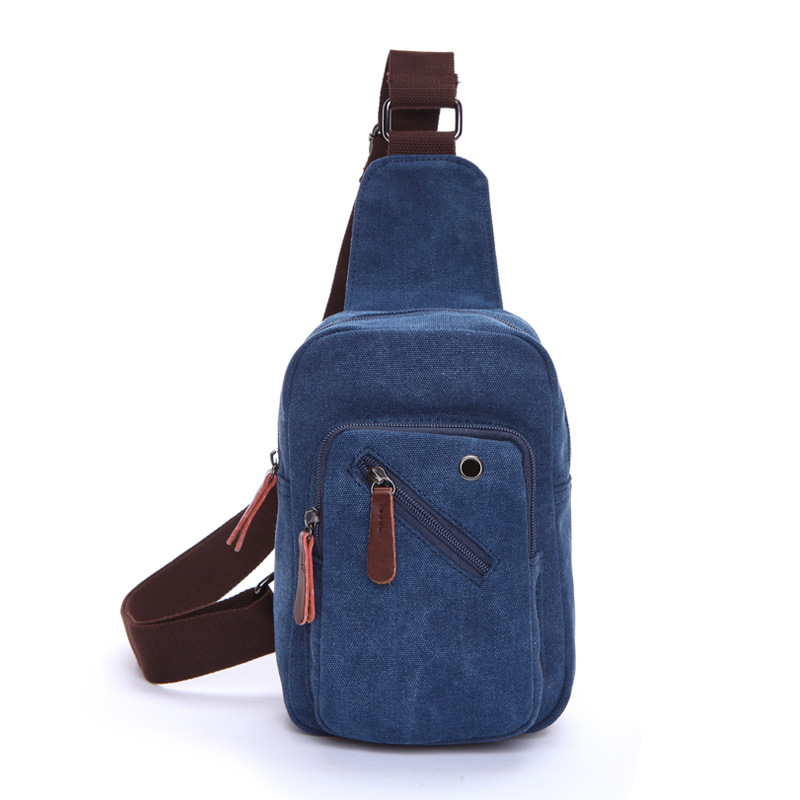
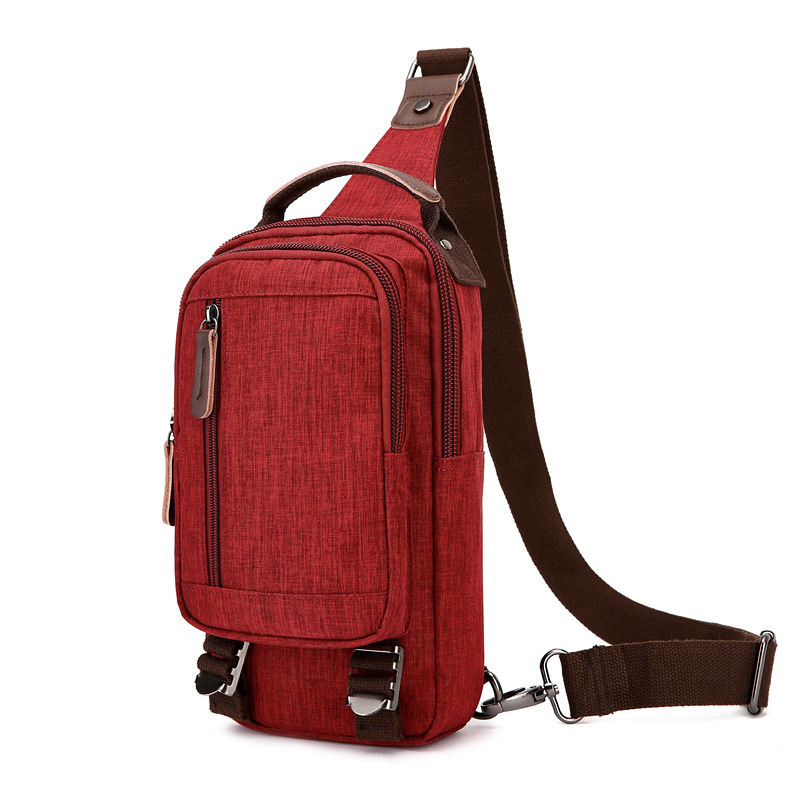
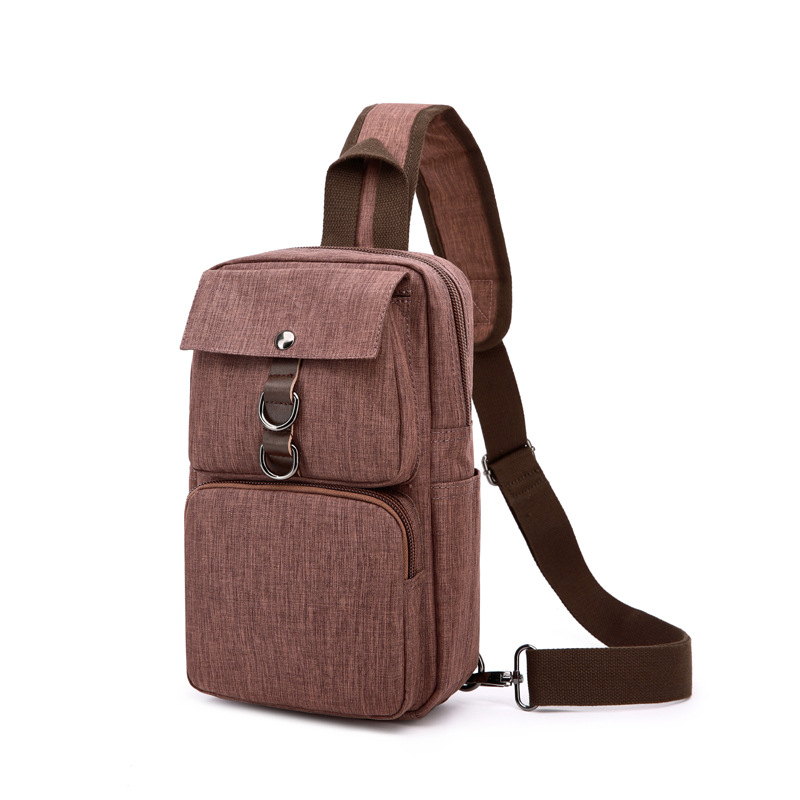
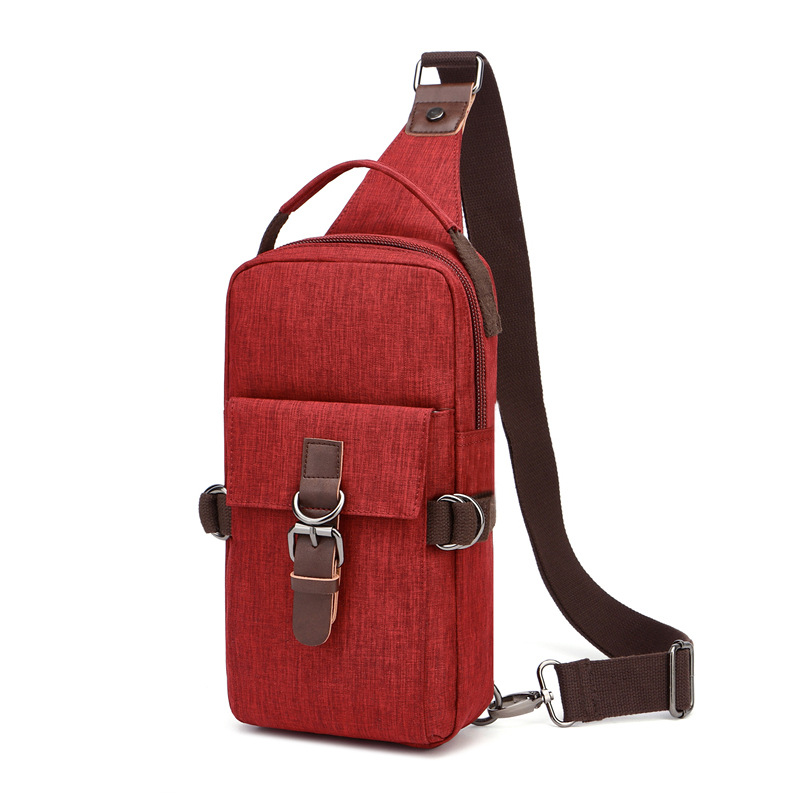
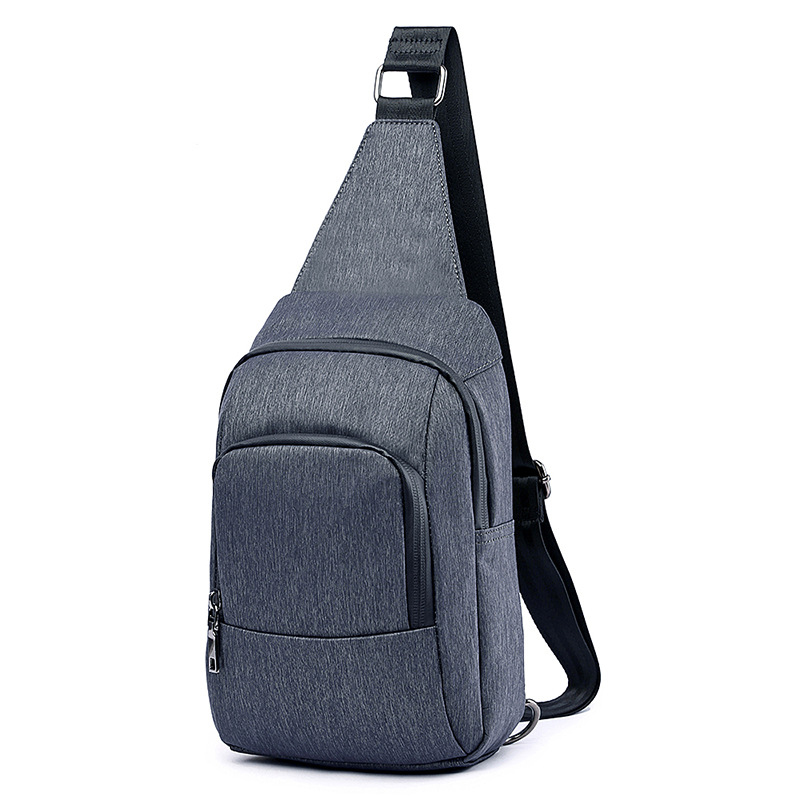
In sourcing discussions, the term can cover several shapes. A crossbody sling bag often refers to a compact bag worn diagonally across the torso, with the opening positioned for quick access. A small sling bag may prioritize light weight and mobility over storage volume. A travel sling bag usually adds security-minded features and a more organized interior. The category also splits by audience, with men sling bag and women sling bag searches often pointing more to styling and proportions than to any true structural difference.
That split is worth noting. The market may use gendered labels, but the functional requirements are usually the same: comfortable strap geometry, enough room for a phone and wallet, and pockets that do not turn into a jumble after a week of use. In practice, most buyers are selecting for use case first, styling second.
Construction details that influence performance
The body fabric, lining, zipper quality, and strap hardware all affect how the bag performs in daily use. For a leather sling bag, the appeal is often visual and tactile, but the buyer still has to think about weight, edge finishing, and how the material will age with repeated carry. A synthetic shell may be lighter and easier to wipe clean, while a leather exterior can support a more premium retail position if the rest of the build matches the price point.
Straps deserve more attention than they often get. A sling bag hangs differently from a backpack, so the strap needs to distribute load across the shoulder without twisting. A narrow strap might look neat in a product photo, but it can become uncomfortable once the bag is loaded with a power bank, keys, earbuds, and a small bottle. Hardware should also be checked carefully. Cheap swivel clips and adjusters tend to show wear early, and they are difficult to disguise once the product is in circulation.
When security features are worth paying for
The anti theft sling bag has become a common search term for a reason. Urban commuting, public transport, and travel all create situations where users want less exposure and more control over access. Security features may include hidden zippers, rear-facing openings, cut-resistant elements, locking pulls, or pockets placed close to the body. Not every buyer needs the full package, but some of these details can be useful if the bag is meant for transit-heavy use.
A practical caution: security features should not make the bag clumsy. If a design becomes too stiff, too layered, or too slow to open, users may simply stop using those features. That is one of the more common mistakes in this segment. Buyers often ask for extra protection without checking whether the design still feels natural in daily carry.
Selection criteria that matter more than trend language
For product teams, the cleanest way to evaluate a sling bag is to map it to the user’s actual day. What does the person carry, how often do they access the main compartment, and how long is the bag worn at a stretch? Those answers should shape pocket layout, strap width, and material choice more than any trend phrase on a spec sheet.
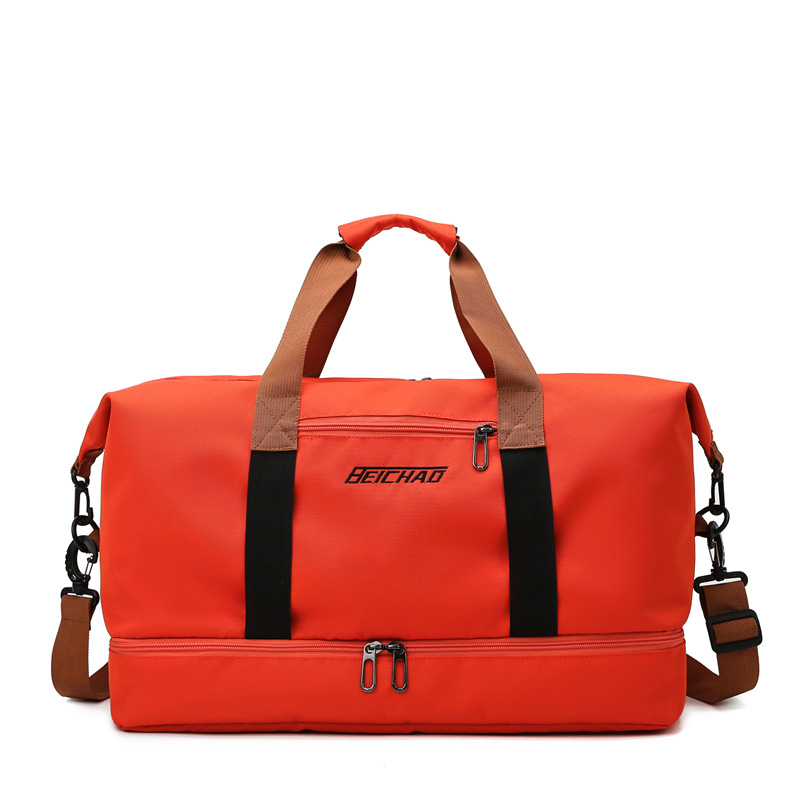
Retail-facing buyers should also think about shelf clarity. A collection can include one crossbody sling bag for commuting, one small sling bag for minimal carry, and one travel sling bag with more organization. That kind of segmentation is easier to explain to customers than a vague spread of near-identical models.
Common buying mistakes
The first mistake is overbuilding. Too many compartments can make a compact bag hard to use. The second is underestimating fit. A sling bag that looks compact in photos may still sit awkwardly on a broader frame or feel unstable when packed. The third is confusing style with durability. A leather sling bag can look strong at launch, but if the stitching, lining, or strap attachment points are weak, the premium appearance will not carry the product for long.
Practical buyer advice
If you are sourcing for a retail line or private label program, ask for samples that reflect real carry behavior, not just polished display samples. Load them with normal everyday items and check how the strap sits after a few minutes. Open and close the zippers repeatedly. Look at the bag from the side, because silhouette changes once it is actually worn.
For brands targeting commuters or travelers, an anti theft sling bag may deserve a place in the line. For lifestyle collections, a leather sling bag or a cleaner fashion-oriented crossbody sling bag may be the better fit. If the audience is broad, a small sling bag with clean organization and neutral styling is usually the safest starting point.
FAQ for sourcing and product planning
Is a sling bag mainly a fashion item or a utility item?
It can be either, but the stronger products do both reasonably well. Buyers should not assume style alone will carry the category.
What should be checked first in samples?
Strap comfort, zipper operation, and how the bag behaves when loaded. Those factors often determine whether the product feels right in use.
Which version is easiest to position broadly?
A restrained crossbody sling bag with simple storage and neutral materials tends to fit more retail channels than a heavily specialized design.
What to do next
If you are building a line or comparing suppliers, define the end use before discussing styling details. Once the use case is clear, it becomes much easier to choose between a travel sling bag, a small sling bag, or a more premium leather sling bag. That early decision usually saves time later, and it prevents the all-too-common problem of approving a product that looks right but wears wrong.