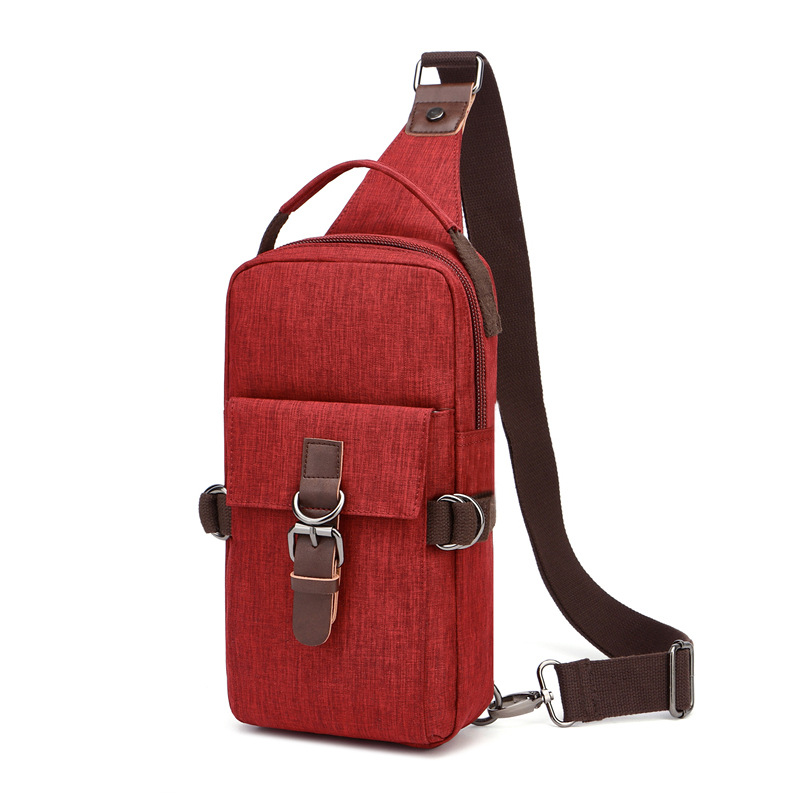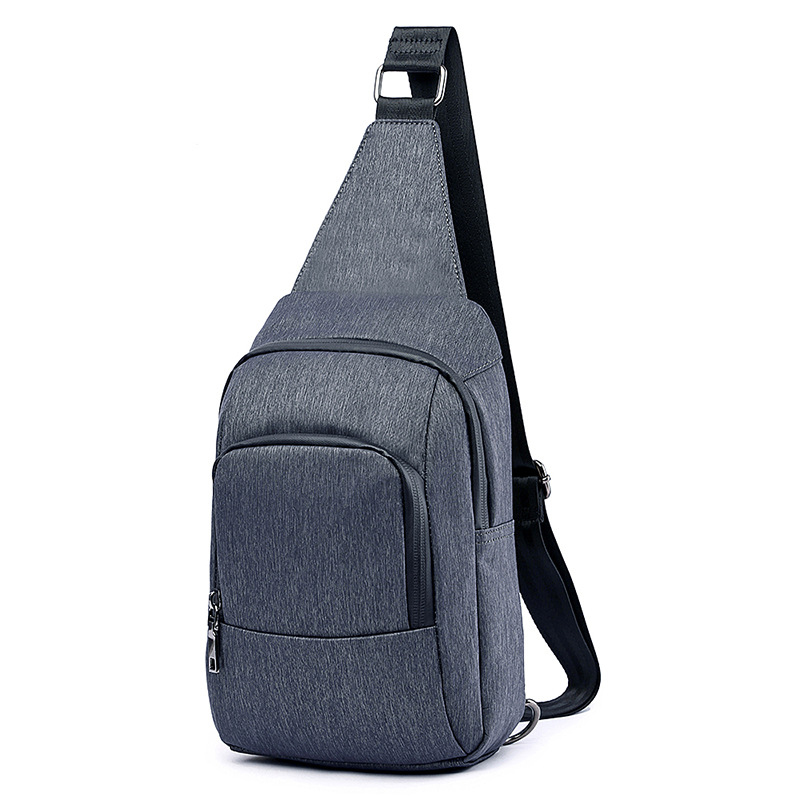
What buyers are really looking for in a sling bag
A sling bag seems simple until you have to choose one for everyday carry, travel, or retail line development. The shape is compact, but the buying decision is not. A good sling bag has to balance access, comfort, storage, and durability without turning into a bulky backpack or a flimsy pouch. For sourcing teams and product planners, that means looking beyond style photos and checking how the bag actually carries weight, how the strap adjusts, and whether the compartment layout matches real use.
That is why the category keeps growing. Consumers want a hands-free option that sits close to the body, works in crowded transit, and still keeps a phone, wallet, keys, and a few daily items organized. In practice, the right choice often comes down to materials, hardware, and fit rather than appearance alone.
Why this category matters
The appeal of a crossbody bag is mostly practical. It keeps essentials visible and easy to reach, and it usually feels less cumbersome than a backpack when the load is light. For commuting, walking through airports, or moving between meetings, that matters. People want quick access without constantly removing the bag.
There is also a security angle. A bag worn across the torso is generally harder to snatch than an open tote, and a zippered front pocket can reduce rummaging. That said, not every model is equally secure. A wide opening with weak zippers or thin strap attachments can undo the benefit pretty fast, so buyers should inspect construction rather than assuming the format itself solves the problem.
Key design choices that affect performance
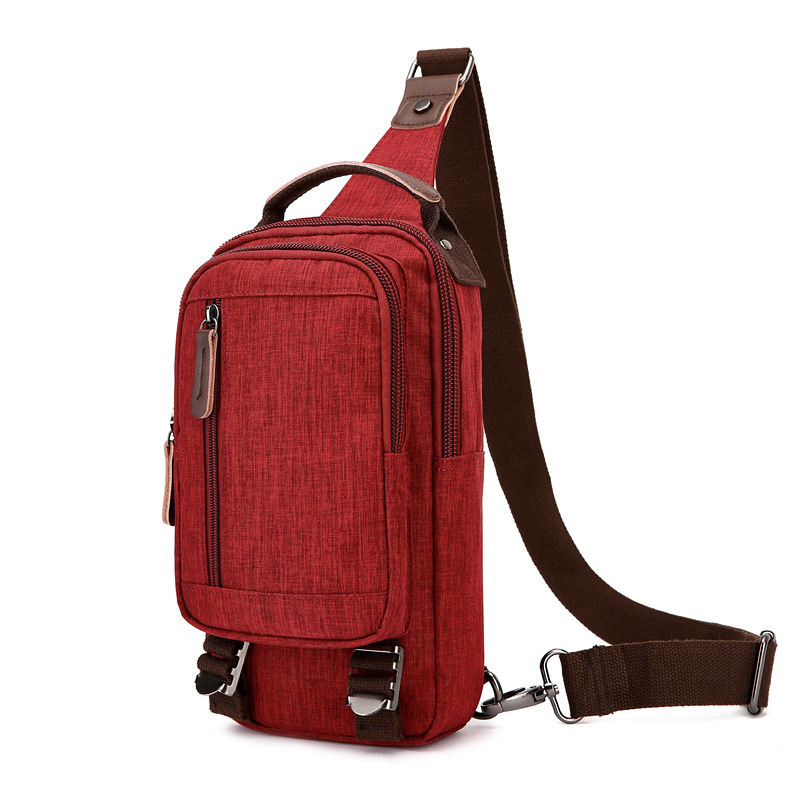
At a minimum, a shoulder sling bag should carry weight comfortably and stay stable when the wearer moves. Strap width matters because narrow webbing can dig into the shoulder, especially if the bag is loaded with a power bank, compact camera, or water bottle. Adjustability matters too. A strap that does not shorten enough may swing too low; one that does not extend enough may not fit layered clothing or larger frames.
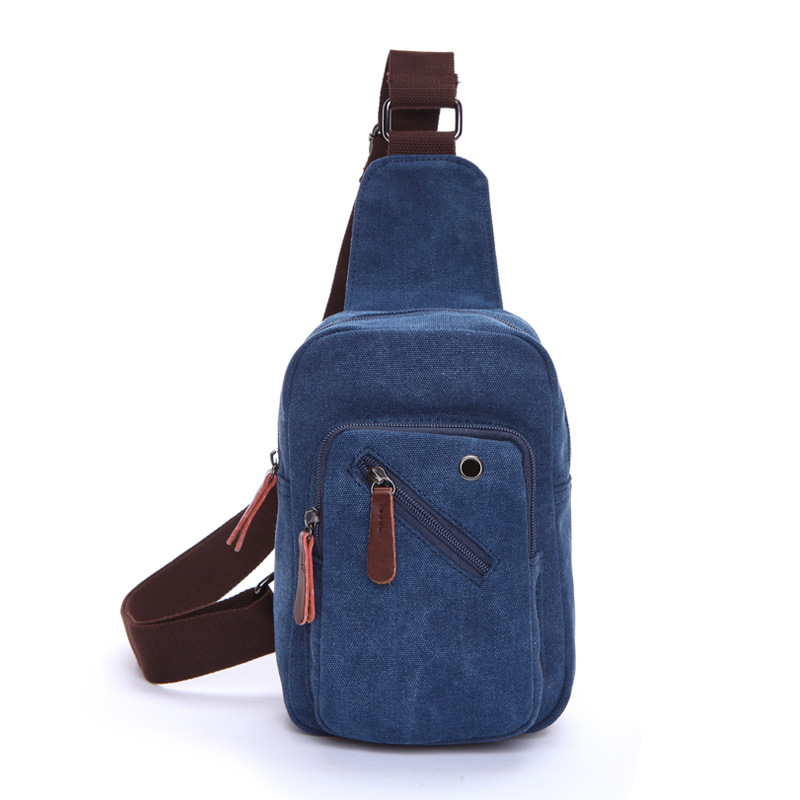
Material selection changes the entire feel of the product. Nylon and polyester are common for lighter, weather-tolerant styles. Canvas can give a more casual look, though it may absorb dirt more readily. Leather and leather-look materials can raise perceived value, but they add weight and need more careful edge finishing. A small sling bag made for urban carry should not feel overbuilt, yet it should still keep its shape well enough to avoid collapsing around the contents.
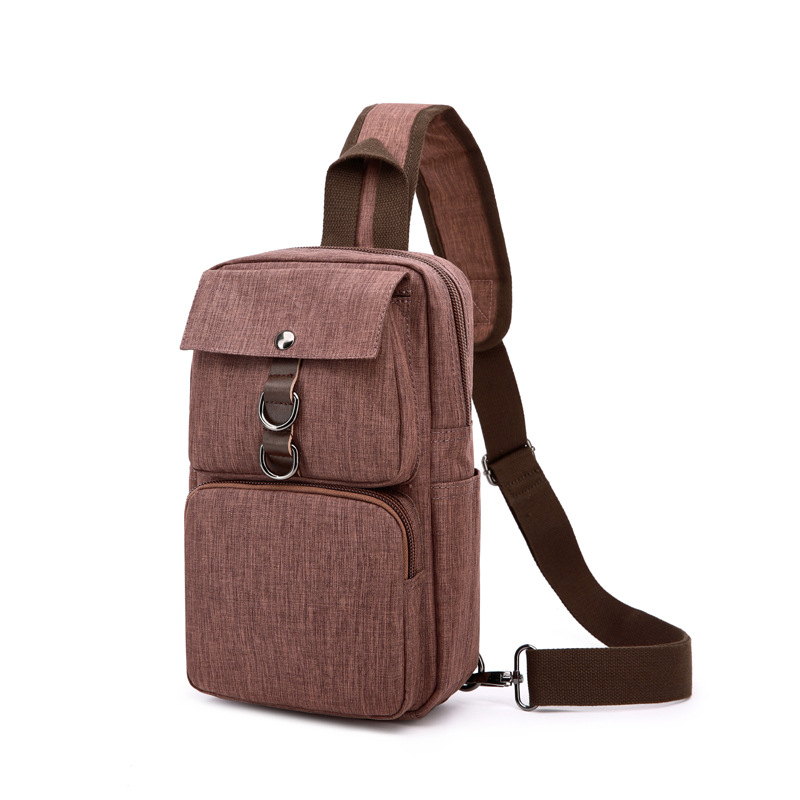
Hardware is another place where shortcuts show up quickly. Zippers should track smoothly, pull tabs should be easy to grip, and swivel clips should not rattle themselves loose. Stitching at stress points, especially around the strap anchor and top handle if there is one, deserves close review. Buyers often focus on fabric denier or surface texture first, but failed hardware causes returns faster than almost anything else.
How to match the bag to the use case
For commuting or travel, a travel sling bag usually needs a more disciplined layout than a fashion-first version. One main compartment, one quick-access pocket, and a hidden pocket for documents or cash can be enough. Too many small pockets sometimes create clutter instead of organization. The buyer’s question should be simple: can a user reach the right item quickly, without emptying the whole bag?
For casual city carry, a unisex sling bag often succeeds because it avoids over-specific styling and can move between wardrobes. Neutral colors, understated branding, and a clean silhouette make the product easier to sell across broad customer groups. If the goal is a lifestyle accessory rather than a utility item, then surface texture and trim details may matter more than internal volume. Still, even a style-led product needs sensible pocket depth and reliable closure.
A small sling bag works best when the user carries only essentials. Once the load grows, the bag starts to behave differently. It swings more, the strap becomes more noticeable, and the user may begin to treat it like a half-filled backpack, which is exactly the wrong use. That is a common mismatch in retail: the product looks versatile, but the capacity tells a different story.
Common mistakes buyers make
One frequent mistake is choosing a bag by exterior size alone. Two bags can look similar on a hanger and perform very differently once filled. Internal dimensions, pocket placement, and gusset shape are more important than the surface footprint. Another mistake is ignoring strap attachment geometry. If the strap pulls awkwardly against the body, the bag will not sit flat and the wearer will notice it every time they turn.
Another issue is overdesign. Some products try to include too many compartments, redundant zippers, and decorative panels. That can raise sewing complexity and create more failure points without improving usability. A cleaner design often sells better because it is easier to understand and easier to use.
What engineers and sourcing teams should check
For product teams, the inspection checklist should include seam construction, zipper quality, lining durability, strap adjustability, and hardware attachment. It also helps to think about how the bag behaves after repeated loading and unloading. If the bag is intended for heavier daily carry, the strap junction and side panels should be treated as primary stress zones.
If the target customer is a commuter or traveler, the crossbody bag format should feel balanced when worn for long periods. If it is aimed at fashion retail, then color, texture, and silhouette may carry more weight, but the core build still has to be honest. A pretty sample that fails after a few weeks will not stay pretty in the market for long.
FAQ
Is a sling bag good for daily use?
Yes, if the load stays light and the layout is practical. It is best for essentials, not for carrying everything at once.
How is it different from a backpack?
A sling bag gives faster access and a slimmer profile. A backpack usually distributes weight better when the load is heavier.
What should buyers prioritize first?
Start with strap comfort, zipper reliability, and pocket usefulness. Style matters, but those three factors determine whether the product actually gets used.
A practical next step
If you are developing or sourcing this category, sample the product in the way real customers will use it: worn across the body, loaded with daily items, and carried for more than a few minutes. The details that matter tend to appear quickly. A sling bag that looks balanced in a catalog should also feel stable on the shoulder, open cleanly, and hold up after repeated use. That is the difference between a product that moves and one that comes back.