Why the sling bag keeps showing up in product line meetings
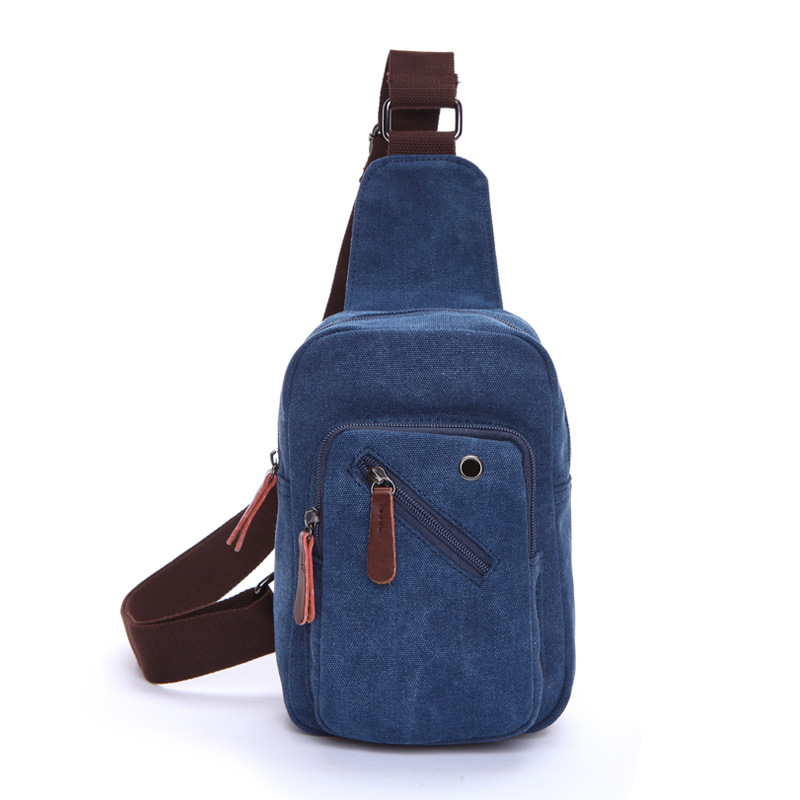
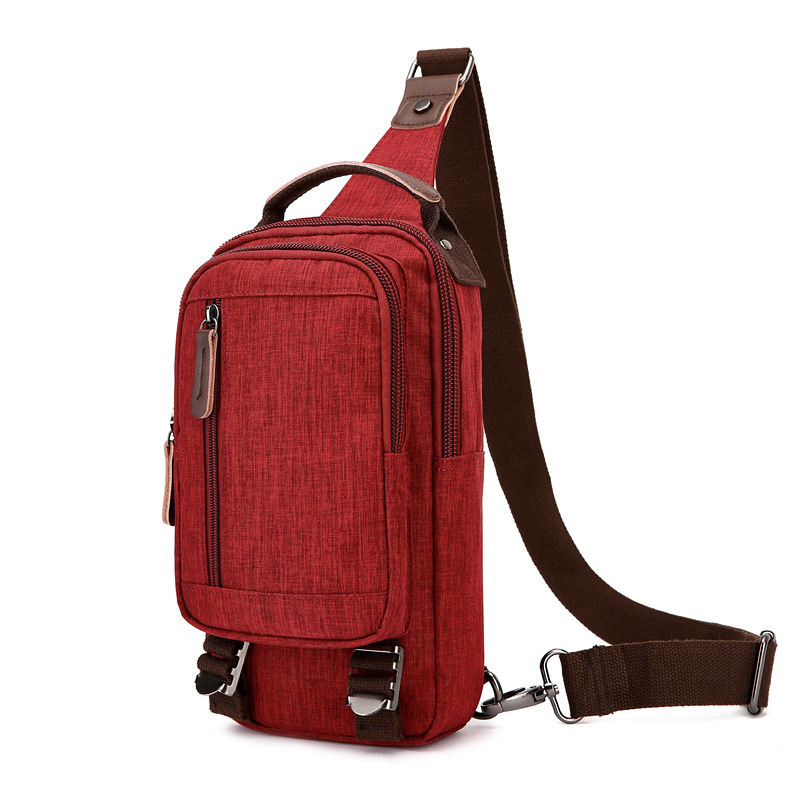
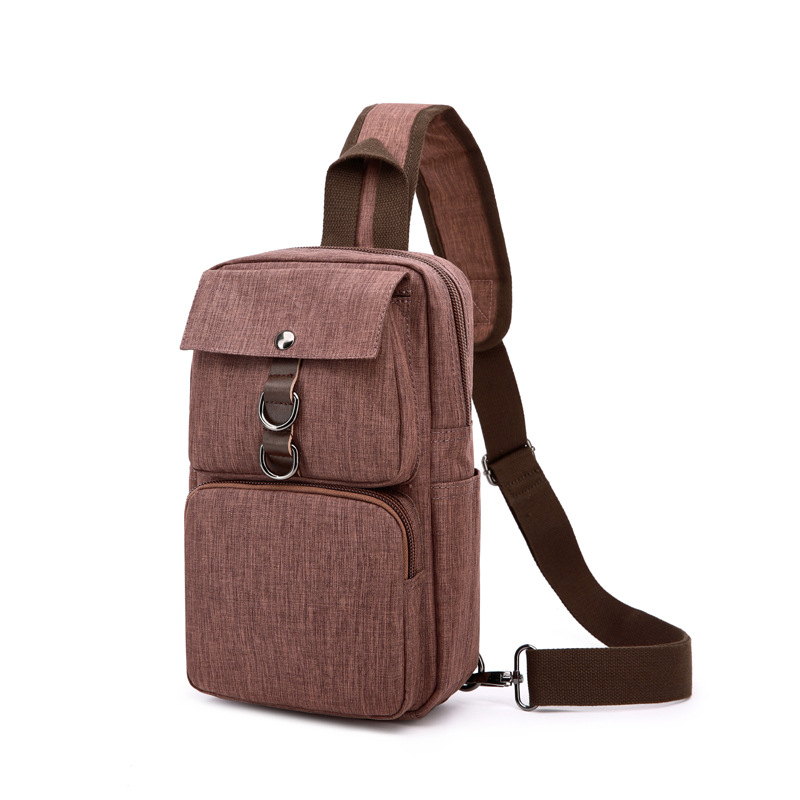
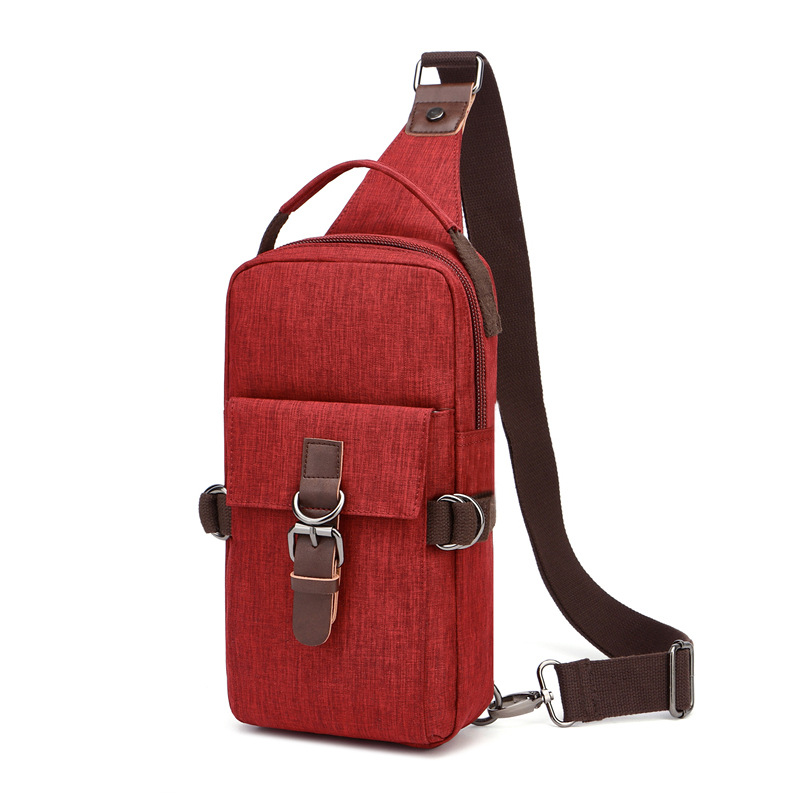
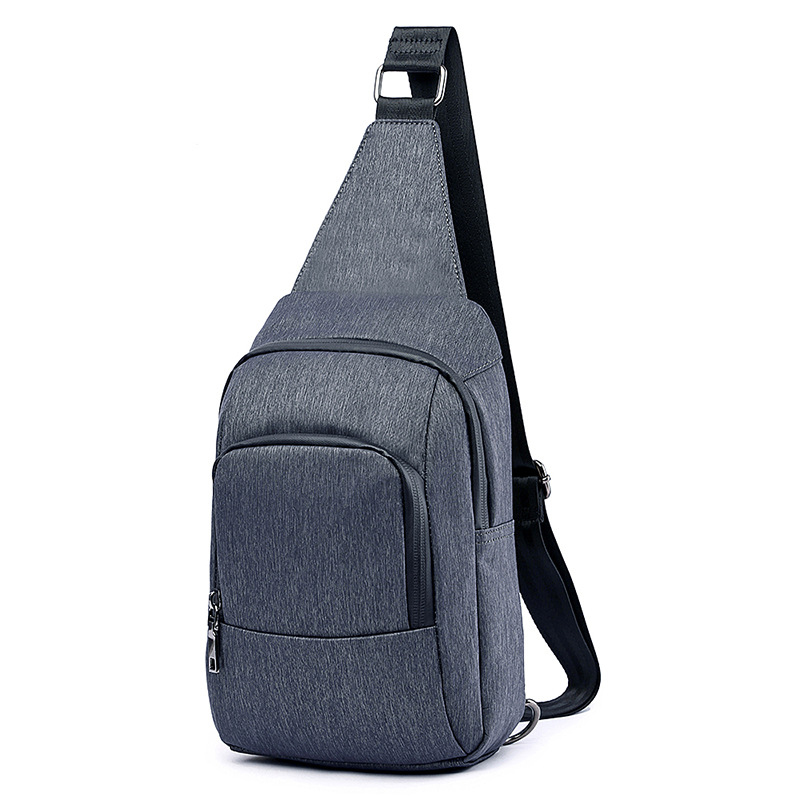
The sling bag has moved well beyond a niche accessory. For brands, sourcing teams, and product developers, it sits in a useful middle ground: smaller than a backpack, easier to carry than a tote, and more secure than a loose pocket dump. That mix is why buyers keep asking which version fits their market best, whether they need a crossbody sling bag for urban commuting, a travel sling bag for airport movement, or a small sling bag for everyday carry.
What makes the category interesting is not just style. It is the balance of structure, material, access, and comfort. A good sling bag has to ride close to the body, stay stable when walking, and still give quick access to essentials. Miss one of those points and the bag feels cheap, even if the fabric and hardware look acceptable on paper.
What buyers usually need to decide first
Before comparing trims and colors, most teams should settle three basic questions: who is carrying it, what they are carrying, and how long they will wear it. That sounds obvious, but it narrows the field fast.
A men's sling bag often leans into cleaner lines, darker tones, and a slightly firmer profile. A women's sling bag may be sold with a broader color range or a softer silhouette, though the real dividing line is usually merchandising rather than engineering. The more useful split is between compact daily carry and travel use.
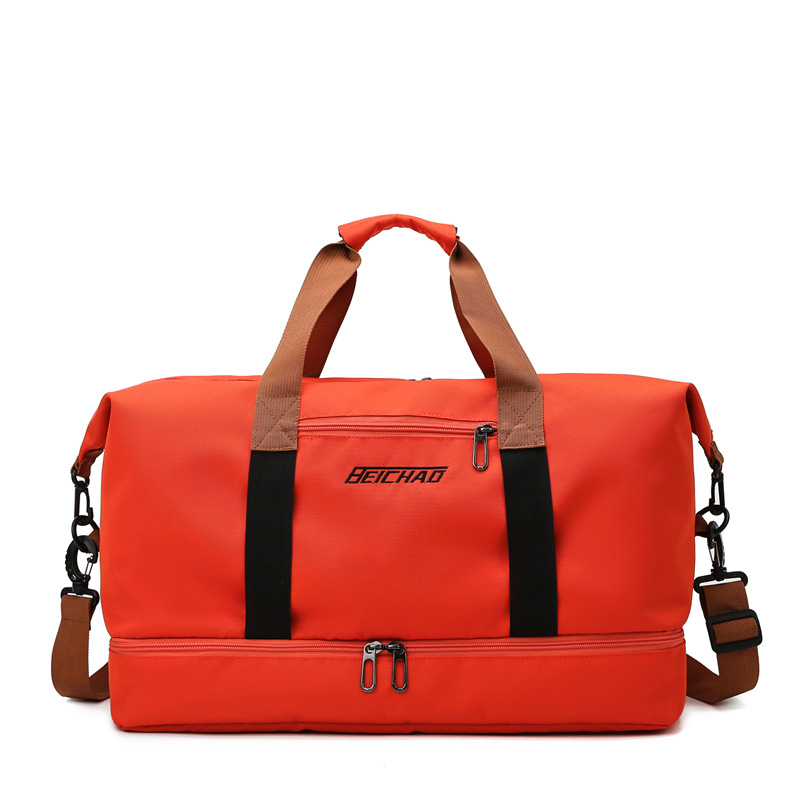
A travel sling bag should handle passport, phone, earbuds, wallet, and a few small extras without turning bulky. If the bag is meant for commuting or sightseeing, zipper placement and strap adjustment matter just as much as exterior appearance. For a small sling bag meant for light carry, buyers can usually prioritize weight and simplicity over compartment count.
Material choice changes the whole product story
Material is where a sling bag can quietly become either a dependable staple or a return problem.
A nylon sling bag is usually the practical option for active use. Nylon tends to suit water resistance goals, lower carry weight, and a more casual look. It is often the safer route for outdoor-oriented programs, commuter bags, or travel assortments where durability and easy cleaning matter more than premium handfeel.
A leather sling bag, by contrast, sells a different promise. It can look more refined and age well if the construction is sound, but it also carries higher expectations around stitching, edge finishing, and shape retention. Leather styles are often less forgiving if the pattern is awkward or the strap hardware feels undersized.
There is no universal winner here. A sourcing manager should treat the material as part of the buyer’s use case, not just the price tier.
Construction details that matter more than marketing copy
The strap system is usually the first place quality shows up. On a sling bag, the strap does more than hold weight; it controls how the bag rotates, sits against the chest or back, and releases tension when worn for hours. A strap that looks fine on a sample board can still twist, dig in, or slide if the adjuster and buckle combination are weak.
Pocket layout matters too. Too many compartments and the bag becomes fussy. Too few and the user ends up with a black hole. The best designs usually keep the main compartment simple and add one or two smaller access points for valuables.
Hardware is another practical warning area. Zippers, pulls, clips, and swivel points get a lot of use in a sling bag because the bag is accessed frequently and often with one hand. If the metal or plastic components are mismatched to the bag weight, the product may look finished but perform like a sample that was never really stress-tested.
How to choose the right sling bag program
For product teams, the decision often comes down to positioning:
If the target is everyday commuting, choose comfort, neutral styling, and quick access.
If the target is travel, prioritize secure pockets, stable wear, and easy organization.
If the target is fashion retail, shape and surface finish will carry more weight, but the bag still needs workable ergonomics.
If the target is value-led distribution, keep the design straightforward and avoid overcomplicating the build.
That last point is easy to ignore. Buyers sometimes ask for extra pockets, decorative panels, mixed materials, and heavy branding in the same sling bag. The result can be a product that photographs well but wears awkwardly. Simpler designs often age better in the market.
Common mistakes buyers run into
One mistake is choosing a silhouette that looks compact in a flat lay but sits awkwardly when filled. Another is overlooking strap adjustability, especially for crossbody sling bag styles meant to serve a wider user range. A third is specifying a premium material like leather while underestimating the finishing work needed to make it look intentional rather than stiff.
There is also a tendency to judge a sling bag by its storage count alone. Storage is useful, but only if the user can actually reach the items without taking the bag off and unpacking it. That is the difference between a thoughtful design and a cluttered one.
Practical buyer advice
If you are building a range, start by defining the use case in plain language. City carry, light travel, outdoor errands, daily essentials: those are better briefs than broad lifestyle labels. Then choose material, closure type, and strap setup to match that use.
For many programs, a nylon sling bag will cover the widest audience. For a more polished retail position, a leather sling bag may be worth the extra attention to finishing. The final sample should be judged while worn, not just held in hand.
FAQ
Is a sling bag the same as a crossbody bag?
Not exactly. The terms overlap, but a crossbody sling bag usually emphasizes one-strap wear and quick rotation to the front for access.
Which is better for travel?
A travel sling bag with secure pockets and comfortable strap adjustment is usually the better fit, provided it does not become too bulky.
What is the safest material choice for broad appeal?
Nylon is often the most versatile starting point because it supports casual use, lighter weight, and easier care.
Should brands offer both men's sling bag and women's sling bag lines?
Only if the market needs it. In many cases, a unisex base design with different colorways performs just as well and avoids unnecessary duplication.
What to do next
If you are sourcing or developing a sling bag range, begin with the end user and work backward through material, strap design, and pocket layout. The category is simple on the shelf and less simple in use. That is exactly why the best products are usually the ones that look restrained but feel considered once they are worn.