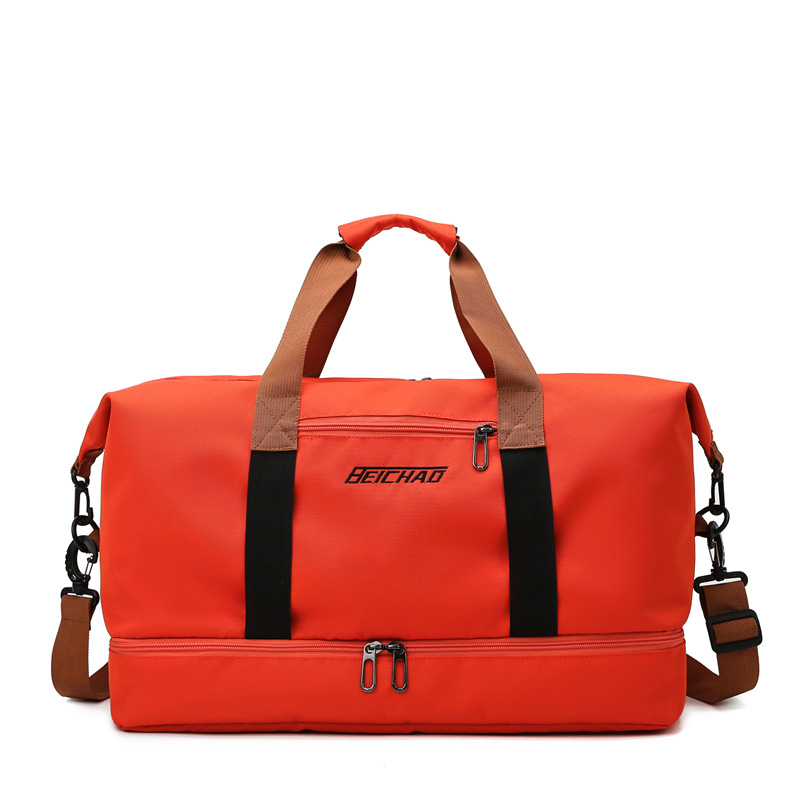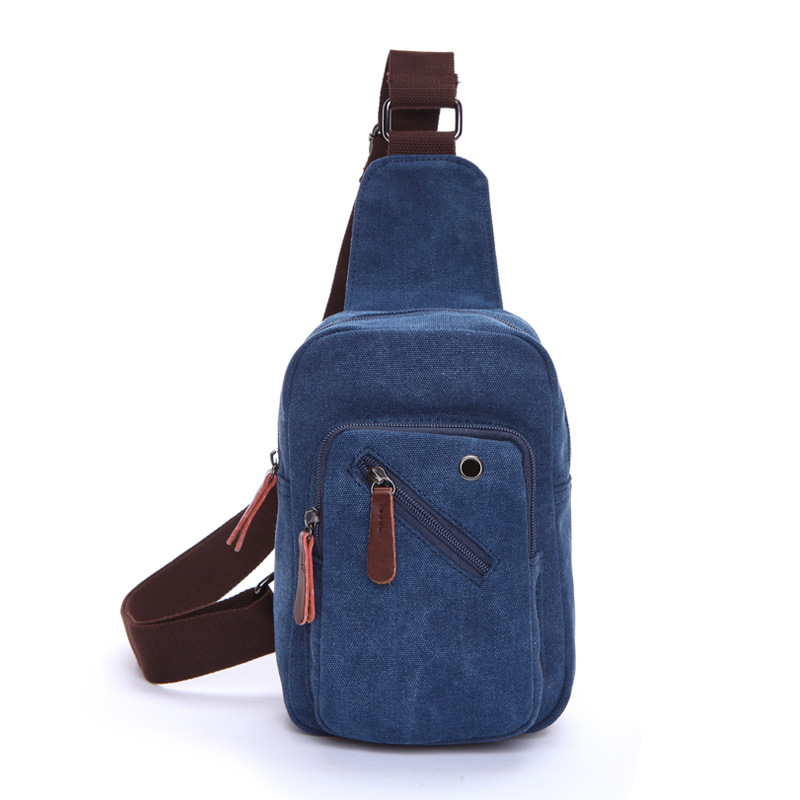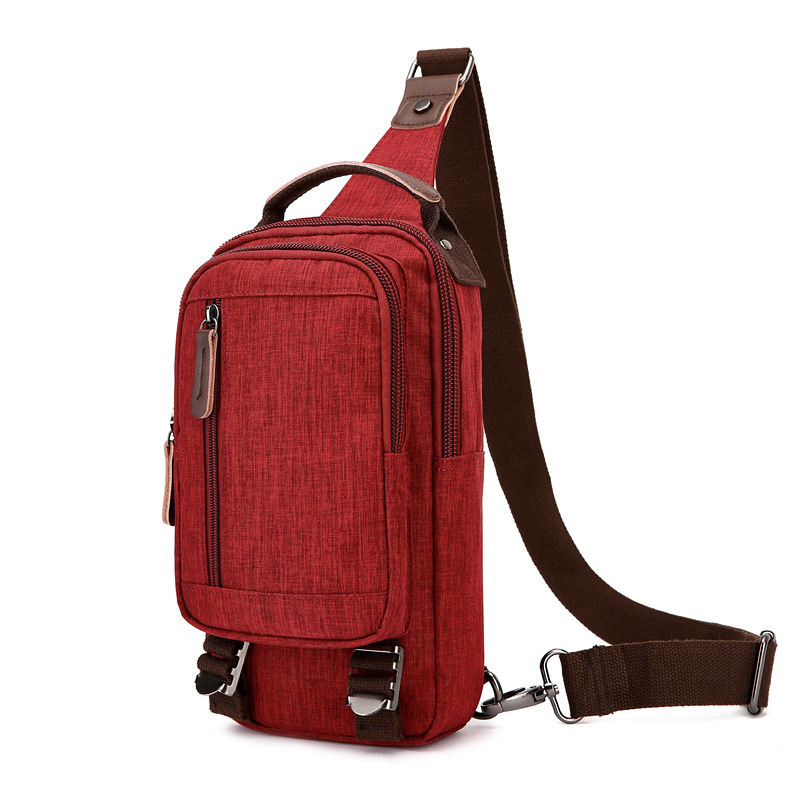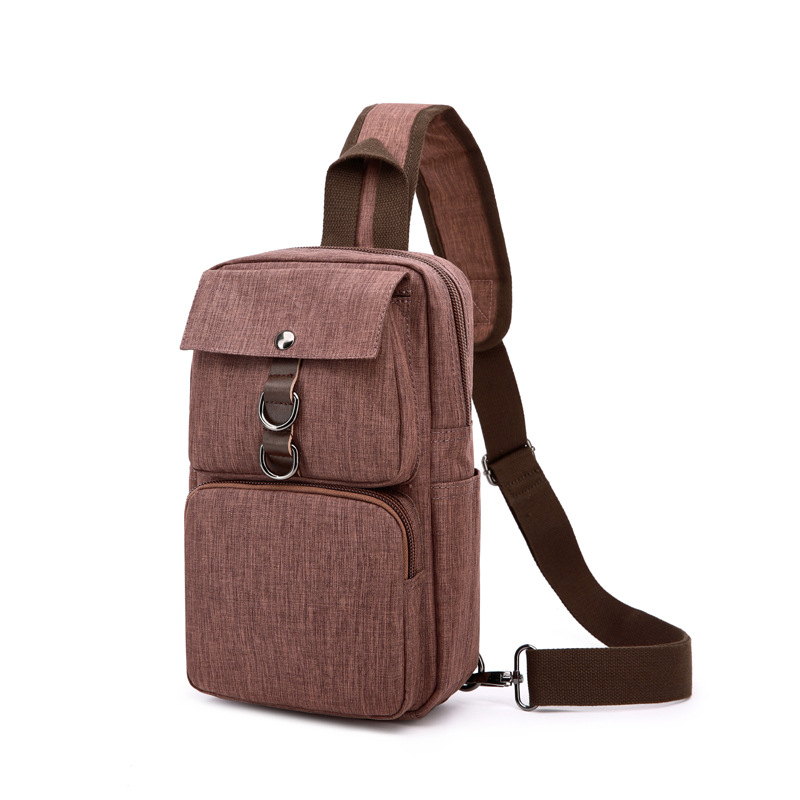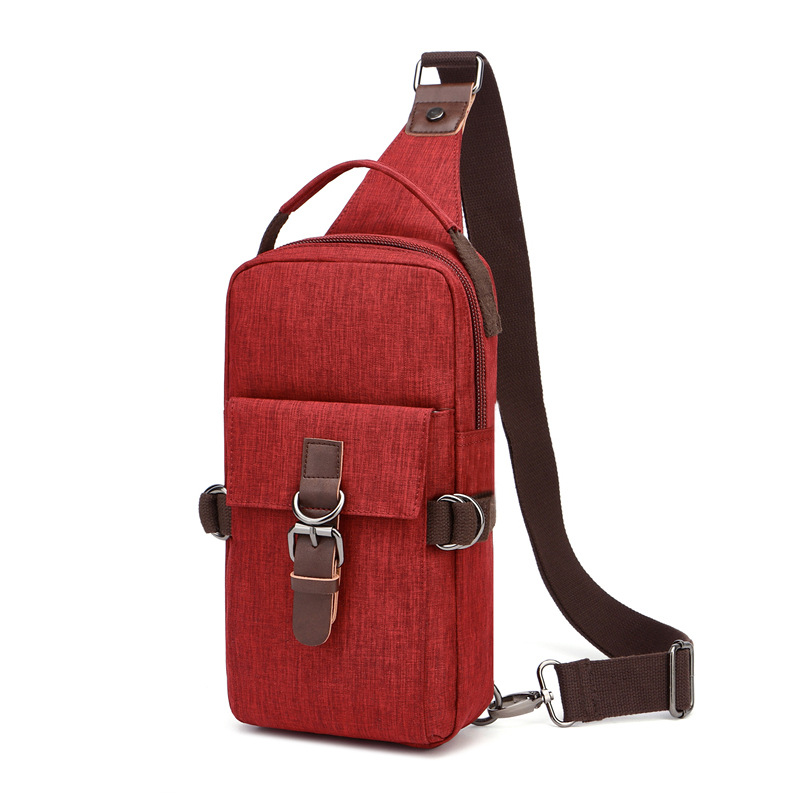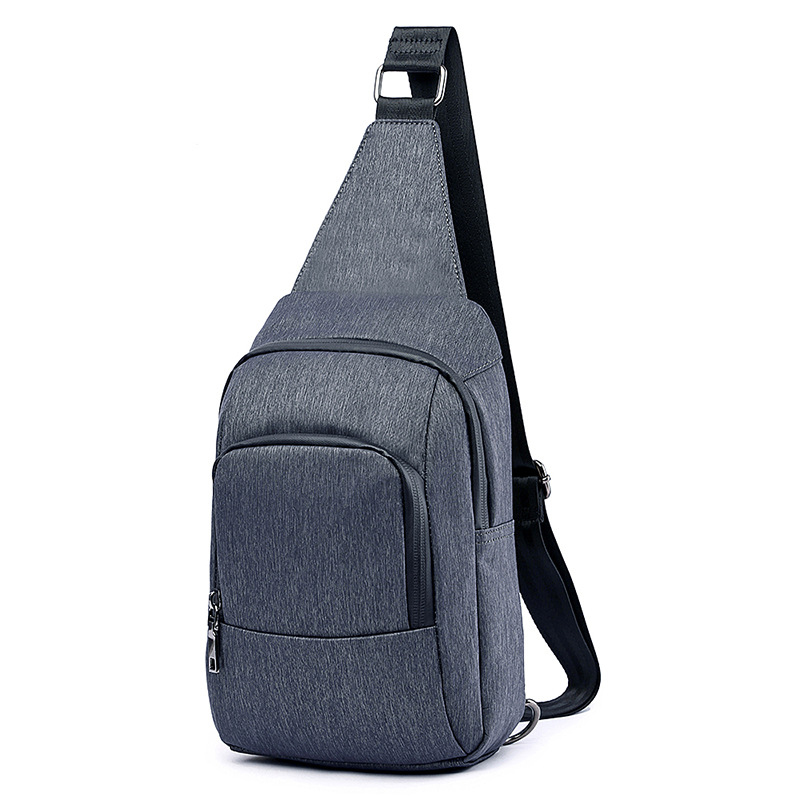
What a sling bag really solves for the buyer
A sling bag sits in a useful middle ground between a pocket-only carry and a full-size backpack. For shoppers, it answers a simple problem: how to keep a phone, wallet, keys, charger, passport, and a few daily items close at hand without carrying more than necessary. For product teams and sourcing managers, that makes the category interesting because the form factor is small, visible, and highly dependent on materials, strap comfort, and build quality. A bag can look simple on a spec sheet and still fail in use if the strap twists, the zipper snags, or the pocket layout is awkward.
That is why this category keeps showing up across casual retail, commuter accessories, and travel collections. A well-made sling bag should feel easy to wear, quick to access, and stable when the user moves. If it becomes a nuisance after twenty minutes, the design is probably wrong.
Quick comparison: where the sling sits among common carry styles
People often compare a sling bag to a crossbody bag, a shoulder bag, or a messenger bag, but those labels are not always used consistently in the market. The distinctions matter more in practice than in naming.
Typical use differences
A crossbody bag usually emphasizes hands-free wear and a diagonal strap route across the torso. A shoulder bag may hang lower and feel more fashion-led than utility-led. A messenger bag tends to be larger, flatter, and built for documents or a tablet. A casual sling bag is usually smaller and quicker to swing to the front for access. That compactness is its selling point, but it also limits what buyers can realistically carry.
For travel, a travel sling bag often needs anti-theft awareness, better internal organization, and a strap that stays comfortable during long walking days. A men's sling bag may be marketed with a more restrained profile and darker materials, while a women's sling bag may lean into lighter colors or softer lines. In manufacturing terms, the underlying construction principles are often similar even when the styling changes.
Materials and build choices that affect performance
Most buyers focus on the shell fabric first, and that makes sense. Nylon, polyester, canvas, and synthetic leather all create different price points and different user expectations. Nylon is often chosen for lightweight durability and a cleaner outdoor or commuter look. Polyester is common in cost-sensitive lines and can work well if the fabric weight and coating are appropriate. Canvas gives a more relaxed appearance, though it can feel heavier and may absorb dirt more readily. Synthetic leather can elevate appearance, but it needs careful attention to abrasion, folding, and surface cracking over time.
The hidden details matter just as much. Zipper quality, stitching density, strap webbing strength, and the way the D-rings are anchored can change the product’s actual lifespan. A sling bag is small, but the load is concentrated at a few stress points. If those points are underbuilt, the failure shows up early and usually in a visible way.
Practical construction checks
Buyers should ask how the strap adjusts, whether the buckle is easy to operate one-handed, and whether the bag can be worn on either shoulder. It sounds minor, but comfort complaints usually come from these details rather than from the outer design. Also pay attention to the interior lining. A thin lining can feel cheap and wear quickly, especially if the bag is used for keys, chargers, or small tools.
How to choose the right sling bag for the market
The right choice depends on who is carrying it and what they expect the bag to do. A commuter wants fast access and good weight distribution. A traveler wants security and enough room for documents, earbuds, and a battery pack. A style-driven buyer may care more about silhouette and finish than about pocket count, though even there, poor usability eventually hurts repeat sales.
From a sourcing perspective, it helps to define the primary carry list first. If the bag is meant for a phone and wallet, keep the profile tight and avoid over-engineering. If it must handle a tablet or water bottle, the structure needs to change. Trying to make one sling bag serve every use case usually creates a product that does none of them especially well.
Common mistakes in product development and purchasing
One common mistake is treating the sling as a scaled-down messenger bag. The form factors are related, but the wearing behavior is different. Another is adding too many pockets. Buyers often think more compartments equal better organization, yet cluttered interiors can make small items harder to find. A third mistake is choosing hardware that looks premium but adds weight without adding much value.
There is also a branding trap. A casual sling bag should not be burdened with features that the target user does not want to manage. If the user needs multiple zippers, hidden pockets, and a rigid structure, the product may no longer feel casual at all. The best products usually make a few decisions very well instead of trying to be everything at once.
What engineers and sourcing teams should ask suppliers
If you are reviewing samples, ask about seam reinforcement at strap joins, zipper cycle expectations, and fabric behavior after repeated bending. Ask how the product holds shape when partially filled. Ask whether the design can be produced consistently across colorways, because some finishes look good only on the first sample. These are ordinary questions, but they save time later.
It is also worth checking whether the bag can be cleaned easily. A travel sling bag that picks up grime quickly can become a customer-service headache, especially in lighter colors. For retail assortments, think about the balance between visual appeal and maintenance. The market often rewards products that look simple and wear well, not products that merely photograph well.
FAQ for buyers
Is a sling bag the same as a crossbody bag?
Not exactly. The terms overlap, but a sling bag is usually more compact and designed for quick front access, while a crossbody bag can refer to a broader range of shapes and sizes.
Is a sling bag suitable for daily use?
Yes, if the size matches the carry load. For a phone, wallet, keys, and a few small items, it is often a practical daily option.
What matters most in quality?
Strap comfort, stitching, zipper reliability, and material choice matter most. Small weaknesses tend to show up quickly because the bag is worn close to the body and handled often.
A useful next step for product teams
Before placing a large order, define the user, the carry list, and the expected price position. Then evaluate the sling bag against those three points rather than against a vague idea of “premium” or “durable.” That simple discipline usually leads to better decisions, fewer returns, and a product that feels intentional instead of improvised.