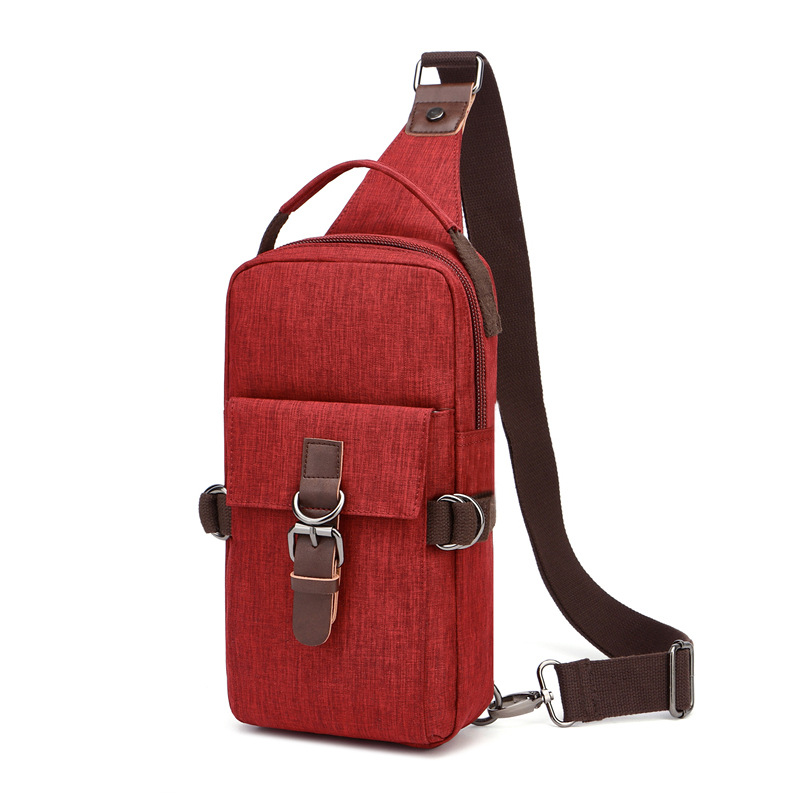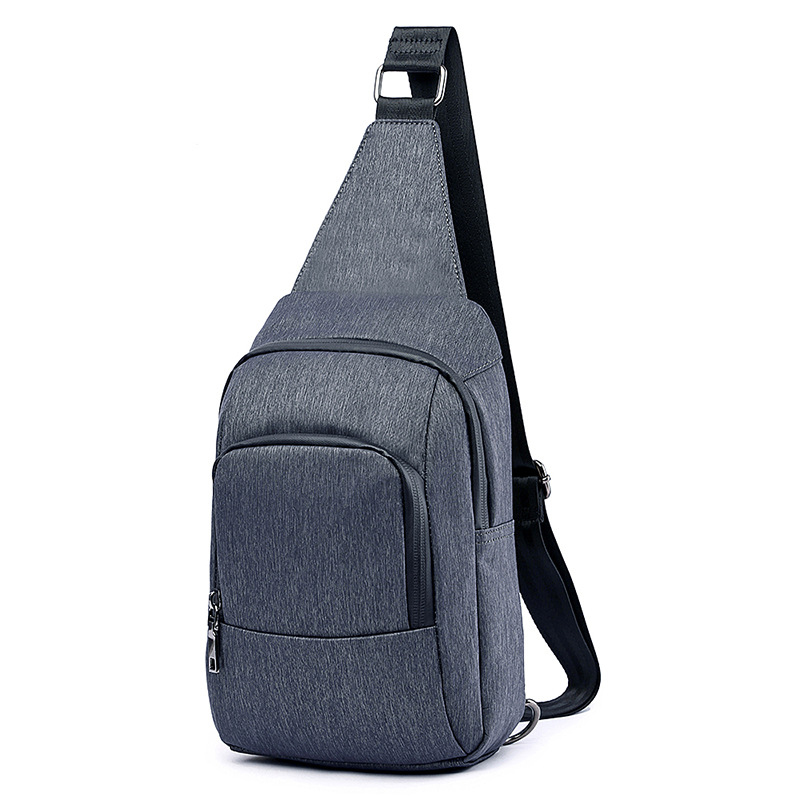
Sling Bag Buyers Are Not Just Shopping for Style
A sling bag looks simple on the shelf, but buyers usually care about much more than appearance. They want something that carries daily essentials without bulk, stays comfortable through a commute or a long airport walk, and matches the way the bag will actually be used. That is why the right sling bag is less about trend and more about function, capacity, materials, and wearability.
For sourcing managers, product teams, and retail buyers, the decision often comes down to a few practical questions: Is the bag meant for commuting or travel? Should it sit high on the chest like a crossbody bag, or hang lower like a shoulder sling bag? Does the customer expect a compact profile, hidden storage, or a more premium leather sling bag feel? These details matter because they shape the entire product brief.
What a Sling Bag Does Well
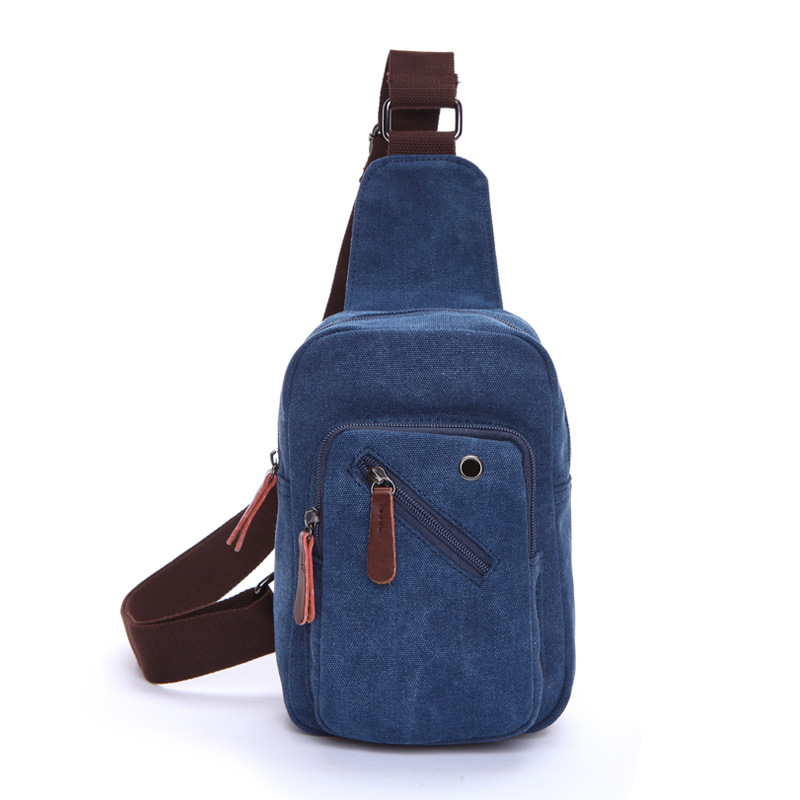
The appeal of a sling bag is straightforward. It keeps key items close, allows quick access, and is easier to carry than a backpack when the load is light. That makes it useful for urban commuting, sightseeing, short trips, trade shows, errands, and hands-free daily carry.
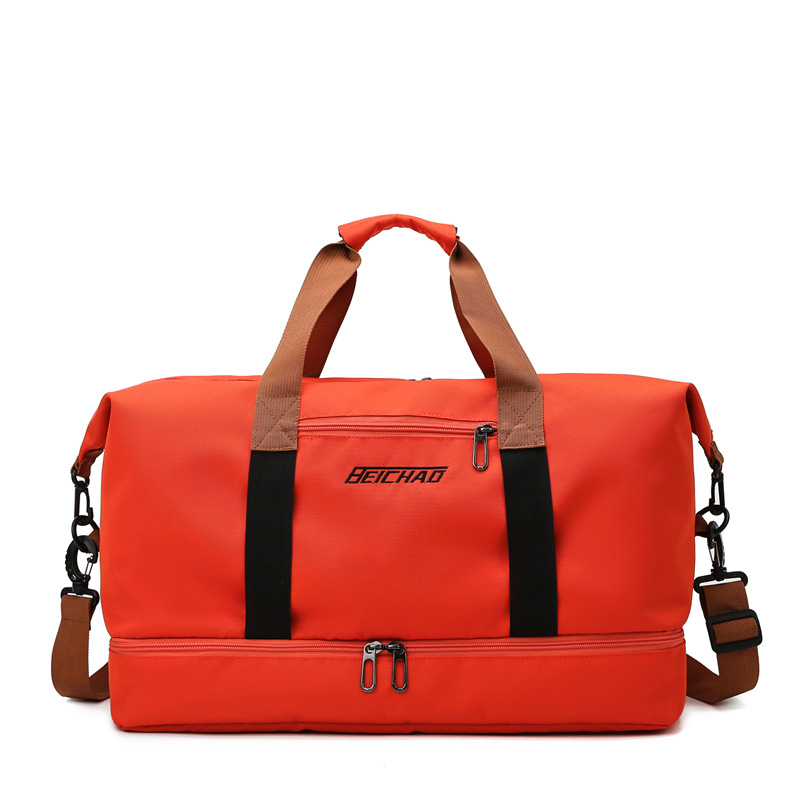
A travel sling bag usually needs a more deliberate layout than a casual sling bag. Travelers often want a pocket for a phone, a passport-sized document slot, and space for a wallet, charger, or compact camera. By contrast, a small sling bag for casual wear may focus more on style and lightweight comfort than storage depth. The buyer should decide early whether the bag is being sold as utility gear or as an accessory first.
Common Sling Bag Types and How They Differ
Crossbody and Shoulder Carry
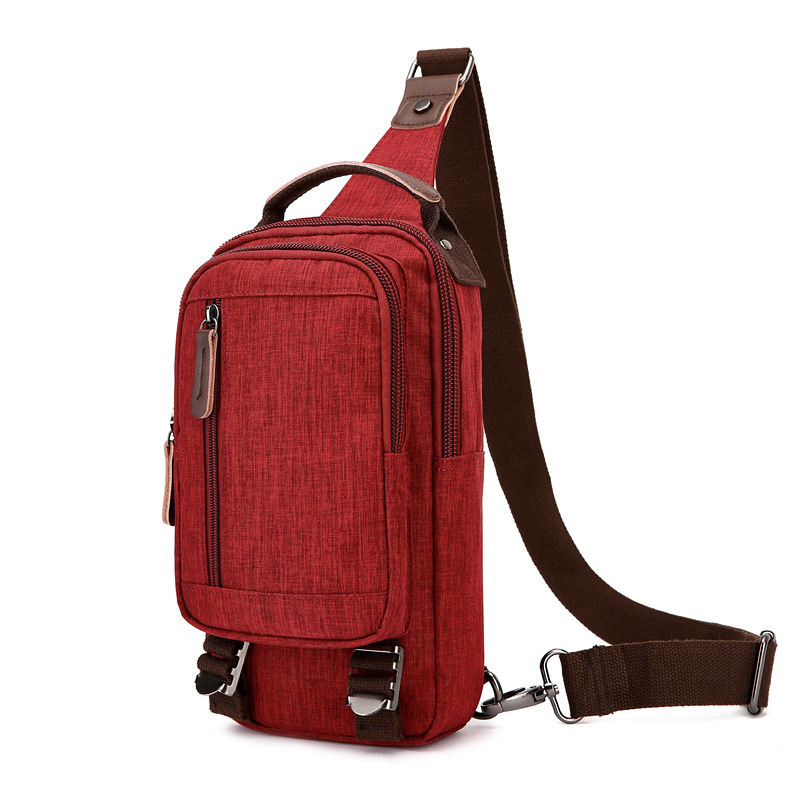
The terms overlap in the market, but not always in the same way from one brand to another. A crossbody bag usually emphasizes diagonal wear and stability. A shoulder sling bag can feel more relaxed, with a quicker on-and-off motion. If the product is meant for commuters or travelers who want security and movement control, crossbody-style wear is often the safer choice.
Casual vs. Premium Materials
Material choice changes both perception and durability. Nylon and polyester typically suit lightweight, everyday use and are easier to position in entry- to mid-market assortments. A leather sling bag, on the other hand, carries a more formal or premium look and can work better in business-casual settings. The caution here is simple: leather changes the price structure and usually changes customer expectations about weight, maintenance, and aging.
Security-Focused Models
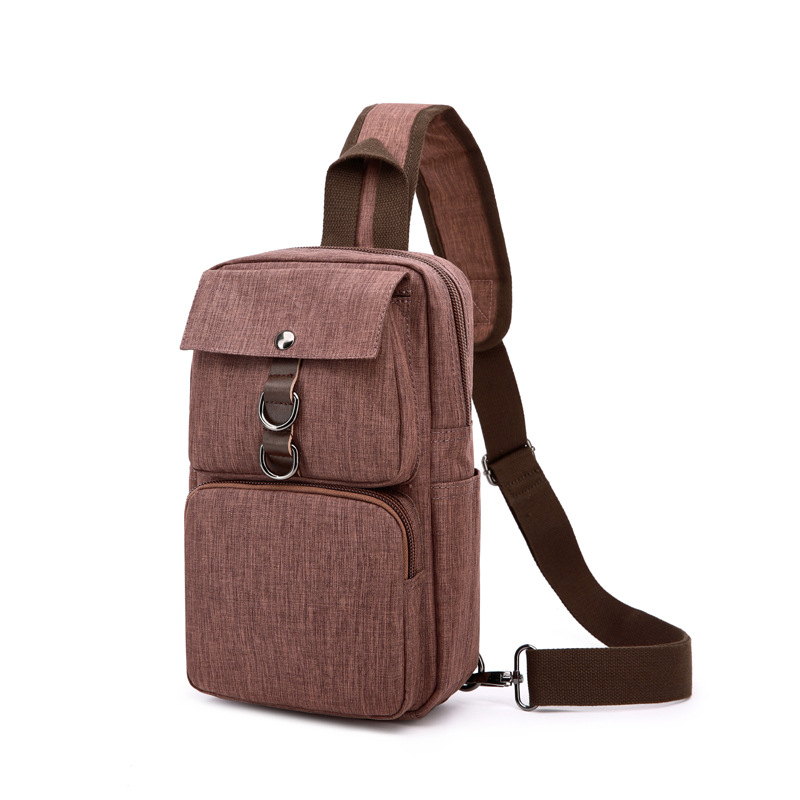
An anti theft sling bag is usually designed with features such as hidden zippers, closer-to-body access, and more controlled pocket placement. These details are useful for travel and dense urban environments. Buyers should be careful not to overstate security, though. A bag can improve convenience and reduce easy access, but it is not a guarantee against theft. That distinction matters in product claims and customer service.
Selection Criteria That Actually Matter
When evaluating a sling bag, start with capacity and carry comfort. A bag that looks sleek but fits awkwardly will return more complaints than one with a slightly larger silhouette. Strap adjustability, back panel feel, zipper placement, and pocket organization all affect the daily user experience.
Then look at how the bag sits on the body. Some users prefer a snug fit for movement and security, while others want the bag to hang looser and feel less technical. The product should reflect the intended use case. A small sling bag may be ideal for minimal carry, but it can frustrate customers if they expect it to hold a water bottle or tablet. Those mismatches are a common source of dissatisfaction.
Practical Buyer Mistakes to Avoid
One frequent mistake is choosing style before use case. A bag can photograph well and still fail in real-world carrying. Another is underestimating strap width and padding. Thin straps may look clean in design renders, yet they can become uncomfortable quickly if the bag carries more than a phone and keys.
Buyers also sometimes mix target audiences. A travel sling bag and a casual sling bag may share the same basic form, but they should not be built to the same spec if the customer expectations differ. Keep the assortment clear. Shoppers notice when a product is trying to be everything at once.
Questions to Ask Before You Source
Before placing an order, ask what the bag is meant to carry, how it will be worn, what material best fits the price point, and whether the design needs extra security features. Those four questions usually reveal whether the concept is mature or still too vague.
If you are building a range, consider offering more than one silhouette: a compact everyday option, a slightly roomier travel model, and a material-upgraded version such as a leather sling bag. That kind of tiered structure gives buyers room to trade up without confusing the assortment.
FAQ: Short Answers Buyers Usually Need
Is a sling bag good for daily use?
Yes, if the size and strap design match the amount you carry. Daily use is where comfort issues show up fastest.
Is a crossbody bag the same as a sling bag?
Not exactly. The terms are often used interchangeably, but wear style, size, and intended use can differ by brand and category.
Which is better for travel?
A travel sling bag with organized pockets and closer-to-body wear is usually the better starting point.
What makes an anti theft sling bag useful?
It can make access harder for others and keep valuables more controlled, especially in crowded places.
Choosing the Right Direction
The best sling bag is the one that matches how people really carry. That sounds obvious, but it is where many products miss the mark. Decide whether the priority is convenience, style, travel utility, or security, then build the shape, material, and pocket layout around that choice. Get that part right and the rest of the assortment becomes much easier to sell.