Why a messenger bag still earns a place in the modern carry lineup
A messenger bag looks simple at first glance: one flap, one strap, one main compartment. But that simplicity is exactly why it keeps showing up in commuting kits, school bags, and low-profile office carry. For buyers comparing a shoulder bag against a backpack or tote, the real question is less about style and more about utility. Can the bag hold daily essentials without turning bulky? Does it sit comfortably across the body? Will it handle papers, a notebook, or a small tablet without fuss?
That is the decision this article helps with. If you are sourcing for a product line or selecting a daily-use bag for yourself, the details matter more than the label. A messenger bag can be casual, business-leaning, or travel-friendly, depending on how it is built.
What the visible construction tells you
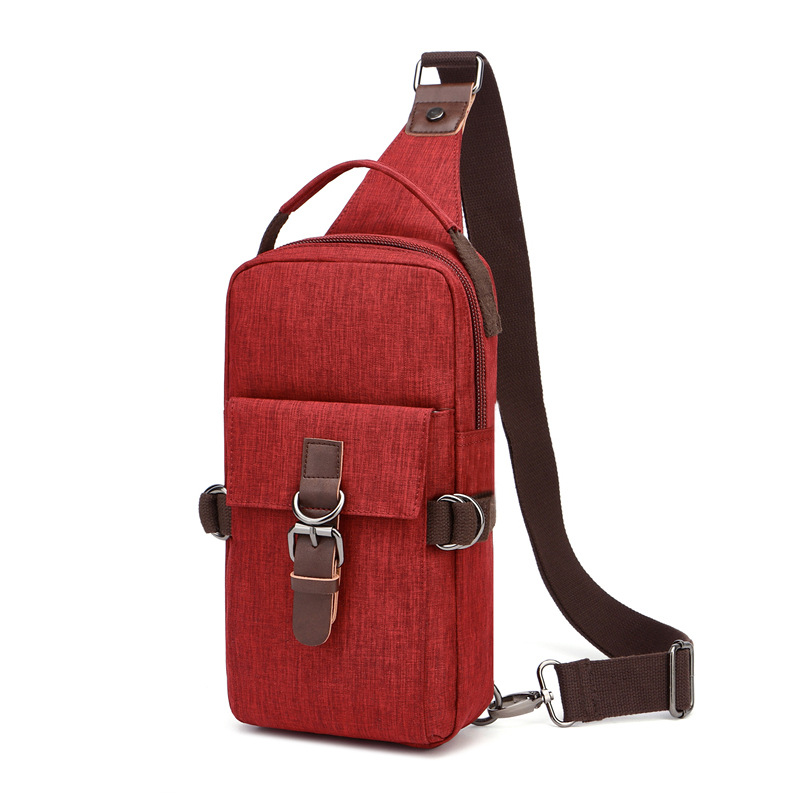
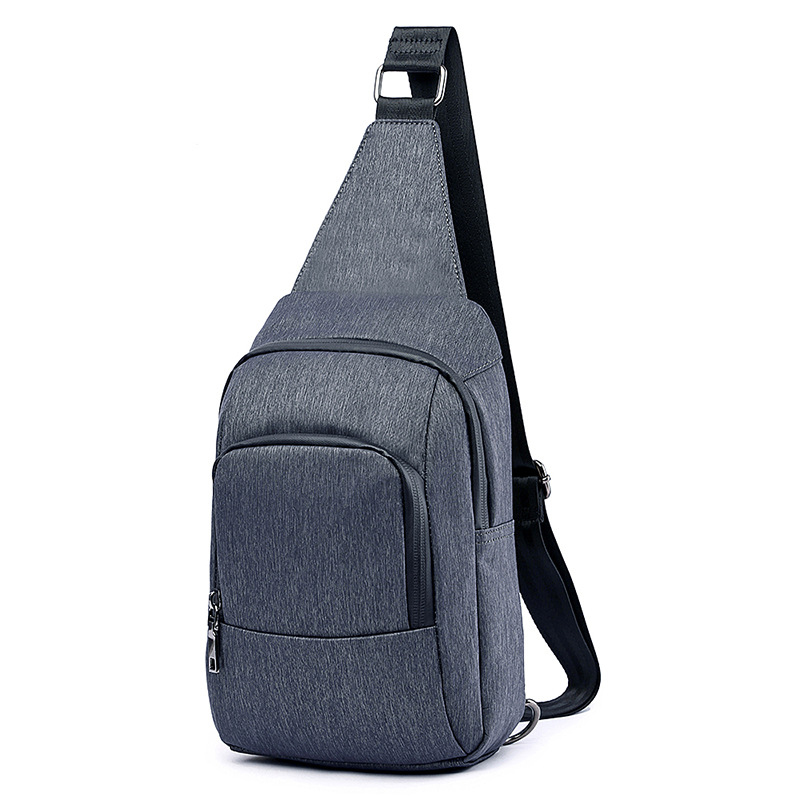
The bag described here is a rectangular, gusseted design with rounded edges and a flap-front closure. That shape is common in textile carry products because it gives usable depth without making the bag look stiff or oversized. The front panel has a vertical center seam, and the body appears sewn from woven fabric or canvas-like material, with a webbing shoulder strap and a small front logo patch.
That combination points to standard sewn textile bag manufacturing: cut panels, stitched seams, webbing attachment points, and metal strap hardware. It is a practical build, not a decorative one. In buyer terms, that is usually a good sign for everyday carry, because the bag is trying to do its job rather than chase fashion noise.
What it is likely good for
Based on the visible structure, this type of messenger bag is suited to commuting, school, office carry, and light travel. It should be able to handle notebooks, papers, wallet, phone, charger, and a small tablet or compact electronics. The flap design also makes it easier to access the main compartment quickly, which is handy when you are moving through stations, classrooms, or shared workspaces.
Messenger bag, shoulder bag, or crossbody bag?
The terms overlap in the market, but they are not quite the same in usage.
A shoulder bag usually describes the carrying method more than the silhouette. A crossbody bag emphasizes how the strap is worn, often for hands-free movement and better weight distribution. A messenger bag sits somewhere in the middle: typically rectangular, flap-closed, and built for daily transport of documents or compact gear.
For sourcing teams, that distinction matters because the use case shapes the product spec. A women’s messenger bag may lean smaller or softer in profile, while a men’s messenger bag often keeps a more structured, utility-driven look. A laptop messenger bag, meanwhile, needs enough internal room and protection for a device, though in this case the exact padded support is not visible and should not be assumed.
What to look for before buying
The first thing to check is volume shape, not just dimensions. A messenger bag with gusseted sides and a firm bottom panel will usually carry documents better than a flat pouch-style bag. The second is strap construction. A wider webbing strap tends to distribute weight better than a narrow decorative strap, especially if the bag will be worn crossbody during a commute.
Hardware also deserves attention. Metal buckles and rings can improve durability, but only if they are properly anchored into stitched load points. On the other hand, hardware alone does not guarantee strength. A neatly stitched bag with sensible reinforcement may outlast a more ornate design that was overbuilt in the wrong places.
One practical caution: many buyers focus on the flap and ignore the closure beneath it. Since the internal fastening is not visible here, it would be wise to verify what holds the bag closed and how secure it feels when carried full.
Common mistakes buyers make
The biggest mistake is treating every messenger bag as if it were a laptop bag. Some can carry a tablet or slim device just fine, but that is not the same as proper protective construction. Another frequent miss is choosing style before strap comfort. A handsome shoulder bag that slips or twists gets abandoned quickly.
A more subtle mistake is ignoring material behavior. Woven canvas-like textiles can be sturdy and attractive, but the buyer still needs to ask about lining, weather resistance, and seam finishing. Those details are not always obvious in a product photo.
Practical buyer advice for sourcing teams
If you are comparing this style for a collection or private-label program, ask for the following before signing off: fabric composition, lining details, closure type, strap adjustment range, and whether any internal pockets are included. Those are the details that separate a useful commuter bag from a generic carry item.
Also, match the build to the channel. A clean gray or tan messenger bag with muted hardware reads differently in retail than in uniform or promotional use. The same silhouette can serve office staff, students, and casual travel customers, but only if the finish and trim match the target audience.
FAQ
Is a messenger bag good for everyday use?
Yes, especially when the bag has a structured body, a usable strap, and enough depth for daily carry items.
Can this style replace a backpack?
Sometimes, but not for heavier loads. A messenger bag is usually better for documents and lighter carry than for bulky loads.
Is this more of a fashion item or a utility item?
This version leans utility. The shape, flap, and webbing strap suggest daily function first.
What to do next
If you are evaluating a messenger bag for sourcing or product development, start with the carry need, then work backward to construction. A good flap bag is not just about appearance; it is about how the seams, strap, and body structure work together when the bag is full. That is the difference between a product that photographs well and one that stays in rotation.