Why a messenger bag still matters for work carry
A messenger bag is still one of the most practical formats for commuting, office work, and school carry because it sits between a briefcase and a casual shoulder bag. It gives you more room than a slim portfolio, but it is easier to live with than a hard case. For engineers, sourcing teams, and product planners, the useful question is not whether the style is fashionable. It is whether the construction, materials, and carrying options match the way people actually move through a workday.
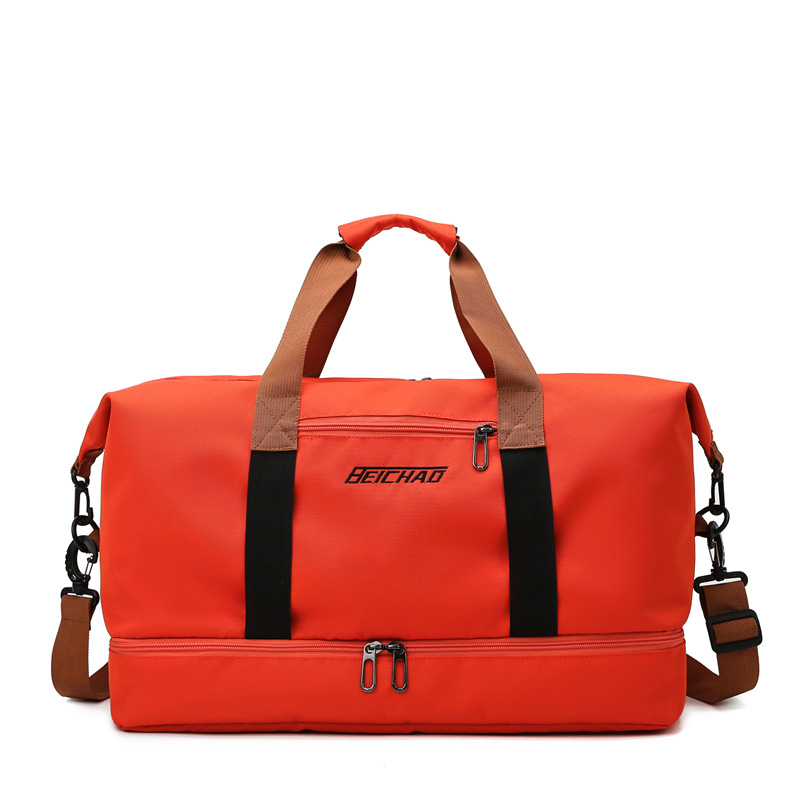
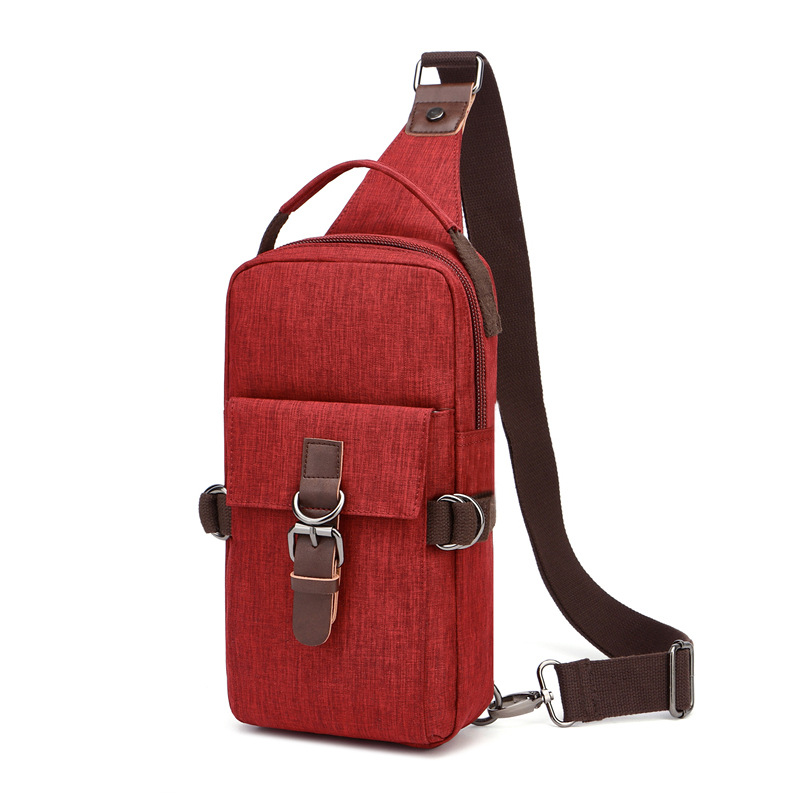
The bag category described here is a rectangular, soft-sided messenger bag with a top handle and a detachable or adjustable shoulder strap. That combination matters. It lets the user grab the bag by hand for short moves, then switch to shoulder or crossbody carry when the load gets tiring. For documents, a tablet, charger, wallet, and other daily items, that flexibility often beats a single-purpose design.
What the construction tells you at a glance
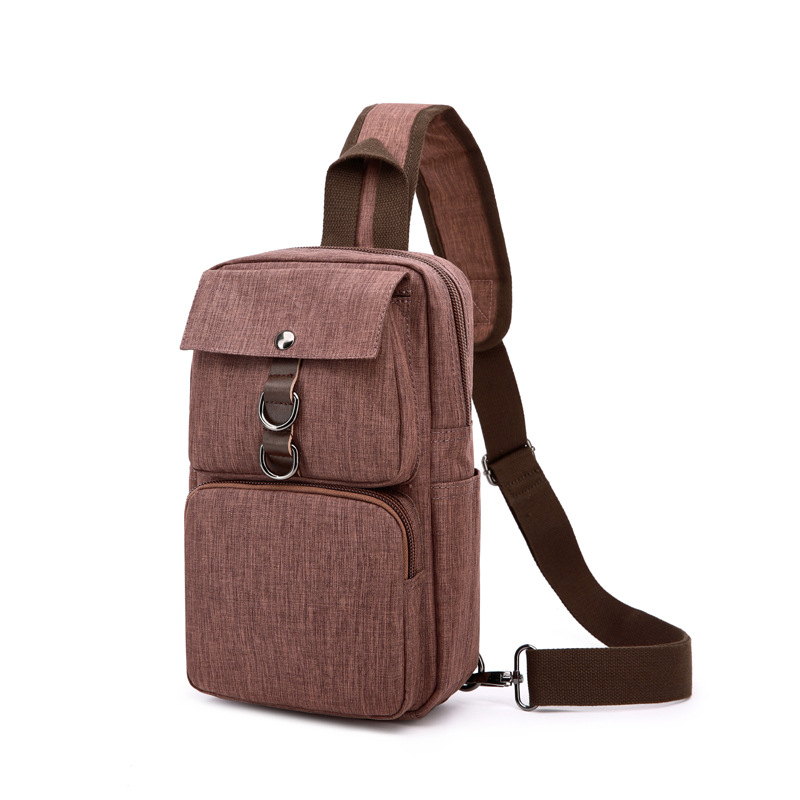
This style is built like a cut-and-sewn textile bag, not a molded shell. The body appears structured but not rigid, with a boxy main compartment and a flap front closure secured by visible snap buttons. That is a familiar messenger-bag solution: straightforward to manufacture, simple to use, and relatively easy to customize by changing fabric, trim, or hardware.
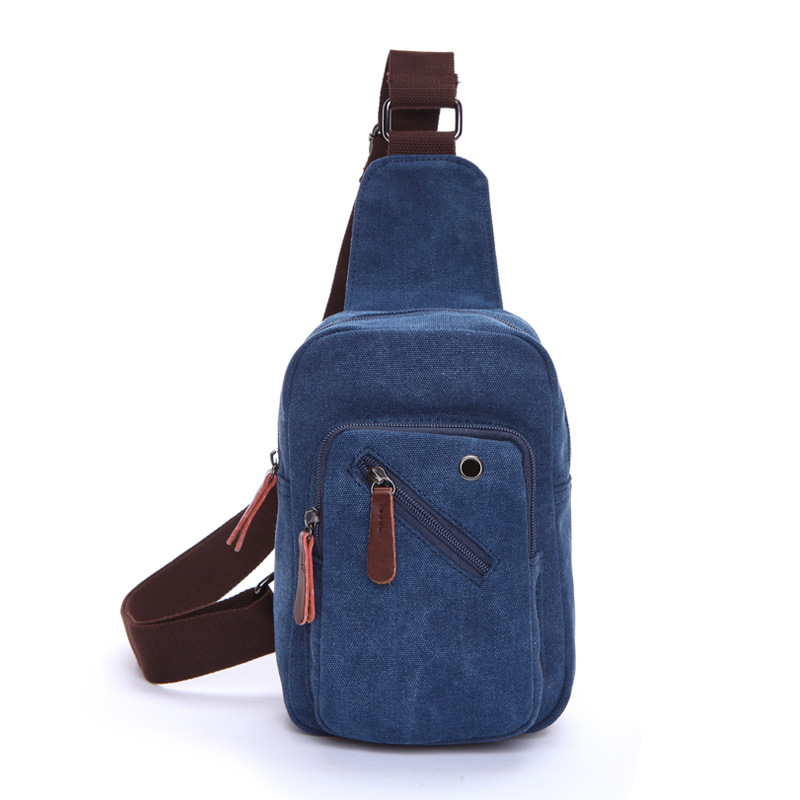
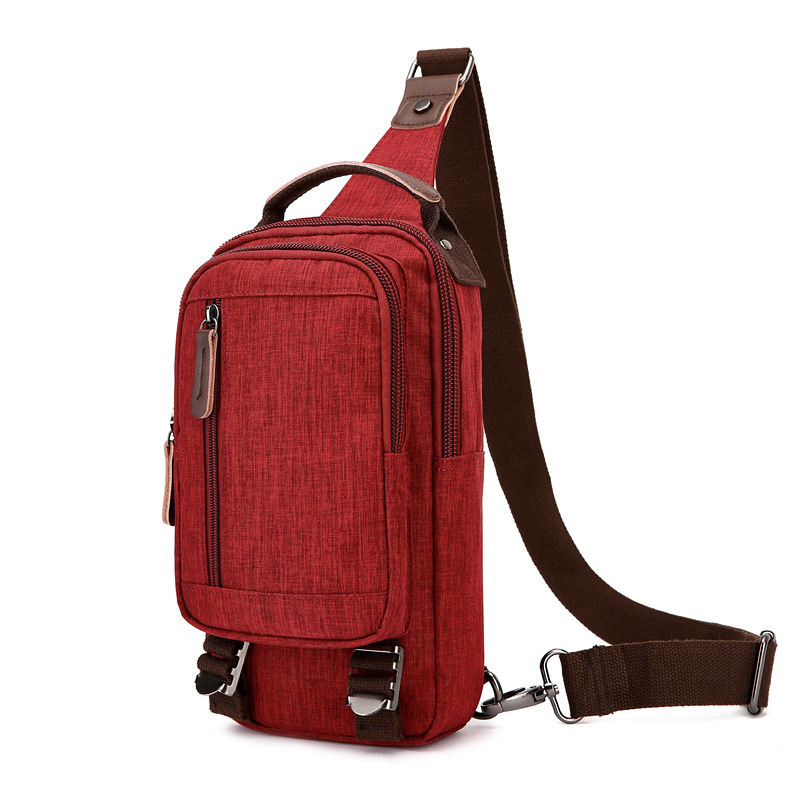
The visible material mix is also worth noting. The body looks like woven textile — canvas, polyester, or a similar matte fabric — while the bottom edge, handle mounts, and some side reinforcement appear to use a brown leather-like trim. The strap is webbing, and the hardware is dark metal. In buyer terms, that usually signals a bag designed for everyday abrasion rather than formal leather-office presentation.
One small but useful detail: the reinforced base. On a soft-sided bag, base reinforcement helps the bag sit better on a desk or floor and reduces the worn-out look that appears first at the corners. It is not a guarantee of durability, of course, but it is one of those practical features that tends to separate a decent commuter bag from a throwaway one.
Key layout features buyers should compare
If you are sourcing this type of messenger bag, the core comparison points are fairly consistent.
Carry options
A top handle plus shoulder strap is more than a convenience feature. It changes how the bag is used during a day. Top handle carry works well in meetings, transit gates, and short walks. Shoulder carry is better when the bag is loaded with paperwork or a device. A crossbody messenger bag variant can be especially useful for commuters who want the bag stable while walking or cycling, though exact strap behavior should be checked rather than assumed.
Closure and access
The flap-over design with snap fasteners is quick to open and close. It also gives the bag a familiar messenger profile. The tradeoff is that snaps are not the same as a fully sealed closure. If a buyer expects weather resistance, they should ask for specific testing or construction details instead of assuming a messenger bag waterproof claim just because the fabric looks dense.
Side storage and structure
Visible side pockets or side panels add usefulness for small items, but they should be judged carefully. On some bags they are functional pockets; on others they are mostly structural gussets. The distinction matters if the end user expects easy access to a phone, transit card, or bottle.
When a small messenger bag makes more sense than a larger one
A small messenger bag is usually the right choice when the user carries only a few essentials and wants a lighter profile. It is less likely to overwhelm a commuter outfit and easier to handle in crowded spaces. A larger messenger bag is the better fit when the carry list includes paperwork, notebooks, a charger set, and a tablet or compact laptop-sized device.
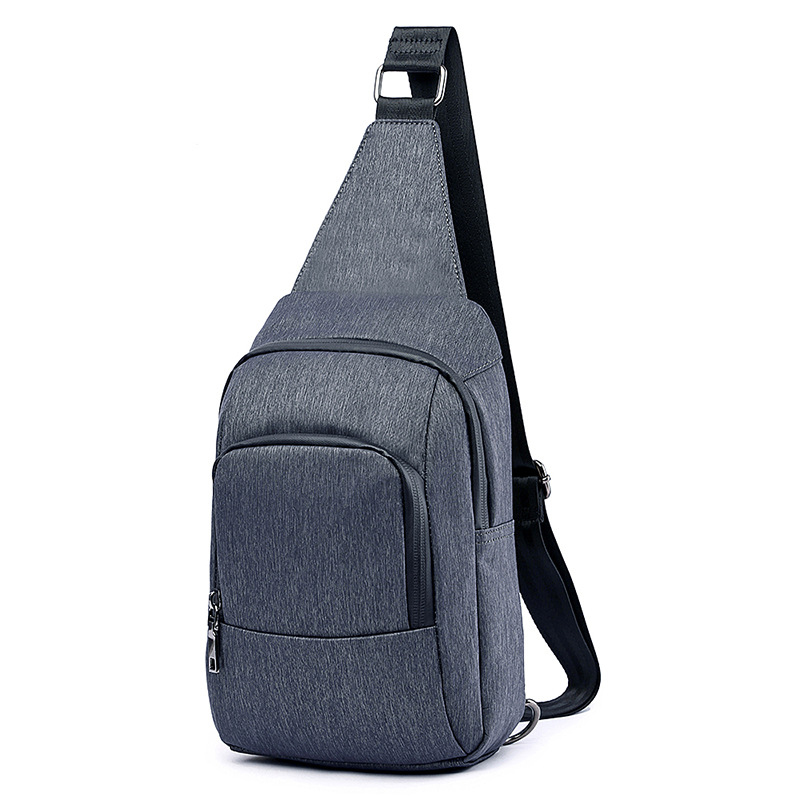
The image-based products described here look closer to a workday medium size than a minimal personal bag, but exact dimensions are not verifiable. That is important. Buyers should not infer laptop compatibility from shape alone. A rectangular silhouette can still be too shallow, too narrow, or too lightly padded for electronics.
Common buying mistakes
The first mistake is treating every messenger bag like a laptop bag. Some can carry a device comfortably; others only carry flat items without much protection. Without confirmed internal padding or size data, that assumption is risky.
The second mistake is overreading the appearance of trim. Faux leather or leather-like accents can improve the look and help reinforce wear points, but they do not tell you much about weather performance or long-term edge durability.
The third mistake is ignoring hardware. Strap clips, rivets, snap buttons, and attachment points are small parts, but they are often where daily wear shows first. In a bag like this, the hardware is part of the product value, not an afterthought.
Practical advice for sourcing teams and product managers
If you are evaluating this style for a program or private-label line, ask for the specifications that cannot be verified from appearance alone: dimensions, lining, internal pocket layout, strap adjustability, reinforcement method, and material composition. Ask for close-up images of seams and hardware attachment points if the bag will be carried daily. Those details are usually more useful than broad style descriptions.
For end users, the decision is simpler. Choose the bag that matches the heaviest real load you expect to carry, not the lightest day. A messenger bag that looks tidy empty can become awkward when stuffed. A good test is whether the bag still closes cleanly when filled with your normal paperwork and device accessories.
A few quick checks before you buy
Does it have both top handle and shoulder strap carry?
Does the flap close securely and stay aligned when the bag is loaded?
Are the side pockets actually usable, or mostly decorative?
Does the base look reinforced enough for desk and floor placement?
Is the size appropriate for the items you carry every day?
What to do next
If you are comparing messenger bag options for commuting, office use, or school carry, start with the construction details rather than the styling. The right bag is the one that balances access, structure, and carrying comfort without pretending to be more protective or more technical than it is. For sourcing, that means requesting full specifications and sample confirmation. For buyers, it means matching the bag to the real load, not the idealized one.