Why a messenger bag still earns shelf space
A messenger bag is one of those carry items that survives trend cycles because it solves a plain, persistent problem: how to move documents, a tablet, a notebook, or a few daily essentials without wearing a backpack all day or stuffing pockets until they bulge. For buyers, the decision is rarely about fashion alone. It is about access, carry comfort, and whether the bag looks appropriate in an office, on campus, or on a train platform.
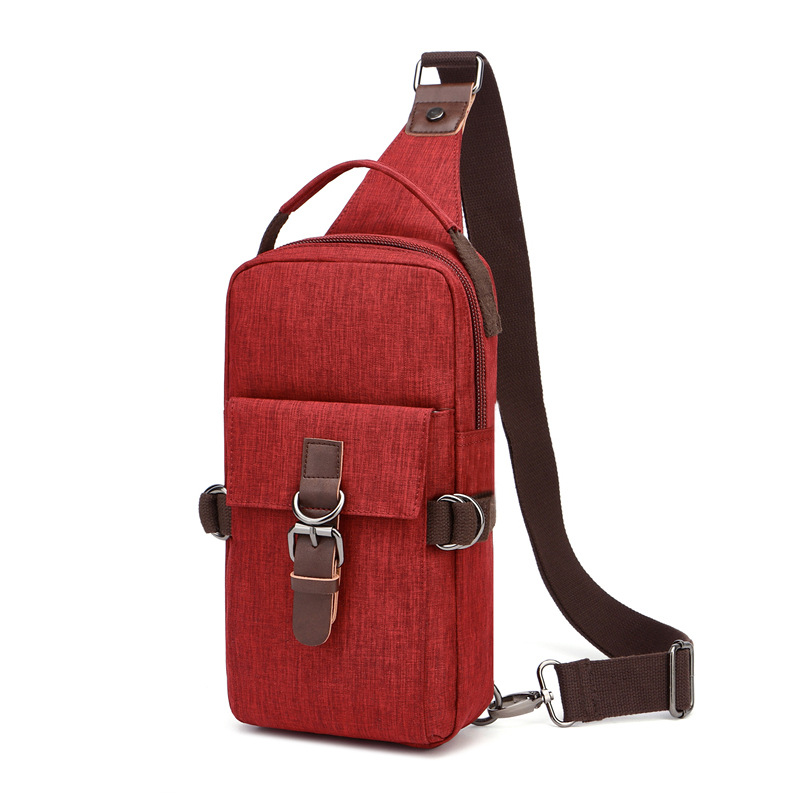
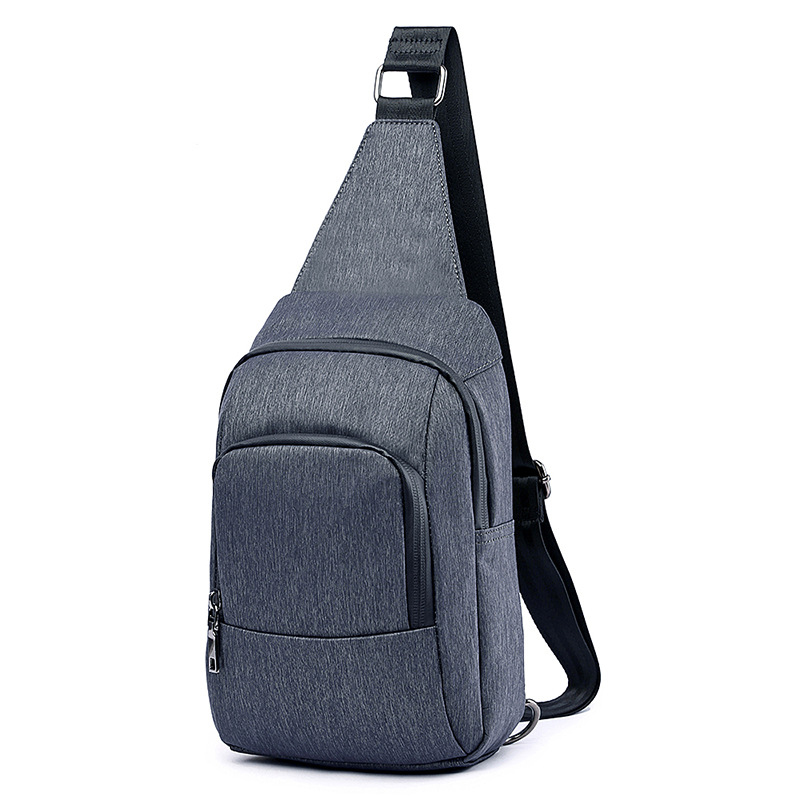
The style shown here sits in the familiar middle ground of the category. It has the rectangular, soft-sided build many teams want for everyday carry, plus a flap closure, a front zip pocket, and an adjustable shoulder strap. That combination tells you a lot about the intended use. It is not a pure fashion piece, and it is not a heavy-duty field satchel either. It is the kind of shoulder messenger bag that tries to do several jobs at once, which is usually why the category sells.
What the visible construction says about use
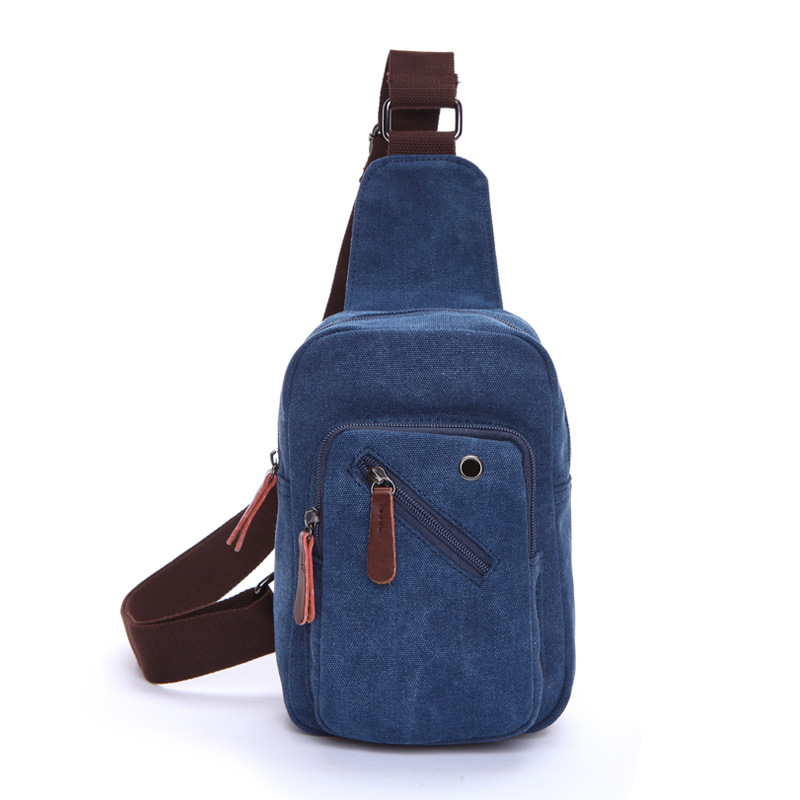
From the outside, this looks like a fabric-based commuter bag with stitched trim and metal hardware. The blue denim-like or canvas-like body gives it a casual, durable appearance. The brown webbing strap and faux-leather or leather-like panels add contrast and also help reinforce the attachment points and pocket area. That matters in real use, because the stress in a bag rarely appears in the center panel first; it shows up where the strap pulls, where the flap flexes, and where a pocket gets opened a hundred times.
The front vertical zip pocket is a practical detail worth noting. It gives fast access to small items that do not belong in the main compartment. Keys, transit cards, receipts, and cables are the kinds of things that end up there. A buyer looking at a crossbody messenger bag should pay attention to this kind of pocketing because it often determines whether the bag feels organized or just roomy.
The side gussets also suggest a bit of expansion. That is useful, but it can be misleading in photos. A gusseted bag can carry more than a flat satchel, yet the real packing limit still depends on the internal structure, stitching, and how the flap closes. Since those details are not fully visible, it is better to treat this as a general-purpose everyday carry bag rather than assume laptop-rated capacity.
Messenger bag materials: what buyers usually compare
Buyers often compare a leather messenger bag, a canvas messenger bag, and a waterproof messenger bag as if they were direct substitutes. In practice, they answer different needs.
A leather bag usually signals a more formal look and a sturdier hand-feel, though it may weigh more and demand more care. Canvas is lighter, more casual, and easier to work into promotional, school, or travel programs. Waterproof or water-resistant versions are better for commuters who face weather and want extra protection for electronics, but the term should be used carefully. Unless the supplier can prove it, do not assume this bag is waterproof simply because it has a flap.
This visible construction leans toward canvas-like daily carry rather than premium leather goods. That can be a feature, not a compromise, especially for buyers who need a lightweight, low-maintenance piece that can be carried crossbody or over one shoulder.
Selection criteria that actually matter
If you are sourcing this type of bag, the first question is not style. It is load and access.
Does the flap close securely enough for commuting?
Is the strap adjustable and comfortable across different body types?
Are the trim pieces decorative only, or do they reinforce wear points?
Does the front pocket remain usable when the main compartment is full?
Those questions matter more than a glossy product shot. A vintage messenger bag look can be attractive, but if the hardware feels weak or the strap twists under load, the bag stops being practical quickly. The same caution applies to promotional programs: a clean exterior is useful for branding, but only if the stitching quality and hardware installation are consistent.
Common buyer mistakes
The biggest mistake is over-specifying the bag without confirming the basics. Teams often ask whether a bag fits a laptop size before they have even verified internal dimensions. That is a problem here, because the visible data does not confirm laptop fit. Another frequent error is assuming “leather-like” trim means genuine leather. It may not. If material identity matters for compliance, labeling, or price positioning, it needs to be verified directly.
A second mistake is ignoring how the bag will be carried. A shoulder messenger bag can feel fine when lightly loaded, then pull awkwardly when packed with books or equipment. That is not a defect so much as a fit issue. The right strap width and balance depend on the intended contents.
Who this style suits best
This bag style fits commuters, students, casual office users, and teams looking for a simple daily carry item with a relaxed look. It also makes sense for accessories, camera gear, or travel essentials where quick access matters more than rigid protection. For buyers comparing a messenger bag against a backpack, the main tradeoff is speed versus load distribution. Messenger bags are faster to open and easier to sling on and off. Backpacks usually carry heavier loads better.
Practical next step for sourcing teams
If you are evaluating this style for procurement or private label, request a sample and check three things first: strap comfort, zipper action, and how the flap sits when the bag is partially full. Those small details tell you more about day-to-day usability than the marketing copy ever will. And if your program needs weather resistance, laptop protection, or a specific internal layout, ask for those details up front rather than assuming the base design already covers them.
A simple messenger bag can be the right answer, but only if the build matches the use case.