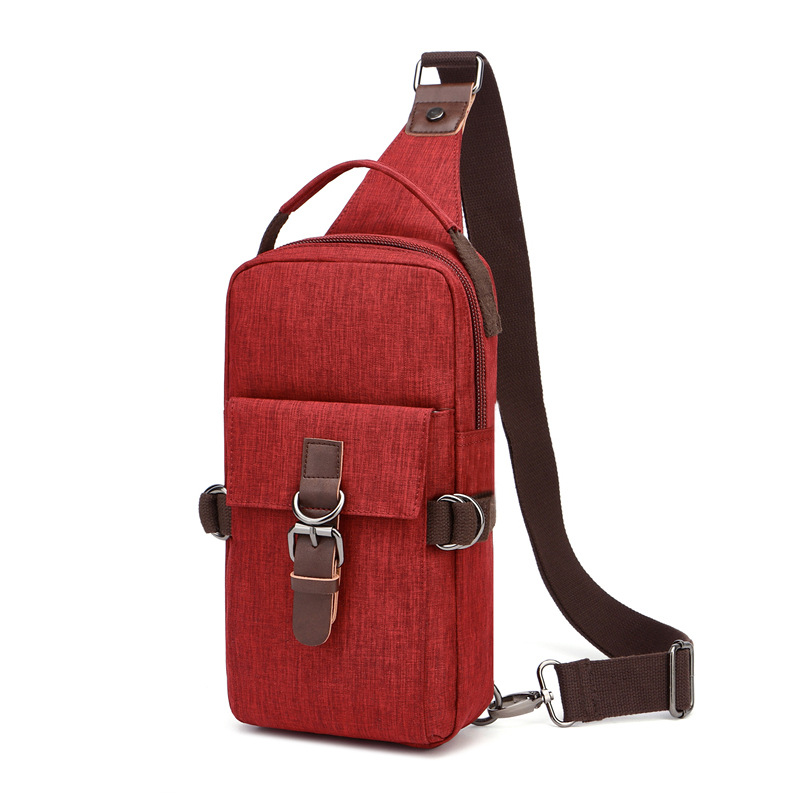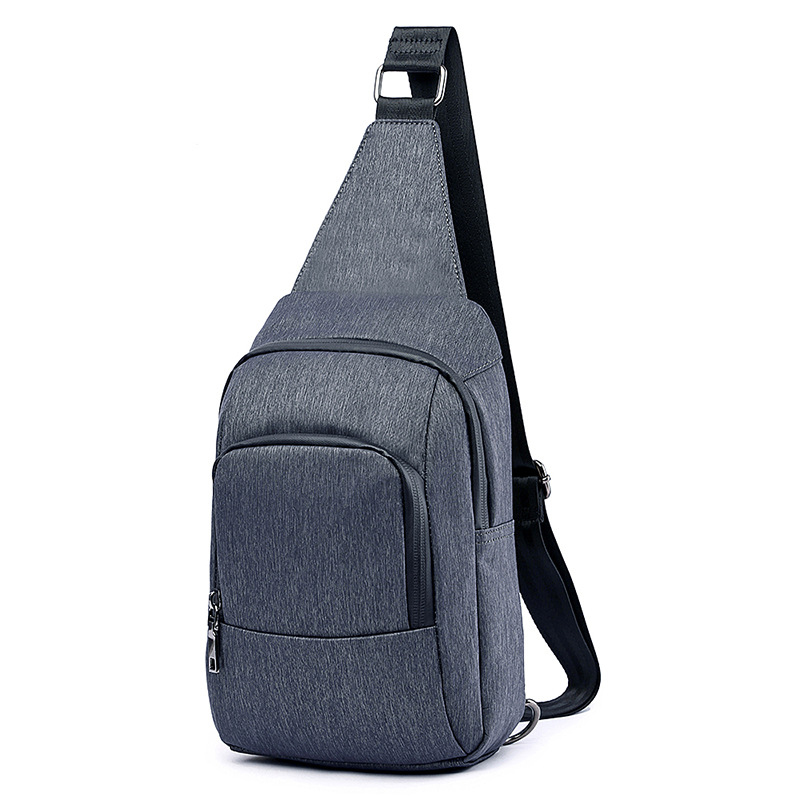
What Buyers Really Need From a Messenger Bag
A messenger bag seems simple until you have to choose one for daily use, field work, travel, or a branded retail line. The difference between a bag that gets used every day and one that ends up in a closet usually comes down to small design decisions: material weight, strap comfort, pocket layout, and how well the bag holds shape when loaded. For sourcing teams and product planners, the real question is not just which messenger bag looks best, but which construction matches the user’s routine and the intended price position.
That is why the category still matters. A good bag has to move comfortably across the body, keep contents accessible, and survive repeated opening, closing, and abrasion. If the bag is for commuting, the buyer may care about laptop protection and weather resistance. If it is for merchandising or corporate gifting, appearance and brand presentation may matter more than utility on paper. The same silhouette can support very different use cases, but only if the materials and details are chosen with intent.
Quick Comparison: Common Messenger Bag Types
Leather messenger bag
A leather messenger bag usually signals a more formal or premium application. It can age well and carry a polished look, but it also tends to be heavier and can increase cost. Buyers should pay attention to whether the leather is full-grain, top-grain, or another finish, since the appearance and durability profile can vary widely.
Canvas messenger bag
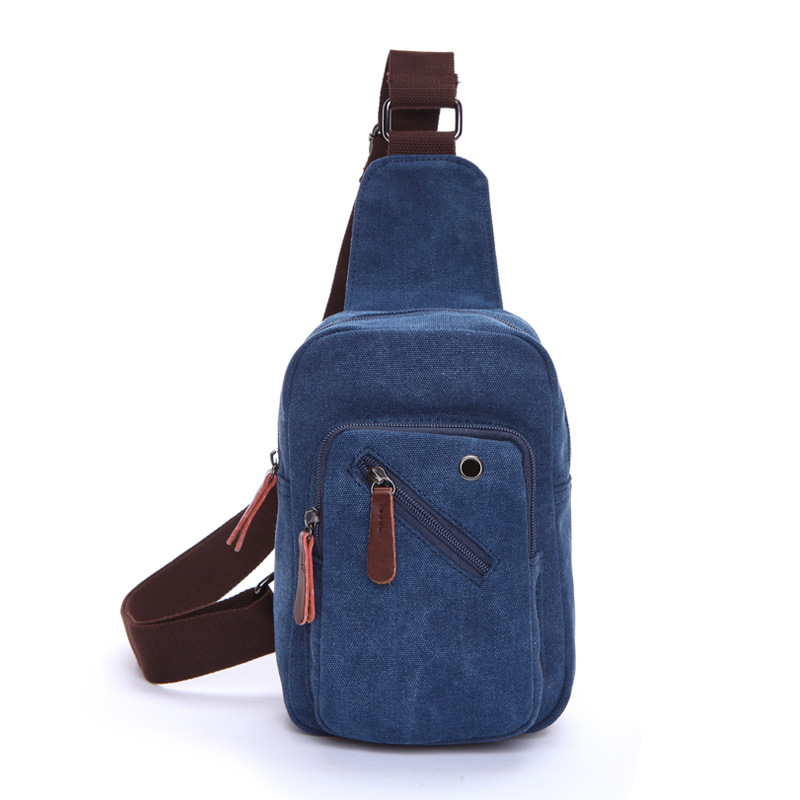
A canvas messenger bag often suits casual, rugged, or heritage-inspired products. Canvas can feel less formal than leather, but it is versatile and often easier to position for everyday carry. The practical caveat is that canvas quality varies a lot, so fabric weight and reinforcement matter more than the marketing copy suggests.
Nylon messenger bag
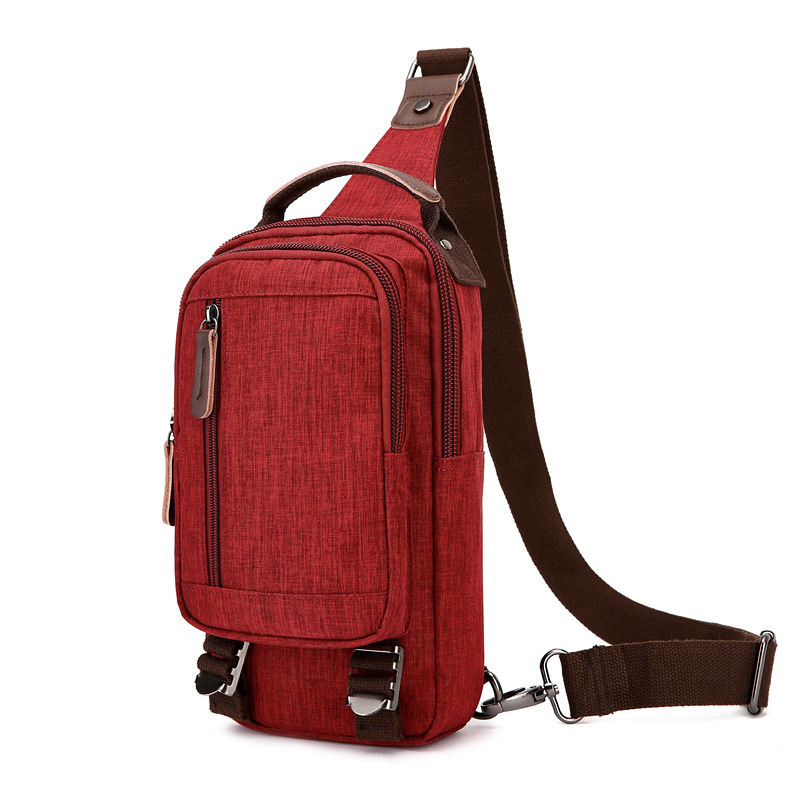
A nylon messenger bag is a common choice for lighter weight, water resistance, and a more technical look. It is often used for work or travel where low bulk matters. Buyers should examine the handfeel and coating, because thin nylon can save cost but may not hold shape as well after extended use.
What Makes a Workable Daily Carry Bag
The best work messenger bag is usually not the one with the most compartments. It is the one that organizes essentials without making access awkward. A laptop sleeve is useful, but if the opening is too narrow or the main flap is slow to open, the user will notice that every day. Interior dividers should support real items: chargers, notebooks, pens, phones, and a few personal items. Over-designed pockets can become dead space.
Strap design deserves more attention than it often gets. A wider, adjustable shoulder strap can reduce fatigue, especially when the bag is loaded with electronics. Hardware quality matters too. Buckles, zippers, and sliders are not glamorous parts of the spec sheet, but they are often the first components to show wear. If the bag is intended for commuting or field use, these details should be checked early rather than after samples are approved.
Travel Use Changes the Rules
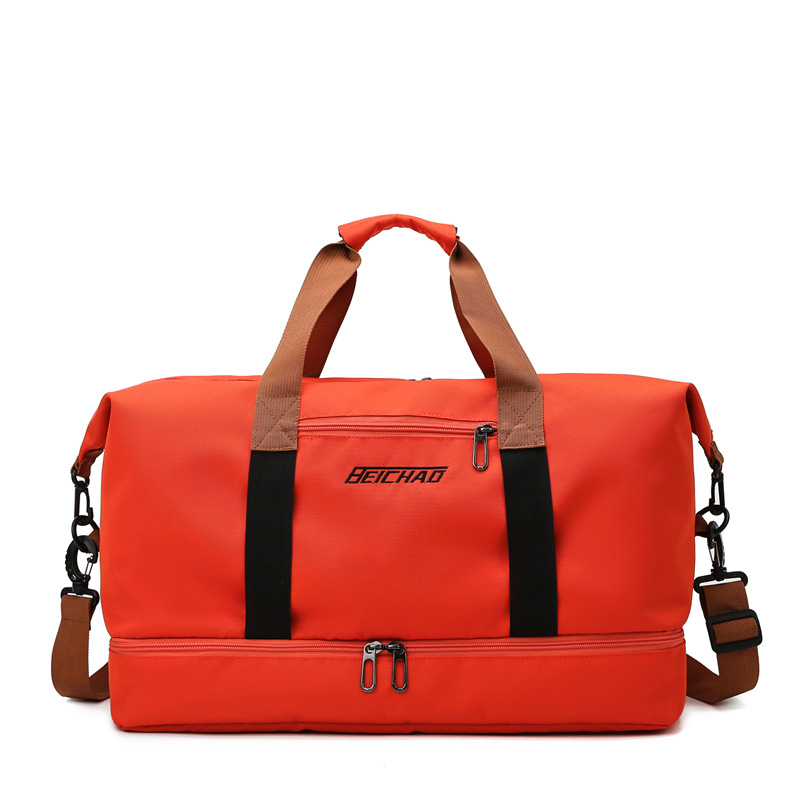
A travel messenger bag has a different job than a bag built for office carry. It needs faster access at security checkpoints, enough capacity for documents and a tablet or compact laptop, and a profile that stays manageable in crowded terminals. In practice, a bag that is too deep can become a black hole, while one that is too shallow may fail the user halfway through a trip. Balance is the real design challenge.
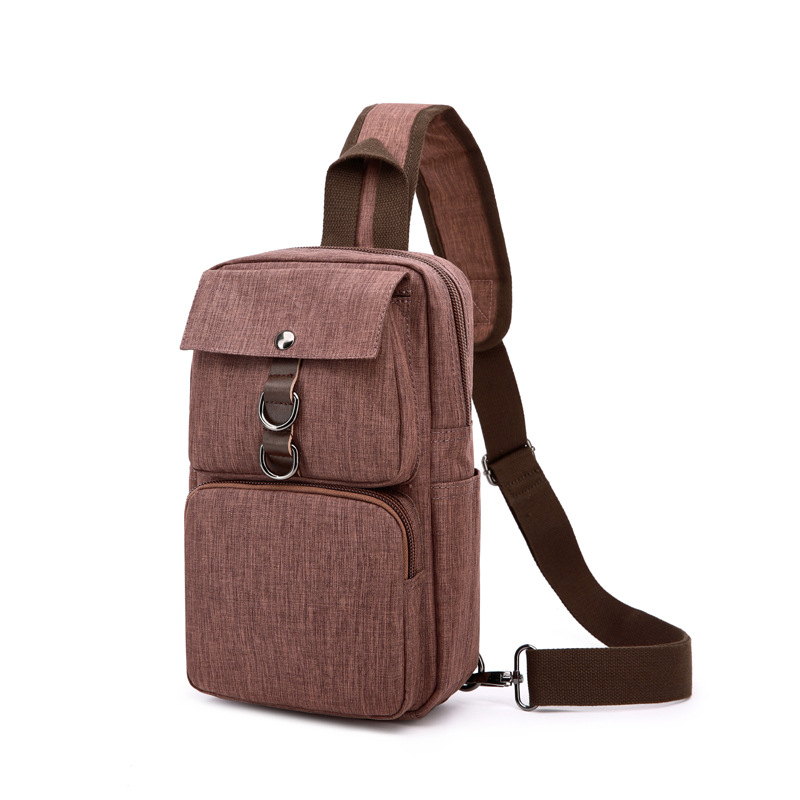
Closure style also affects travel performance. Magnetic flaps may be convenient, but they are not always ideal for situations where contents shift frequently. Zippers can offer more security, though they add friction to daily access. Some buyers prefer hybrid builds, using a flap for the front look and a zippered main compartment for safer storage. That is often a sensible compromise, though it depends on the target customer and the visual direction of the line.
Selection Criteria That Actually Matter
When sourcing a messenger bag, start with the end user and the intended environment. A commuter carrying a 13-inch laptop and notebooks does not need the same build as a sales rep moving between client visits, and neither needs the same construction as a retail customer buying for style alone. Material choice, lining, reinforcement points, and strap padding should all follow that use case.
Then look at build consistency. Stitch quality, edge finishing, and reinforcement at stress points often tell you more about a product than a glossy product photo. Weight is another practical consideration. Some buyers want a substantial feel; others want a lighter pack because the bag is already carrying electronics and documents. There is no universal best option, only a better fit for the job.
Common Mistakes Buyers Make
One common mistake is treating all messenger bag styles as interchangeable. They are not. A leather version may be the right choice for executive gifting, while a nylon version may be better for travel-oriented customers. Another mistake is over-specifying pockets that sound useful but do not reflect actual user behavior. Too many small compartments can make the bag feel cluttered and less premium.
Buyers also sometimes overlook proportions. A bag that photographs well can still ride awkwardly on the body if the strap anchor points are poor or the flap is oversized. Sample testing should include real carry loads, not just visual approval. That sounds obvious, but it is skipped more often than it should be.
Practical Buyer Advice Before You Order
If you are evaluating messenger bags for a product line or sourcing program, ask for samples in the intended material family rather than assuming one construction can stand in for another. Compare finish, weight, closure behavior, and pocket usability side by side. If branding is important, check how logo placement interacts with seams, hardware, and the flap surface. Small placement errors can make a good bag look improvised.
For teams balancing cost and perceived value, the safest path is often a clear design brief: one target user, one core use case, and a short list of non-negotiable features. That approach tends to produce a bag that works in the market instead of a product that looks impressive only in a catalog.
FAQ
Is a leather messenger bag always better?
No. It may look more premium, but it is not automatically better for weight, weather exposure, or everyday commuting.
Which is more practical for daily use, canvas or nylon?
It depends on the target. Canvas often suits casual styling and a sturdier feel, while nylon is usually lighter and more technical in appearance.
What should sourcing teams check first?
Start with the user case, then test comfort, closure behavior, pocket layout, and build quality at stress points.
A Sensible Next Step
If you are narrowing down a messenger bag for retail, corporate, or private-label development, define the use case before you lock the material and hardware spec. That one decision usually prevents the most expensive mistakes. From there, the right sample comparison becomes much easier, and so does the conversation with suppliers.