Why a messenger bag is still a serious carry option
A messenger bag is one of those products that survives fashion cycles because it solves a real problem: how to carry documents, a laptop or tablet, chargers, notebooks, and the usual daily clutter without moving up to a full backpack or down to a small sling. For office commuters, students, field staff, and light-travel users, the format still makes sense. It sits close to the body, opens quickly, and gives buyers a workmanlike mix of access and security.
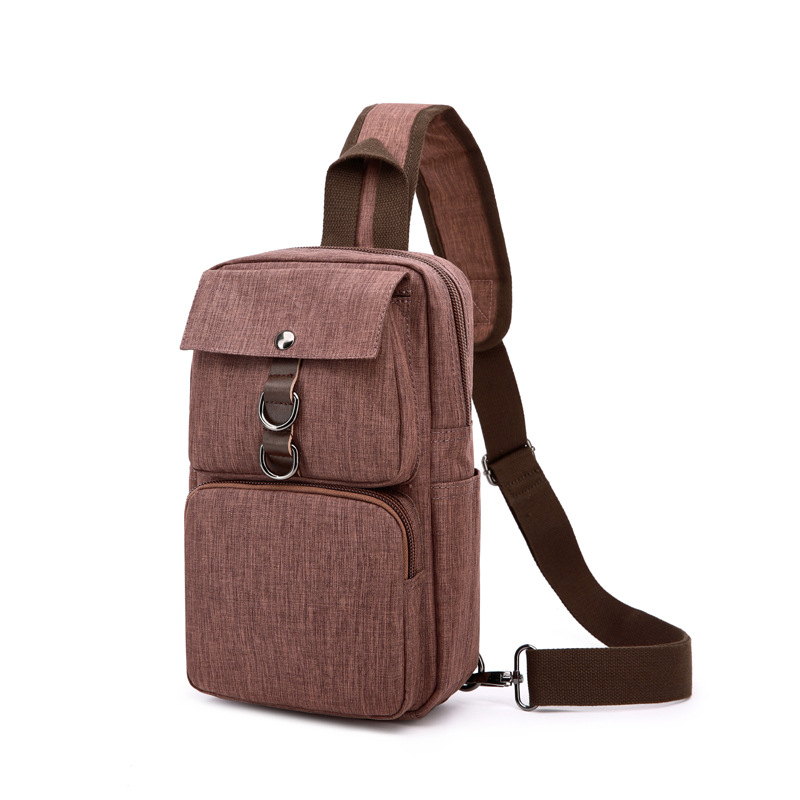
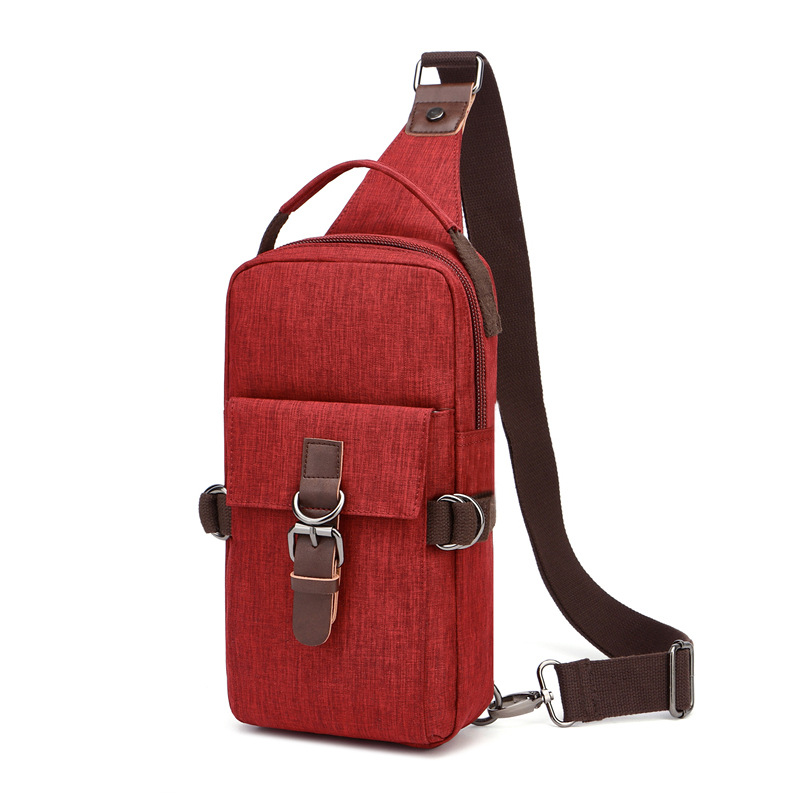
The bag shown here is a good example of the category’s practical side. It has a rectangular soft-sided body, a flap-front closure, a top handle, and an adjustable shoulder strap. There’s also a front zip pocket and visible side storage. That combination tells you a lot about the intended use: not luxury dressing, but everyday carry with enough organization to keep the main compartment from becoming a black hole.
What buyers usually want from this format
Search intent around messenger bags is often about choice. Buyers are usually deciding whether they need a crossbody messenger bag, a leather messenger bag, a canvas messenger bag, or a waterproof messenger bag. The answer depends less on style labels and more on use case.
A leather version often leans more formal and can suit business settings, though it may add weight and price. A canvas messenger bag usually feels more casual and can be easier to live with for commuting or school. Waterproof versions matter when the route involves weather exposure or outdoor work, but buyers should be cautious here: many bags are water-resistant in practice, not truly waterproof. That distinction gets blurred in product pages far too often.
This bag appears to sit in the utility-driven canvas or waxed-canvas look, with brown webbing straps and leather-like tabs. That visual language usually signals everyday durability rather than premium fashion-first branding.
Visible construction details that matter in sourcing
For sourcing managers and product teams, the useful part is not the aesthetic alone. It is the construction logic.
The bag uses a sewn soft-goods structure, which likely means cut-and-sew assembly with attached webbing, hardware, and reinforcement at stress points. You can see:
- a flap-over main closure
- two buckle-style front straps
- a horizontal zip pocket near the top front
- a top carry handle
- an adjustable shoulder strap
- side pocket storage
These are simple features, but each one adds manufacturing steps. Zipper installation, strap bartacking, rivet placement, and corner reinforcement all affect field performance. On this type of bag, the weak point is rarely the fabric panel itself; it is usually the strap anchor, the buckle interface, or stitching around the load-bearing zones.
Choosing between canvas, leather, and mixed-material bags
If you are comparing bag types for a product line or purchase spec, keep the trade-offs plain.
A leather messenger bag tends to communicate a more executive look. It may appeal to office buyers, but it can also constrain weight and maintenance expectations.
A canvas messenger bag is often the more practical all-rounder. It is typically lighter, more casual, and better aligned with school, commuting, and field use. The textured matte surface seen here fits that working-bag category well.
A mixed-material design, like the one shown, can be the sweet spot when you want structure, visual contrast, and cost control. Webbing straps and trim tabs often help with durability at contact points without making the bag overly rigid.
Where these bags succeed, and where they can frustrate users
The strongest selling points are obvious: dual carry options, quick-access pockets, and a format that opens more cleanly than a backpack on a crowded train or jobsite bench. The flap also adds a layer of security and weather buffering, even if the bag is not sealed against rain.
But there are a few common buyer complaints worth flagging early. Messenger bags can swing forward if overloaded. They also become awkward when stuffed with heavy books or a thick laptop load, especially for long walks. A top handle helps during short moves, but it does not replace a balanced shoulder system.
For that reason, buyers should ask practical questions before committing:
- Is the shoulder strap padded or just webbing?
- How firm is the body when partially loaded?
- Does the front zipper pocket remain usable under the flap?
- Are the side pockets actually deep enough for a bottle or umbrella?
Those details matter more than a glossy product description.
Who this style suits best
This kind of bag works well for commuting, office carry, school, light travel, and fieldwork where hands-free movement matters but a backpack feels excessive. It is especially useful for people who need fast access to notebooks, files, cables, or a tablet during the day.
It is less suitable for heavy digital gear, long-haul travel, or anyone expecting highly padded internal compartments. Since internal organization is not verifiable from the image alone, buyers should not assume laptop compatibility without checking the specification sheet.
Buyer advice before placing an order
If you are evaluating a messenger bag for retail or private label sourcing, confirm the basics that photographs cannot prove: exact fabric composition, lining, padding, hardware grade, and whether the trim is genuine leather or synthetic. Also confirm closure behavior under load. A bag can look secure in a studio shot and still be fiddly in daily use.
For product development, this style is attractive because it is familiar, easy to merchandise, and adaptable across price tiers. Small changes in fabric weight, strap hardware, and pocket layout can shift it from student carry to office casual without redesigning the entire platform.
Practical next step
If you are building a range around a messenger bag format, start with the user job, not the trend. Decide whether the bag needs to look professional, travel-ready, or rugged first. Then match the material and pocket plan to that use. That is the difference between a bag that photographs well and a bag that gets used every day.