Why the messenger bag still earns shelf space
A messenger bag looks simple until you try to buy one for real use. Then the details start to matter: flap security, strap comfort, pocket layout, material choice, and whether the bag feels right with a laptop on a crowded train or a notebook and charger on a long campus day. For buyers comparing a laptop messenger bag, a canvas messenger bag, or a leather messenger bag, the decision is rarely about style alone. It is about how the bag carries weight, how fast you can reach what you need, and how well it holds up to repeated daily handling.
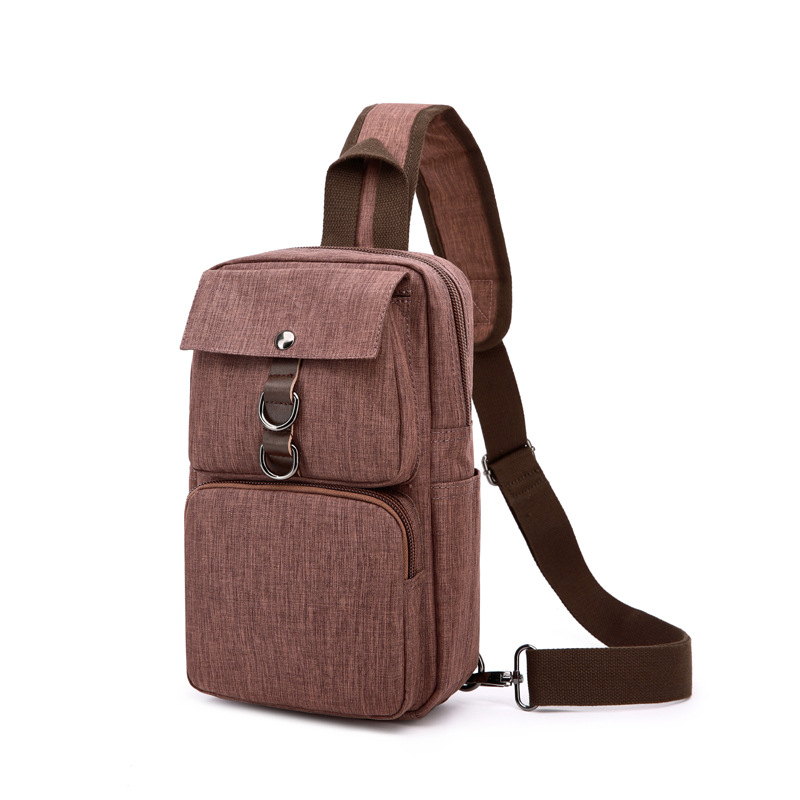
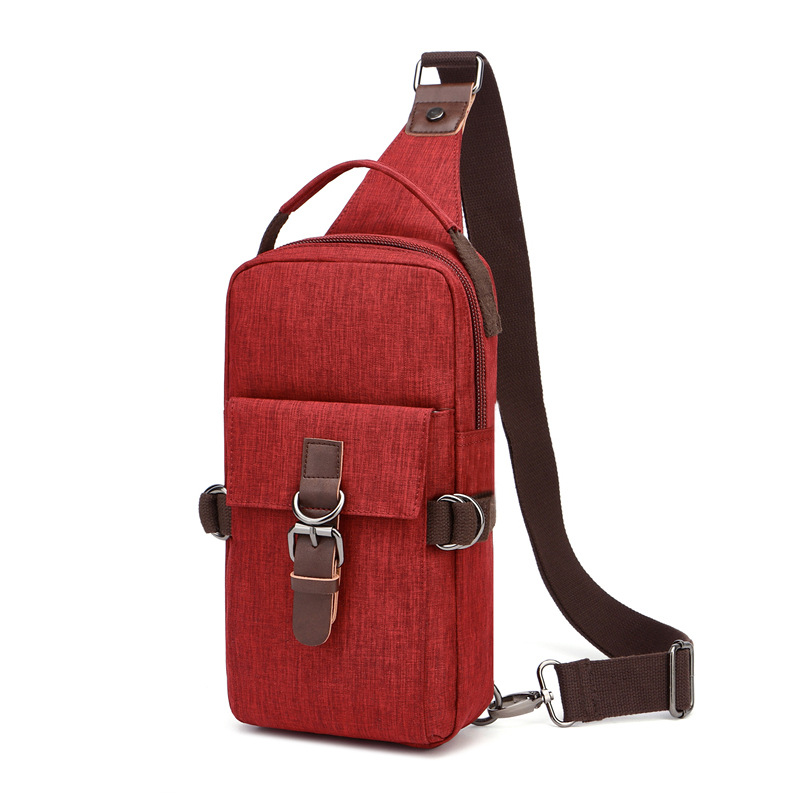
The style shown here fits the classic messenger pattern: a rectangular soft-sided body, a wide adjustable shoulder strap, a flap-over main closure, and front buckle-style details that suggest a secure, practical carry system. The olive-khaki tone and brown trim give it a utilitarian look, closer to field gear than a fashion accessory. That is often exactly why people choose this category. It works in offices that do not demand formal leather, on campuses, in commuting routines, and in any job where you need documents, a tablet, or a small laptop within easy reach.
What the design tells a buyer at a glance
The visible construction points to sewn textile bag manufacturing, likely with canvas or a canvas-like woven fabric and attached trim pieces. The body is soft-sided but holds a boxy shape, which usually helps when you are packing books, folders, or electronics with cases. The front flap covers most of the main compartment, while the lower front section suggests an exterior pocket or secondary storage area. That split is useful, but only if the pocket opening is easy to access without wrestling the flap every time. Buyers often discover this the hard way after ordering online.
The shoulder strap is wide and dark brown, which is a good sign for comfort. Narrow straps look neater in product photos, then start cutting into the shoulder once the bag carries a tablet, a charger, and a few hardback books. The wide strap on a unisex messenger bag tends to make the bag more useful for commuting because weight spreads better across the shoulder and across the body.
Material choices: canvas, nylon, or leather?
For buyers, the material conversation usually starts with three broad options: canvas, nylon, and leather. Each brings a different tradeoff.
Canvas messenger bag
Canvas remains the most familiar material for this category because it balances structure, texture, and everyday utility. A canvas messenger bag can feel rugged without looking overly technical. It usually handles scuffs better than polished materials, and the soft weave gives it a more relaxed, vintage messenger bag character. If the fabric is coated or treated, it may shed light moisture better, but that should never be assumed unless the supplier states it clearly.
Nylon messenger bag
A nylon messenger bag often suits buyers who want lighter weight and easier wiping. It can be a practical choice for travel or field use. The tradeoff is appearance: nylon can read as more functional than heritage-style. If a brand wants a utilitarian look with a less formal feel, nylon is often the safer route.
Leather messenger bag
A leather messenger bag has stronger visual authority in office settings, but it usually comes with more care requirements and a higher cost profile. It can also be heavier. For many buyers, leather is best when the bag is meant to signal professionalism as much as function. For daily rough use, some teams prefer textile construction with leather-like trim rather than full leather.
Key selection criteria that matter in practice
When sourcing or evaluating a messenger bag, the first question should not be “Does it look good?” It should be “What will people carry in it, and how often?” That answer should guide size, pocketing, and materials. If the bag is intended for a laptop, check the actual device size, the sleeve shape, and whether there is enough interior padding. A laptop messenger bag that looks roomy may still be awkward if the compartment is too shallow or if the flap buckle design slows access.
Look closely at the closure system. Flap-and-buckle styling can be secure and visually strong, but it may add friction to daily use. Some buyers love that sense of closure; others get tired of opening and closing straps repeatedly. For commuting, the best messenger bag usually balances fast access with enough security that nothing spills when the bag is swung around or set down on a desk.
Also pay attention to strap attachment points and hardware. Metal rings and reinforced webbing are helpful, but only if stitching is clean and load-bearing areas are reinforced. Bag failures often start at stress points, not in the center panel. That is the unglamorous part of sourcing, but it matters more than the colorway on a spec sheet.
Common mistakes buyers make
One frequent mistake is treating all messenger bags as laptop-ready. They are not. Some are best for documents and general daily carry, while others have proper structure or padding for electronics. Another mistake is assuming the visible flap means weather protection. A flap helps cover the opening, but it does not automatically make the bag waterproof.
It is also easy to overvalue the “vintage” look. A vintage messenger bag can be attractive in the sample room, then become frustrating if the pockets are too few or the strap is too thin. Style should support use, not replace it.
Who this style suits best
This type of bag works well for students, commuters, creative professionals, and field staff who carry papers, a tablet, or small accessories rather than a full loadout. The unisex messenger bag format is one reason the category has stayed popular: it does not depend on a highly specific wardrobe or business dress code. It is flexible enough for campus, office, and travel day use.
If your team is sourcing bags for a broad audience, this silhouette is a safe middle ground. It has enough structure to feel organized, enough softness to stay casual, and enough visual neutrality to avoid looking too sporty or too formal.
Practical buyer advice before placing an order
Ask for close-up photos or samples of the strap anchors, buckles, and inside construction. If a supplier cannot clearly explain the material composition, treat claims like “canvas” or “leather” cautiously. In bag sourcing, those terms are sometimes used loosely. It is better to confirm whether trim is genuine leather or a leather-like alternative, and whether the fabric is untreated woven cloth or a coated textile.
If the bag must carry electronics, request clear confirmation of interior layout and padding. If it is for general everyday carry, focus more on strap comfort, pocket access, and stitch quality. Small details, like the placement of a side pocket or the ease of opening the flap, can decide whether the bag gets used every day or gets left on a hook.
Next step for sourcing teams
When evaluating a messenger bag for production or procurement, start with the use case, then map the bag’s structure to that use case. A sturdy flap, adjustable shoulder strap, and practical pocket layout are good signs, but they are only part of the picture. The best choice is the one that fits the load, the setting, and the way the end user actually moves through the day.
If you are comparing messenger bag styles for commuting, school, or casual work use, request a sample spec sheet and a construction breakdown before committing to a run. That small step usually prevents the bigger headache later.