What a messenger bag really has to do today
A messenger bag is no longer just a soft shoulder bag with a flap. For many buyers, it has become the middle ground between a briefcase and a backpack: easier to access than a pack, less formal than a hard case, and better suited to quick movement through stations, campuses, and office corridors. That’s why the buying decision is rarely about style alone. It is about carry comfort, organization, protection, and how the bag behaves when it is loaded with a laptop, documents, charger, notebook, and the usual loose items that seem to multiply during a workday.
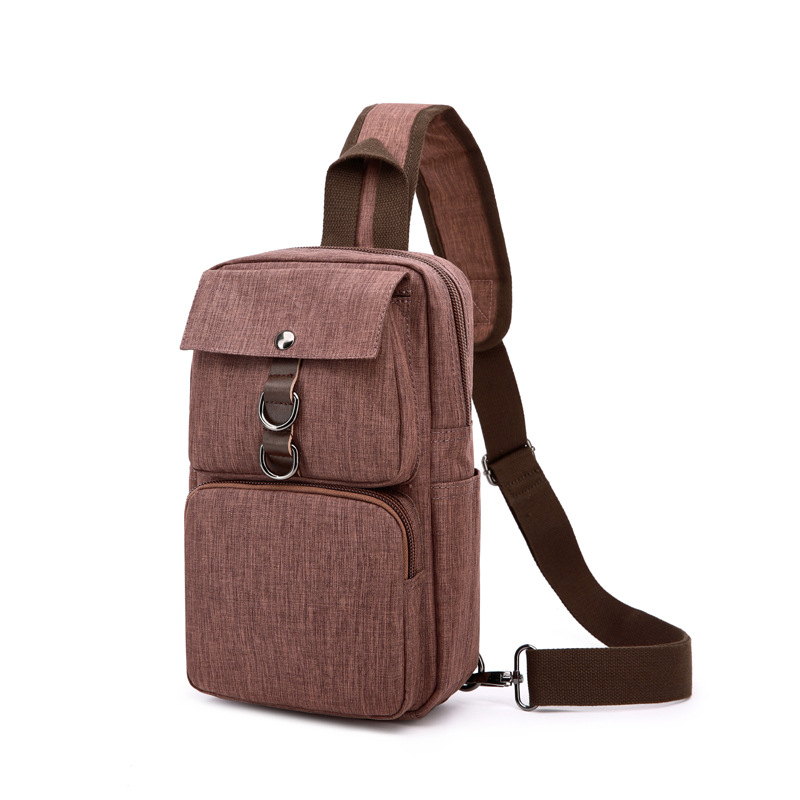
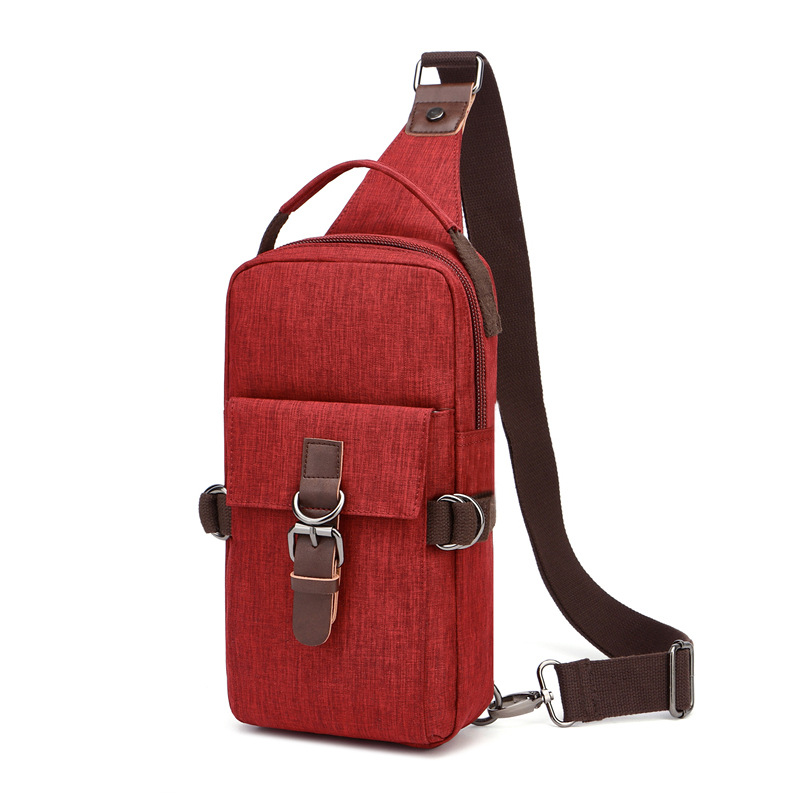
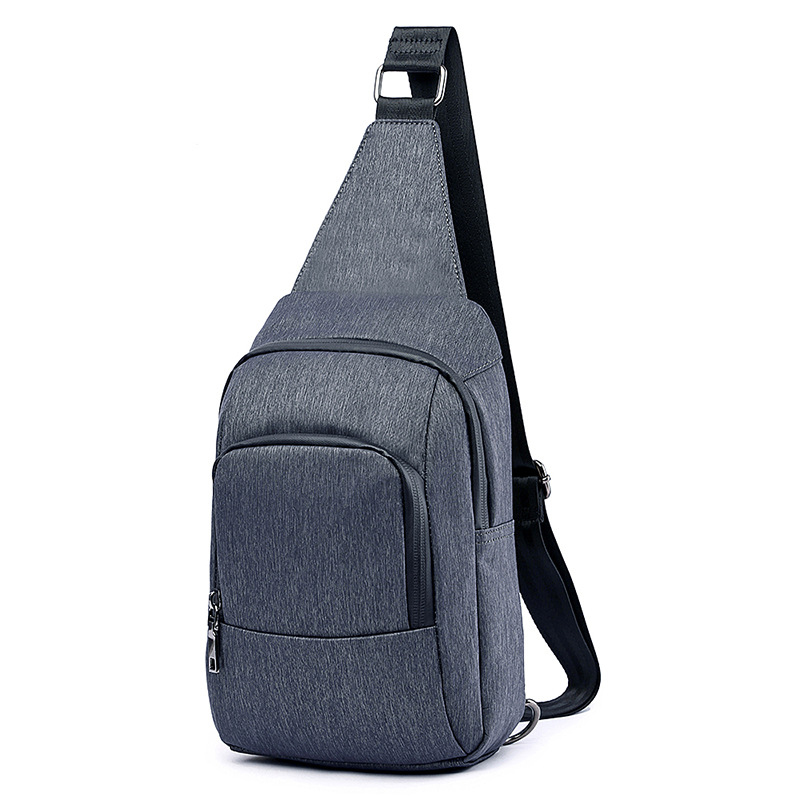
The bag described here fits that modern commuter brief. It appears to be a soft-sided, structured shoulder bag with a flap-front closure, a top grab handle, a single adjustable strap, side pocket, and a textile exterior in a gray-brown tone. The look is casual business rather than formal executive. That matters, because the right bag choice depends on the user’s setting as much as on the items being carried.
Quick read: where this style fits best
For sourcing teams and product managers, this format usually serves three overlapping use cases: commuting, school carry, and light travel. It works when buyers want a cleaner silhouette than a backpack but still need two-way carry options. The top handle helps in tight spaces, while the shoulder strap keeps it practical on the move. A flap-front design also gives the bag a more finished appearance, though it can add a little friction if the user is opening and closing it all day.
This is the point where material choice starts to matter. A canvas messenger bag brings a more casual, rugged identity. A leather messenger bag reads more formal and usually costs more to source and maintain. A fabric build like the one visible here often aims for the balance: lighter weight, broad appeal, and easier cut-and-sew production.
Construction details buyers should look at first
The visible bag has a rectangular body with a structured but soft profile. That combination is common in office and commuter bags because it lets the bag keep its shape without becoming stiff or boxy in the wrong way. The stitched webbing strap and top handle suggest a standard textile bag manufacturing process: panel cutting, seam assembly, reinforcement at stress points, and attachment of trim or hardware. Nothing exotic there, but the details matter.
Why the flap and pocket layout matter
A flap-over front is useful when the bag needs to look tidy in a business setting. It also hides the main compartment, which can be a plus for casual security. The side pocket is a practical addition for a phone, bottle, transit card, or small accessory. Front slip pockets can help with papers or a notebook, though buyers should be cautious: external pockets are convenient, but they are not always secure for small valuables.
In the market, similar bags may be described as a crossbody messenger bag, a slim messenger bag, or a day bag messenger. Those labels can mean different things depending on the seller. “Slim” usually suggests a lighter document-first layout, while “day bag” implies room for all-day essentials. As always, the product name is less important than the actual pocket plan and carry geometry.
Selection criteria that prevent bad buys
Buyers often focus on appearance first and discover the weak points later. That is a mistake. For a commuter or office messenger, the questions should start with load type. Will the bag carry a laptop or mainly papers and accessories? Is the strap wide enough to avoid shoulder fatigue? Does the body collapse too easily when partially filled? Is the flap closure fast enough for daily use?
If the bag is intended for tech carry, padding becomes a key specification. If it is meant for travel, the buyer should also ask about water resistance, zipper protection, and how securely the contents sit under the flap. A waterproof messenger bag may sound appealing, but the phrase is often used loosely. Unless the construction details are clearly defined, water resistance should be treated as a claim to verify, not a feature to assume.
Common sourcing mistakes with messenger bags
One common mistake is specifying the look before the use case. Another is assuming that a fabric exterior automatically means the bag is casual and durable in equal measure. Stitch quality, reinforcement, and trim attachment matter just as much as fabric weight. A third mistake is overlooking carry ergonomics. A messenger bag that looks neat on a shelf may still feel awkward once it is loaded and worn across the body for a full commute.
There is also a basic product-design caution here: if the bag is too soft, it can look sloppy when underfilled. If it is too rigid, it may lose the relaxed messenger character that makes the category attractive in the first place. That balance is often where good bag manufacturing shows itself.
Practical buyer advice for B2B teams
When evaluating this type of bag, request clear confirmation on materials, lining, closure method, padding, and internal organization. If the product will be sold for laptop carry, ask specifically about device fit rather than guessing from exterior size. If the bag is going into a commuter collection, check how it sits on the body with the strap adjusted short and long; that is where many designs reveal their flaws.
For brands building a range, this style can sit between premium casual and practical office carry. The gray-and-brown palette shown here is versatile and low risk for broad distribution. It feels easy to merchandise, especially for customers who want a tidy everyday bag without the formality of a briefcase.
What to ask before you place an order
Before committing to production or purchase, confirm the exact material, capacity target, internal layout, and closure hardware. Those details change both price and user satisfaction. If the bag is meant for school or work commuting, also ask whether the construction can hold up to repeated opening, shoulder loading, and daily surface wear. That sounds obvious, but it is where many soft-sided bags prove themselves or fail quietly.
If you are sourcing a messenger bag line, the next step is simple: define the carry scenario first, then match the construction to it. The right bag is not the one with the most features. It is the one that makes daily carry feel unremarkable in the best possible way.