Why a messenger bag still makes sense for work and daily carry
A messenger bag sits in a useful middle ground between a backpack and a briefcase. For engineers, sourcing teams, and product users who move between office, site, classroom, or train platform, that matters. The shape is easy to live with, the contents are usually accessible without digging, and the carry style works when you need one hand free.
The version described here is a soft-sided, rectangular bag with a flap-front profile, top handle, and adjustable crossbody strap. It is the kind of messenger bag that can handle documents, a laptop, notebooks, and a charger without looking overly technical. That balance is often what buyers are after: presentable enough for business casual settings, but not so formal that it becomes awkward for commuting or field work.
What the visible construction tells you
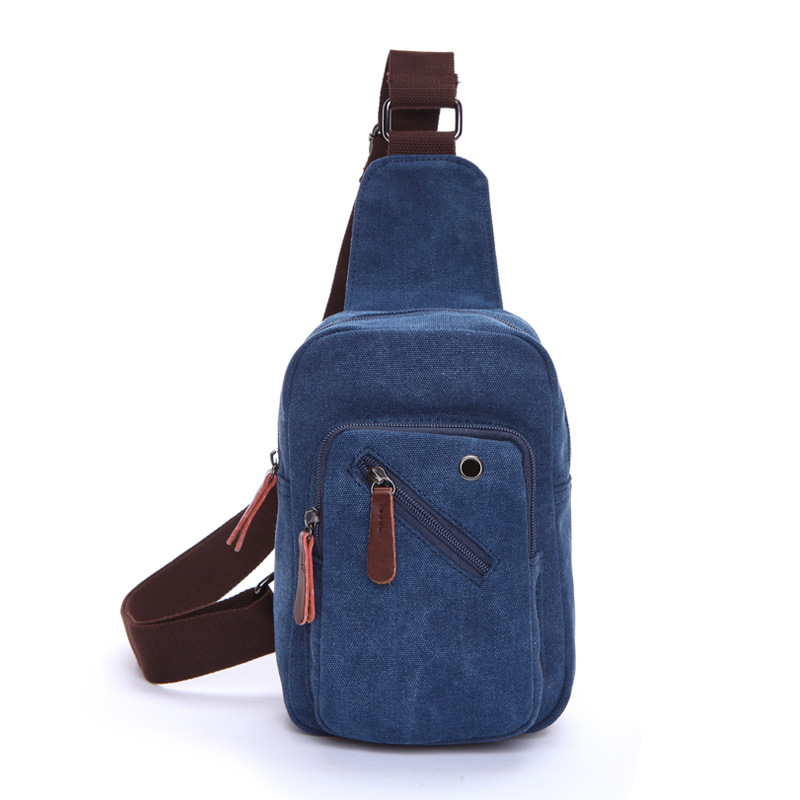
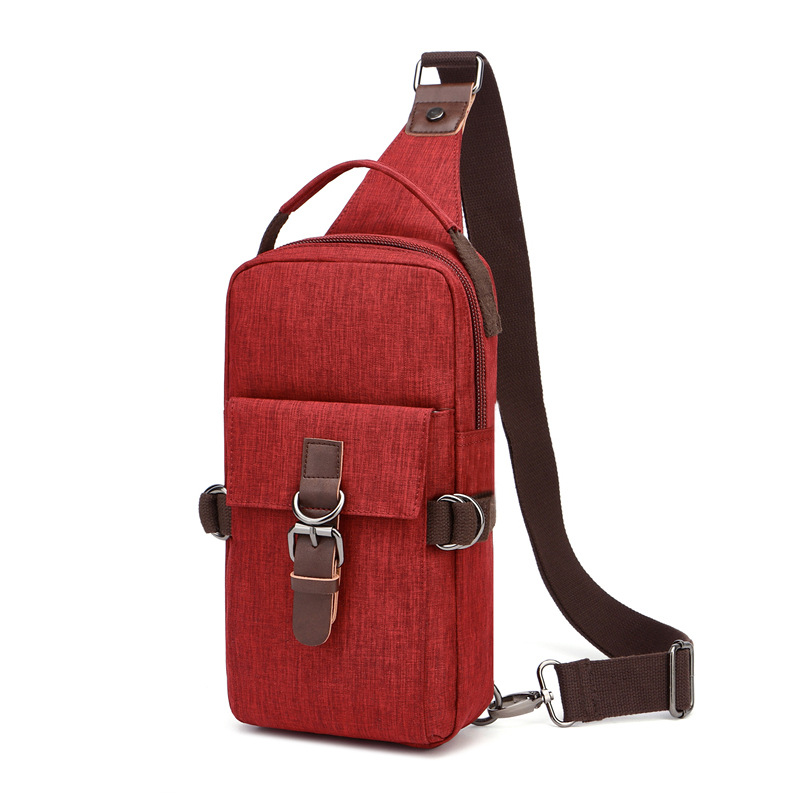
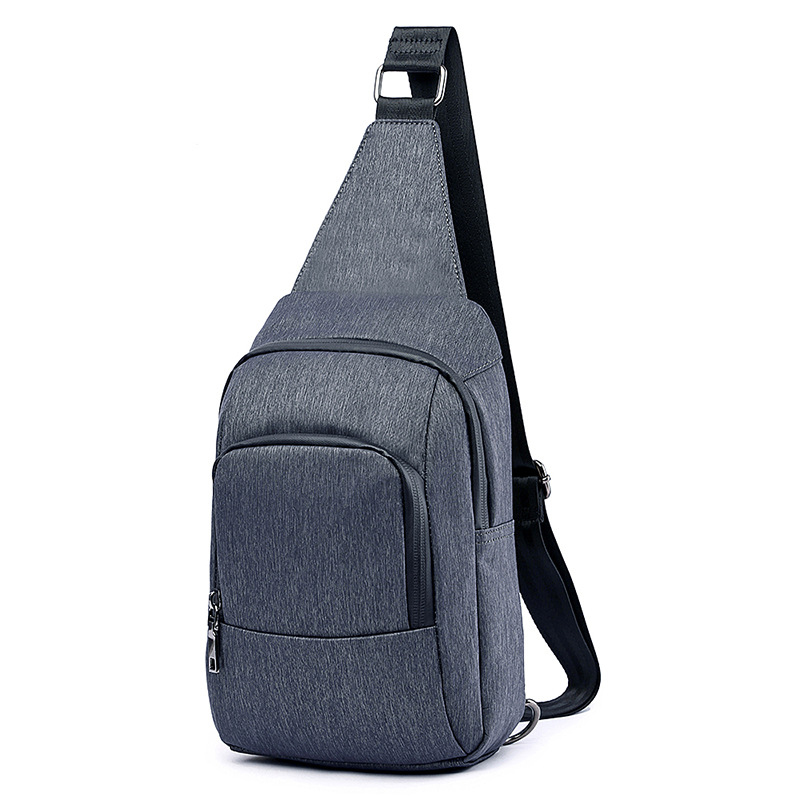
From the available product details, the bag appears to use a cut-and-sew soft goods construction. That usually means textile panels, strap webbing, zipper installation, and reinforcement at load points. The body looks like a woven canvas or canvas-like fabric in blue, indigo, olive, or khaki tones, paired with brown trim and a dark webbing strap. The strap pad appears to be leather or leather-like material, which helps distribute weight on the shoulder.
There is a front vertical zip pocket, a main compartment under a flap-style cover, and a top carry handle integrated near the upper edge. Those are practical features, not decorative ones. A quick-access pocket is useful for transit cards, keys, or small tools. The handle is equally important, because not every carry situation suits crossbody use. A messenger bag that offers both options usually earns more real-world use than one that depends on a single carry mode.
Quick buyer takeaway
If your team is comparing a laptop messenger bag against a softer casual messenger bag, focus less on style language and more on structure, strap support, and pocket layout. A neat exterior means little if the strap digs in after 30 minutes.
Material choices: canvas, leather trim, and why they are often paired
A canvas messenger bag or heavy woven fabric body is a common choice because it is visually relaxed, holds shape reasonably well, and tends to fit everyday work environments. The brown trim and handle wrap visible on this bag add contrast and often serve a reinforcement role around edges and carry points. Whether those parts are genuine leather or synthetic leather-like material is not confirmed, so a buyer should not assume either.
A leather messenger bag usually signals a more formal briefcase direction, while a canvas version reads as more casual and versatile. This product sits somewhere between the two. That makes it suitable for users who want a cleaner profile than a backpack but do not want a polished executive bag. For many offices and campuses, that middle position is the practical one.
Is it waterproof?
That cannot be confirmed from the available information. Buyers often search for a waterproof messenger bag, but canvas-like fabrics and stitched seams should not be treated as waterproof unless the construction is explicitly specified. At best, many bags of this type offer everyday splash resistance. If documents, electronics, or paper samples will be exposed to weather, a separate rain cover or a verified water-resistant build is the safer choice.
What this bag is well suited for
The visible geometry suggests moderate storage volume, not bulk hauling. It looks appropriate for A4 documents, a notebook computer, books, a charger, and daily accessories. That makes it a strong fit for commuting, school, business-casual meetings, and light travel. A casual messenger bag like this is also useful when you want quick access to items without opening a full backpack.
For field workers and sales teams, the appeal is often simple: one hand can stay free, the bag sits against the body, and the contents are usually easy to reach. For product teams evaluating carry goods, those are the use-case details that matter more than a generic style label.
Selection criteria that actually matter
When comparing messenger bag options, start with the basics:
1. Strap comfort and adjustment range. A sliding pad helps, but only if the strap length and load distribution work for the user’s frame.
2. Access layout. A front pocket is useful, but it should not become cluttered or interfere with the main compartment.
3. Structure. Soft-sided bags are lighter and easier to carry, but too little structure can make a laptop or documents shift around.
4. Closure logic. The flap-front design looks neat, but buyers should confirm how the main compartment closes under the flap before relying on it for travel.
5. Materials and trim. Canvas, leather-look reinforcement, webbing, and metal hardware all affect durability and appearance. The details at the stress points matter more than the overall colorway.
Common mistakes buyers make
The biggest mistake is assuming every laptop messenger bag fits the same device size. That is not safe without measurements. Another common issue is overlooking the strap. A bag can look business-ready in photos and still be uncomfortable after a day of use if the shoulder pad is too narrow or the webbing is too stiff.
Buyers also sometimes overvalue the exterior finish and ignore internal organization. If the bag is meant for chargers, notebooks, and cables, the inside layout can decide whether it feels orderly or frustrating. Since the internal structure is not visible here, that is a question worth asking before purchase.
Practical next step for sourcing and product teams
If you are evaluating this style for a program or catalog, request the missing specs before making assumptions: exact dimensions, laptop compatibility, lining details, closure type under the flap, and confirmation of whether the brown trim is genuine leather or synthetic. Those details determine whether the bag is better positioned as a business messenger, a school carry, or a casual commuter item.
For buyers, the useful question is not whether the messenger bag looks good in isolation. It is whether it matches the daily load, the commute, and the user’s tolerance for weight on one shoulder. That is usually where the real decision gets made.