Messenger Bag: What Buyers Should Actually Look For
A messenger bag looks simple from the outside, but the buying decision is usually more complicated than it first appears. For sourcing teams, retail buyers, or product teams planning a new line, the real question is not whether the format sells. It does. The question is which build, material, and carry profile will fit the end user without turning into a complaint item six months later.
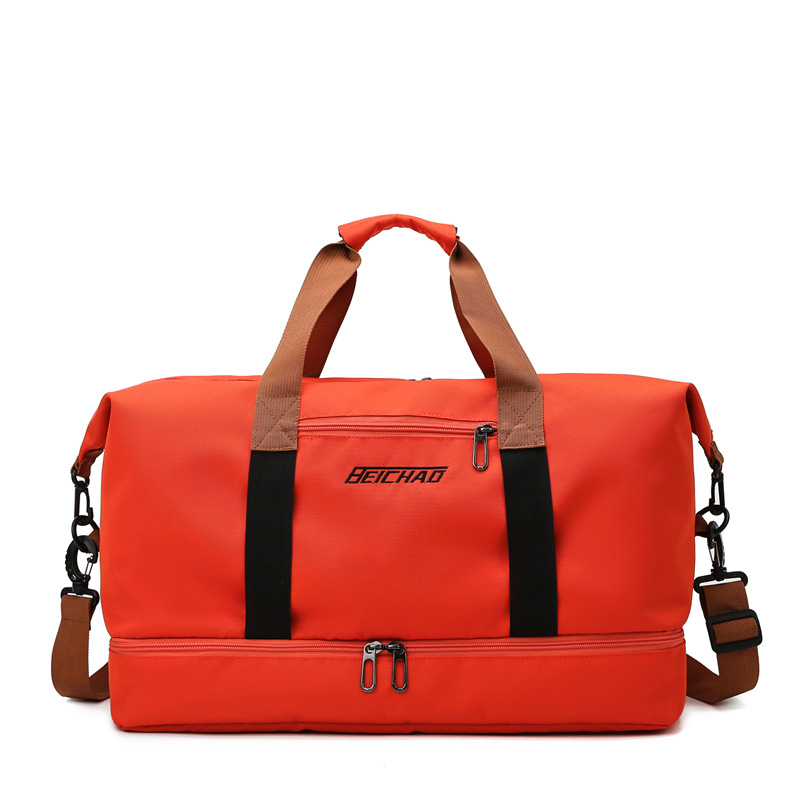
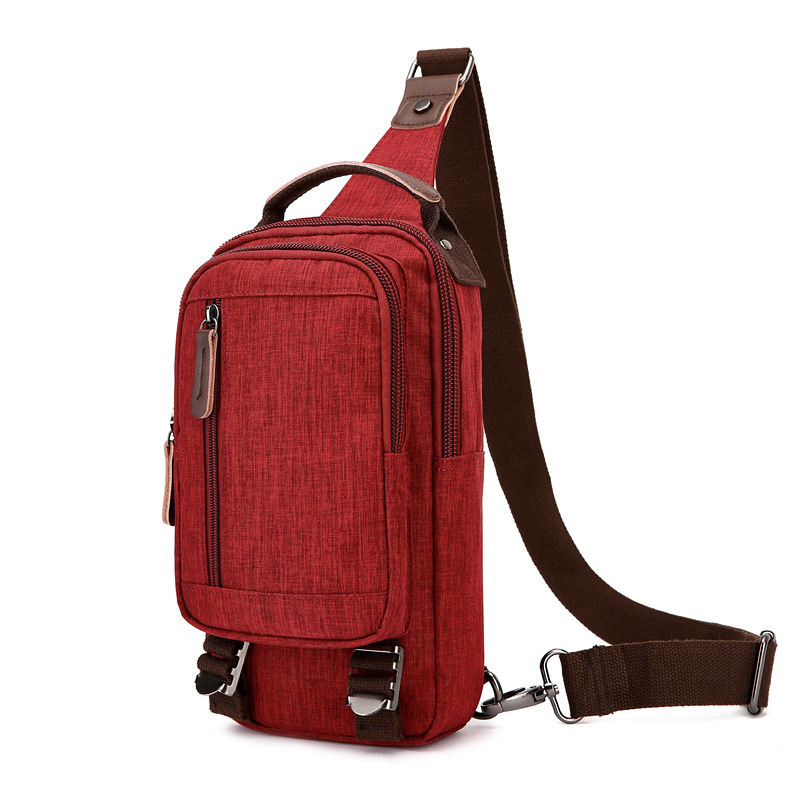
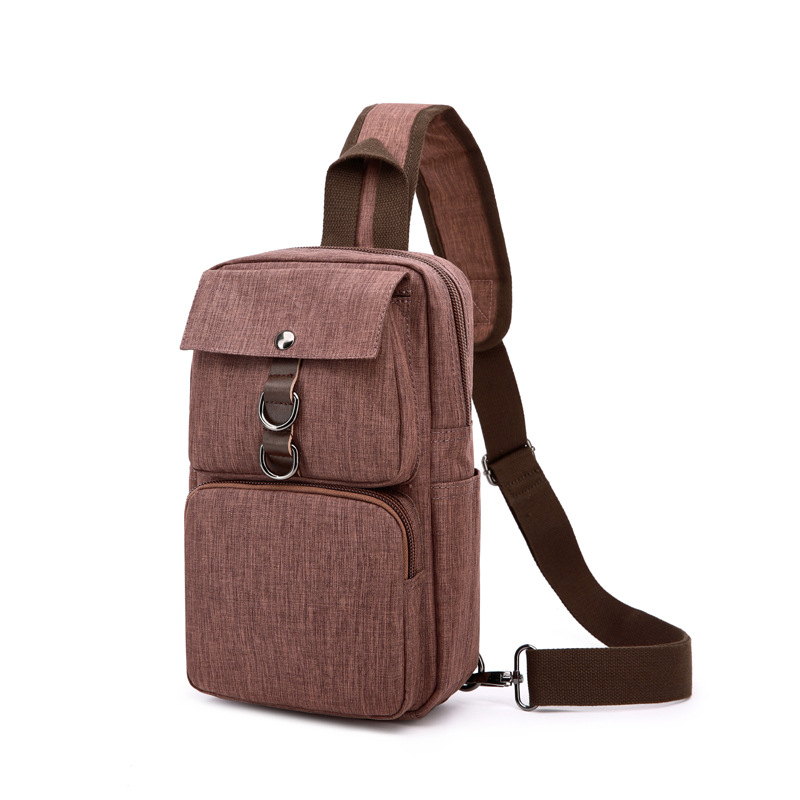
The category spans everything from a slim laptop messenger bag for commuting professionals to a rugged travel messenger bag built for heavier loads. Somewhere in the middle sit the everyday work bags that customers call a casual messenger bag or urban messenger bag. They all share the same basic side-carry shape, yet the performance expectations can be very different.
Why This Bag Style Keeps Selling
The messenger silhouette remains relevant because it solves a practical problem: easy access without taking the bag off completely. That matters on a train platform, in a bike lane, at an airport, or in a busy office lobby. The flap opens fast, the shoulder strap keeps both hands freer than a backpack, and the format tends to look more professional than a tote.
For many users, especially office commuters and field staff who carry documents, chargers, tablets, and a laptop, the appeal is straightforward. A messenger bag feels organized without looking too technical. That mix is hard to beat.
Material Choices Shape the Whole Product
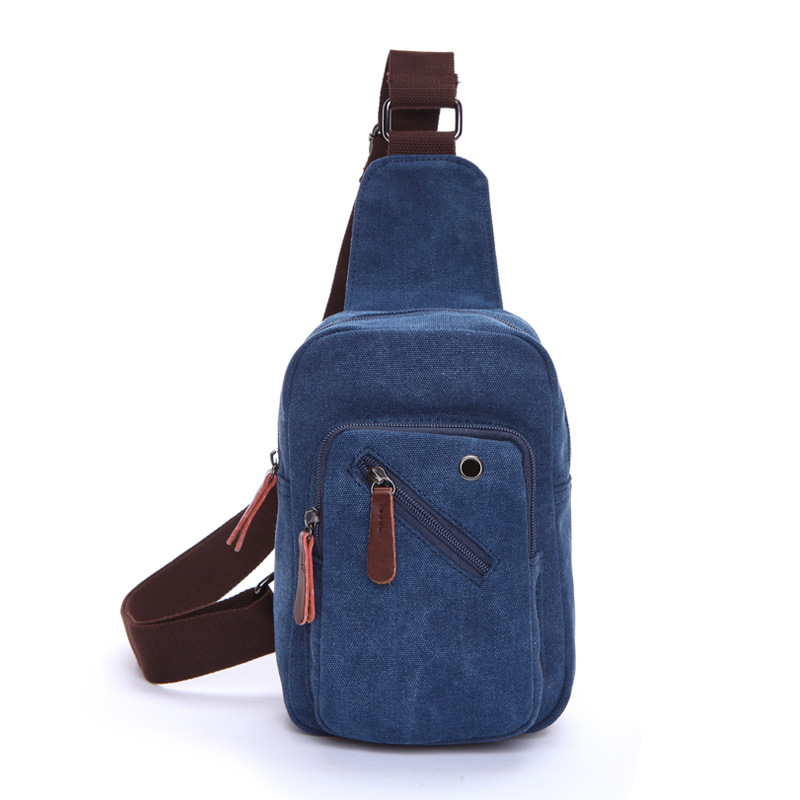
Material selection has more influence on buyer satisfaction than most spec sheets admit. A canvas messenger bag usually delivers a more casual, utility-driven look. It can work well for lifestyle retail, university customers, and brands aiming for an approachable, everyday feel. Canvas also pairs naturally with simpler constructions and can wear in a way that customers like, though it may show dirt and edge wear more quickly than some alternatives.
A leather messenger bag pushes the product into a different lane. It signals a more premium business use case and often carries higher expectations for finish consistency, stitching quality, and hardware presentation. The trade-off is weight and care. Some end users love the aging process; others do not want the maintenance. Buyers should be realistic about that before positioning the product as an all-purpose work bag.
Synthetics and blended constructions can be useful too, especially when water resistance, lower weight, or price competitiveness matter. The right choice depends on the market segment, not just aesthetics.
Key Features Buyers Should Compare
Size and internal layout
A bag that looks compact on a shelf may be frustrating in practice if the main compartment is too shallow or the laptop sleeve is undersized. Always check the usable internal dimensions, not just the external shell. A good laptop messenger bag should protect the device without forcing the zipper or flap to work against the contents.
Closure and access
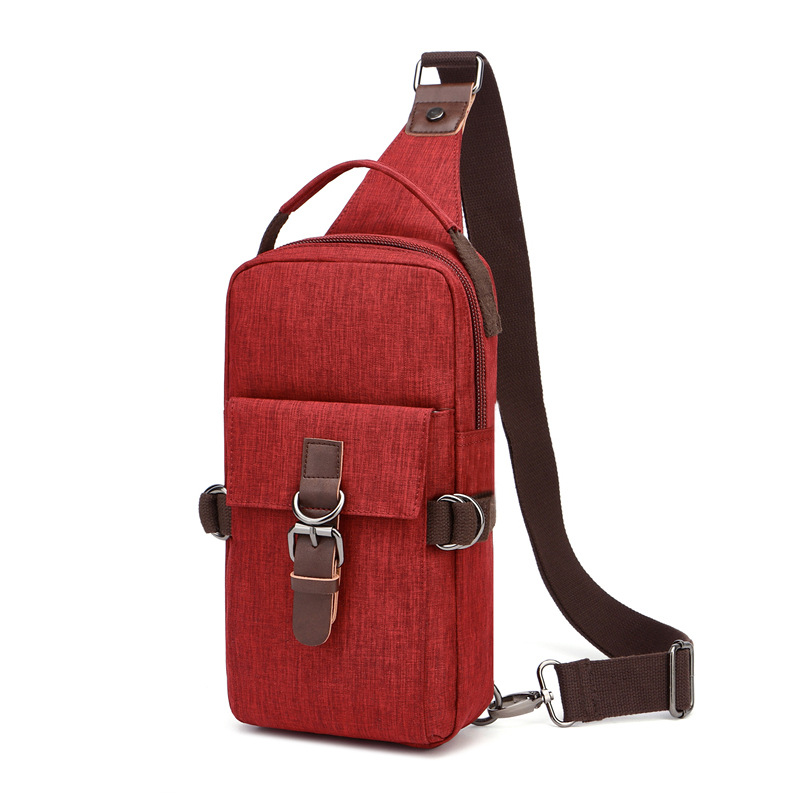
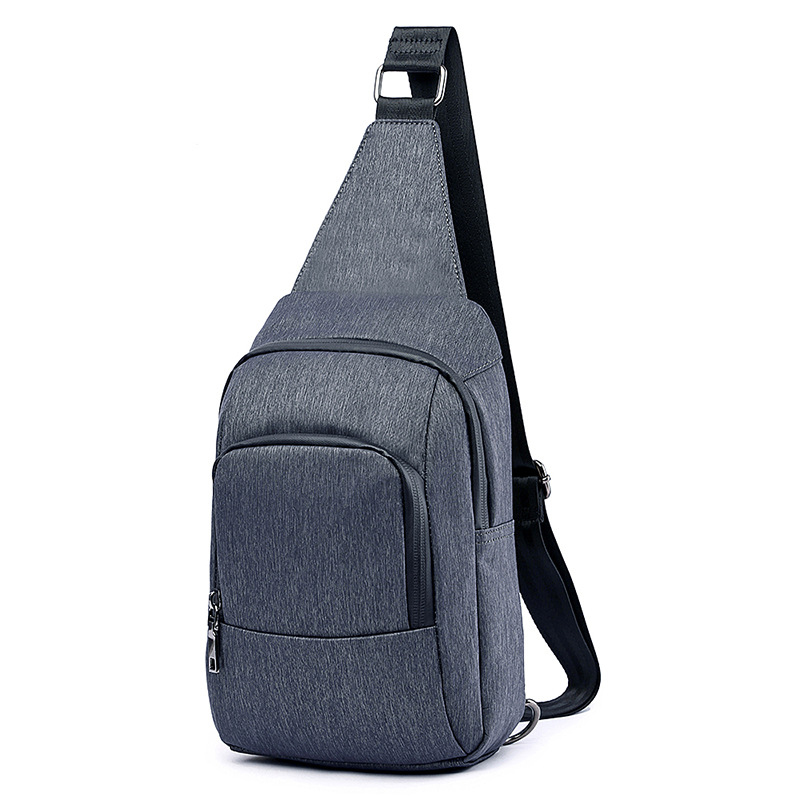
Flap closures are part of the classic messenger bag identity, but not all flap systems behave the same. Magnetic snaps are quick; buckles can be more secure; zippers add confidence for commuting or travel. There is no universal best option. For a travel messenger bag, security and content retention matter more. For office use, speed and one-handed access may matter more.
Strap comfort
This is where many products lose credibility. A strong strap should be wide enough to distribute load, adjustable enough for different body types, and stable enough to stay put when the bag is full. A shoulder pad helps, but it is not a cure-all. If the bag is meant for heavier daily carry, the strap anchor points and stitching deserve close review.
Hardware and seams
Hardware failure is a common reason for returns in this category. Buckles, clips, and adjustment sliders need to feel solid, but the stitching and reinforcement behind them matter just as much. Buyers sometimes focus on the visible metal parts and miss the stress points hidden under flaps and lining. That is a mistake.
Common Buying Mistakes
One frequent error is treating every messenger bag as if it serves the same customer. A student commuter, a consultant carrying files, and a frequent flyer all want different things. Another mistake is choosing style first and testing carry comfort later. The bag may look right in a catalog and still fail in daily use because the strap pulls awkwardly or the flap becomes annoying when the bag is full.
It is also easy to overestimate storage. Overstuffed front pockets and oversized organizers can make the bag bulkier than the target buyer wants. A cleaner layout often works better than cramming in every possible compartment.
Practical Guidance for Sourcing and Product Development
Start with the use case, then build the bag around it. If the target is office carry, prioritize laptop protection, document organization, and a restrained look. If the target is casual retail, the texture and visual profile may matter more than formal structure. If the target is travel, think about access, security, and weight.
Ask suppliers for samples loaded with realistic contents, not just empty showcase units. A messenger bag can look balanced on a table and feel awkward on the shoulder once a laptop and charger are inside. That sort of testing sounds basic, but it saves time later.
For brands with multiple price points, the category can support clear segmentation: a canvas messenger bag for everyday casual use, a leather messenger bag for premium gifting or executive wear, and a travel messenger bag for users who value function over polish. That product ladder is often easier to sell than a single “do everything” model.
What the Best Bags Tend to Get Right
The strongest designs usually combine modest structure, usable organization, and a strap that does not punish the wearer after an hour. They do not try to look tactical unless that is the intended market. They do not overload the front panel with decorative hardware. Most of all, they respect the fact that a messenger bag must move with the body, not fight it.
Next Step for Buyers
If you are comparing options for a private label line, retail assortment, or internal employee gear program, write the spec around real carry habits first. Then compare material, closure type, internal layout, and strap construction against that use case. A well-chosen messenger bag is not just a bag with a flap. It is a compact carry system, and the details decide whether it becomes a repeat purchase or a shelf sample that never leaves the drawer.