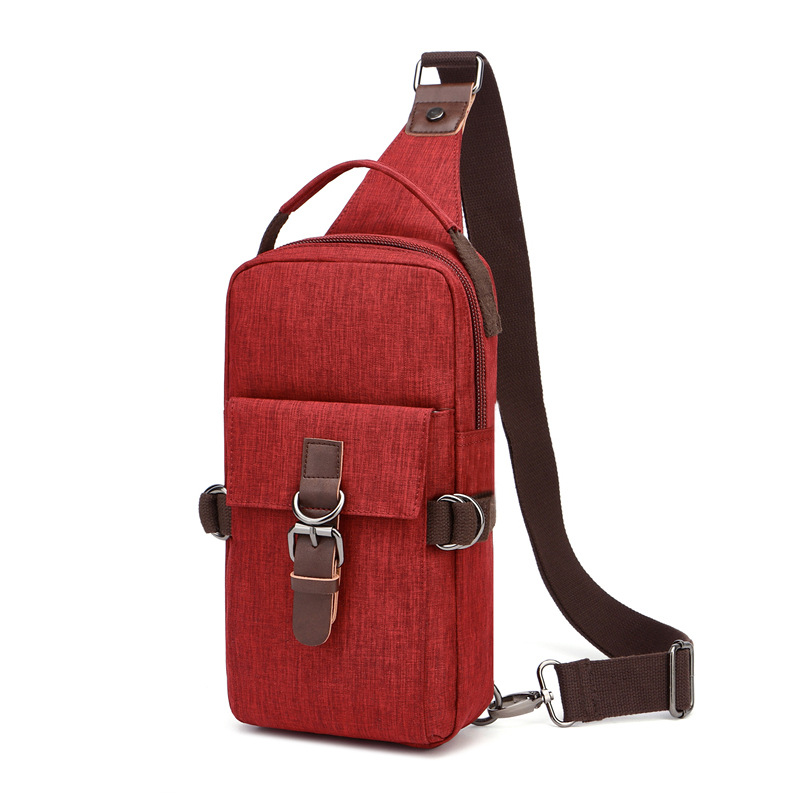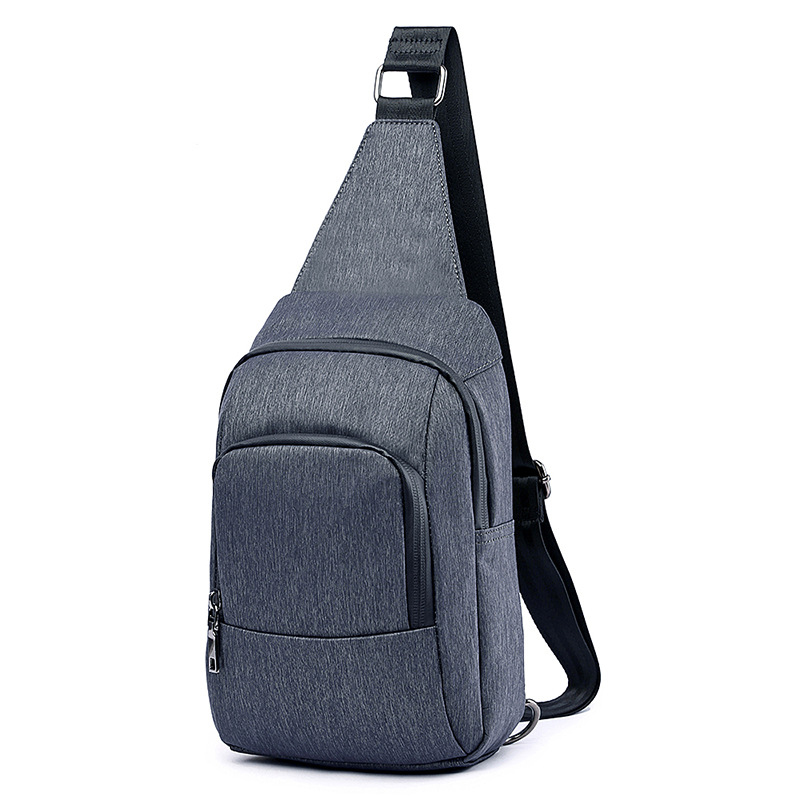
Messenger Bag Buying Guide: What Matters Before You Place an Order
A messenger bag looks simple from the outside, but buyers quickly learn that the details decide whether it becomes a daily carry staple or a closet orphan. For sourcing teams, retailers, and product developers, the real question is not just style. It is whether the bag carries comfortably, protects contents, survives repeated use, and fits the customer’s routine. The right messenger bag can cover commuting, light work carry, school use, and travel, but only if the build and feature set match the intended market.
That is why this category deserves a closer read before purchase. The same silhouette can show up as a sleek office option, a rugged tactical carry, or a compact casual piece. If you are comparing a sling bag against a more traditional shoulder-style design, the differences in strap angle, access, and storage layout matter more than the product photos suggest.
What a messenger bag does well
The messenger format is built around fast access. A flap, zipper, or hybrid closure keeps the main compartment reachable without fully removing the bag. That makes it useful for commuters, delivery personnel, students, and travelers who need to grab a phone, notebook, charger, or passport without setting everything down.
Compared with a backpack, the messenger bag often wins on convenience in tight spaces. Compared with a tote, it usually offers better organization and more secure closure. Compared with a crossbody sling bag, it tends to provide a larger footprint and more usable internal volume, though not always better load balance. That tradeoff is worth stating plainly because some buyers expect one bag style to do everything. It rarely does.
Common types and where they fit
Casual and commuter styles
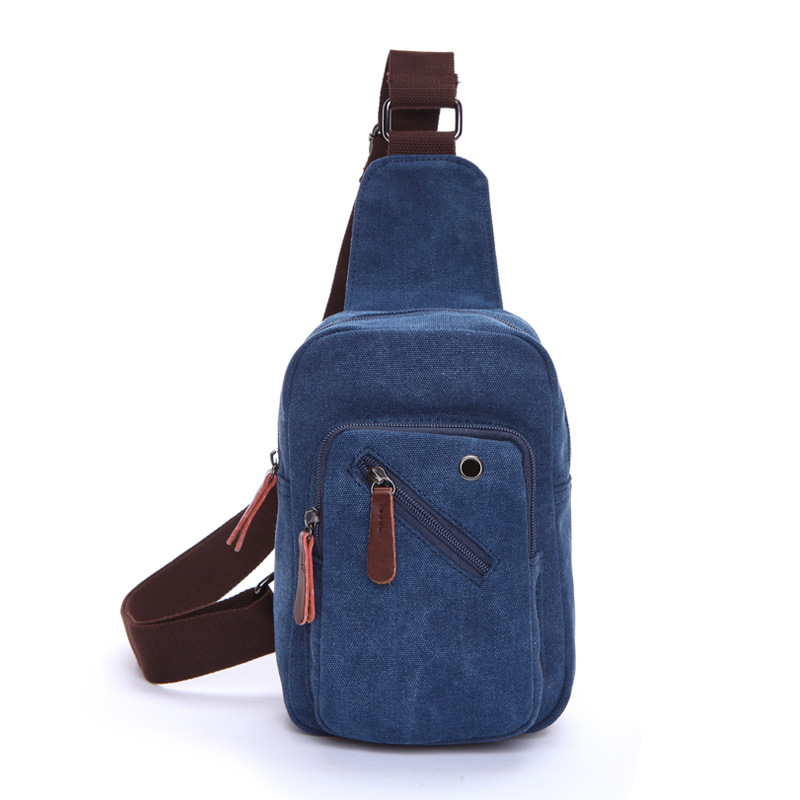
A casual sling bag or commuter messenger usually focuses on light daily carry. These versions often use a cleaner exterior, simpler pocketing, and softer structure. They suit urban users who want quick access without a bulky profile.
Travel-focused designs
A travel sling bag generally needs stronger organization. Buyers often look for padded compartments, passport storage, hidden pockets, and a strap that stays stable while walking through airports or train stations. If the target customer expects occasional day-trip use, this category is worth considering.
Weather-resistant options
A waterproof sling bag or water-resistant messenger bag is relevant in markets where rain, snow, or bike commuting are part of daily life. Here, the fabric choice, zipper treatment, and seam construction matter as much as the advertised finish. A bag may be described as “waterproof” in casual marketing, but sourcing teams should confirm exactly what that means in production terms.
Utility and tactical versions
A tactical sling bag usually targets buyers who want tougher materials, a more structured body, and modular attachment points. These products often emphasize durability and organization over minimalism. The style has a strong following, but it can look out of place in formal settings, so the channel matters.
Materials, construction, and the hidden cost of shortcuts
For any messenger bag, the fabric is only one part of the story. Stitch density, reinforcement at stress points, zipper quality, lining choice, and strap hardware all affect how long the bag keeps its shape and function. A well-finished shell with weak webbing stitching will fail at the shoulder first, which is exactly where customers notice failure fastest.
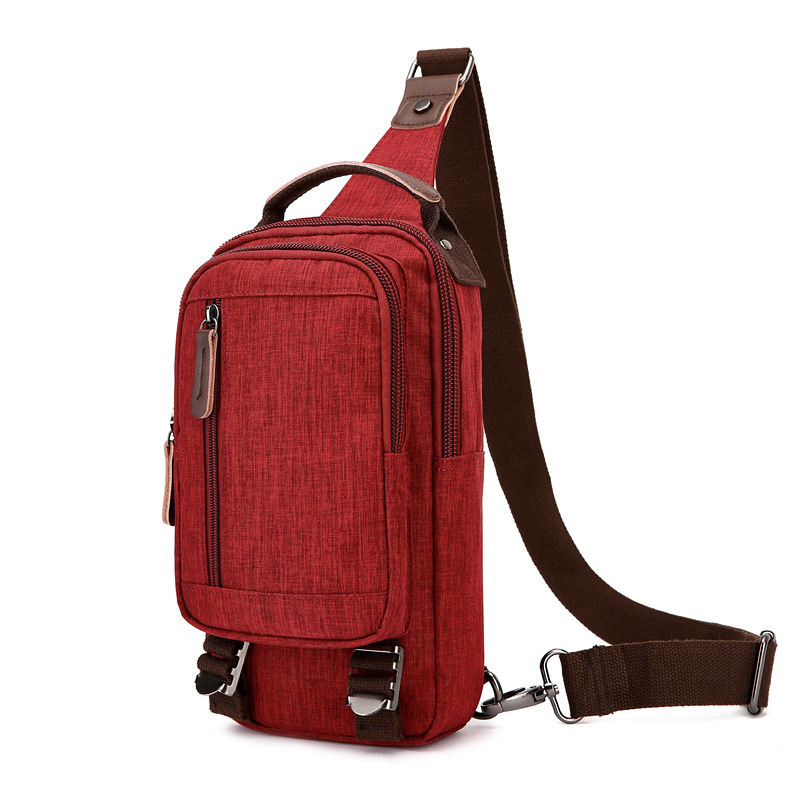
Buyers should pay close attention to strap design. A wide, padded strap can make a compact bag feel much lighter. A narrow strap may look tidy in photos but become uncomfortable once the load increases. This is especially important for a daypack sling bag carrying chargers, documents, a water bottle, or a small tablet.
Selection criteria for sourcing and product planning
If you are choosing a messenger bag for a range or private-label program, start with the end user. Office users want a neat profile and document protection. Outdoor-oriented customers may prioritize weather resistance and rugged materials. Travelers need security and easy access. Students usually want a balance of size, price, and pocket utility.
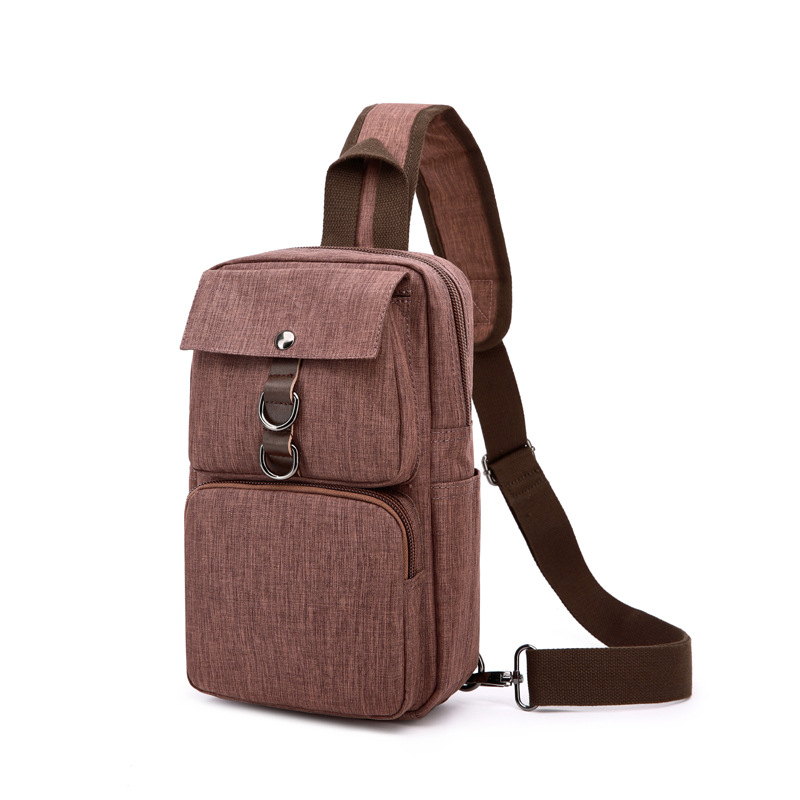
Also consider opening style. A flap closure can deliver a classic look and quick reach, but it may be less secure than a full-zip layout. Internal organization can help, but too many pockets make small bags awkward. Buyers sometimes over-spec compartment counts and end up with clutter instead of usability. That is a common mistake.
Practical buyer advice before sampling or ordering
When evaluating samples, look beyond appearance. Test the strap adjustment range, check whether the bag sits comfortably across the chest or hip, and examine how the bag behaves when partially loaded. A messenger bag that looks balanced empty can sag badly once filled. That may not be obvious in product photography, but customers will feel it immediately.
If you are comparing a sling bag with a traditional messenger silhouette, think about how the bag will be carried for more than ten minutes. Comfort under real use is where the category gets judged. The same goes for weather claims: if the bag is intended for commuting in wet conditions, ask how the fabric, closures, and seams are designed to handle exposure, not just splash resistance.
FAQ for buyers
Is a messenger bag good for everyday use?
Yes, if the size and strap design match the user’s carry load. Daily comfort depends on balance, not just capacity.
What is the difference between a messenger bag and a crossbody sling bag?
They overlap, but a messenger bag is often larger and more structured, while a crossbody sling bag is usually more compact and movement-friendly.
What should I prioritize first?
Start with carry purpose, then material, strap comfort, and organization. Style matters, but it should not outrank function in a manufacturing decision.
Next step
If you are developing or sourcing a messenger bag line, define the user scenario first: commuting, travel, tactical use, or casual carry. From there, the right construction choices become much easier to make, and the sample review becomes far more objective. That small shift in process usually saves time, and occasionally prevents an expensive mistake.