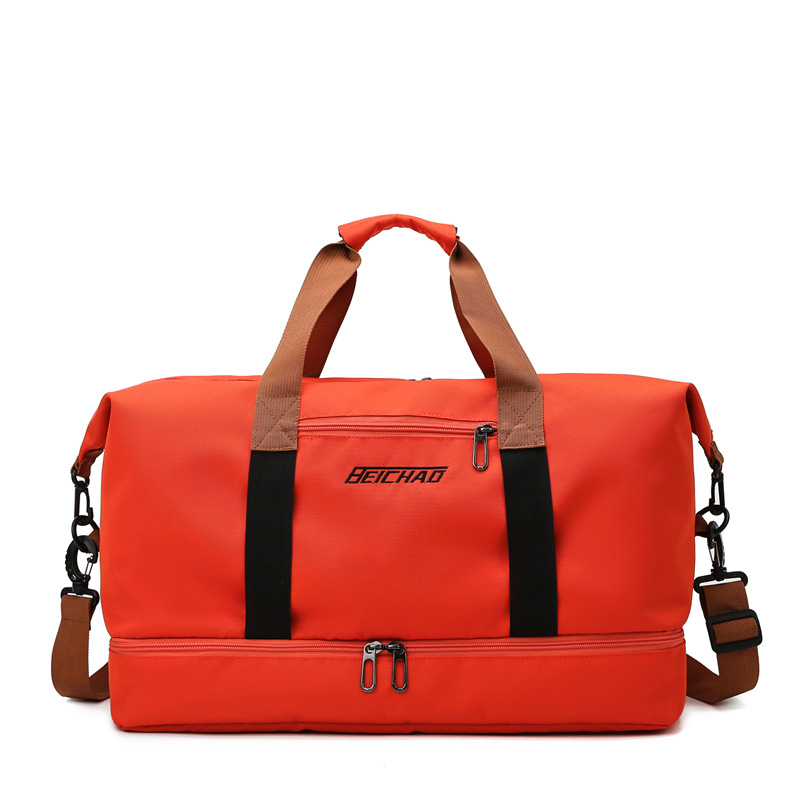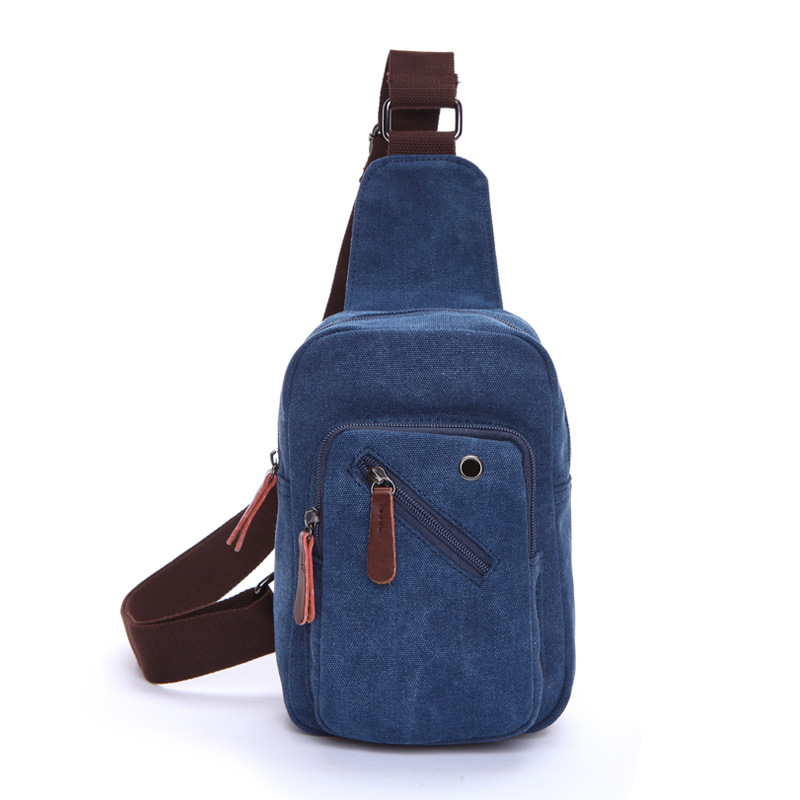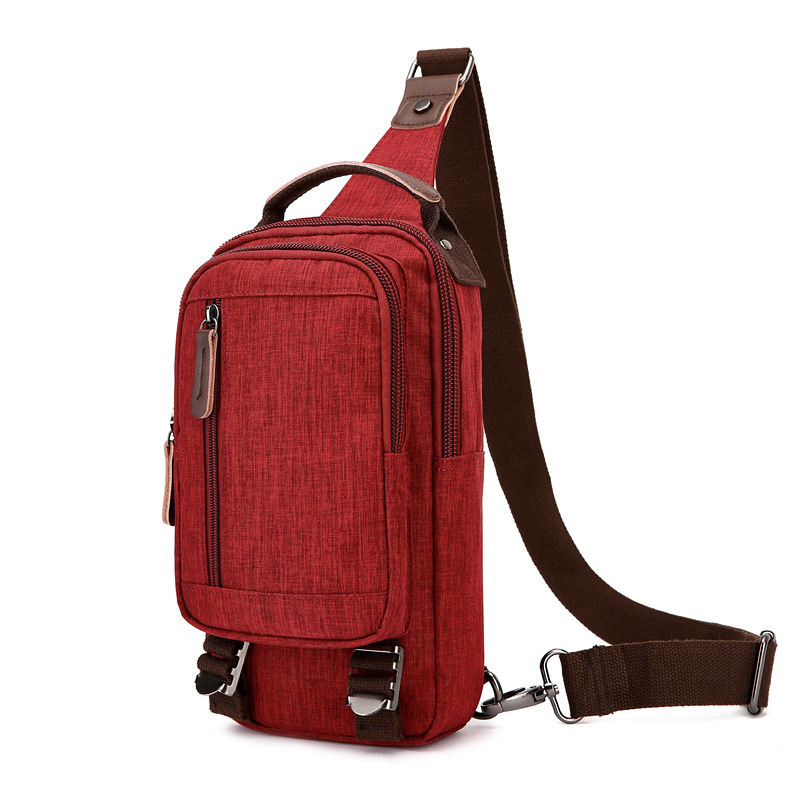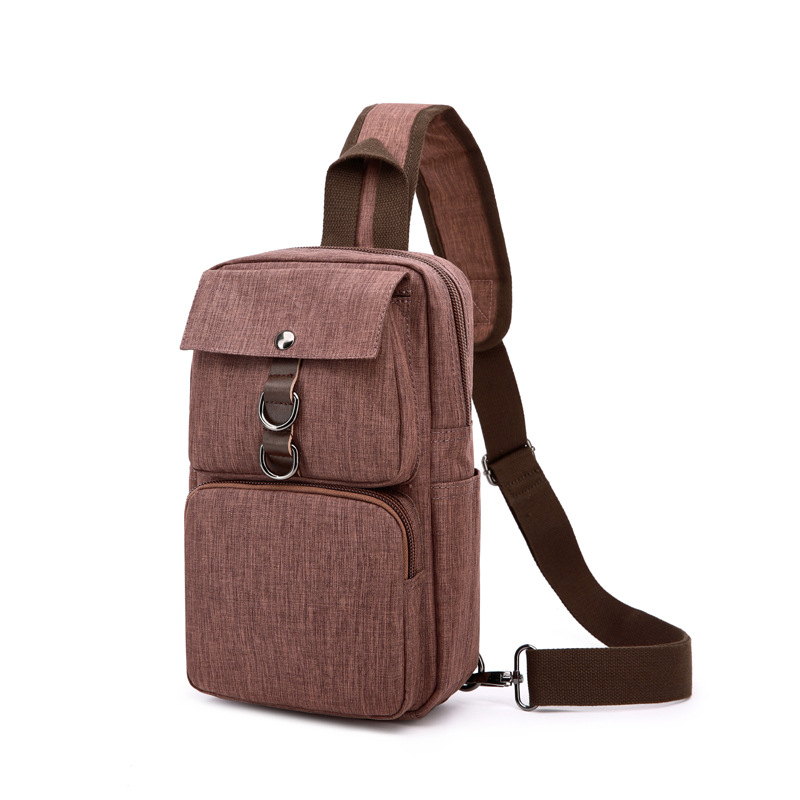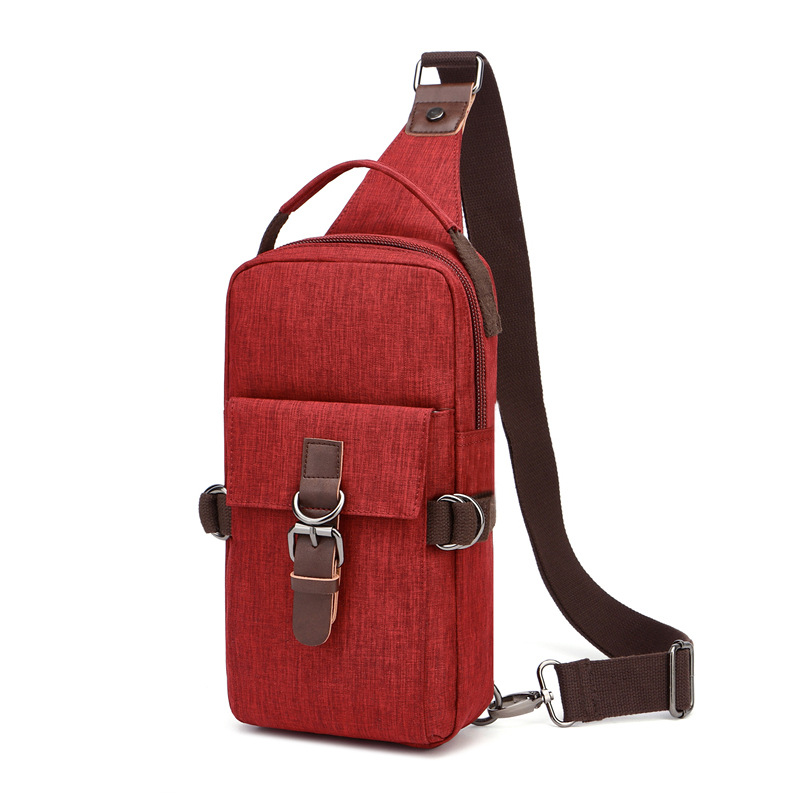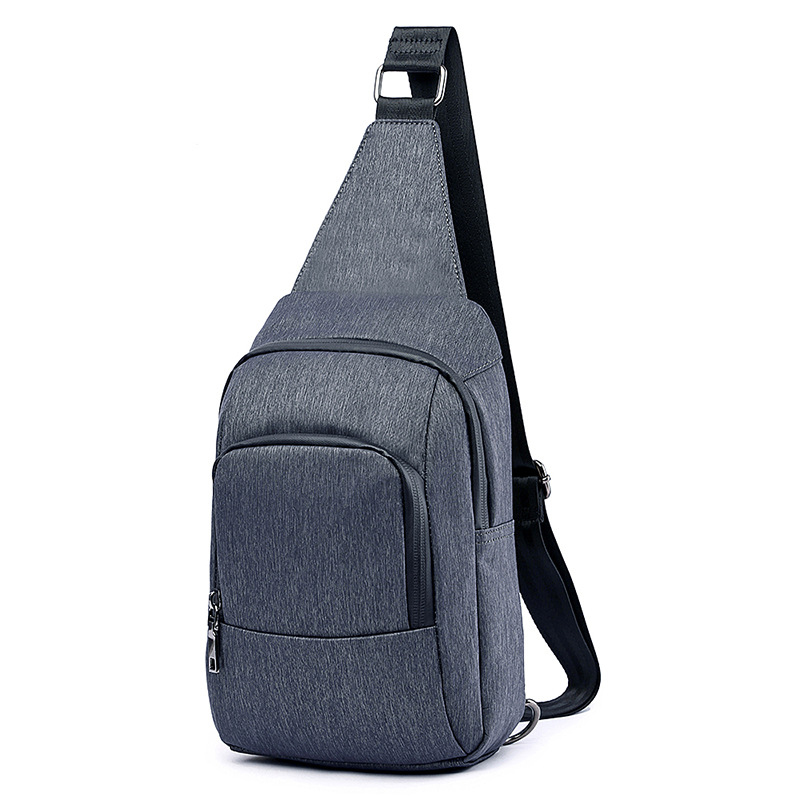
What a messenger bag is actually doing in a workday
A messenger bag is one of those products that looks simple until you ask it to carry real-world loads: a laptop, charger, notebook, water bottle, badge, phone, and the odd sample or document folder. For engineers, sourcing managers, and product teams, the question is not whether it has a shoulder strap. It is whether the bag supports daily carry without turning into a crushed, awkward, or short-lived accessory.
That matters because a bag is often part of a buyer’s first impression, but it is also a functional item that gets punished far more than most office products. Seams fail. Hardware twists. Flaps open at the wrong time. Padding that looked adequate on a spec sheet can feel flimsy once a laptop and power brick are inside. If you are comparing styles for a retail line, corporate program, or promotional order, the decision is really about use case, material choice, and construction quality.
Quick comparison: what buyers usually choose and why
A laptop messenger bag is the obvious choice when the main job is tech carry. It usually needs better padding, a structured sleeve, and a layout that protects devices without making the bag bulky. A business messenger bag leans cleaner and more formal, often with more restrained branding and a shape that looks acceptable in meetings.
A canvas messenger bag tends to suit casual carry, daily commuting, and softer styling. It is often selected when durability and a relaxed look matter more than polish. A leather messenger bag usually sits at the premium end, where appearance, hand feel, and perceived value drive the purchase. Then there is the waterproof messenger bag, which becomes relevant as soon as weather, field movement, or outdoor commuting enters the picture.
For buyers who care about style cues, a vintage messenger bag may be attractive because it can signal heritage or craft, while a casual messenger bag usually gives more freedom in color, trim, and pocket layout.
Material choice changes more than appearance
The outer shell sets the tone, but it also determines wear behavior. Canvas is commonly associated with a tougher, softer-bodied feel. It can work well for everyday carry, though buyers should look closely at coating, weave density, and reinforcements at stress points. If the fabric is too light, the bag may lose shape quickly.
Leather brings a different set of expectations. It can elevate the look of a messenger bag immediately, but it also adds weight and usually asks for more careful patterning and stitching. A leather bag that is not reinforced properly at the strap anchors can age badly, even if the exterior looks good on day one.
Water-resistant treatments or laminated constructions matter when the bag is expected to handle commuting in mixed weather. “Waterproof” is a strong word, and in practice buyers should verify what that means in the product context: splash resistance, coated fabric, sealed seams, or a more protective closure system. Those are not the same thing.
Construction details that separate a decent bag from a frustrating one
In this category, the details are not decorative. Stitching density, strap attachment points, zipper quality, flap geometry, and internal dividers all affect usability. A messenger bag that swings comfortably across the body should still sit close enough to avoid bouncing on transit stairs or bike rides. If the strap is thin or the hardware is underspecified, the bag may feel fine empty and miserable under load.
Pocket placement also deserves more attention than it usually gets. A good layout keeps small items easy to reach without forcing the user to unzip the whole bag every time. That becomes important in business settings, where a document pouch or laptop messenger bag is often opened repeatedly during one day.
How to select the right style for the end user
For office and travel use
Choose a business messenger bag when the product needs to work with formal clothing and repeated meetings. Clean lines, restrained trim, and enough internal organization to keep devices and papers separated tend to matter most.
For commuting and mixed carry
A waterproof messenger bag or a coated canvas version usually makes more sense if weather exposure is common. For urban commuters, the best design is often the one that opens quickly, closes securely, and does not become a floppy rectangle after a few months.
For style-led retail programs
A vintage messenger bag or leather messenger bag can carry stronger shelf appeal, but only if the construction supports the premium story. Buyers should be cautious about overinvesting in appearance while ignoring interior organization and strap comfort.
Common mistakes buyers still make
The biggest mistake is choosing by material alone. A handsome shell does not compensate for poor ergonomics. Another common issue is specifying a laptop messenger bag without checking actual device dimensions, sleeve depth, or closure clearance. A bag can technically fit a laptop and still feel awkward every day.
It is also easy to overlook load behavior. Messenger bags hang from one shoulder, which means weight distribution matters more than it does in a backpack. If the design is meant for heavy daily carry, the strap system should be part of the evaluation, not an afterthought.
Practical buyer advice before you place an order
Ask for construction samples or detailed spec sheets that show the bag’s internal layout, strap build, and reinforcement points. If your program involves branding, confirm where decoration can be applied without compromising function. For leather and canvas versions, check how the material ages, not just how it looks when new. A business messenger bag that scuffs gracefully may be acceptable; a bag that collapses or stains unpredictably is not.
For sourcing teams, it helps to define the use case in plain language: office carry, commuter bag, promotional item, premium retail SKU, or field-use accessory. Once that is clear, material and feature choices become easier to narrow down, and the product team can avoid compromise-driven designs that satisfy no one.
FAQ: a few questions that come up early
Is a messenger bag good for laptops? Yes, if it is designed as a laptop messenger bag with enough padding and a secure sleeve.
Is canvas better than leather? Not always. Canvas is often lighter and more casual; leather usually delivers a more formal, premium presentation.
What matters most for weather protection? Fabric treatment, closure design, and seam construction matter more than the marketing term on the tag.
What to do next
If you are building a product line or sourcing for a specific user group, define the carry profile first, then choose the shell, strap system, and interior layout around it. That approach saves time, reduces mismatched specs, and usually produces a messenger bag people actually keep using.