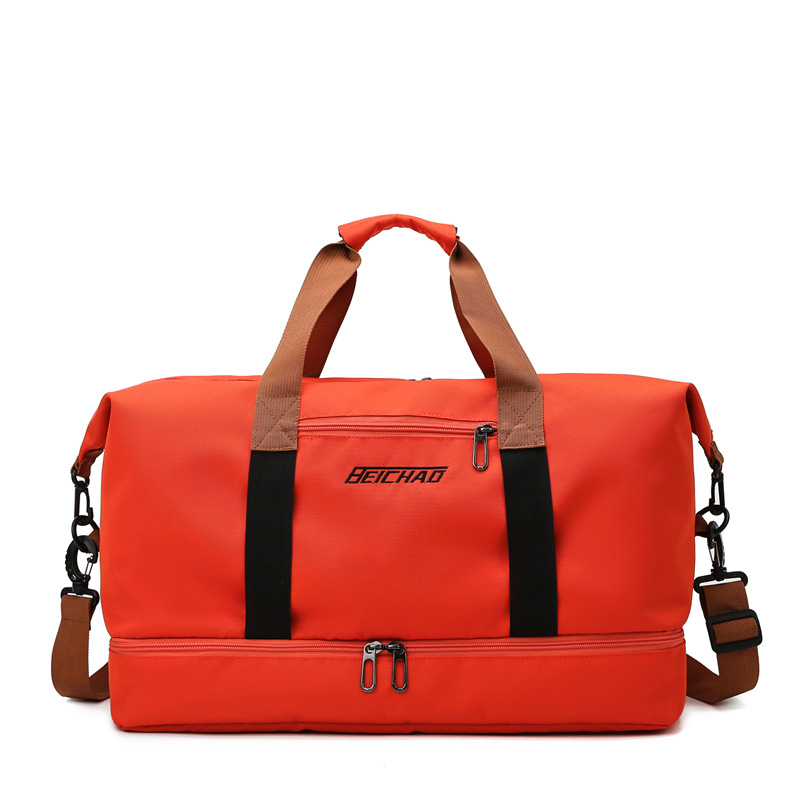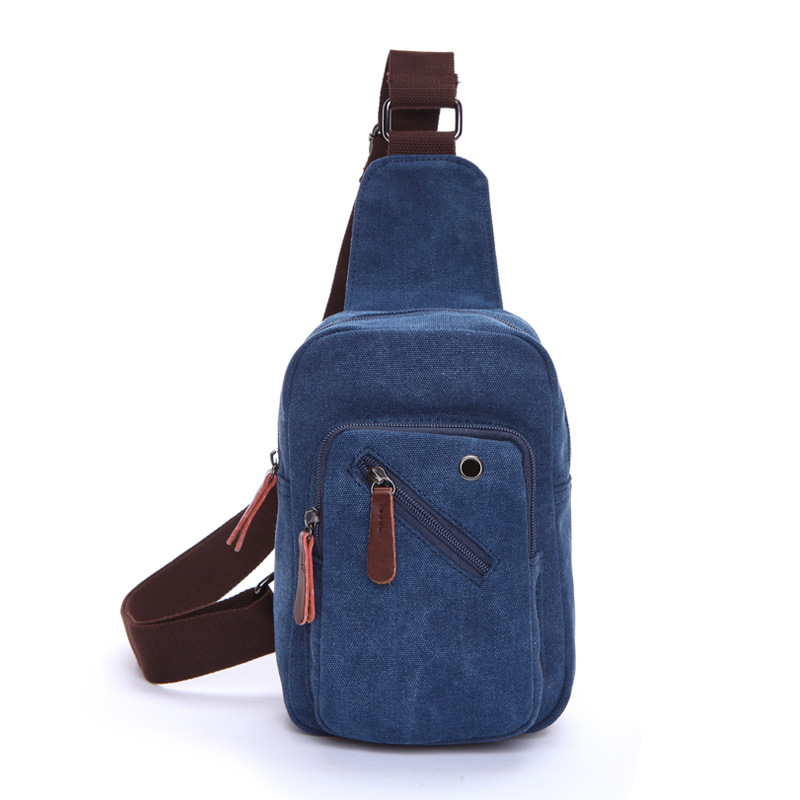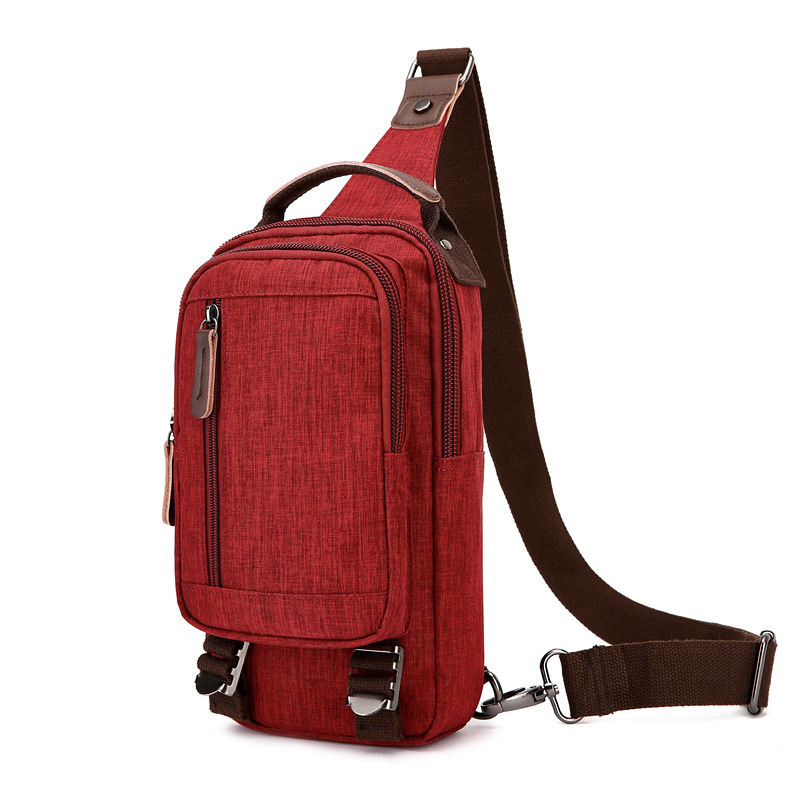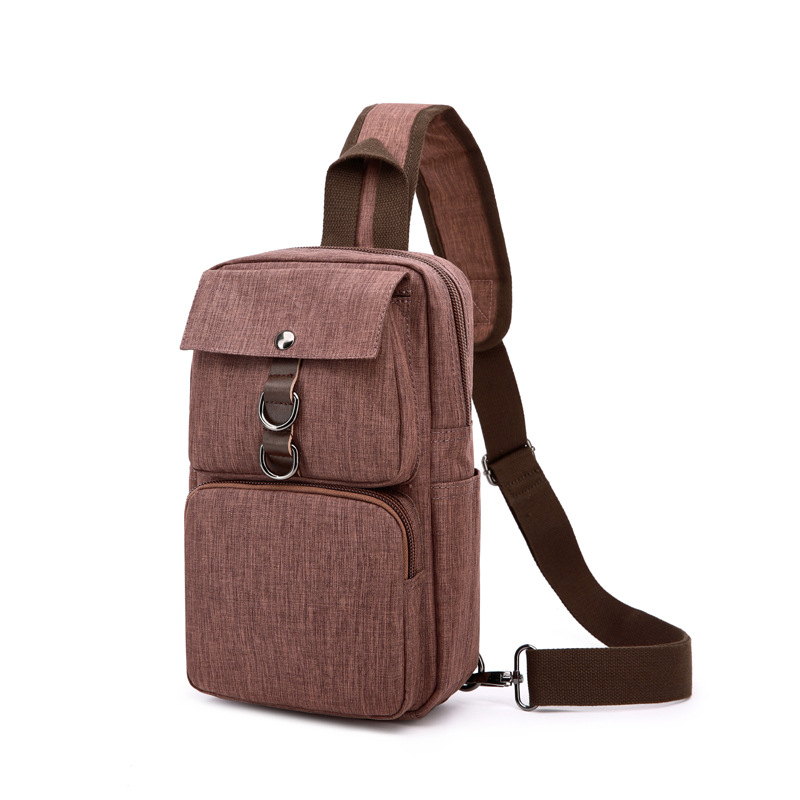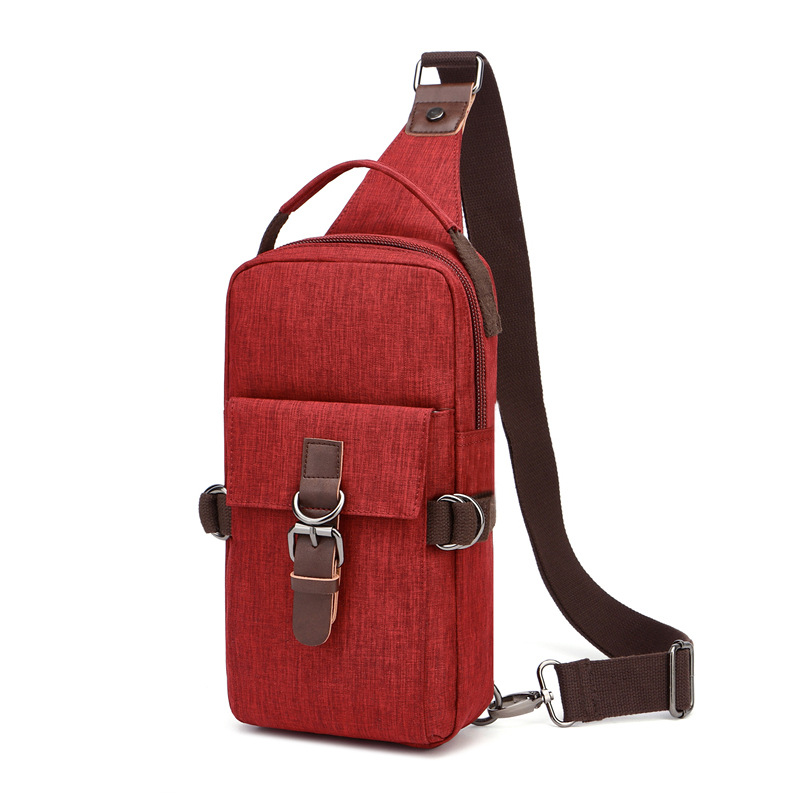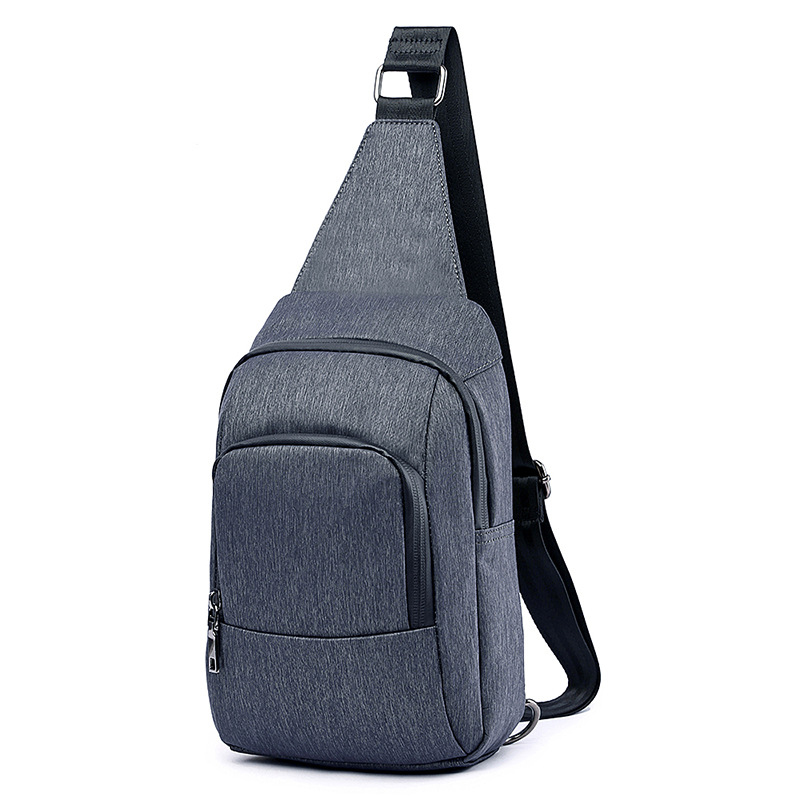
What Buyers Really Mean When They Ask for a Messenger Bag
A messenger bag sounds simple until you start sourcing one. A buyer may say they need a messenger bag, but the real question is usually about capacity, material, closure style, and how the bag will be carried every day. For procurement teams, retailers, and private-label brands, that is where the project either becomes straightforward or starts drifting into mismatch territory.
The category sits between a casual carryall and a more structured work bag. That makes it popular with commuters, students, field staff, and brand programs that want something practical without looking overly technical. The challenge is that the same silhouette can be built in many ways: a canvas messenger bag for a heritage look, a leather messenger bag for a more formal market, or a nylon messenger bag when weight and weather resistance matter more than appearance.
Key Takeaways Before You Compare Styles
If you are choosing a messenger bag for sourcing, the first decision is not color or branding. It is use case. A buyer serving office commuters will care about laptop fit, comfort, and appearance. A buyer for outdoor sales teams may value a waterproof messenger bag more than soft hand-feel. A lifestyle retailer, meanwhile, may want the visual appeal of a vintage messenger bag even if it sacrifices some technical performance.
Size matters as much as fabric. A large messenger bag can swallow documents, chargers, and a laptop, but it may feel bulky on public transport. A small messenger bag is lighter and easier to carry, yet it can frustrate users if they regularly move paper files or larger devices. That trade-off sounds obvious, but it is one of the most common reasons buyers end up with inventory that looks right and sells slowly.
Material Choices and What They Change in Use
Canvas
A canvas messenger bag tends to signal durability and a more relaxed, everyday aesthetic. Canvas works well for lifestyle lines and casual workwear. It can take prints and patches well, which is useful for promotional programs or branded retail. The caution is that untreated canvas may not handle rain well, so buyers should ask how the material is finished and whether water resistance is built into the construction or simply implied by the marketing copy.
Leather
A leather messenger bag usually sits in a higher perceived-value bracket. It is often chosen for office use, executive gifting, or collections meant to look polished over time. Leather can age well, but it also introduces concerns around weight, care, and consistency of grain or finish. For sourcing, that means sample approval matters more than usual. Two bags can look similar in photos and still differ sharply in hand-feel and stiffness.
Nylon
A nylon messenger bag is often the most practical option when buyers want lower weight and easier cleaning. Nylon is common in commuter and travel-oriented products because it can balance flexibility with decent abrasion performance, depending on the construction. It also tends to be easier to pair with zippers, padded compartments, and pockets designed for modern devices.
Where Buyers Go Wrong
The most common mistake is treating all messenger bag products as if they serve the same market. A retail buyer wanting a vintage messenger bag is not asking for the same thing as a corporate buyer looking for a durable employee issue item. The visual language may overlap, but the value proposition is different.
Another mistake is overlooking hardware. Buckles, buckled flaps, shoulder straps, and zipper quality can change the whole experience. A bag that looks refined in a line sheet can feel awkward in daily use if the strap slips, the flap is slow to open, or the interior layout wastes space. Small irritations are exactly what end users remember.
Selection Criteria That Actually Help
When comparing options, buyers should work through a short list: intended load, carry time, appearance target, and cleaning requirements. That is usually enough to separate a fashionable product from a usable one. If the bag is meant for commuting, comfort and access matter. If it is meant for promotional branding, print area and unit economics matter more. If it is meant for premium retail, finish consistency and material character become the deciding factors.
It also helps to define the size range early. A large messenger bag may sound safer because it covers more use cases, but overcapacity can make a product feel heavy even when it is empty. On the other hand, a small messenger bag can be elegant and convenient, but only if the buyer is certain the end user does not need bulk storage.
Practical Buyer Advice for Sourcing Teams
Ask for photos of the internal organization, not just the exterior. Request close-ups of seams, strap joins, zipper ends, and flap closures. If the bag is meant to be water resistant, clarify whether that means coated fabric, water-repellent treatment, or simply a closed design. Those are not the same thing, and the distinction matters once the product reaches real users.
For branded programs, consider how the logo will interact with the material. A canvas messenger bag may take decoration differently from a leather messenger bag or nylon messenger bag. That affects both the look and the production method. If the artwork is important, sample it early instead of discovering too late that the logo placement fights the pocket layout.
FAQ
What is the best material for everyday commuting? For many buyers, nylon offers the most balanced mix of light weight, practicality, and cleaning ease. Still, a well-made canvas option can be attractive if the audience values style as much as utility.
Is a leather bag always more premium? Not always. Premium depends on construction, finish, and market position. Leather often carries a premium image, but a poorly made leather messenger bag can feel less impressive than a well-executed nylon alternative.
Should buyers choose one size for all users? Usually not. A product line often works better when it includes a small messenger bag for light carry and a large messenger bag for people who move a laptop, notebook, and accessories every day.
Choosing the Right Path for Your Product Line
If your customer values style first, a vintage messenger bag or leather messenger bag may fit the brief. If the use case is daily commuting, a nylon messenger bag may be easier to live with. If you are building a retail collection with broad appeal, canvas is often the middle ground. The best decision is the one that matches how the bag will actually be used, not just how it looks in a catalog.
For sourcing teams, the next step is simple: define the use case, lock the size, confirm the material finish, and review samples under real-world conditions. That approach saves more time than chasing a perfect product shot ever will.