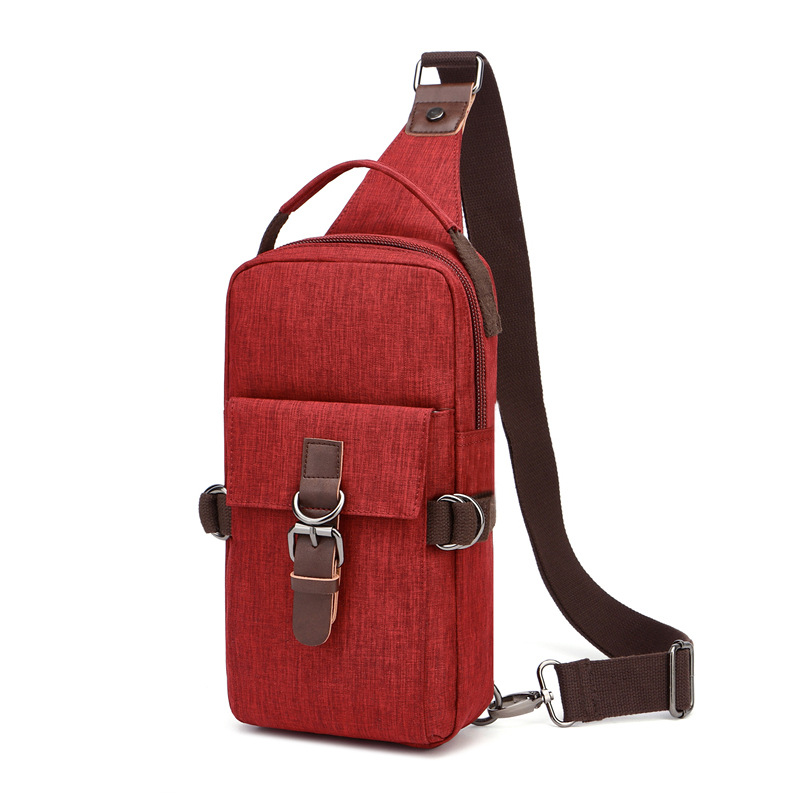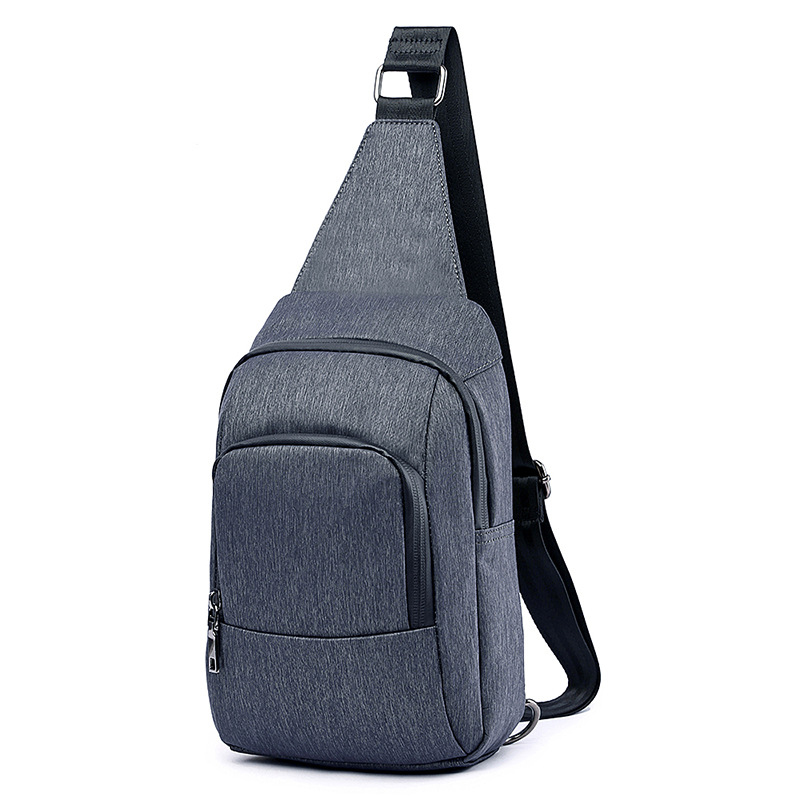
What Buyers Really Mean When They Ask for a Messenger Bag
A messenger bag sounds simple until you have to source one for a retail line, a corporate gift program, or a private-label collection. Then the questions start piling up: should it feel polished or casual, should it hold a laptop, how much structure is enough, and which material will age well without looking tired after a few months?
That is the real buying problem. A messenger bag is not just a carry item; it is a working object that has to balance access, comfort, durability, and style. Engineers and sourcing teams often look first at dimensions and fabric, but the better decision usually comes from understanding use case. The bag that works for a commuter may frustrate a field rep. The model that looks sharp in a sales deck may sag when loaded with a charger, notebook, and water bottle.
Quick Buyer Takeaways
If you need a fast frame of reference, start with the contents and the user’s routine.
A business messenger bag usually benefits from a cleaner profile, reinforced laptop storage, and easy access to small items. A travel messenger bag needs more forgiving space, a secure closure, and a strap that stays comfortable over longer carry periods. A vintage messenger bag may be chosen more for appearance and brand character than for maximum technical performance, which is fine as long as expectations are aligned early.
Material choice matters just as much. A leather messenger bag can project a more premium look, but it tends to demand careful material selection and finishing consistency. A canvas messenger bag often gives buyers a rugged, casual profile and can be easier to style across lifestyle collections. A nylon messenger bag is commonly selected where light weight, abrasion resistance, and low-maintenance care are priorities.
Material Choices and What They Signal
Leather: premium appearance, heavier responsibility
Leather is usually chosen when presentation matters as much as function. It can elevate a bag visually, which is why it shows up often in office and executive ranges. The trade-off is that leather can add weight, and inconsistent hides or finishing can create visible variation. For buyers, that means more attention to batch matching and surface appearance. It is a category where a sample can look impressive, but repeatability across production deserves close review.
Canvas: familiar, versatile, and easier to brand
Canvas remains popular because it has a straightforward, honest look. It fits casual workwear, campus products, and heritage-inspired assortments. A canvas messenger bag can also take printing, patches, or label treatments well, which helps brand teams who want a more expressive product. One practical caution: not all canvas is equal. Buyers should ask about weave density, coating, and how the fabric handles moisture, especially if the bag will be used in commutes or light travel.
Nylon: lightweight and utility-driven
A nylon messenger bag usually makes sense when the buyer wants lighter carry weight and a more technical look. It is often a practical choice for daily commuting and travel-oriented collections. Nylon constructions can vary widely, so the details matter: zipper quality, lining, strap hardware, and reinforcement at stress points often determine whether the bag feels dependable or merely disposable.
Design Features That Change the User Experience
For a laptop messenger bag, the internal layout is not a decorative detail; it is the product. Padding, pocket placement, and closure design all affect whether the bag protects electronics while still staying easy to use. If the laptop sleeve is too tight, users fight it every day. If it is too loose, the bag feels careless. Neither outcome helps the brand.
Strap construction deserves more attention than it usually gets. A messenger bag lives or dies by how it carries across the body. Wide straps spread load better, but they also have to be adjustable and stable under movement. Hardware that twists, slides, or wears quickly can turn a good design into a complaint generator. Small engineering choices here often matter more than a slightly different pocket count.
Closure style also sends a message. Buckles can feel classic and secure, though they may slow access. Magnetic snaps are convenient but need to be used carefully if the bag is meant for heavier or more mobile use. Zippers improve security, but they can also change the silhouette and manufacturing complexity.
How Buyers Should Evaluate a Messenger Bag Range
Start with the user profile, then move to construction. Ask what the bag is expected to carry every day, how far it will be carried, and whether it needs to transition from commute to meeting room without looking out of place. That will quickly narrow the field between casual, technical, and premium styles.
After that, review the bag as a system: shell material, lining, strap, hardware, and pocket design should all support the same use case. A stylish outer fabric cannot compensate for weak stitching at the strap anchor. Likewise, overbuilding a bag intended for light office use can make it feel stiff and awkward.
Brand teams also need to think about assortment logic. A single product line may include a leather messenger bag for higher-end buyers, a canvas version for casual lifestyle customers, and a nylon version for practical everyday use. That is often more effective than forcing one design to serve every segment.
Common Mistakes That Show Up Late
One common mistake is choosing the bag by appearance alone. Another is specifying too many features and ending up with a crowded front panel, heavy hardware, and poor usability. A third is underestimating how much the load changes the shape of the bag. What looks neat empty may slump badly when filled.
Buyers should also be cautious about overpromising versatility. Not every messenger bag can be a commuter bag, a travel bag, and a business bag at once. In practice, the most successful products usually have a clear primary use and a few supporting features rather than a long list of compromises.
FAQ for Sourcing Teams
Which material is easiest to position?
Canvas is often the most flexible for casual branding, while nylon is useful for utility-led collections. Leather is usually the clearest choice for a premium position, assuming the material and finishing are consistent.
What should I prioritize for laptop carry?
Focus on padding, fit, and strap comfort. A laptop messenger bag should protect the device without making the bag cumbersome.
Is vintage style just a look?
Mostly, yes. A vintage messenger bag usually refers to the visual language and detailing, not a separate functional category. The buyer still needs to verify structure, load behavior, and materials.
What to Ask Before You Place an Order
Before committing to a style, ask for material specifications, reinforcement details, sample photos of stress points, and clarity on pocket dimensions. If the bag is intended for business use, request confirmation that the interior layout matches the intended laptop size and accessory load. If it is meant for travel, test the strap and closure under real carry conditions rather than relying on flat lay photos.
The best messenger bag for your program is usually the one that matches the user’s day, not the one with the most features. That may sound obvious, but it is where many product decisions go wrong.
If you are building a range, start by defining the use case first and then compare material and construction options against it. That approach keeps the product honest and makes the final assortment easier to sell.