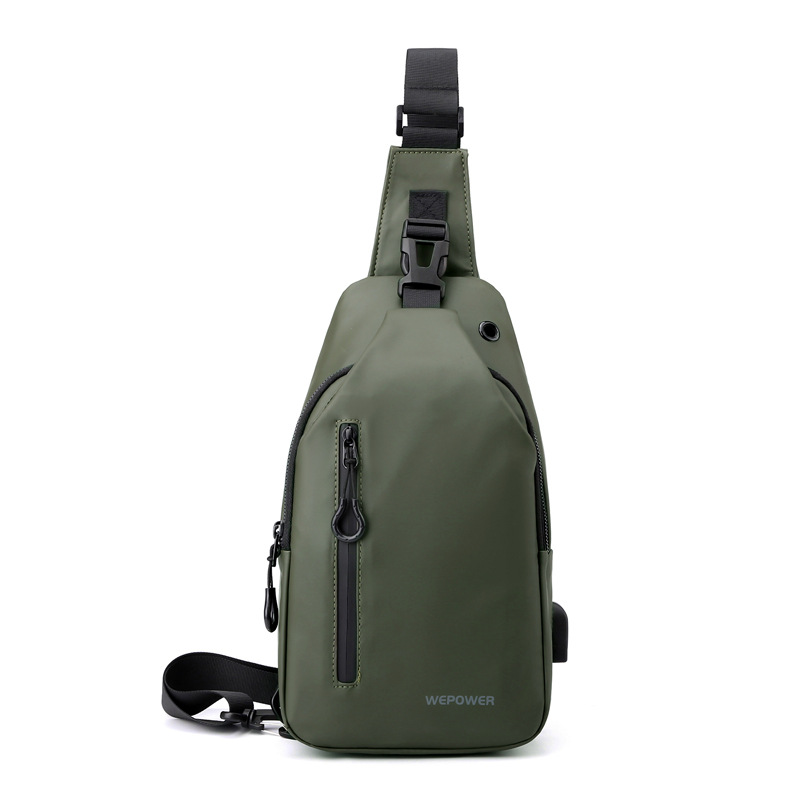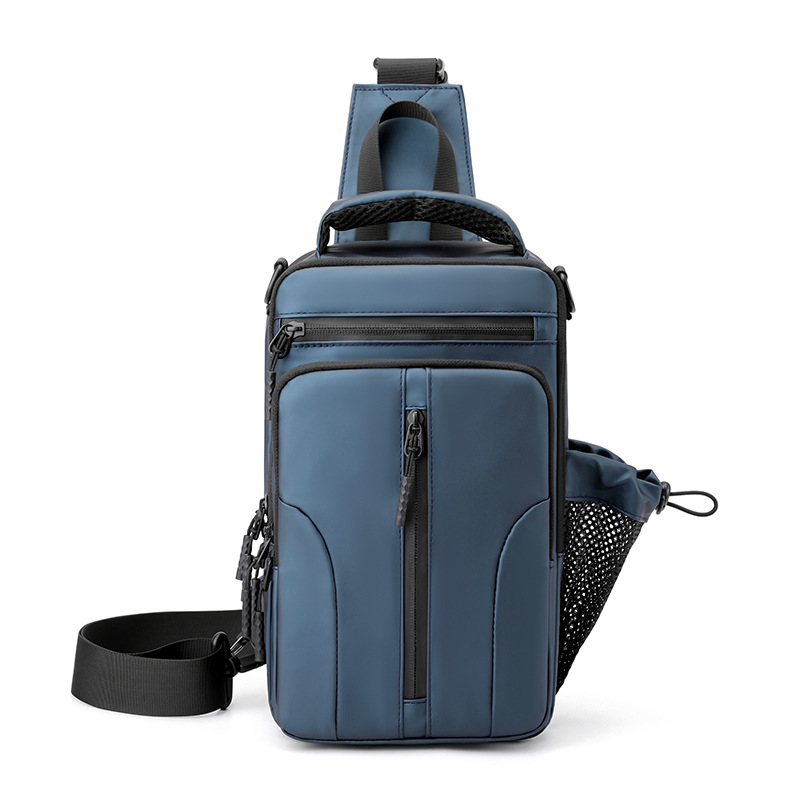
Why the sling bag has become a practical product category
A sling bag sits in a useful middle ground: lighter than a full shoulder bag, easier to carry than a messenger bag, and often more secure than a loose tote. For buyers, the category matters because it is not just a style choice. It affects how people move through a commute, carry a phone and wallet, or keep a few daily items close without committing to a larger pack. That is why a good sling bag is usually judged on fit, access, strap comfort, and how well the bag holds its shape after real use.
For sourcing teams and product planners, the real question is not whether the format is popular. It is which build makes sense for the target user. A compact city version, a travel-ready version, and a fashion-led version may all be called the same thing, but they will fail or succeed for very different reasons.
Sling bag versus other common carry formats
In the market, a sling bag often overlaps with a crossbody bag, and sometimes buyers use the terms interchangeably. That is not a problem unless the product brief is vague. A crossbody bag usually emphasizes the wearing position across the body, while a sling bag often suggests a single-strap format worn close to the torso and swung forward for access. A shoulder bag tends to hang differently and may not be as stable in movement. A messenger bag usually carries more structure and volume, which is useful for documents or devices, but it can feel oversized for everyday carry.
The best choice depends on what the user is carrying. If the bag needs to hold a phone, keys, transit card, and a small wallet, a small sling bag is often enough. If the user expects a notebook, charger, and a larger tablet, the brief changes fast and the design has to grow with it. This is where many product teams miss the mark: they design for the look of the category instead of the load the buyer actually carries.
Materials and construction details that matter
Most buyers focus on fabric first, but stitching, zipper quality, strap hardware, and lining deserve equal attention. A casual sling bag can look refined in a showroom and still disappoint after a few weeks if the strap anchor points are weak or the zipper pulls are too small to use comfortably. That kind of failure is not dramatic, but it is expensive in returns and complaints.
Fabric choices
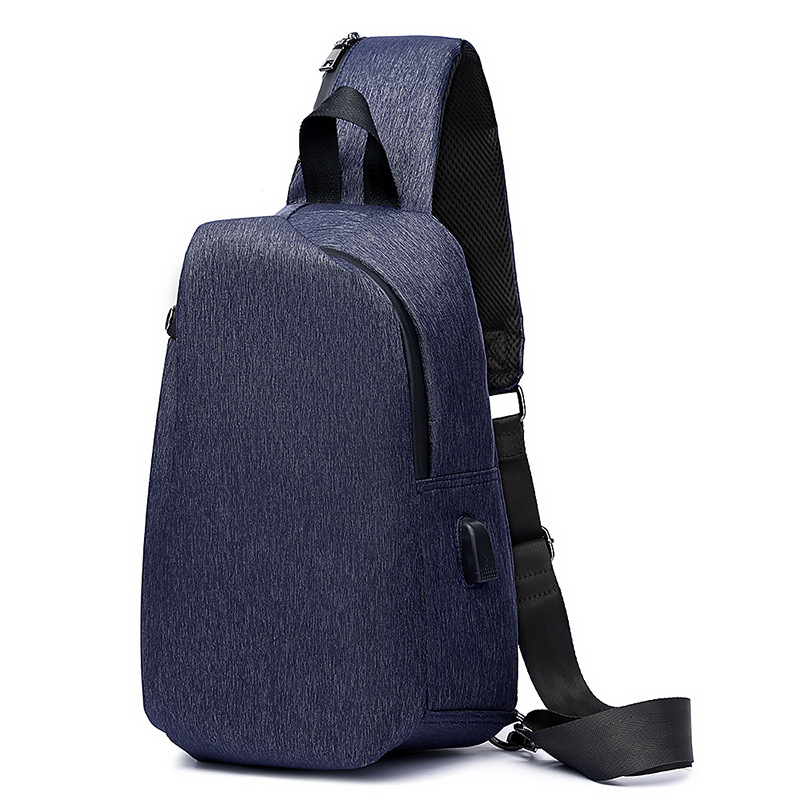
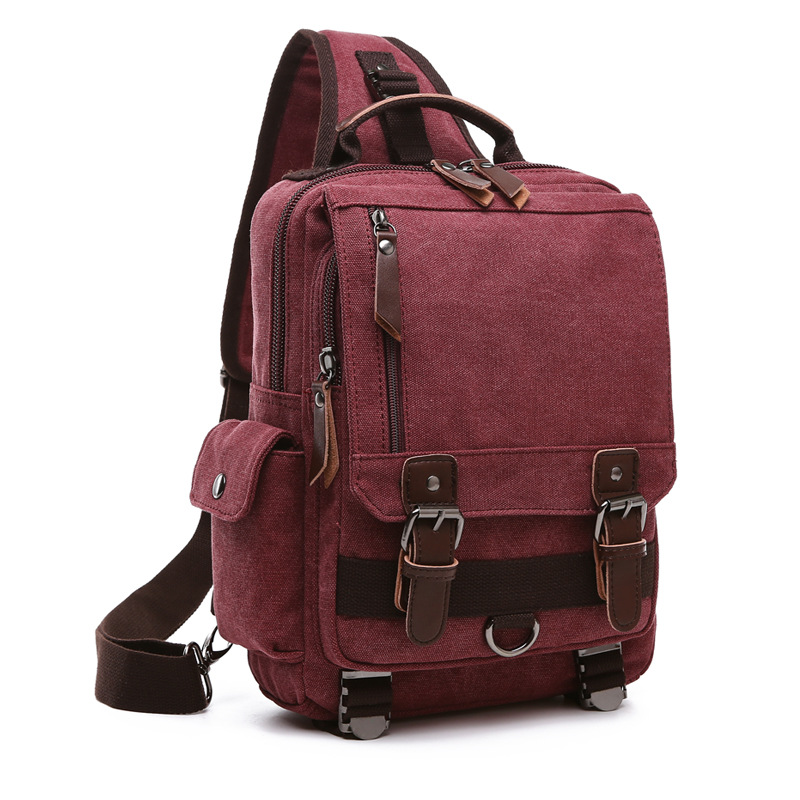
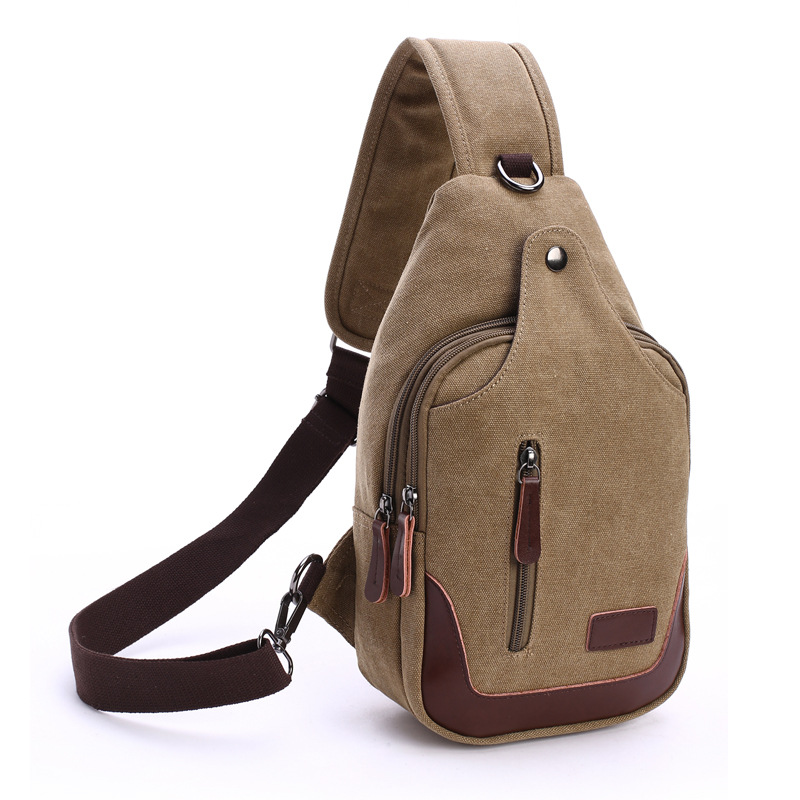
Nylon and polyester are common because they are relatively light, adaptable, and easier to build into a clean silhouette. Canvas can give a more relaxed, everyday appearance, which is why it shows up often in a women's sling bag or a lifestyle-focused men's sling bag. Synthetic leather is used when the product brief leans toward fashion rather than utility, though buyers should pay attention to flexing and edge wear. The right material depends on whether the bag is meant to look technical, casual, or polished.
Hardware and closure system
Zippers should open smoothly without snagging at the curve of the bag. Buckles and adjusters need to hold under repeated movement, because a sling bag is worn while walking, biking, or moving through transit. Magnetic closures can look neat, but they are not always the safest choice for pockets that carry valuables. This is a small point until the first customer drops a phone because the flap opened too easily.
Design features buyers should specify early
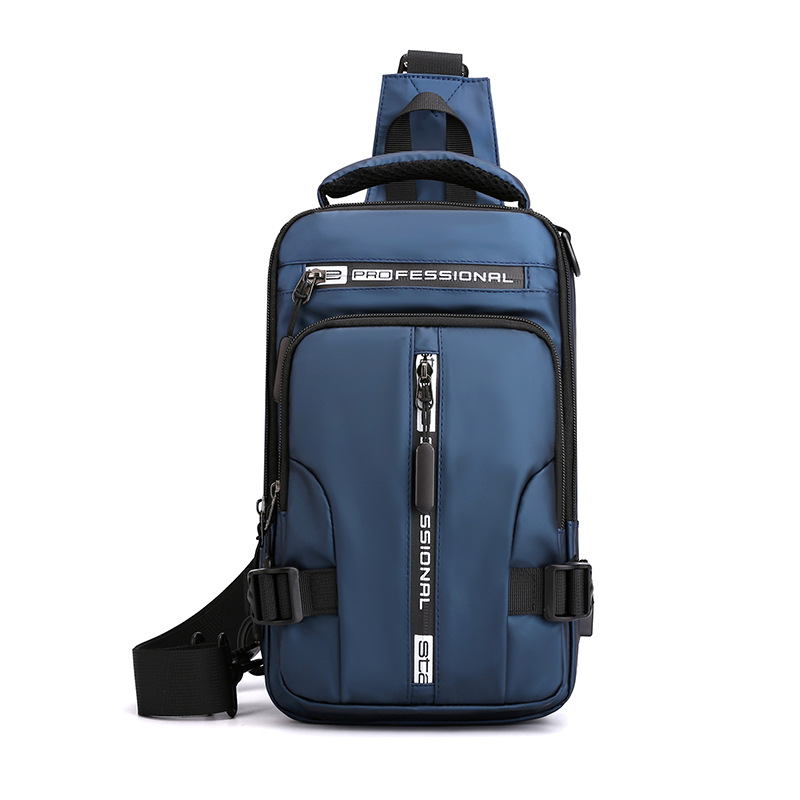
Before sampling starts, the product team should decide what kind of user behavior the bag is supposed to support. Does it need quick front access? Hidden storage? A rear anti-theft pocket? A padded compartment for a compact device? These questions shape the build in ways that cannot be fixed later with trim changes.
Strap width and adjustability are especially important. A narrow strap can look sleek on a small sling bag, but it may become uncomfortable once the bag is loaded. A wider strap may feel more stable, though it can change the visual balance of the product. If the bag is positioned as a men's sling bag, the silhouette is often more compact and technical. If it is positioned as a women's sling bag, the market may respond better to softer curves, lighter visual weight, or more considered color treatment. Those are broad tendencies, not rules, and they should be tested rather than assumed.
Common mistakes in development and sourcing
The first mistake is overbuilding the bag. A sling bag does not need heavy construction everywhere, and too much padding can make it bulky without improving function. The second mistake is underestimating pocket logic. Buyers want separation, but they do not want to dig for every item. The third mistake is treating style and utility as separate lanes. In this category, they are connected.
Another frequent issue is failing to define the carry load. If the bag is intended as a travel accessory, that should be clear from the start. If it is meant as a casual sling bag for everyday errands, overengineering it will only raise cost and weight. Product teams sometimes try to make one style cover every use case, and the result is a bag that is fine at nothing in particular.
How to evaluate a sling bag before launch
Buyers should review the bag in motion, not just on a table. Put weight in it. Swing it to the front. Check whether the zipper can be opened one-handed. Test whether the strap remains comfortable after some walking. If the product relies on a clean shape, look at how the body stands when half full instead of fully packed. This is where weak patterns become obvious.
It also helps to compare the proposed model against the intended use case. A crossbody bag may fit a more fashion-led shopper, while a messenger bag may suit someone carrying work items. A shoulder bag can still win in some markets, but it may not deliver the same close-to-body feel that makes the sling format appealing in the first place.
Practical advice for product teams and buyers
If you are planning a sling bag line, start with one clear consumer profile and build around that. Avoid vague “unisex” language unless the design really supports it. Keep the pattern simple enough to manufacture consistently, but do not remove the small details that make the bag feel dependable. Pockets, strap adjustment, lining, and access points are the quiet features that shape the user’s opinion.
For a sourcing decision, the most useful question is often the least glamorous one: what problem is this bag solving? If the answer is everyday carry, the bag should be easy, light, and quick to use. If the answer is urban commuting, security and comfort matter more. If the answer is fashion positioning, the surface finish and proportions carry more weight than extra compartments.
FAQ: quick answers for buyers
Is a sling bag the same as a crossbody bag?
Not always. They overlap, but a sling bag often emphasizes a compact, body-close wear style and quick front access.
What size works best?
That depends on the load. A small sling bag is fine for essentials, but once the carry list grows, the design needs more capacity and structure.
Which style sells better, casual or structured?
It depends on the market. A casual sling bag often works well for everyday use, while a more structured build can suit commuting or travel-focused buyers.
If you are developing or sourcing this category, the next step is to define the user, the carry load, and the visual position before you commit to materials or hardware. That saves time in sampling, and it usually leads to a better product on the shelf.