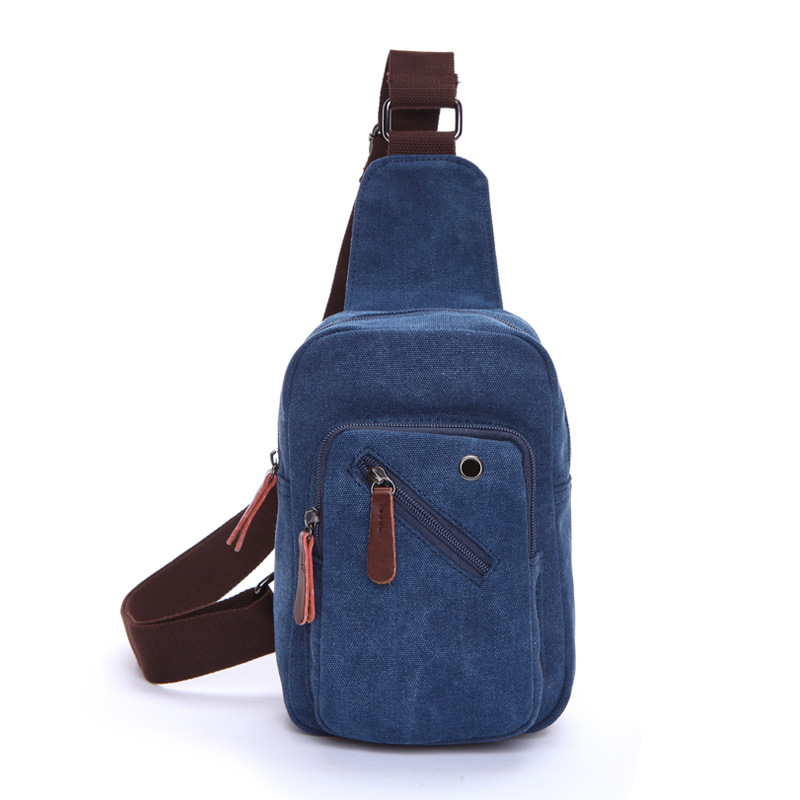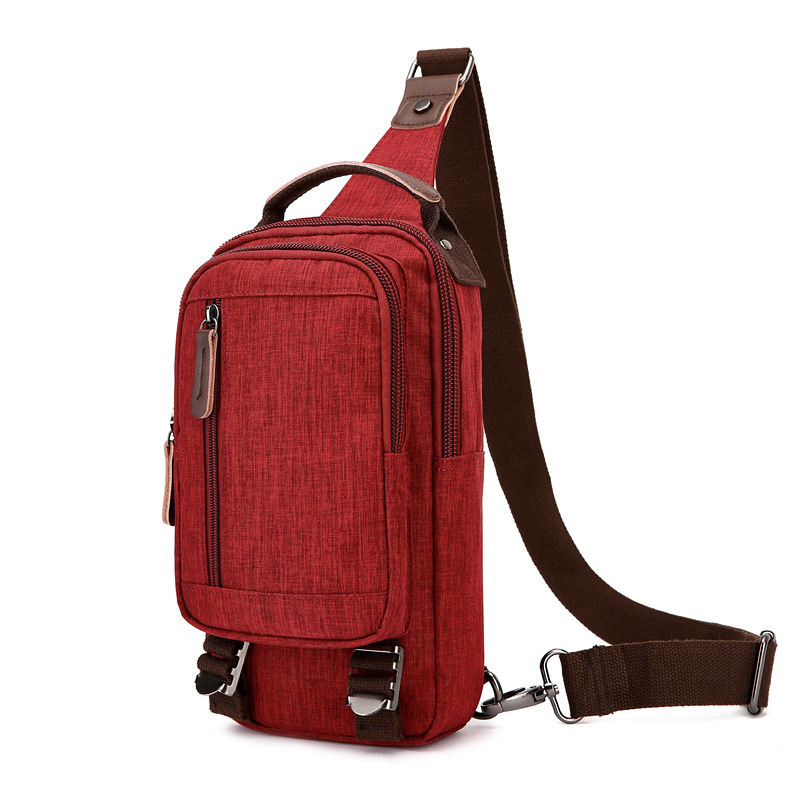
What a gym bag needs to do today
A gym bag is no longer just a container for shoes, a towel, and a water bottle. For many buyers, it has to move between commuting, training, short trips, and sometimes a laptop-carrying workday in the same stretch of 24 hours. That is why the right bag is less about style alone and more about function, material choice, and how well the shape matches the user’s routine.
Engineers, sourcing managers, and product teams usually end up asking the same question: what kind of bag solves the most problems with the fewest compromises? The answer depends on whether the user wants a tote gym bag for quick access, a duffel gym bag for volume, or a gym travel bag that can handle both packing and transit. Each format has trade-offs, and those trade-offs matter when you are selecting a product line, not just a single SKU.
Quick comparison: bag style versus use case
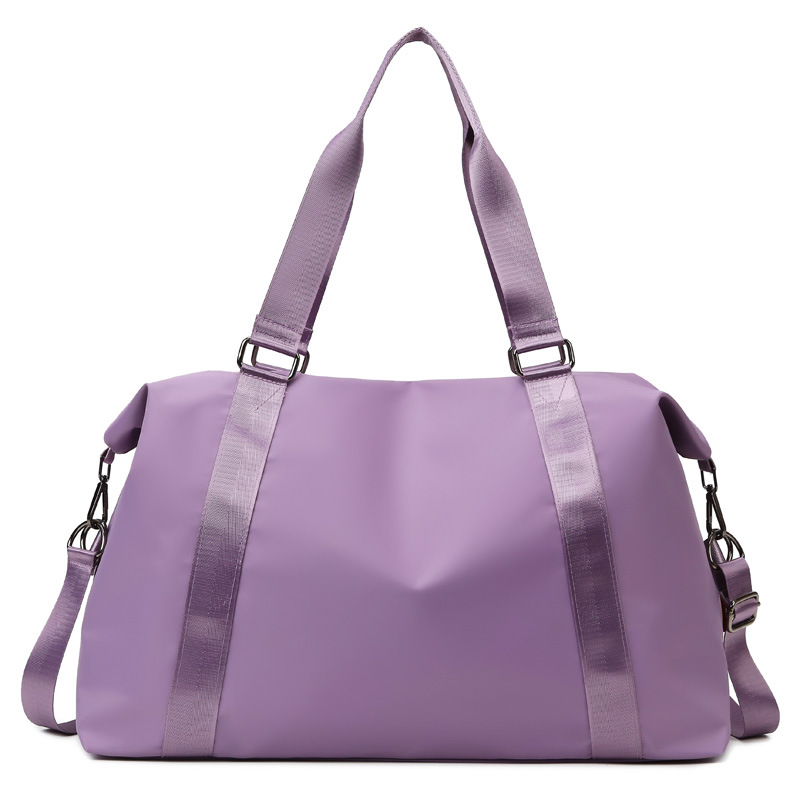
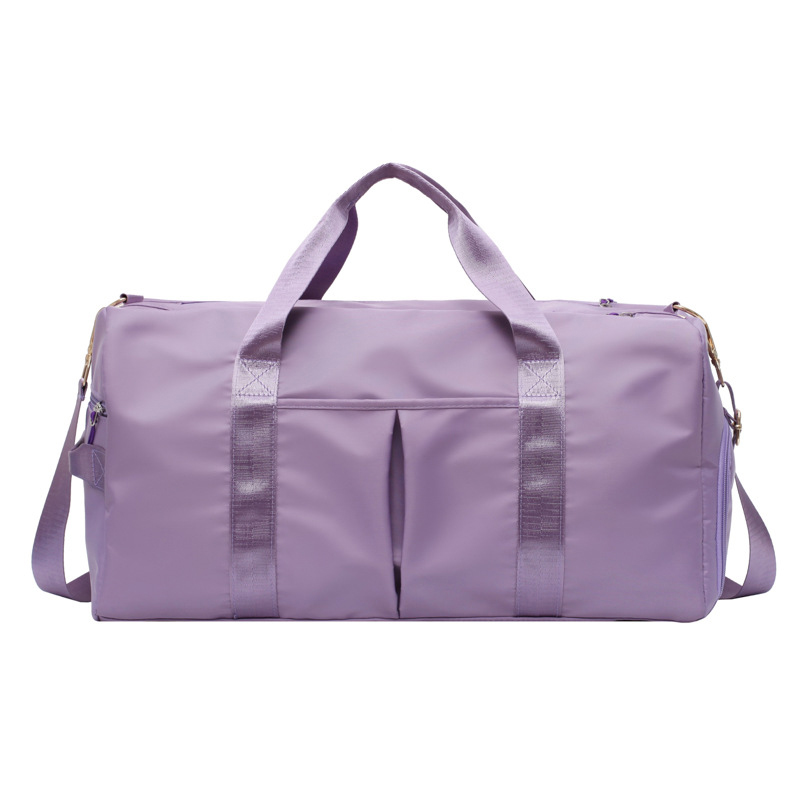
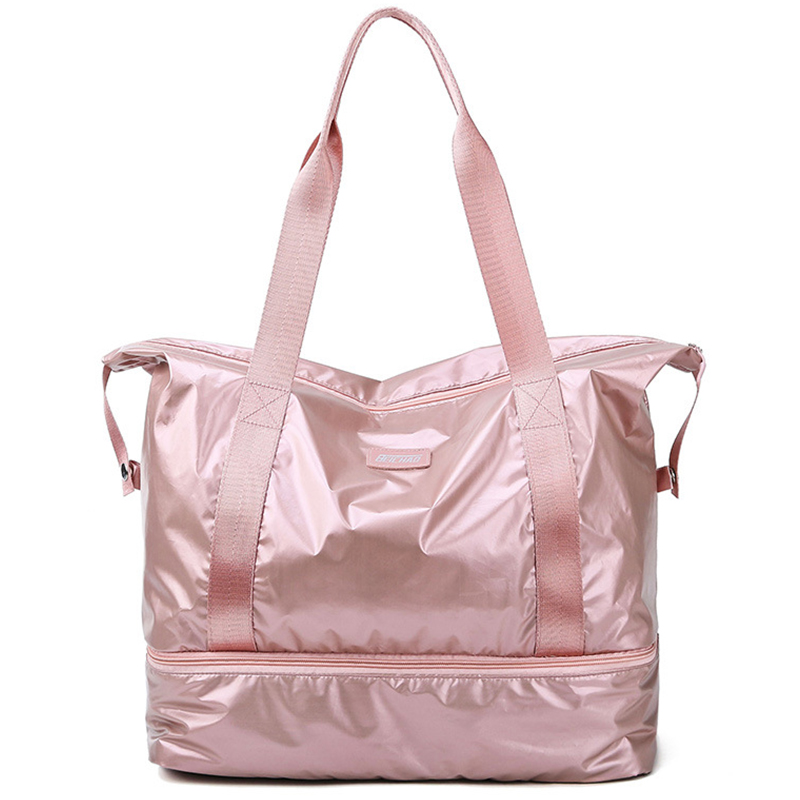
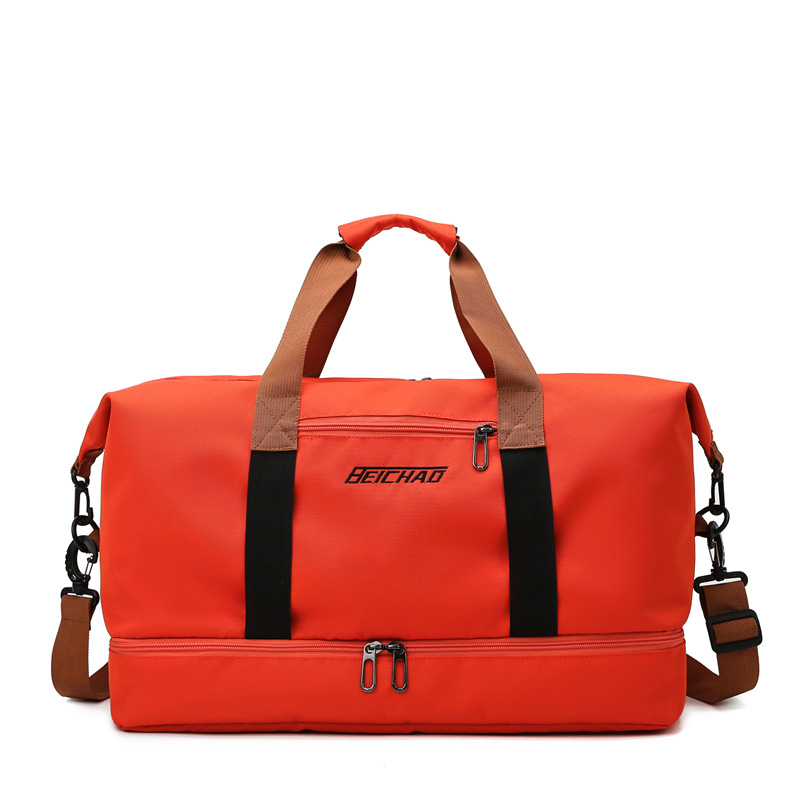
The category is broad, but a few patterns are consistent. A gym duffel bag usually offers the most flexible storage, especially for shoes, apparel, toiletries, and wet items. A tote gym bag is easier to carry and often looks more office-friendly, though it may give up structure and compartment depth. A gym travel bag sits somewhere in between and is often chosen by consumers who want one piece of gear for training and overnight use.
If the buyer needs weather resistance or expects use in outdoor commutes, a gym bag waterproof construction becomes more than a nice feature. Coated fabrics, welded seams, water-resistant zippers, or at least lined compartments can make a real difference. Still, “waterproof” is one of those words that gets used loosely in the market, so sourcing teams should ask what exactly is protected and under what conditions. Splash resistance is not the same thing as full immersion protection, and the distinction matters.
Materials and construction choices that affect performance
Most gym bags rely on synthetic textiles because they balance weight, durability, and cost. Polyester and nylon are common choices, especially when paired with lining fabrics and surface finishes that resist abrasion. For buyers, the practical question is not which fiber sounds best on paper, but which build holds up after repeated use, washing, and exposure to sweat, rain, and rough locker-room handling.
Hardware deserves more attention than it usually gets. Zippers, sliders, buckles, and stitching often determine whether a bag feels dependable after six months or flimsy after six weeks. Reinforced handles, box stitching at stress points, and a rigid or semi-rigid base can all improve the user experience. On a crowded product page these details are easy to ignore, but in the field they are usually what separates a decent bag from a return.
Compartment design is not just a feature checklist
The best layouts follow the user’s routine. Shoes need isolation. Wet clothes should not sit against clean garments. Small pockets for keys, earbuds, and cards reduce friction in daily use. A ventilated compartment can be valuable for post-workout storage, although ventilation claims should be evaluated carefully; a mesh panel helps, but it will not magically neutralize odor-heavy gear.
How to choose the right gym bag for a target user
Selection starts with behavior, not aesthetics. A commuter who trains before work may prioritize a slim profile, laptop sleeve, and fast-access pocket. A weekend athlete might care more about total volume and separate storage for shoes or supplements. Someone using a gym travel bag will likely want carry options, baggage-friendly proportions, and enough internal organization to keep essentials from becoming a jumble.
For sourcing teams, it helps to map the bag against actual use scenarios. Ask whether the end user is carrying clean office clothes, post-training gear, toiletries, a tablet, or a pair of trainers. Then decide which features are essential and which are optional. Too many compartments can make a bag awkward. Too few, and the product becomes a single open cavity that annoys users every day.
Common mistakes buyers make
One frequent mistake is overestimating capacity by looking only at exterior dimensions. Another is assuming all water-resistant products perform similarly. A third, and it happens often, is treating styling as the main buying criterion when the bag is intended for high-frequency use. A sleek tote gym bag may photograph well, but if it collapses under weight or lacks separation for damp items, it can create operational headaches for the user and higher return risk for the seller.
It is also easy to under-spec details like shoulder strap comfort or ventilation. Those issues rarely show up in a factory sample photo, yet they shape customer reviews. Small design decisions matter because a gym bag is handled repeatedly, not occasionally.
Practical buyer advice for product teams
When evaluating samples, test how the bag behaves when partially full and when overloaded. Both conditions matter. Check whether the opening is wide enough for quick packing, whether the base stays stable, and whether the pocket layout remains usable once the bag is filled. If the product is positioned as a gym bag waterproof option, ask for a clear explanation of the construction method rather than relying on the label alone.
For private label or retail programs, it is usually wise to build around one primary use case. A bag that tries to be a gym tote, a travel carry-on, and an office briefcase all at once can end up serving none of them particularly well. Focused products often age better in the market.
FAQ: short answers buyers usually need
Is a duffel always better than a tote?
Not always. A duffel gym bag usually carries more and organizes bulkier gear better, but a tote can be easier to live with for light daily use.
Do waterproof bags solve sweat and odor issues?
No. A gym bag waterproof design helps with moisture and weather exposure, but odor control depends more on ventilation, lining, and how the user stores wet items.
What matters most in sourcing?
Material quality, zipper reliability, compartment logic, and stitching at stress points usually deserve more attention than cosmetic details.
What to do next
If you are building or sourcing a gym bag program, start by defining the user’s routine, then match the format to that routine before comparing colors or trim. The right choice is rarely the flashiest one. It is the bag that keeps working after sweat, commuting, and a few hard weeks of real use.