Waist Bag Sourcing: What Buyers Should Look For Before They Place an Order
A waist bag seems simple from the outside, but sourcing one for retail, promotion, or private label work is rarely a simple yes-or-no decision. The right waist bag has to balance capacity, comfort, hardware quality, and the way a customer actually wears it. For buyers, that matters because the same product can be sold as a fanny pack, a crossbody waist bag, a running waist pack, or a travel waist bag depending on how it is built and positioned in the market.
That naming flexibility is useful, but it also creates confusion. A model that works well as a casual unisex waist bag may be too small for travel. A sporty version may fit a running pack brief, yet feel flimsy if a customer expects a more structured everyday bag. The decision here is not only about style. It is about use case, material choice, zipper behavior, strap stability, and whether the finished bag can survive repeated loading and unloading without looking tired after a few weeks.
Why the Product Category Keeps Expanding
The waist bag category has moved far beyond the old festival pouch. Today it covers activewear, urban carry, outdoor gear, and low-profile travel accessories. That broader use is why many brands now segment the same basic form into several product types:
A sports waist pack usually prioritizes a stable fit and light weight.
A travel waist bag tends to focus on quick access and slimmer organization.
An outdoor fanny pack may need tougher fabric and more abrasion resistance.
A waterproof waist bag can be positioned for weather exposure, commuting, or water-adjacent use, though buyers should be careful about the exact meaning of “waterproof,” since that term is often used loosely.
For sourcing teams, the real task is deciding which version matches the customer promise. A bag that looks versatile on a product page can fail in the field if the strap slips, the compartment layout is awkward, or the finish feels too soft for the target price band.
Core Construction Details That Affect Sell-Through
Most waist bag purchasing mistakes come from underestimating the small things. A zipper pull that feels cheap, a buckle that loosens under movement, or stitching that puckers at a stress point will show up quickly in returns and reviews. Engineers and product teams usually pay attention to the following areas first:
Fabric and surface finish
The outer material defines the bag’s visual identity and much of its durability. Smooth synthetic fabrics are common for casual and travel styles, while textured materials can give a more technical or outdoor look. If the product is aimed at active wear, weight and flexibility matter more than decorative surface detail.
Strap design
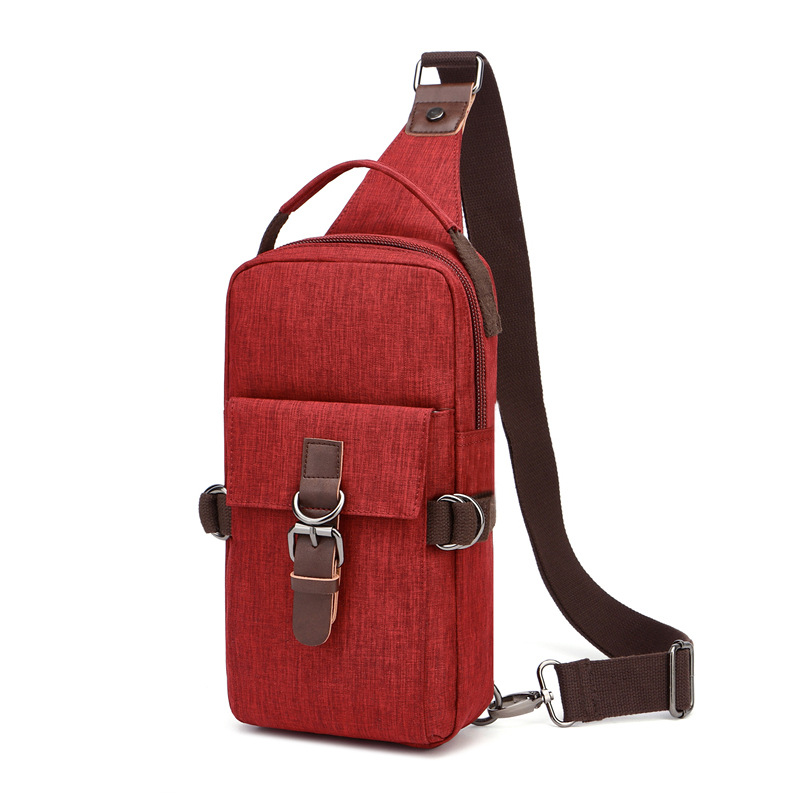
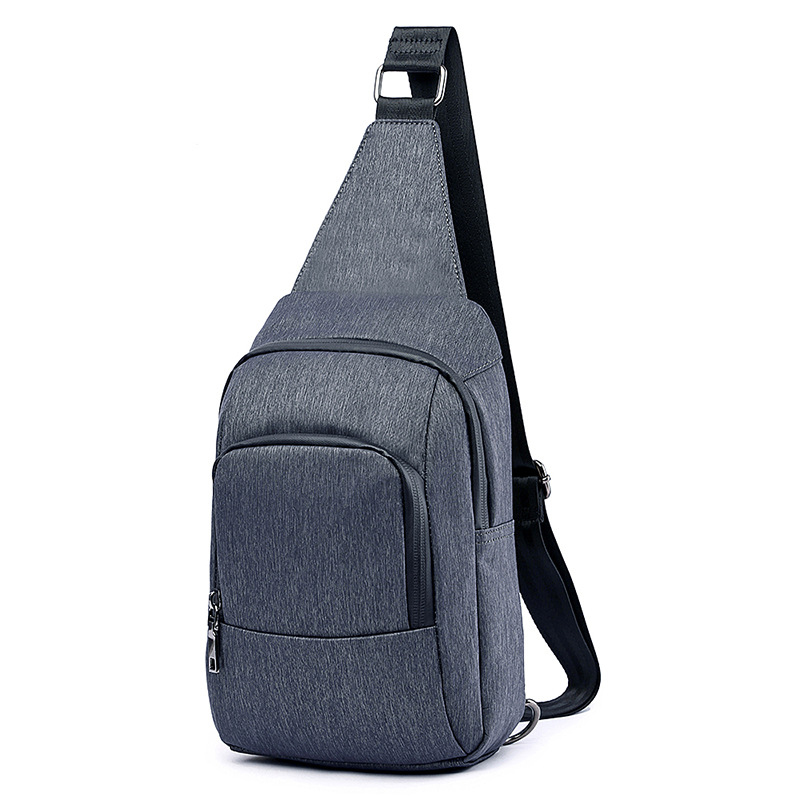
The strap is often the difference between a wearable product and a shelf item. A crossbody waist bag needs enough adjustment range to serve different body types and wearing styles. The buckle should feel secure without being difficult to release, and the strap should stay flat rather than twisting into a rope over time.
Compartments and layout
A well-organized running waist pack may have one or two simple pockets to reduce bounce. A travel-focused model may need an exterior pocket for quick access and a main compartment for phone, wallet, or passport. More pockets are not automatically better; too many small sections can make the bag feel cramped and less useful.
How to Match the Bag to the Market
A practical sourcing decision starts with the end user. Buyers should ask how the bag will actually be worn and what will go inside it.
If the user wants a daily carry item, comfort and appearance come first. If the bag is positioned as a running waist pack, bounce control and strap stability matter more than fashion details. If the target is travel, then ease of access and a secure fit under a jacket may matter more than storage volume. For outdoor retail, abrasion resistance and weather tolerance become more important, especially if the bag will be sold next to other utility gear.
There is also a branding question. Some markets still prefer the term fanny pack, while others respond better to waist bag or crossbody waist bag. That sounds like a naming issue, but it can shape conversion rates and customer expectations. The product name should match the actual silhouette and wear method, not just whatever is trending in search.
Common Buyer Mistakes
One common mistake is overbuilding a small bag. Heavy hardware and thick panels can make a waist bag feel premium in a sample room, but uncomfortable in real use. Another is underbuilding the closure system. If the zipper track feels weak or the buckle is oversized for the strap width, the product will look mismatched and can wear poorly.
A second mistake is treating “waterproof” as a catch-all term. Some products resist splashes; others may handle more exposure, but that depends on construction details the buyer should confirm before launch. It is better to describe performance carefully than to overpromise and spend the next quarter managing complaints.
Buyer Checklist Before You Approve a Sample
Before final approval, ask whether the bag fits the intended body position, whether it sits comfortably for extended wear, and whether the main pocket is large enough for the everyday items your customer expects. Check the strap adjustment range, zipper smoothness, and whether the bag keeps its shape when partially filled. For a unisex waist bag, do not assume one fit pattern works for everyone; small sizing choices can change the entire wearing experience.
Also review presentation. A product that performs well but looks generic can struggle in retail unless the shape, colorway, and trim feel intentional. On the other hand, a highly styled model that sacrifices comfort will not survive repeat use. Buyers usually know this, but it is easy to forget when the sample looks good on a desk.
FAQ for Sourcing Teams
Is a fanny pack the same as a waist bag?
In practice, the terms often overlap. The difference is usually marketing language and wear style rather than a strict technical distinction.
What makes a good travel waist bag?
A good travel model should be compact, secure, and easy to access without feeling bulky under clothing or over a jacket.
Should a running waist pack have many pockets?
Usually not. Simpler layouts often work better for movement and comfort.
How should buyers think about waterproof claims?
Carefully. Ask what kind of exposure the bag is designed to handle and avoid assuming that water resistance means full waterproof performance.
What to Do Next
If you are sourcing a waist bag line, start with the user scenario and work backward into construction, strap fit, and materials. That approach will save more time than chasing trendy shapes after the fact. A good sample should feel ordinary in the best possible way: comfortable on the body, dependable in daily use, and clear in its product promise. That is what turns a basic accessory into a repeat-order item.