Why the waist bag keeps showing up in buying lists
A waist bag is one of those products that looks simple until you have to spec it, source it, or hand it out at scale. For engineers, sourcing managers, and product teams, the question is not whether a fanny pack is fashionable this season. It is whether a compact hands-free carry item solves a real use case without creating complaints about comfort, storage, or durability.
The appeal is straightforward. A waist bag keeps small essentials close, leaves the hands free, and moves better than a larger shoulder bag when the task is short-distance travel, event work, retail errands, walking, cycling, or light outdoor use. The format also works well for branded programs because the product surface is visible and the construction is familiar enough to manufacture efficiently. Still, the details matter. A weak zipper, a cheap buckle, or a strap that slips can make an otherwise useful product feel disposable.
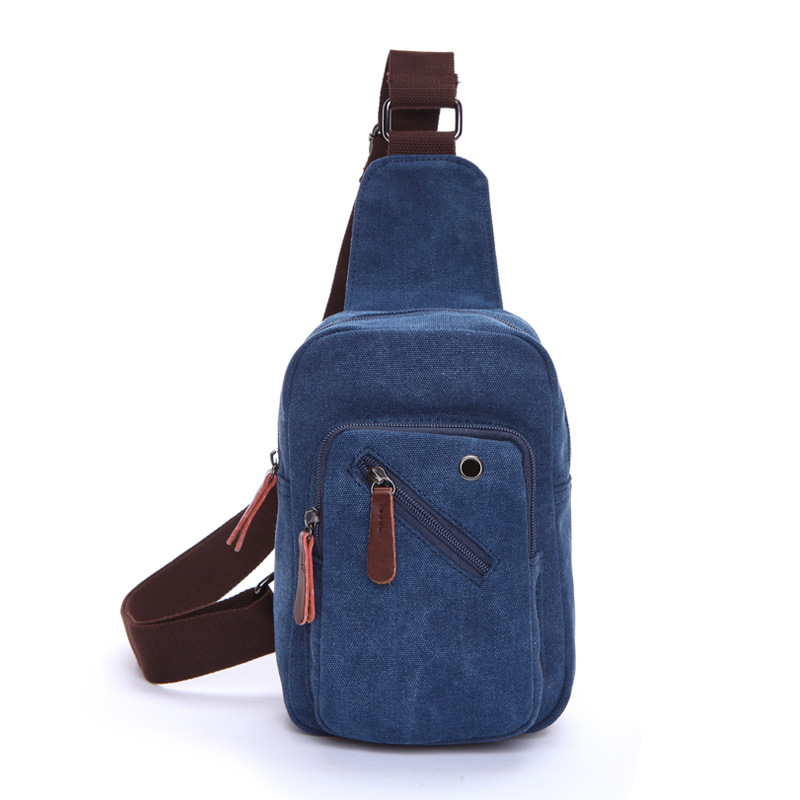
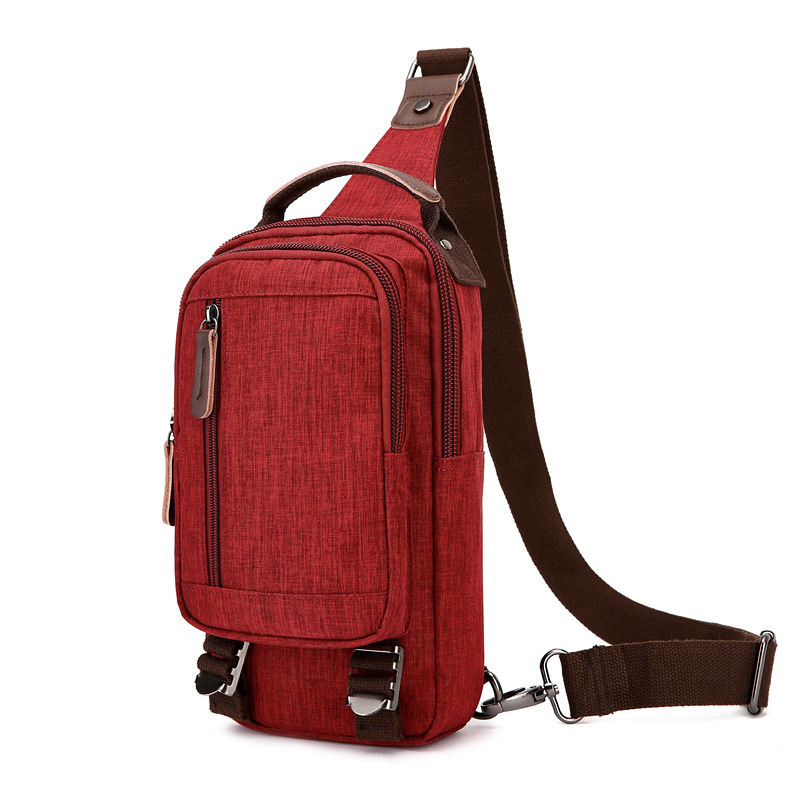
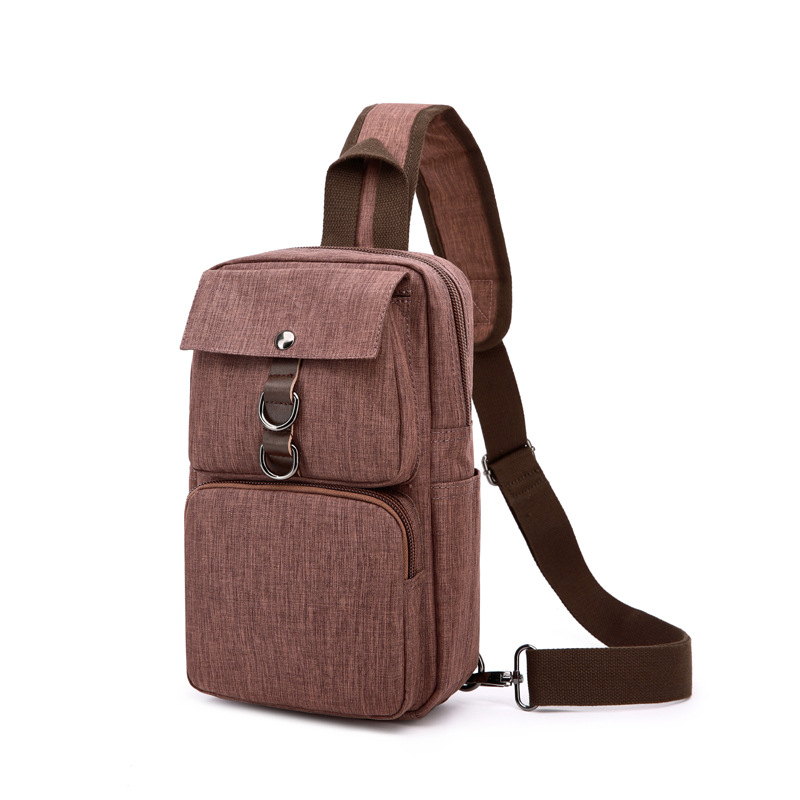
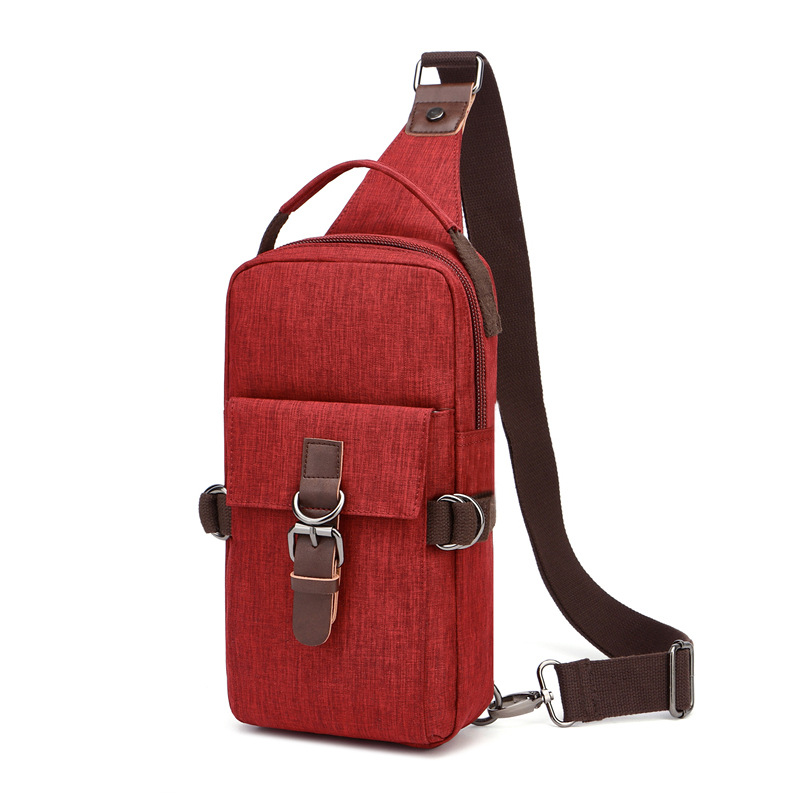
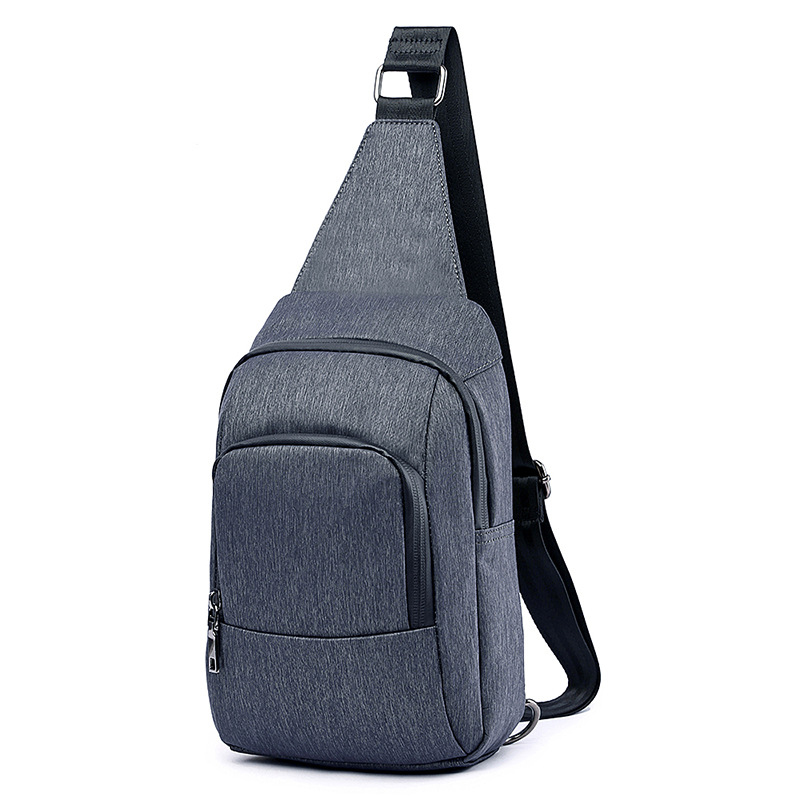
The bag described here appears to be a soft-sided textile style with a rectangular body, rounded edges, multiple front compartments, and an adjustable webbing strap. That combination is common in the market, but the exact fabric composition is not visible from the provided data, so it is safest to think of it as canvas-like or heavy woven material rather than naming a fiber with certainty.
What this product format does well
For buyers, the value of a belt bag is mostly functional. It is small enough to stay out of the way, but large enough to carry the handful of items people actually reach for: phone, keys, wallet, transit cards, a small tool, or a folded document. That makes it useful across several user groups, including travelers, walkers, cyclists, event staff, and customers who want a compact everyday carry solution.
The visible construction points also matter. This version shows multiple zippered pockets, a front flap pocket with a snap button, and a buckle-secured adjustable strap. Those features suggest better item separation than a single-compartment pouch, which is often the difference between a product people keep and one they abandon after a week. Separate pockets are not just a nice detail; they reduce friction when users need quick access to keys or cards.
Quick buyer takeaways
If you are comparing styles, the core question is how the bag will be worn and what it must carry. A crossbody waist bag can read more casual and modern in consumer-facing programs, while a traditional men’s waist bag or women’s waist bag may be positioned differently in retail assortments. In practice, the structure is often the same. The real differences tend to be strap length range, pocket layout, and visual finish.
For travel waist bag applications, look closely at closure security and compartment logic. For a sports waist pack or running waist bag, weight and bounce control become more important, but this particular bag, with its more structured pocket layout, looks better suited to everyday carry or light utility than high-motion athletic use. That is not a flaw. It is simply a matter of matching form to use.
Construction details that usually separate a good bag from an average one
Cut-and-sew assembly
This product is best understood as a sewn textile accessory. The manufacturing path likely includes fabric cutting, pocket assembly, zipper insertion, strap stitching, buckle attachment, and snap installation. That sounds basic, but each step affects the end result. Poor seam alignment can distort the body. Weak stitching around strap anchor points can shorten service life. A zipper that is not seated cleanly will show up immediately in daily use.
Hardware and touch points
The visible black side-release buckle is a practical choice for quick on-off use. The leather-like zipper pulls and trim details add grip, which sounds minor until someone is fumbling for a pocket with gloves on or in low light. These are the little cues that buyers notice after shipment, not during sampling, so they deserve attention during sourcing reviews.
Material appearance and wear expectations
The body has a matte, slightly textured finish, which usually reads as more durable than glossy synthetics in this category. That said, buyers should be careful not to assume weather performance from appearance alone. Water resistance, lining, and reinforcement are not confirmed in the provided data, so any procurement decision should treat those as open questions until sample testing or supplier documentation is available.
Selection criteria that actually affect purchase decisions
Start with compartment count and access. If the bag will be used for commuting or events, quick-access front pockets can be more valuable than a larger main cavity. Then look at strap adjustment range and buckle quality. A unisex waist bag needs enough adjustability to fit different body types and wear styles, including around the waist or across the body.
Next, check stitching density and reinforcement at load points. Buyers often focus on the face of the bag and overlook the strap ends, zipper stops, and pocket corners, which are the areas most likely to fail first. For promotional programs, also consider whether the bag has a clean front panel suitable for branding without fighting too many seams and pockets.
Common mistakes in sourcing this category
One common mistake is overpromising the use case. A compact waist bag can handle small items and light carry, but it should not be marketed like a rugged tool pouch unless the build supports that claim. Another mistake is assuming all fanny packs perform the same. Pocket layout, strap feel, and closure quality create noticeable differences in user satisfaction, especially in repeat-use settings.
It is also easy to ignore ergonomics. A bag can look compact in photos but sit awkwardly if the strap hardware is bulky or the body is too stiff for the intended wear position. Small details, again, tend to decide whether a product feels thoughtful or merely assembled.
FAQ for practical buyers
Is this style more for fashion or utility?
It can serve both, but the visible multi-pocket layout and adjustable strap make it especially suitable for utility-led everyday carry.
Can it work as a travel accessory?
Yes, especially for documents, cards, phone, and keys. For higher-security travel programs, buyers should verify pocket closure behavior and strap security with samples.
Is it appropriate for outdoor use?
For walking, cycling, light hiking, or errands, probably. For hard use or wet conditions, the missing material specifications matter too much to assume performance.
A sensible next step for buyers
If you are sourcing a waist bag for retail, promotions, or private label, ask for a sample and check the bag the way a customer would: wear it, open each pocket, test the buckle, and inspect the strap anchors after a few handling cycles. That practical pass usually reveals more than a spec sheet alone. When the category is this compact, the small things are the product.