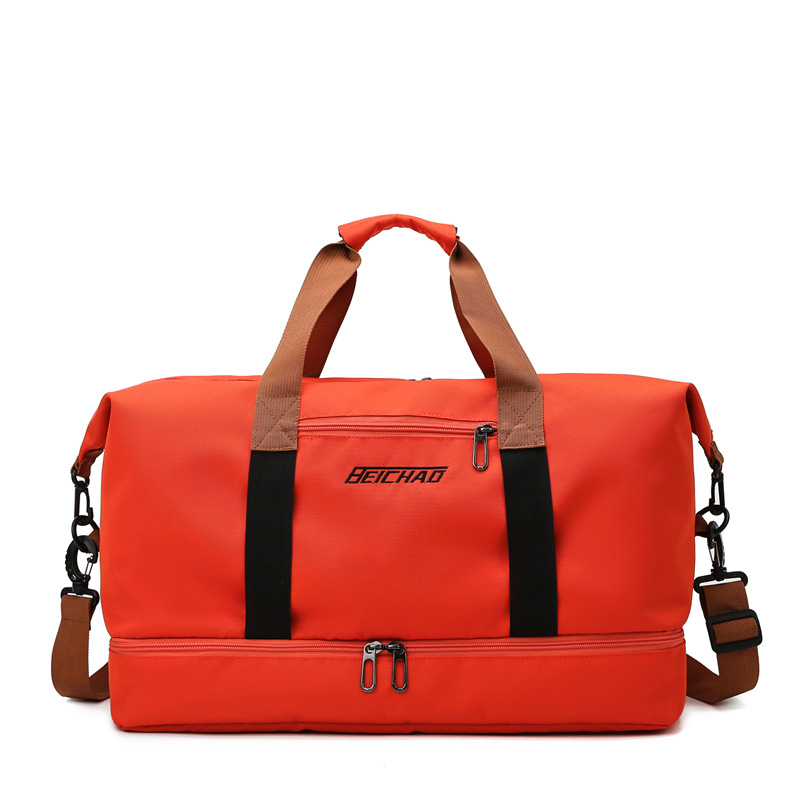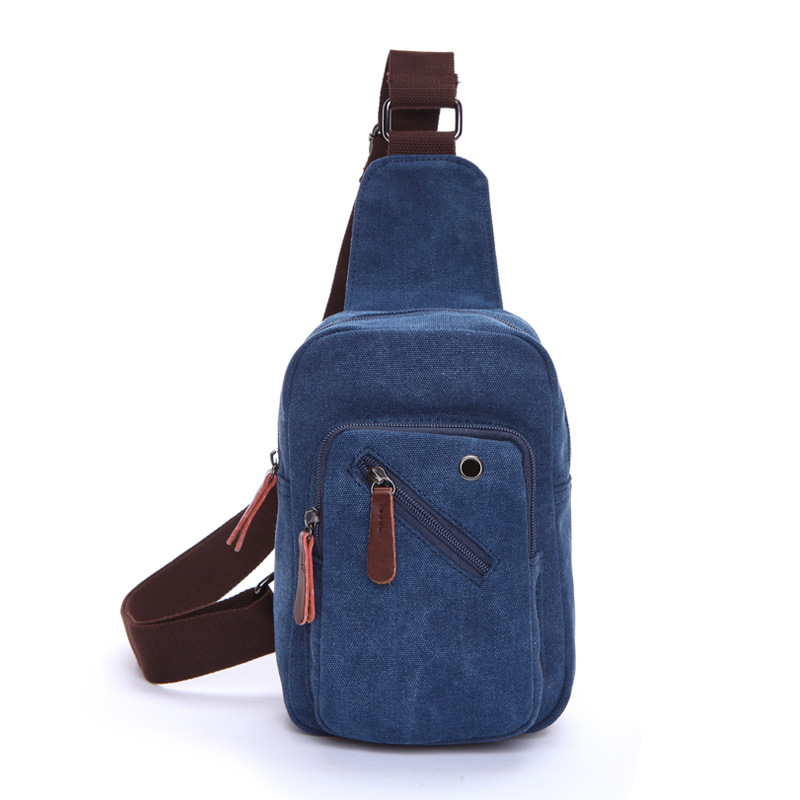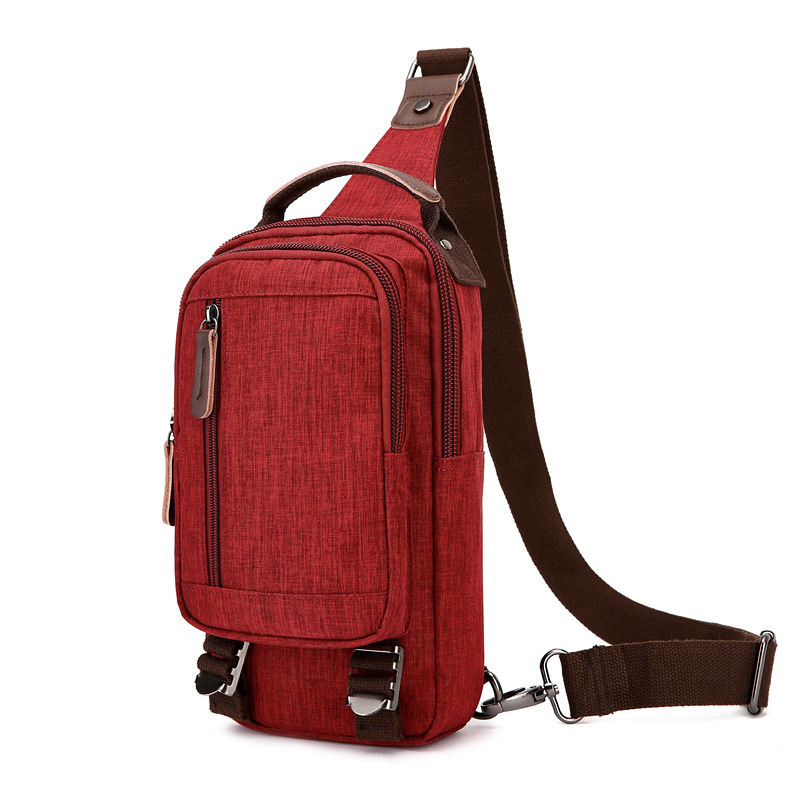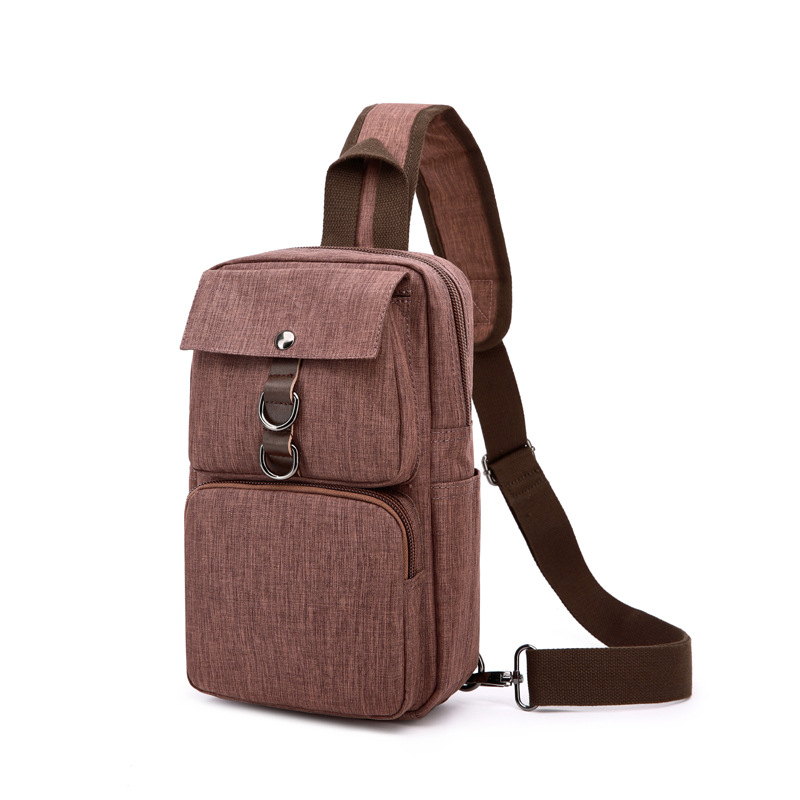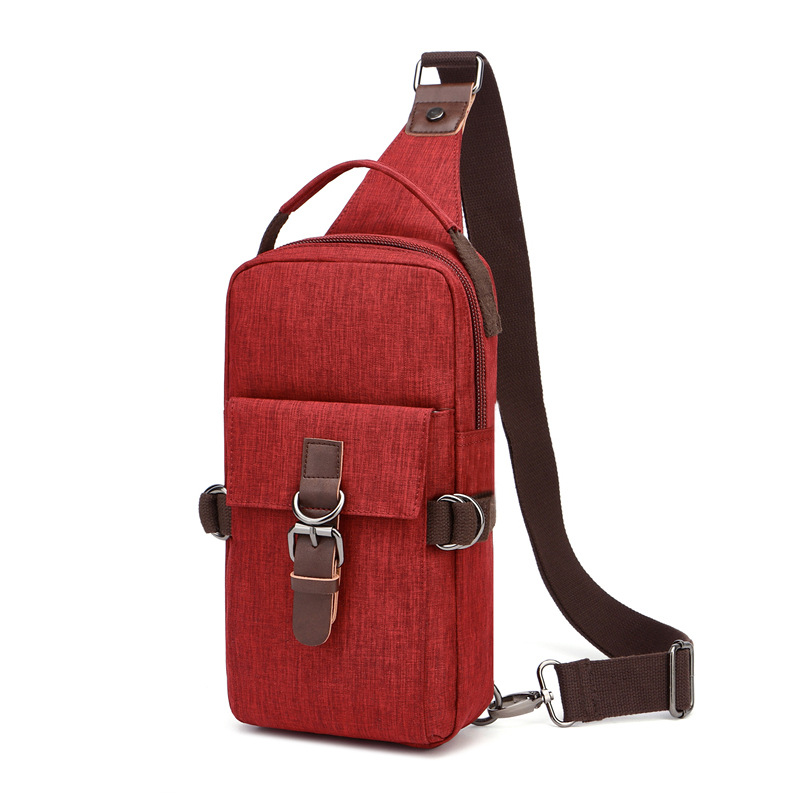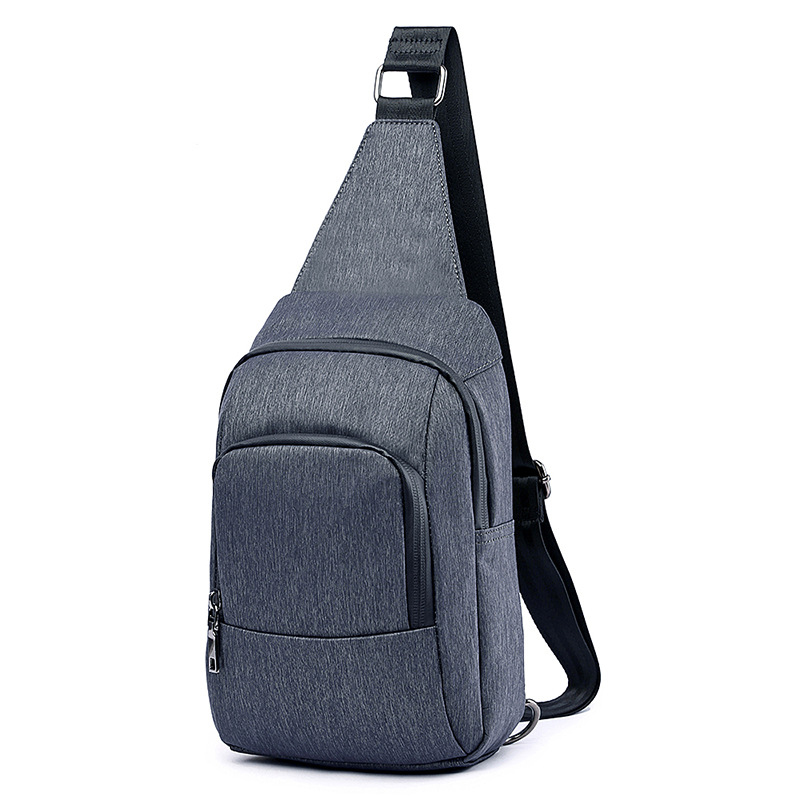
Why the waist bag keeps showing up in product lines
The waist bag is no longer a niche accessory that lives only in travel catalogs or festival merch. For brands, retailers, and private-label buyers, it has become a practical small-format carry item that solves a familiar problem: people need secure, hands-free storage without a full backpack or shoulder bag. That simple use case explains why the category keeps returning across fashion, outdoor, sport, and commuter collections.
What makes this item worth paying attention to is not trend alone. A well-designed bag in this category has to balance comfort, load stability, zipper reliability, strap adjustability, and visual appeal. Miss any one of those, and the product feels flimsy or inconvenient. For sourcing teams, that makes the category deceptively technical. You are not just buying a pouch with a belt; you are choosing how the product will wear, how it will be carried, and how often customers will keep using it after the first impulse purchase.
Quick takeaways for buyers
If you are comparing a fanny pack against a more fashion-forward crossbody waist bag, the first question is how the customer is expected to wear it. The same product can be positioned as a unisex waist bag for casual retail, a travel waist pack for document and phone carry, or a sports waist bag for movement-heavy use. The format matters more than the label.
A buyer should also separate styling from utility. A sleek shell and custom branding may help sell the first order, but seam strength, pocket layout, and buckle quality usually determine return rates. That is especially true for active-use versions such as a running belt bag or an outdoor fanny pack, where bounce, sweat, and quick access are the real test.
What to look for by use case
Travel and commuting
A women's waist bag or men's equivalent used for travel should hold a phone, passport, transit card, and a few small essentials without bulging awkwardly. Buyers often favor interior organization here: a main compartment, a hidden pocket, and a secure zipper pull. That is usually enough. Overcomplication can make a small bag harder to use, not easier.
Sport and movement
For running or cycling, the priorities shift. A running belt bag needs a low-profile silhouette, a stable strap, and materials that handle motion and perspiration. In practice, lightweight fabrics and restrained hardware tend to outperform heavy decorative elements. A buyer should be wary of oversized logos, stiff trims, or sharp buckle edges that can rub during repeated use.
Outdoor and casual retail
An outdoor fanny pack usually needs more abrasion tolerance and a more rugged look. Some versions add exterior pockets or webbing details, but those features should be judged against actual customer need. Extra pockets are only useful if they remain accessible and do not weaken the overall structure.
Material and construction matter more than most people think
For a category like this, the material story is simple on the surface and more complicated underneath. Fabric handfeel, coating, lining, zipper choice, strap webbing, and buckle style all affect perceived quality. The market often accepts modest dimensions, but it notices poor finishing immediately.
Buyers should pay attention to the strap adjustment range, since that is what makes a product genuinely wearable across body types and styling preferences. A crossbody waist bag with an awkward strap range can frustrate users even if the pouch itself is well made. The same is true for a men's fanny pack that claims utility but sits poorly at the hip or chest.
Common mistakes in sourcing and merchandising
One common mistake is treating every version as the same item with a different colorway. In reality, a slim city style, a sports version, and a more utilitarian pack are built for different behavior. Another mistake is overestimating storage needs. Many consumers want compact convenience, not a mini backpack.
There is also a branding trap. A product can be marketed as a stylish women's waist bag or a gender-neutral everyday carry item, but the design language has to support that claim. If proportions, strap finish, or hardware look mismatched, the positioning feels forced.
Practical buyer advice before placing an order
Ask for clear photos of the bag worn in more than one position. Waist, chest, and crossbody carry all change how the product reads on the body. Review zipper placement, seam alignment, and pocket depth. If possible, check whether the main compartment opens wide enough for quick access; small bags often fail on usability because the opening is too narrow.
For private-label programs, the better decision is often to define the use case first, then build outward. That sounds obvious, but it is where many assortments go off track. A travel customer does not need the same design cues as a running customer, even if both are technically buying a waist bag.
FAQ
Is a waist bag still relevant in the market?
Yes, because the category solves a real carrying problem and adapts well to different customer groups, from travel to sport to casual retail.
What is the difference between a fanny pack and a crossbody waist bag?
In practice, the difference is often in styling and wear position. Many buyers now use the terms loosely, but the design intent can be quite different.
Which version is easiest to sell?
That depends on channel. Fashion retail often favors sleeker silhouettes, while outdoor and sport buyers usually want utility, comfort, and durability first.
What a good next step looks like
Before you source or refresh a collection, define the primary user, the carry load, and the preferred wear style. Then compare construction details, not just appearance. A well-chosen waist bag can move across seasons and categories; a poorly specified one will look acceptable on a line sheet and underperform in the field.
For product teams, the most useful question is not whether the category is trendy. It is whether the design supports the use case you are selling. That answer usually decides the rest.