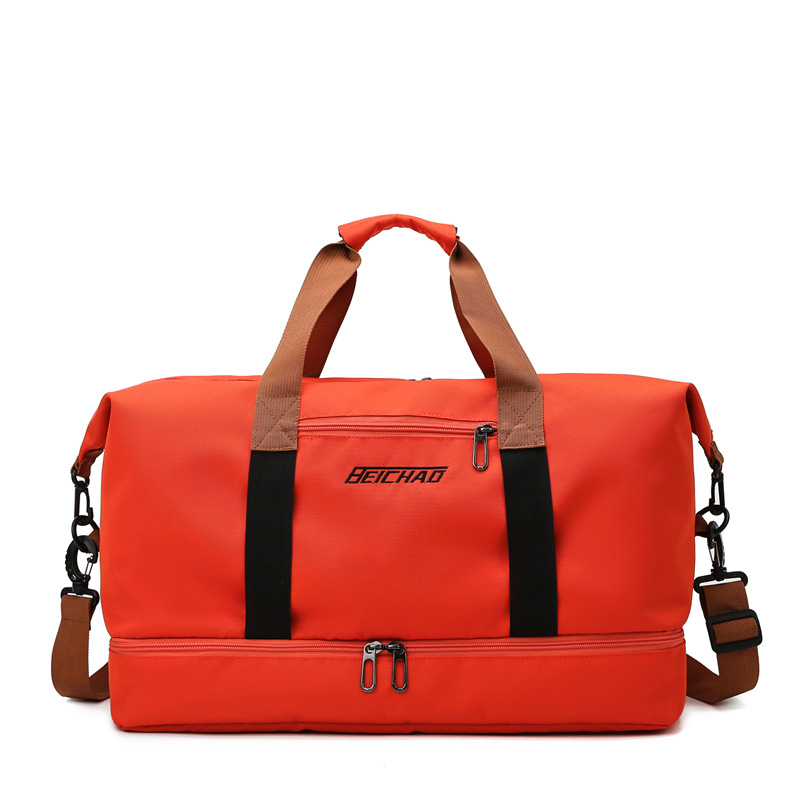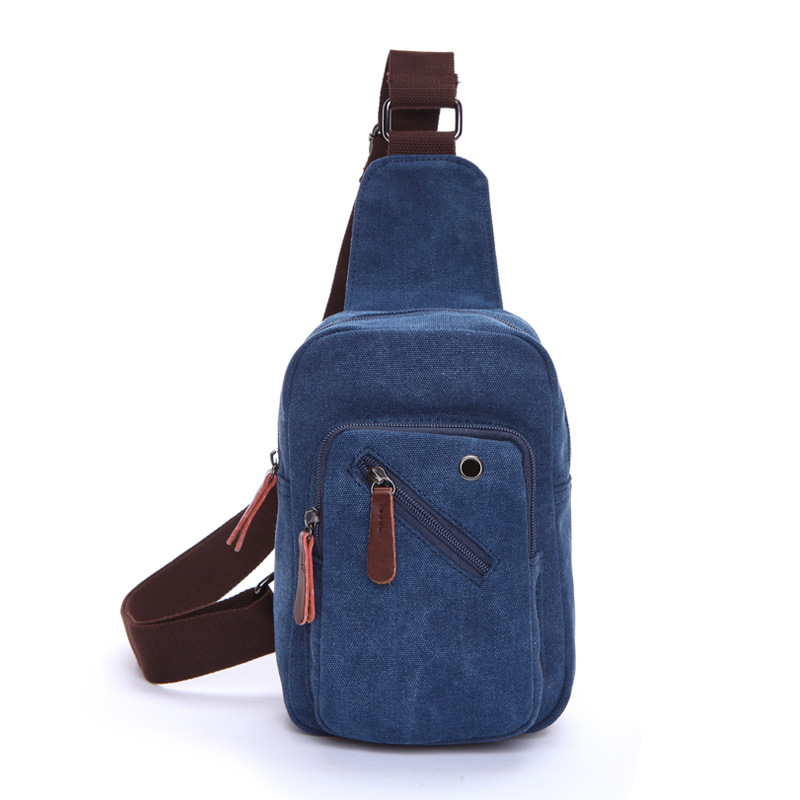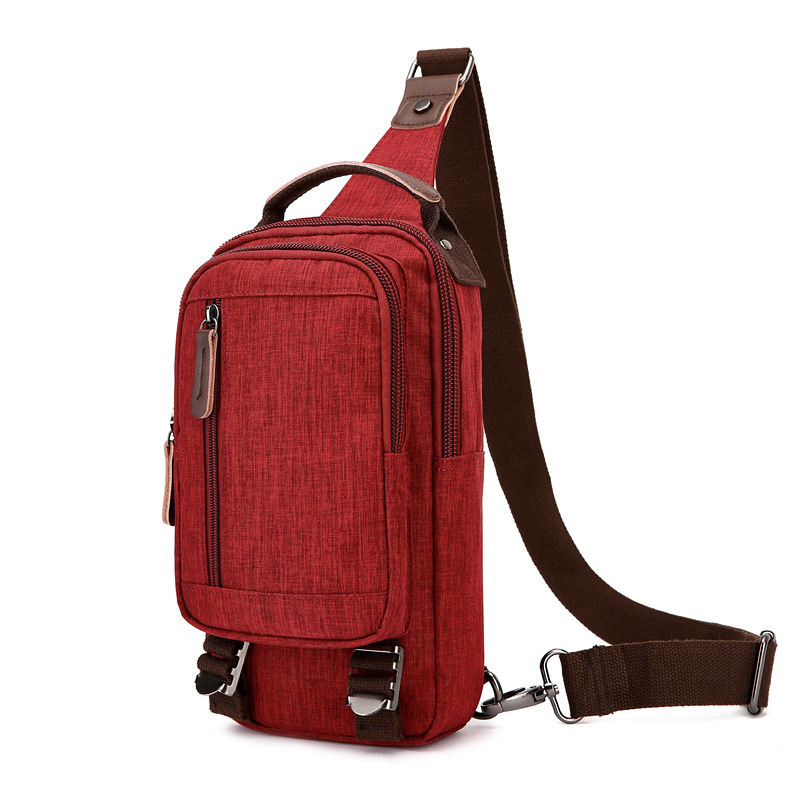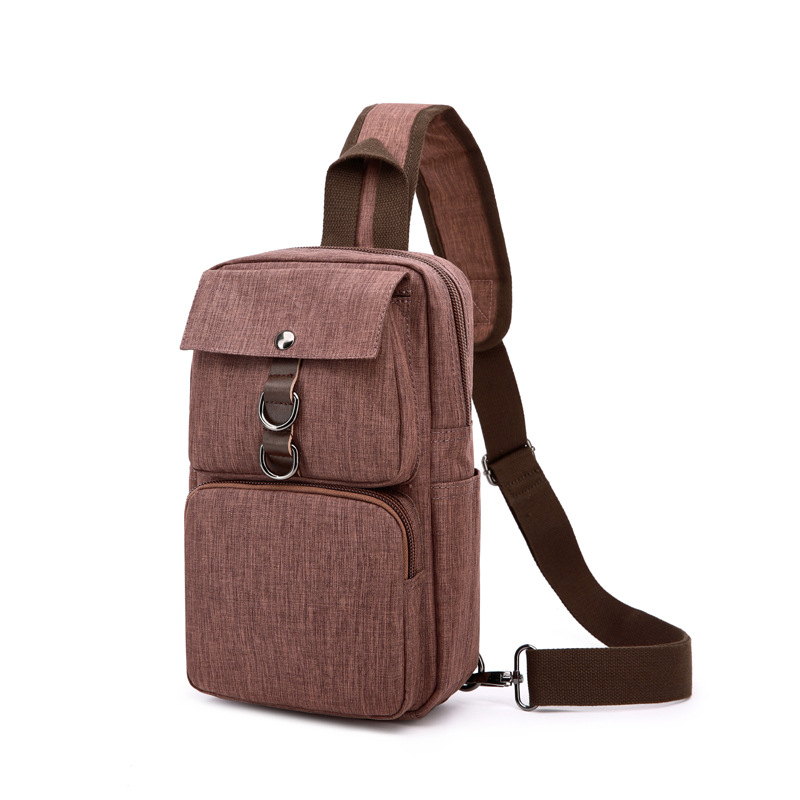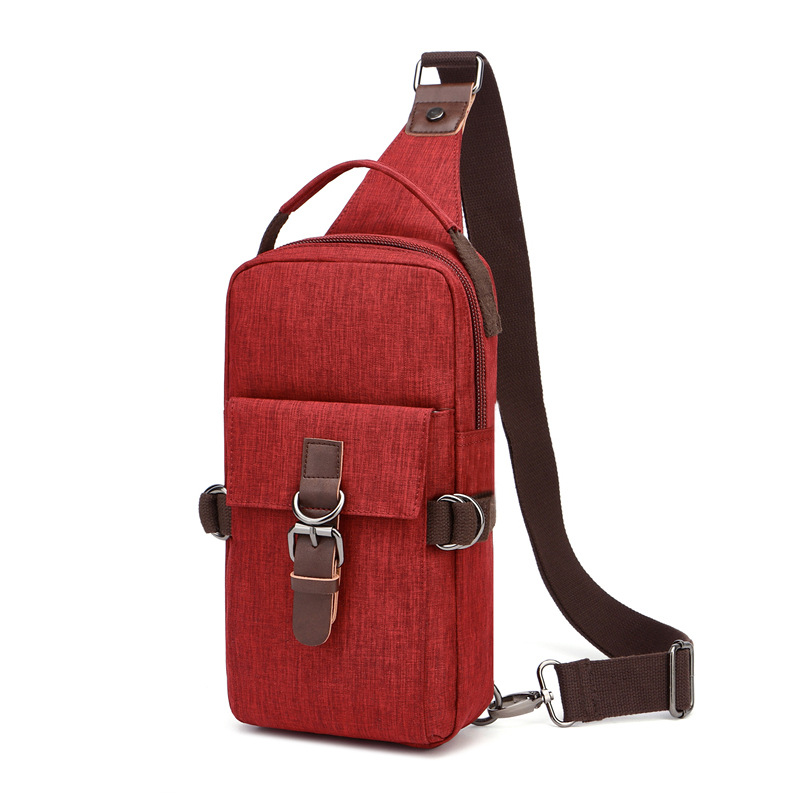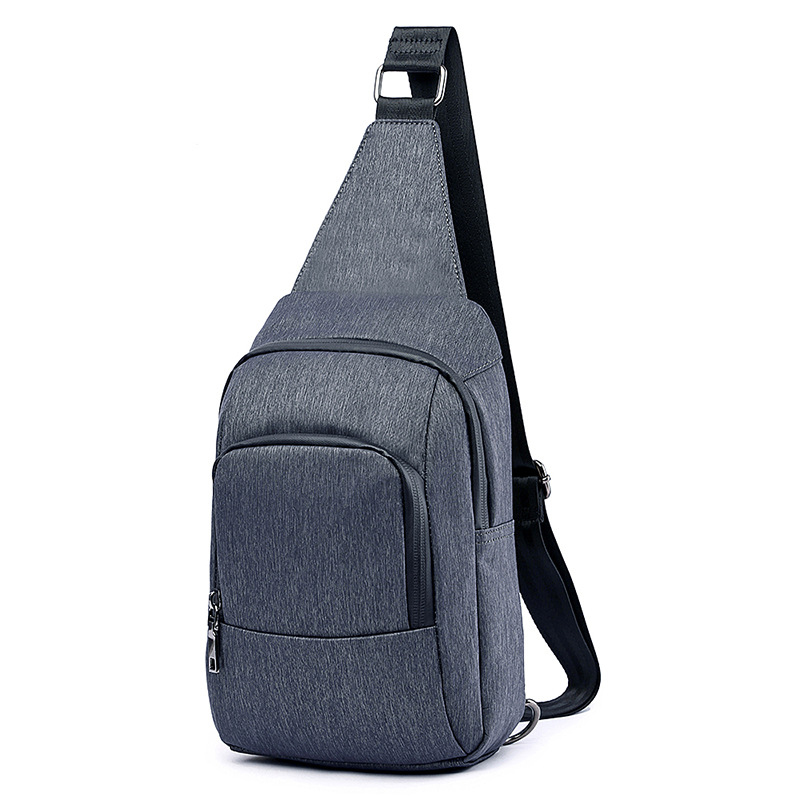
Why the waist bag keeps showing up in product lineups
A waist bag is no longer just a casual carry item from the past; it has become a practical format for retail brands, sports labels, travel accessory companies, and promotional buyers who want small, secure storage without the bulk of a backpack. The appeal is easy to understand. Consumers want quick access to a phone, wallet, keys, cards, sanitizer, and other small essentials, but they do not want to keep everything in hand or buried in a coat pocket.
For sourcing teams, the real decision is not whether the format sells. It is which version fits the intended user: a fanny pack for lifestyle retail, a running waist pack for active use, a waterproof waist bag for outdoor or marine markets, or a more styled fashion waist bag for urban apparel collections. The difference sounds simple, but the construction, hardware, fabric choice, and closure details can change the perceived quality more than many buyers expect.
What the category actually covers
In trade terms, the product family is broader than the old name suggests. Some buyers still use fanny pack as the default term, while others prefer crossbody waist bag because the product is now often worn across the chest rather than strictly around the waist. That styling shift matters. A design that looks acceptable as a belt bag may feel awkward if worn crossbody, especially if the body panel is too rigid or the strap sits too high.
There is also a market split between function-led and style-led products. A men's waist bag or women's waist bag may differ only in color story, strap length, or pocket layout, but consumers often read a product through branding and presentation before they inspect the dimensions. Meanwhile, an unisex fanny pack typically works best when the shape is neutral, the logo placement is restrained, and the fit range is wide enough for different body types.
Quick buyer comparison: which version fits which use case
For retailers and sourcing managers, the fastest way to narrow the field is to start with the use environment.
Everyday retail and lifestyle
A fashion-forward bag usually needs clean stitching, a well-balanced silhouette, and fabric that holds its form without looking stiff. These products are often judged visually first. If the zippers, pulls, and strap adjusters look cheap, the whole item can fall out of consideration even if the material is decent.
Sports and active use
A running waist pack should prioritize movement control, sweat resistance, and stable fit. Lightweight construction matters, but so does the way the bag sits against the body. A bouncing pouch quickly becomes a complaint item. For runners, walkers, and event participants, a lower-profile design with secure compartments usually performs better than a decorative one.
Travel and outdoor use
A travel fanny pack often needs more pocket discipline. Users want one compartment for a passport or boarding pass, another for a phone, and perhaps a hidden pocket for cash or cards. For this segment, security features and easy access count more than fashion detail. A waterproof waist bag can be especially useful where weather exposure, splashes, or unpredictable conditions are part of the buying story, though buyers should be careful not to overstate “waterproof” if the construction is only water-resistant.
Material and construction choices that affect the final product
Most waist bags are built from synthetic fabrics because they offer a useful balance of weight, abrasion resistance, and cost control. Nylon and polyester are common starting points, with differences in hand feel, sheen, and durability depending on denier and finishing. Coated fabrics can improve moisture resistance, but the coating can also change the drape and make the bag feel more technical than casual.
Hardware deserves more attention than it gets. A poor zipper track or weak buckle can undermine an otherwise solid product. If the strap adjuster slips, returns rise. If the zipper snags, customer reviews tend to notice. Small components also affect how the bag wears over time, especially if the product is sold as an everyday carry item rather than an occasional accessory.
Buyers should also think about interior layout early. One divider can make a bag much more useful, but adding too many pockets can reduce usable space and complicate sewing. In practice, a simpler pattern often survives production better than a crowded one, especially when a factory is trying to hit a target cost point.
Selection criteria that matter in purchasing
The most useful question is not “What is the trend?” but “What problem is this bag solving?” If the answer is hands-free carry, then fit and pocket access matter most. If the answer is merchandise value, then surface design and branding carry more weight. If the answer is field use, then abrasion resistance and weather behavior move to the top of the list.
Size is another area where buyers often overcomplicate the brief. Oversized bags can look bulky on smaller users, while compact bags may fail to fit a modern phone in a protective case. A sample should be tested with real carry items, not just on paper measurements. That sounds obvious, yet it is one of the most common misses in accessory procurement.
Common sourcing mistakes
One repeated mistake is treating all waist bag styles as interchangeable. A design that performs well as a crossbody casual item may not work for athletic use. Another is approving a sample based on appearance alone, then discovering that the strap range is too short, the lining is too flimsy, or the zipper opening is narrower than expected.
Buyers also sometimes forget about labeling language. If the market expects a travel fanny pack but the product description only uses “belt pouch,” online conversion can suffer. The opposite is true as well: overly trend-driven naming can limit search visibility for practical buyers. The category is part utility, part fashion, and the wording should reflect both without becoming clumsy.
Practical advice for product teams
Before placing an order, define the intended wearer, the carry items, and the main wearing position. Then check the sample in motion, not just on a desk. Open the zipper while walking. Adjust the strap with one hand. Put in a phone, keys, and wallet together. These small tests reveal whether the design is usable or merely presentable.
It also helps to keep expectations honest on weather claims and finish claims. A waterproof waist bag and a water-resistant bag are not the same thing, and customers will notice when marketing language runs ahead of the build. That kind of mismatch is expensive, even for lower-priced goods.
FAQ
Is a waist bag the same as a fanny pack?
In everyday use, yes, though “waist bag” and “fanny pack” may be used differently depending on the market. The product can also be worn crossbody, which is why many buyers now use broader terms.
What sells better: men's waist bag or women's waist bag?
It depends more on styling and channel than on the label itself. Neutral colors and adjustable fit usually expand the audience, while fashion-led details can help in a gendered retail segment.
What should be tested first in a sample?
Start with strap comfort, zipper action, internal usable space, and how the bag sits when loaded. Those points usually determine whether the product feels reliable.
Next step for buyers
If you are comparing styles for retail, travel, or sports distribution, build your shortlist around use case first and aesthetics second. That sequence usually leads to fewer returns and a clearer product brief. A well-chosen waist bag does not need to be complicated; it needs to fit the body, hold the essentials, and survive routine use without calling attention to itself for the wrong reasons.